Europe’s electricity system is doing exactly what policymakers hoped it would do: cushion households and industry from the kind of fossil-fuel shock that still ripples through global energy markets.
Europe clean power cuts electricity price volatility
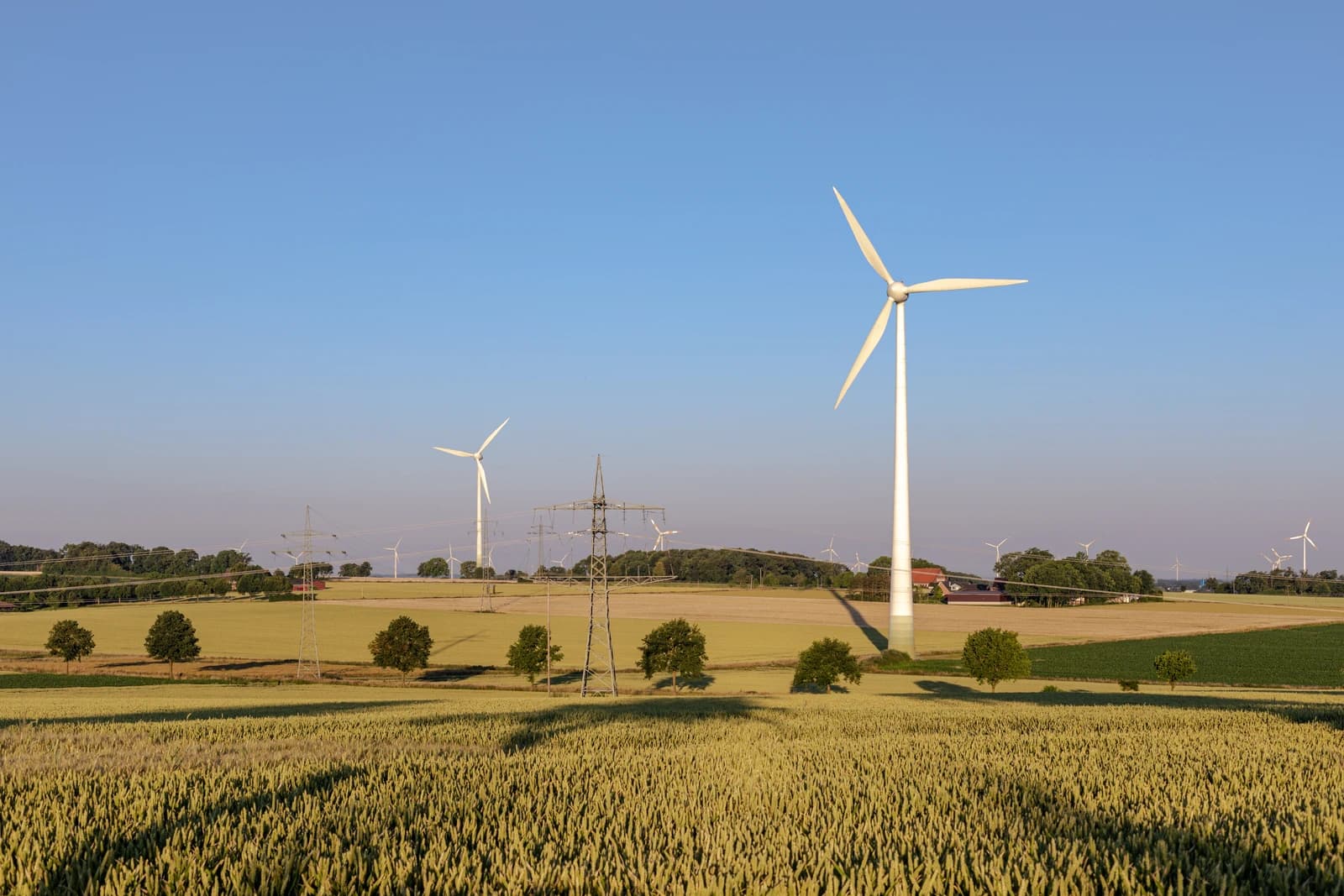
That is the big message from Eurelectric’s latest Power Barometer. The industry group says 72% of EU electricity generation came from clean sources last year, and that helped keep power prices far more stable than gas prices even as geopolitical tension, heat waves and supply disruptions battered the region. Between February and August, EU electricity prices rose 22.8%, while gas prices surged 88.4%.
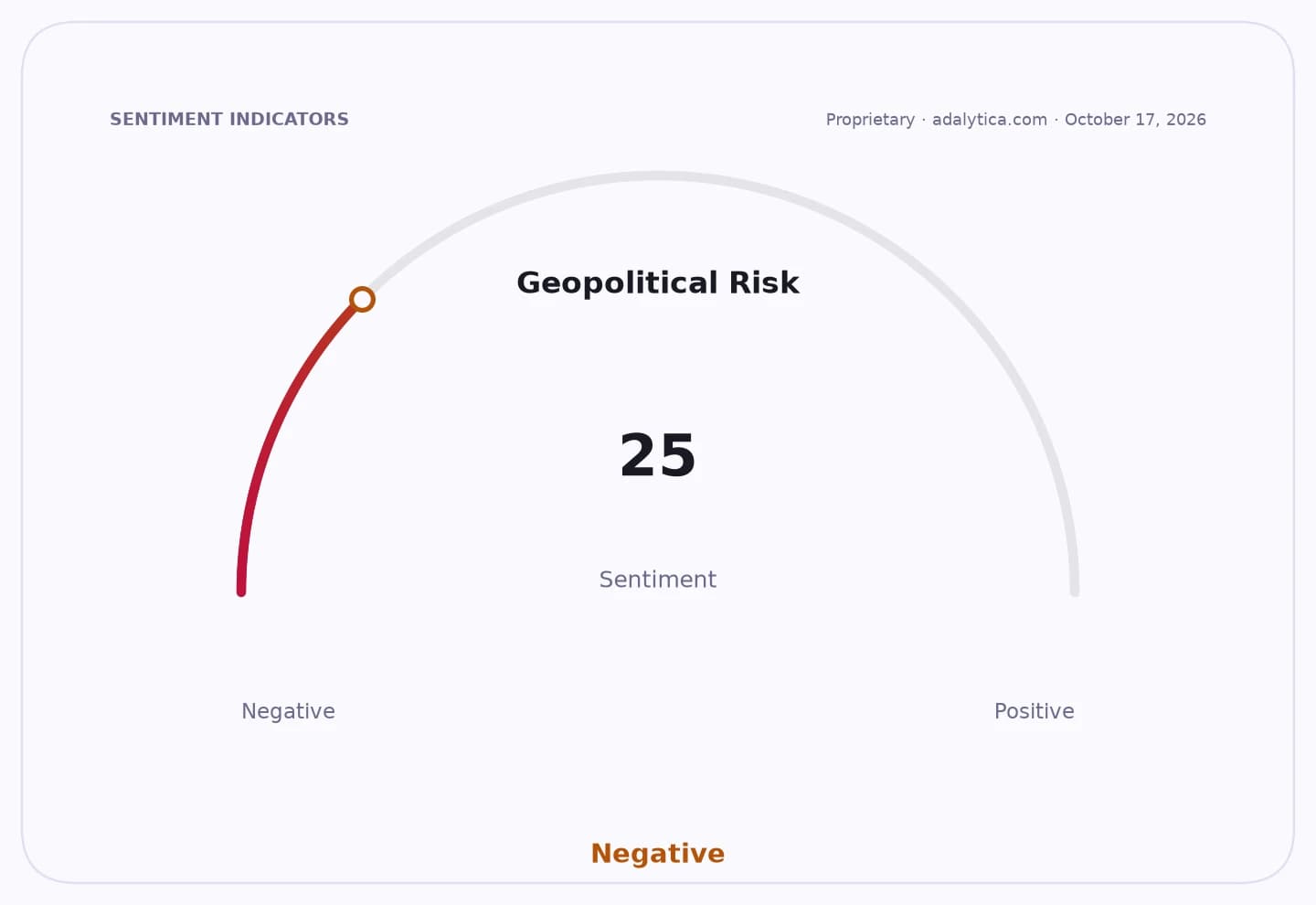
Sentiment IndicatorsⓘProprietary · adalytica.com · October 16, 2026
This is a snapshot — live sentiment, awareness and momentum for 130+ markets update continuously in the dashboard.Open AlphaPulse

For investors, that matters because it confirms a long-running thesis about Europe’s energy transition: cleaner electricity is not just a climate story, it is becoming a competitiveness story. The more power comes from domestic wind, solar, hydro and nuclear, the less exposed Europe is to imported fossil fuels and the less vulnerable its economy is to price spikes that squeeze consumers, manufacturers and utilities alike.
The contrast with gas was stark. Eurelectric said that during the period when the Strait of Hormuz blockade jolted energy markets, gas prices jumped 41% and crude oil 40%, while electricity prices actually fell 7%. Even after a brutal summer that weakened Nordic hydropower and forced some nuclear plants into maintenance because of low water levels and hot rivers, power prices still moved much less violently than fossil fuels.
That resilience is economically important. Europe has spent years trying to reduce its dependence on imported energy after the shocks of 2022. This report suggests that investment in domestic clean power is starting to show up in the real economy, not just in emissions targets. When power prices are less volatile, companies can plan capex with more confidence, consumers face less inflation pressure and governments have more room to pursue electrification without immediately worsening energy bills.
The stock market implications are broader than a single utility rally. Companies tied to grids, batteries, flexibility software and power infrastructure stand to benefit from the next phase of the transition, because Eurelectric argues that the system now needs faster deployment of storage, stronger transmission networks and more demand response. In other words, the challenge is no longer simply generating clean electricity; it is moving it, storing it and using it when it is most valuable.
That is why the report’s examples matter. Bulgaria’s battery buildout helped narrow a gap in wholesale prices versus the EU average, while Finland’s electric boilers showed how demand can be shifted away from expensive hours and turned into stored heat. Those are not niche anecdotes. They are early proof that flexibility can be monetized, and that in a high-volatility energy system, the winners are likely to be the companies that help balance the grid rather than just feed it.
There is also a growing demand story underneath the supply story. Eurelectric says electricity consumption is being reshaped by electric vehicles, heating and, increasingly, the compute behind artificial intelligence. That is good news for the sector over the long term, because more electrification means more power demand. But it also raises the bar for capital spending, since Europe will need far more grids, storage and backup flexibility to support data centers, EV charging and industrial loads without recreating the fossil-fuel dependence it is trying to escape.
For investors, the takeaway is straightforward: Europe’s energy transition is moving from vision to infrastructure. That should support utilities with strong clean-generation exposure, grid operators, storage developers and equipment suppliers over a multi-year horizon. The risk is execution. Eurelectric warns that utility-scale storage in Europe is still far below the bloc’s 2030 target, and without faster permitting and investment, clean power cannot fully deliver on its promise.
In the long run, this is the kind of structural shift patient investors like to see. Europe is learning that clean electricity can be both a decarbonization tool and a shield against imported fuel shocks. That is a powerful combination, and it is worth watching closely.
| Entity | Gains | Losses |
|---|---|---|
| Clean power generators | ▲More value for domestic output | ▼Fossil-fuel volatility |
| Grid and storage operators | ▲Higher investment demand | ▼Slow permitting |
| European industry and households | ▲Lower price swings | ▼Gas-import exposure |
| Gas and oil suppliers | ▲— | ▼Demand leverage in Europe |