Coal prices climbed to $154.6 a ton, the highest in three years, as tighter Indonesian exports and stronger buying from India and other power generators exposed how vulnerable the market remains to supply shocks just as northern-hemisphere winter demand approaches.
Coal prices hit three-year high on tighter supply

The move matters because coal is once again shaping the fuel mix in Asia and Europe at a time when gas remains expensive and energy security is back at the center of policy. With coal still about 80% cheaper than LNG on a fuel-equivalent basis, utilities are leaning on the dirtiest fossil fuel to protect margins and keep power plants running, even as the energy transition continues to slow long-term demand growth in developed markets.
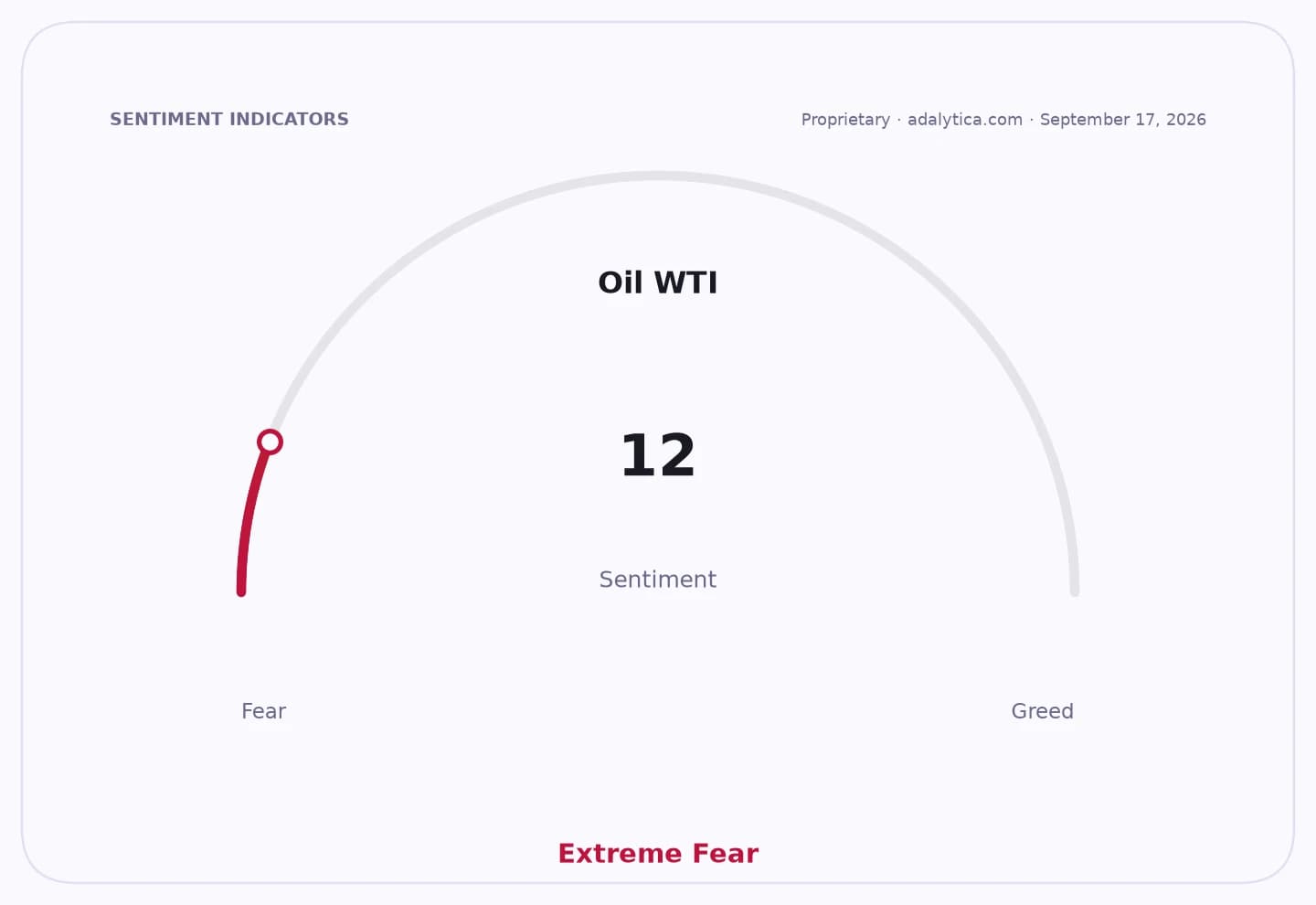
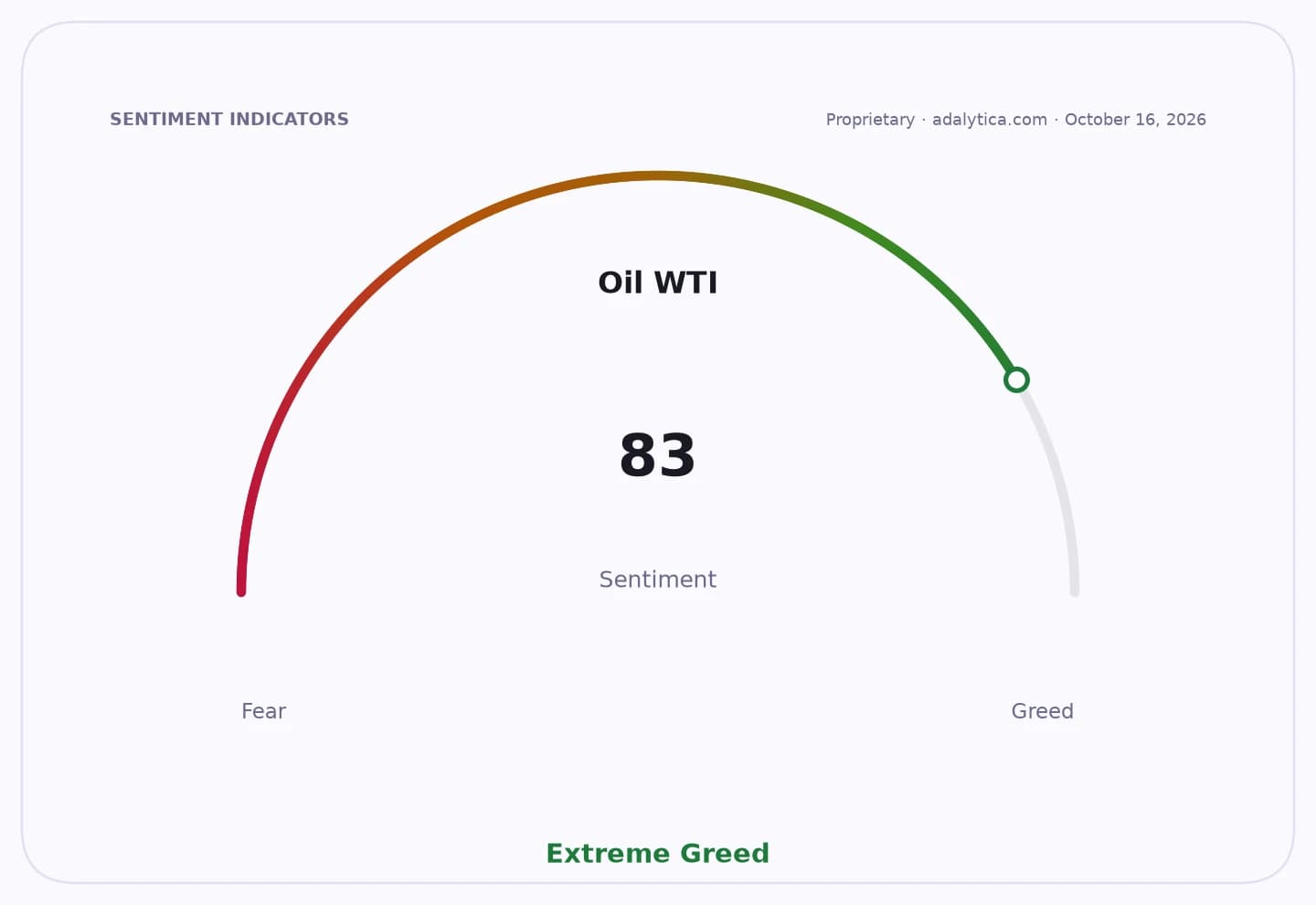
Sentiment IndicatorsⓘProprietary · adalytica.com · October 21, 2026
This is a snapshot — live sentiment, awareness and momentum for 130+ markets update continuously in the dashboard.Open AlphaPulse

The benchmark’s rise to $154.6 a ton on Friday marked a weekly gain of 2.72% and the strongest level since September 2023. The immediate catalyst is a supply tightening led by Indonesia, the world’s largest thermal coal exporter, which has curbed shipments after tightening export restrictions. Indonesian coal exports fell 9.33% in the January-August period to 227.7 million tons, while August shipments dropped 25.3% from a year earlier, according to official and Kpler data.
That supply gap is colliding with firmer demand. The International Energy Agency said in September that global coal consumption is likely to hit a record this year, underscoring how high electricity needs and volatile gas markets can overwhelm decarbonization efforts in the short term. In India, state-owned Coal India lifted September supply 12.5% to 61.2 million tons as utilities scrambled to rebuild inventories, while China’s thermal coal market stayed elevated despite uneven production at major miners.
For investors, the higher coal price is supportive for miners with leveraged exposure to seaborne thermal and metallurgical coal, but the trade is not uniform. U.S. producers such as Core Natural Resources, whose shares have been volatile, benefit when export pricing strengthens, though their gains can be offset by regulatory risk, domestic oversupply and the market’s tendency to fade once winter stockpiling ends. High prices also improve cash generation for producers with low operating costs and spare export capacity, while utility buyers and industrial users face higher input bills and working-capital pressure.
The market backdrop is already showing up in company data. Coal India said it reduced stockpiles by about 63 million tons in the first half of its fiscal year as output and dispatches rose, a sign that near-term demand is absorbing production faster than planned. In China, thermal coal prices at mine sites are still holding up, even as China Coal Energy reported a 9.1% annual drop in September commercial output, suggesting the supply-side squeeze is broader than one exporter.
The key question for the next few months is whether winter demand, restocking and geopolitics keep prices elevated or whether additional production in Indonesia, India and China eases the market. If gas prices remain firm and coal inventories stay tight, the rally could extend into year-end. If not, the recent surge may prove another short-lived spike in a market that remains highly sensitive to policy and weather.
| Entity | Gains | Losses |
|---|---|---|
| Coal producers | ▲Higher realized prices | ▼Export restrictions and output limits |
| Utilities and power plants | ▲Fuel diversification | ▼Rising input costs |
| Indonesia | ▲Pricing leverage for remaining supply | ▼Lower export volumes |
| India/China buyers | ▲Near-term energy security | ▼Larger import bills |