Coal prices have surged to near a three-year high, and that matters because the rally is being driven less by speculation than by a very practical problem: buyers need cheap, reliable fuel before winter, while rival energy supplies remain tight.
Coal prices near three-year high on winter demand

According to the latest market data, global coal prices are up about 40% since the start of the year, a move that has revived an industry many investors had written off as structurally declining. The jump comes as Asian and European utilities step up imports ahead of colder weather, encouraged by a deepening LNG shortage and the simple arithmetic that coal still costs roughly 80% less than liquefied natural gas. When energy security becomes the priority, price usually takes a back seat.
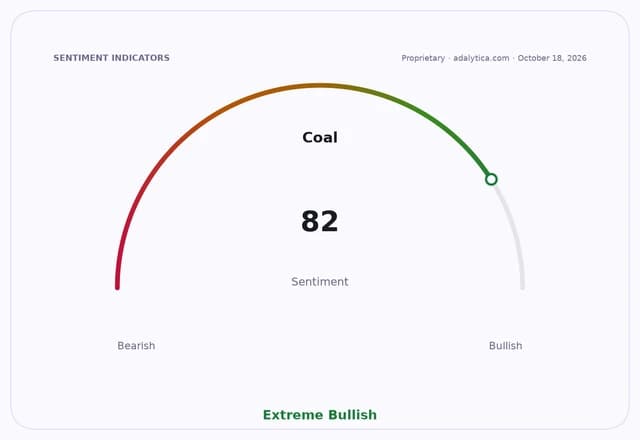
Sentiment IndicatorsⓘProprietary · adalytica.com · October 18, 2026
This is a snapshot — live sentiment, awareness and momentum for 130+ markets update continuously in the dashboard.Open AlphaPulse
That shift is economically important for two reasons. First, it can support electricity generation costs just as households and factories face higher seasonal demand. Second, it gives coal producers some pricing power after years of pressure from environmental policy and weak capital discipline. In Russia, where miners have been hit by sanctions, disputes and rising costs, higher coal prices are offering a rare lift even as the Ministry of Energy says about 70% of coal companies remain unprofitable and losses could exceed 300 billion rubles.
For investors, the message is not that coal has become a long-term growth story. It is that cyclicals can still surprise when supply tightens and the world needs fallback energy sources. Peabody Energy, whose shares have been volatile, reflects that tension. The stock recently traded around $24, well below its 200-day moving average, and its RSI has slid into oversold territory, showing how quickly sentiment can swing even when the underlying commodity is strengthening. That kind of disconnect can create opportunity for patient investors, but it also reminds them that coal equities are notoriously cyclical and should never dominate a portfolio.

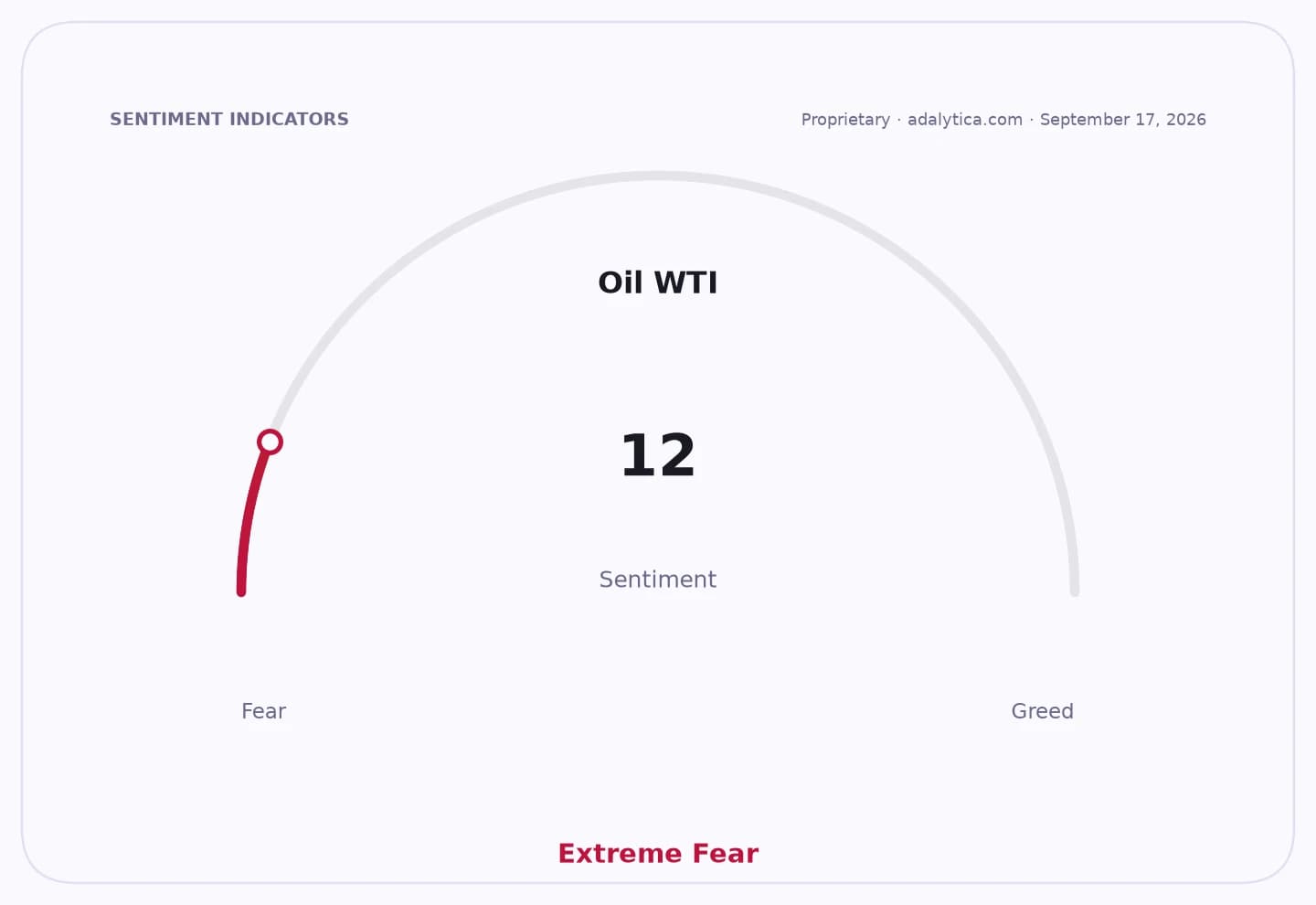
The broader backdrop matters too. Oil has stayed above $100 a barrel, while stable coal inventories at power plants have started to ease after a period of replenishment. That combination leaves utilities with fewer easy alternatives if gas stays tight. It also helps explain why coal is back in focus despite the sector’s long-term decline: in a supply-constrained energy market, the cheapest fuel often wins.
For long-term investors, the takeaway is straightforward. Coal remains a volatile, controversial business, but the current rally shows how quickly demand can reassert itself when energy markets get stressed. It is worth watching, especially for those looking at diversified commodity exposure, but not something to chase blindly after a sharp run.
| Entity | Gains | Losses |
|---|---|---|
| Coal miners | ▲Higher selling prices | ▼Long-term demand skeptics |
| Utilities/buyers | ▲Security of supply | ▼Higher fuel bills |
| LNG exporters | ▲Limited near-term relief | ▼Share loss to coal |
| Peabody Energy (BTU) shareholders | ▲Commodity tailwind | ▼Volatility and policy risk |