South Korea is leaning back on coal and nuclear power this winter as soaring spot LNG prices and disrupted Middle East supply make gas-fired generation too expensive, a reversal that underscores how energy security is overwhelming the country’s climate agenda.
South Korea Plans More Coal And Nuclear This Winter
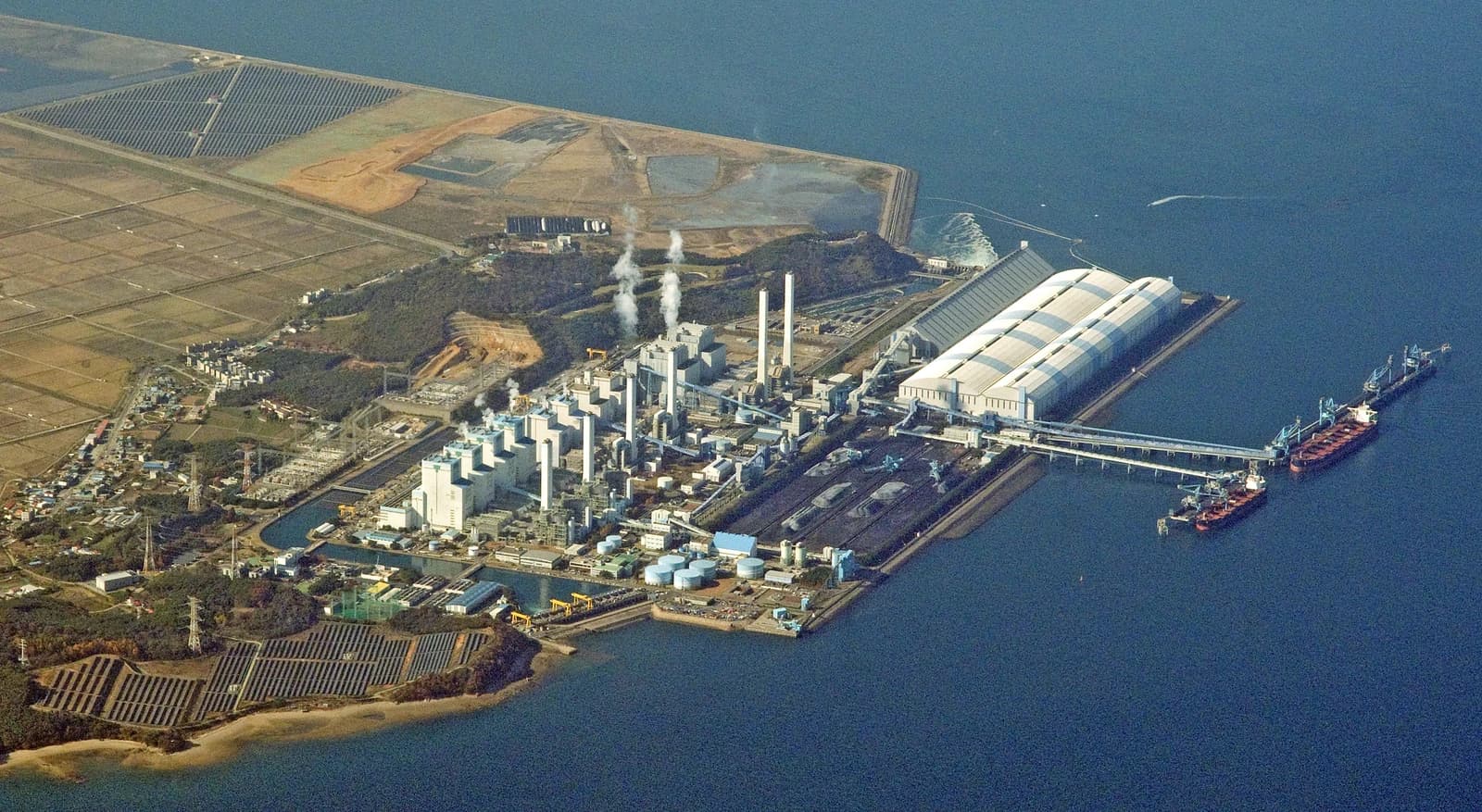
Climate, Energy and Environment Minister Kim Sungwhan said Seoul must “reduce LNG demand” in the short term and will “inevitably” use more coal and nuclear power while accelerating renewables. The shift matters because South Korea is the world’s third-largest LNG buyer after China and Japan, and its fuel mix helps set the tone for broader Asian gas and coal demand.
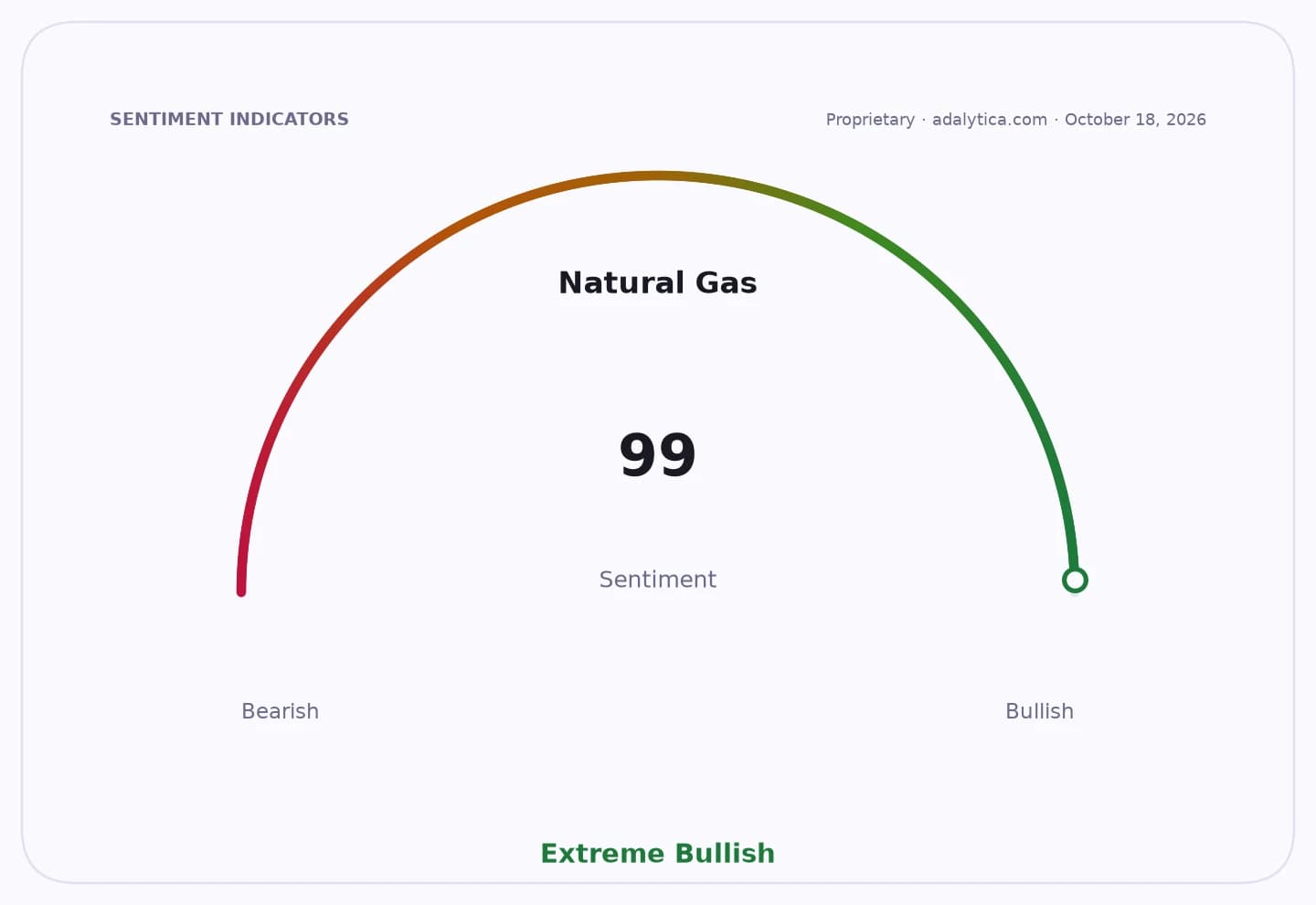
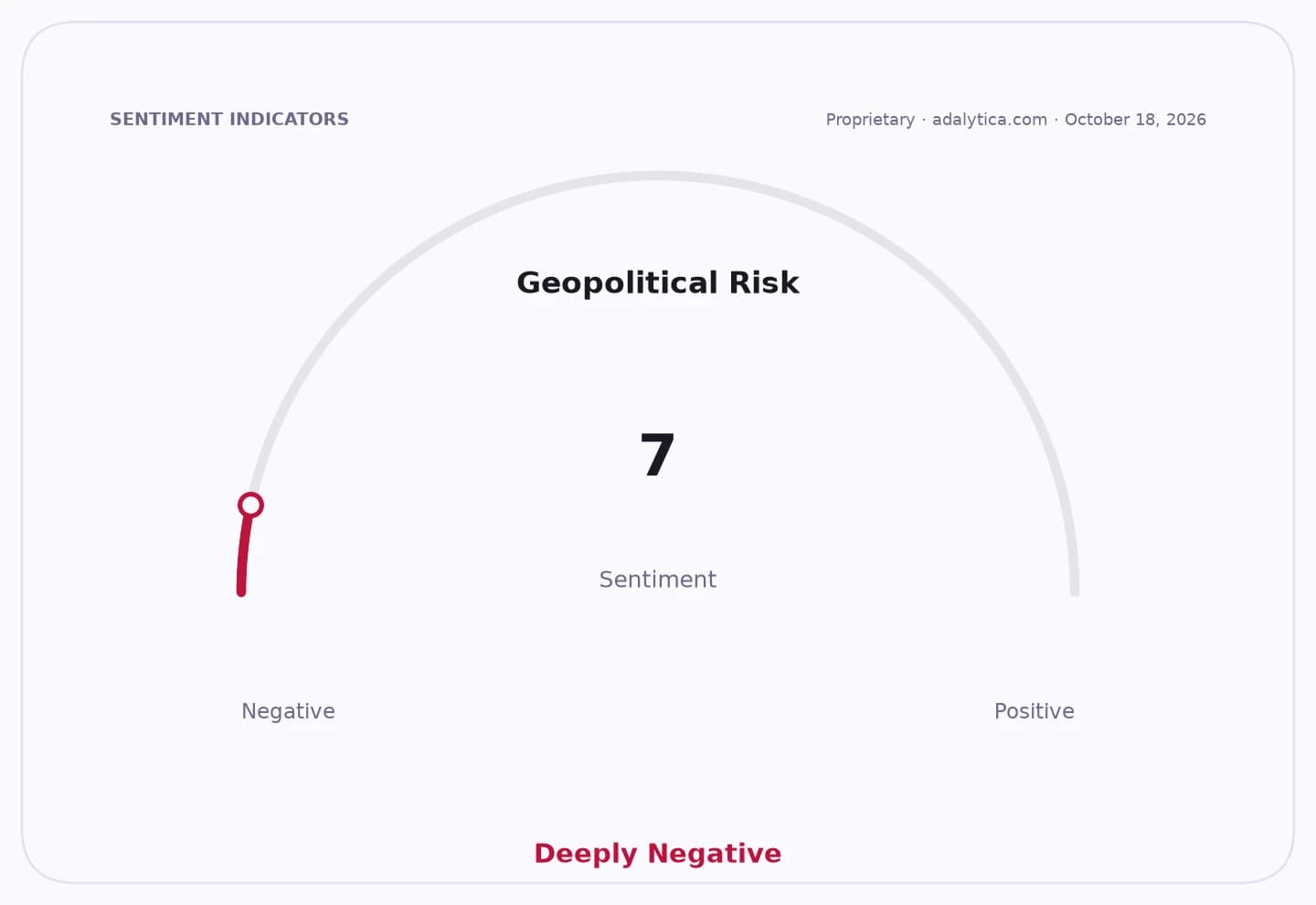
Sentiment IndicatorsⓘProprietary · adalytica.com · October 20, 2026
This is a snapshot — live sentiment, awareness and momentum for 130+ markets update continuously in the dashboard.Open AlphaPulse
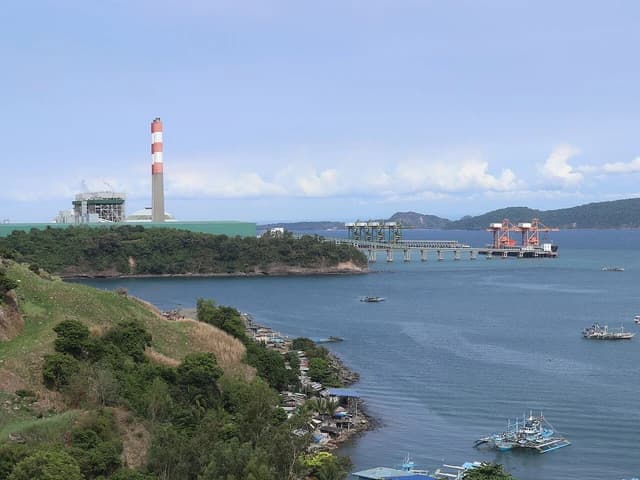
The immediate trigger is the jump in LNG prices to four-year highs after shipping risks in the Middle East and the lack of Qatari supply tightened the market. Spot LNG that does not need the Strait of Hormuz has become uneconomical for power generators versus coal, pushing utilities to swap fuels rather than absorb higher costs.
Coal-fired power supply in South Korea surged 40% in April, the biggest increase since August 2019, according to market data cited by Reuters. That increase is set to repeat into winter, when gas consumption typically rises, and it adds pressure to electricity prices even as the government tries to keep households and industry insulated from the energy shock.
The economics are stark. Ember and Global Energy Monitor said earlier this year that South Korea’s annual fossil-fuel imports for the whole energy sector could reach $133 billion at early-June 2026 spot prices, a bill almost six times the country’s annual debt repayments. That scale of import exposure leaves Seoul vulnerable to both commodity spikes and shipping disruptions, with knock-on effects for the trade balance and inflation outlook.
For investors, the trade-off favors coal-linked and nuclear generation over LNG-dependent utilities in the near term, while keeping natural gas markets volatile. Adalytica’s natural gas trade signal shows extreme greed, reflecting the market’s sensitivity to supply shocks, while U.S. natural gas futures have also been volatile, with recent prices around $10.50 and volume remaining elevated.
South Korea is still planning a massive longer-term energy transition, including up to 1 quadrillion won, or $747 billion, for renewables, EV adoption and decarbonization by 2035. But with winter demand approaching, the near-term message is clear: fuel security comes first, and that means more coal burn until LNG supply normalizes.
| Entity | Gains | Losses |
|---|---|---|
| South Korean utilities | ▲Lower fuel costs | ▼Climate targets |
| Coal producers | ▲Higher demand | ▼LNG suppliers |
| LNG importers | ▲— | ▼Higher input costs |
| Consumers and industry | ▲Short-term power reliability | ▼Higher electricity bills |