Coal prices have surged about 40% since the start of the year as unstable LNG supply and soaring gas prices force power buyers across Asia back toward coal, turning a temporary fuel switch into a broader energy-market repricing.
Thermal coal prices rise on LNG supply squeeze
That matters because this is no longer just a weather or shipping story — it is a supply shock with real inflationary consequences. When LNG gets tight, utilities in India, Pakistan, South Korea and Vietnam do what they always do first: they pivot to the cheapest available fuel that can keep the lights on. Right now, that is increasingly coal, and the result is the highest thermal coal prices since December 2023.
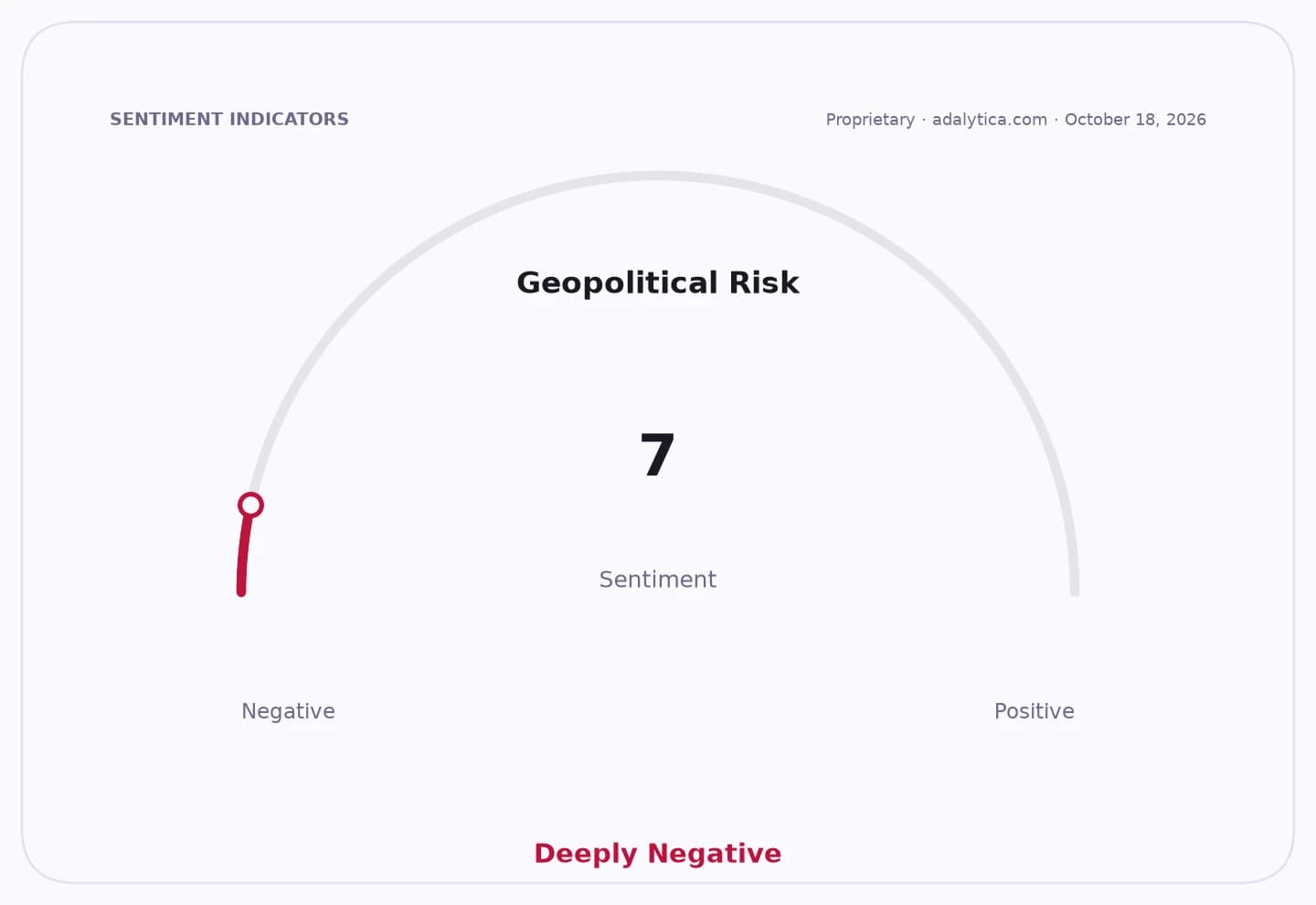
Australian high-grade thermal coal, the Asia benchmark, has climbed to about $150 a ton after briefly touching nearly $152 on Oct. 6, according to LSEG. The move is being driven by a combination of geopolitical risk and constrained supply. Middle East tensions and fears around the Strait of Hormuz have lifted LNG prices, while buyers search for alternatives to expensive gas. At the same time, Indonesia — the region’s most flexible coal supplier — is seeing exports slow as Jakarta tightens mine-approval rules and domestic supply obligations. Commodity Insights expects Indonesian coal exports to fall about 10% next year to roughly 450 million tons, and possibly less.
That is the key reason this rally has legs. Demand is firm, but supply is becoming less elastic. The International Energy Agency says global coal demand is still headed for a record 8.94 billion tons this year, up 1.2% from 2025. In other words, the world is not exiting coal fast enough to absorb a gas-market shock. It is adding fuel to a system that is already short on flexibility.
For investors, the opportunity is not just in coal producers. The bigger trade is in the knock-on effects across the energy complex. If LNG remains volatile, exporters with accessible seaborne coal and low-cost mines gain pricing power, while gas-heavy utilities and LNG buyers face margin pressure and higher fuel bills. That is why U.S. gas names such as EQT are worth watching even in a coal story: the market is repricing the entire fuel stack, and gas producers stand to benefit from global scarcity even as end users suffer.
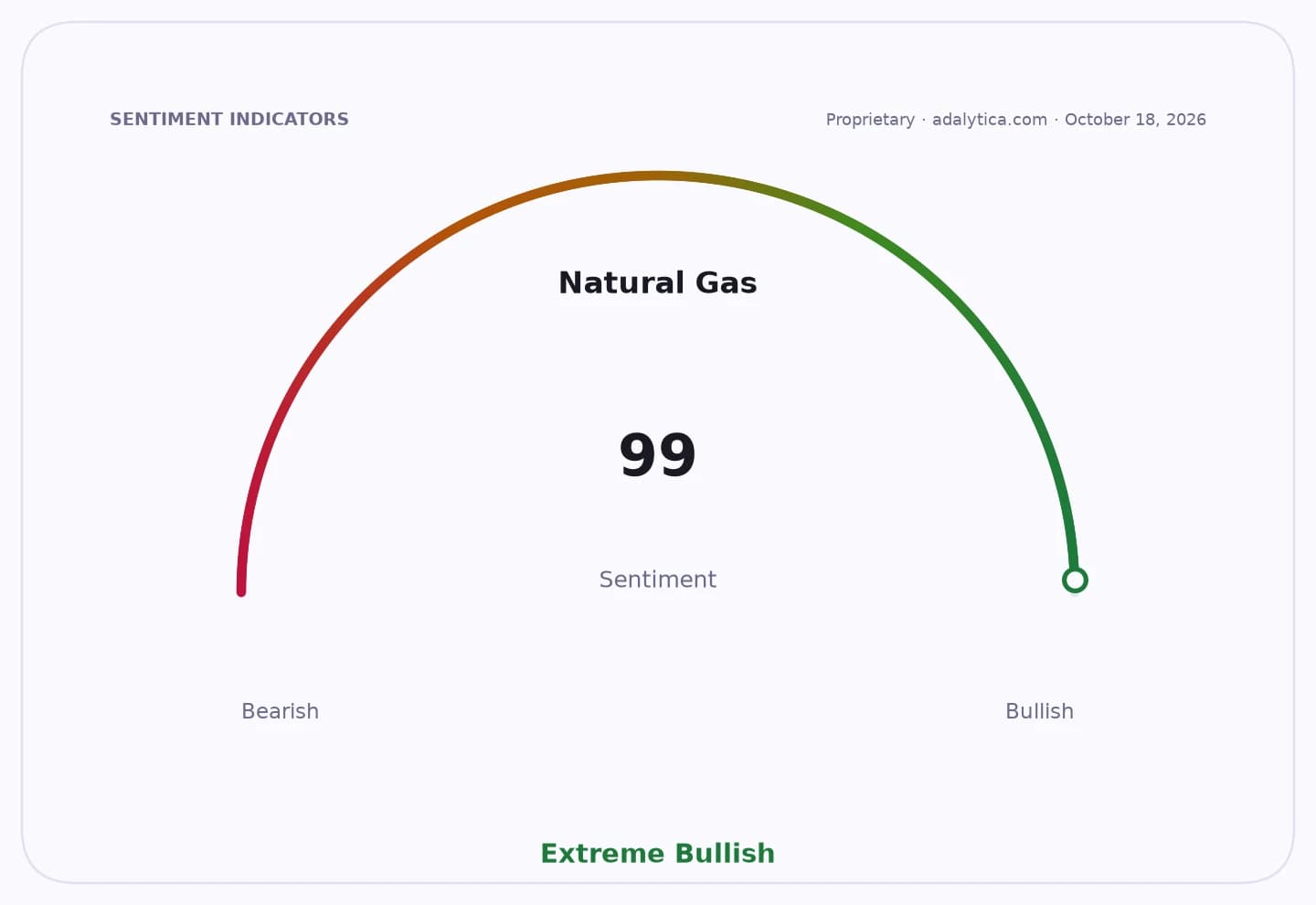
The chart action in gas underscores how hot this market has become. Adalytica’s natural gas trade signals show “Extreme Greed,” with sentiment at 99 and a 71% gain over 30 days, a sign that traders are already chasing the LNG shortage narrative. But the more durable thesis is that coal is once again functioning as the world’s emergency fuel. That favors miners, shipping capacity and select energy infrastructure names, while pressuring countries and utilities exposed to imported LNG.
Japan’s response shows how serious the squeeze has become. Policymakers are weighing looser restrictions on inefficient coal-fired plants to protect supply, a reminder that energy security is overriding decarbonization rhetoric when fuel markets break. That same pattern could spread if LNG stays expensive through winter.
The market is missing how quickly a gas shock can turn into a coal supercycle. As long as LNG remains unstable and Asia keeps reaching for backup fuel, coal prices can stay elevated, and the winners will be the companies and countries that can deliver tons, not promises.
| Entity | Gains | Losses |
|---|---|---|
| Thermal coal miners | ▲Higher pricing power | ▼None in the near term |
| LNG importers | ▲— | ▼Higher fuel costs |
| Asian utilities | ▲Fuel diversification options | ▼Margin pressure, pricier power |
| Coal exporters with spare capacity | ▲Stronger demand and exports | ▼Domestic policy constraints elsewhere |