India increased LNG imports by 16% in July, underscoring how one of Asia’s few still-growing gas markets is absorbing the shock from disrupted Gulf supply and record spot prices even as much of the region cuts back.
India LNG Imports Rise 16% in July
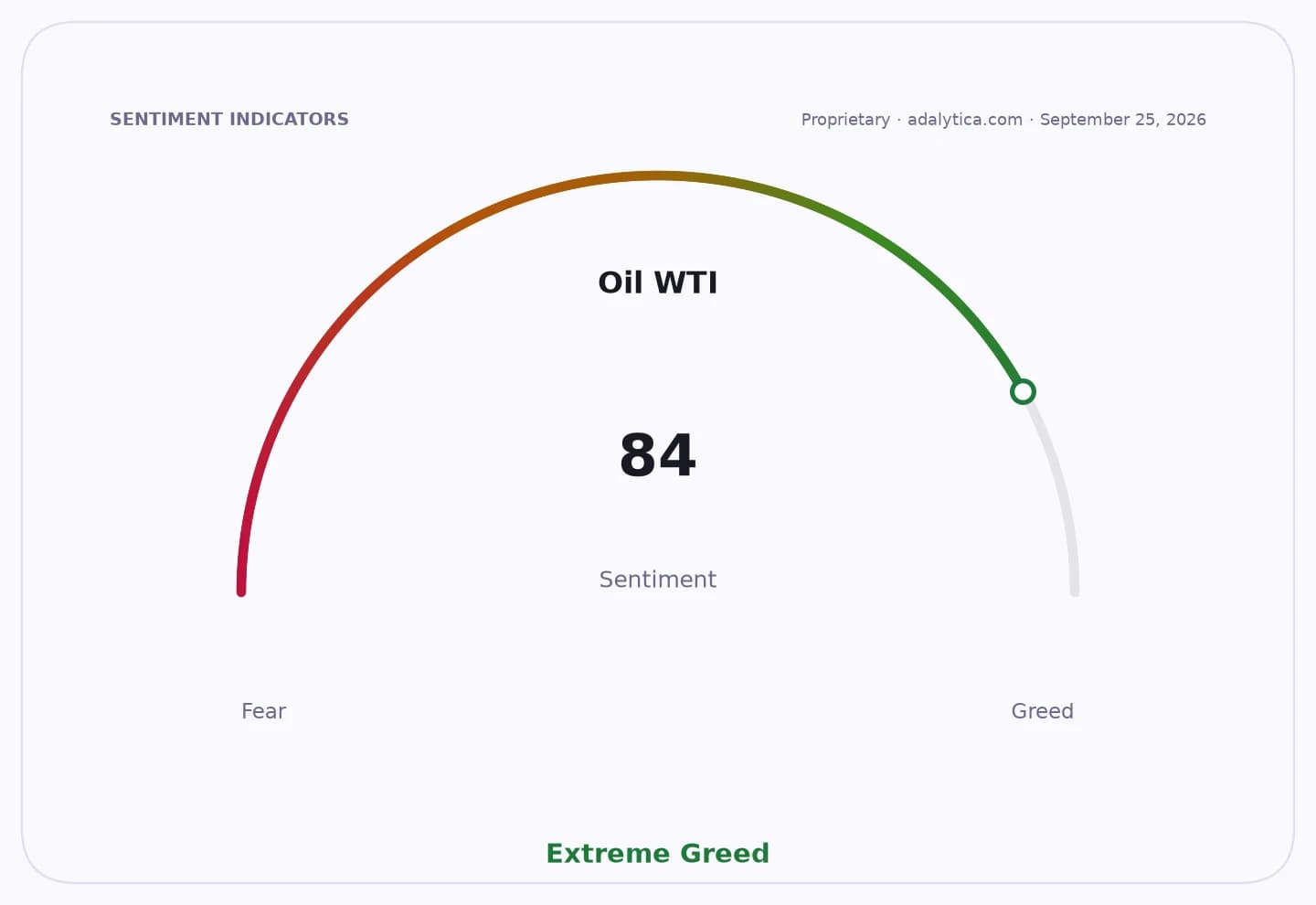
The increase matters because it shows demand is not collapsing everywhere in Asia; it is fragmenting. For India, where LNG feeds city gas networks and fertilizer plants, fuel security is taking precedence over price. That helps explain why buyers continued to lift cargoes even after Asian spot LNG prices more than doubled to about $26 per million British thermal units in the Reuters-reported market backdrop, the highest since December 2022.
The broader economic effect is twofold. First, elevated LNG prices act like a tax on energy-intensive industries, squeezing margins for sectors such as fertilizers, ceramics, methanol and glass. Second, the higher import bill widens pressure on trade balances for buyers that lack the long-term contract coverage enjoyed by Japan and South Korea. In India, however, the need to keep utility gas flowing and fertilizer plants supplied appears to outweigh the cost pain for now.
That makes India a relative outlier in a region where demand is expected to decline 3% to 10% in 2026 as war-related disruptions reduce supplies from Qatar and the United Arab Emirates. China is also pulling back, with imports seen falling by 6.1 million tonnes as domestic output rises and buyers delay replenishment purchases. India’s 16% July rise suggests that the market’s response is not uniform; it reflects a hierarchy of demand, with essential end users still buying and discretionary consumers stepping aside.
For investors, the implication is that spot-market tightness can persist even if headline Asian demand weakens. That supports a firmer pricing backdrop for LNG exporters and cargo sellers with flexible supply, while pressuring importers, utility buyers and industrial users exposed to spot procurement. It also helps explain why companies such as Exxon are keeping long-term LNG outlooks constructive despite near-term volatility: the market is likely to stay structurally short of flexible supply if Gulf disruptions linger.
The near-term watchpoint is whether India’s demand holds if prices remain elevated into winter and whether more supply arrives from the U.S. and Qatar. If Gulf exports normalize, Asian buyers could rebuild inventories and demand could recover in 2027. If not, India’s willingness to keep buying may become a model for the rest of the region: gas demand concentrated in essential sectors, and the rest of the market forced to wait.
| Entity | Gains | Losses |
|---|---|---|
| India gas utilities | ▲Secured supply | ▼Higher import costs |
| Fertilizer producers | ▲Feedstock availability | ▼Margins under pressure |
| LNG exporters | ▲Stronger spot pricing | ▼Buyers with weak demand |
| Asian industrial users | ▲— | ▼Output cuts, deferred purchases |