India’s stock market selloff deepened on Friday as the Sensex dropped more than 600 points in the first two hours of trade, with surging crude prices, persistent foreign outflows and rising volatility combining to hit risk appetite hard.
India stocks fall as crude and outflows rise
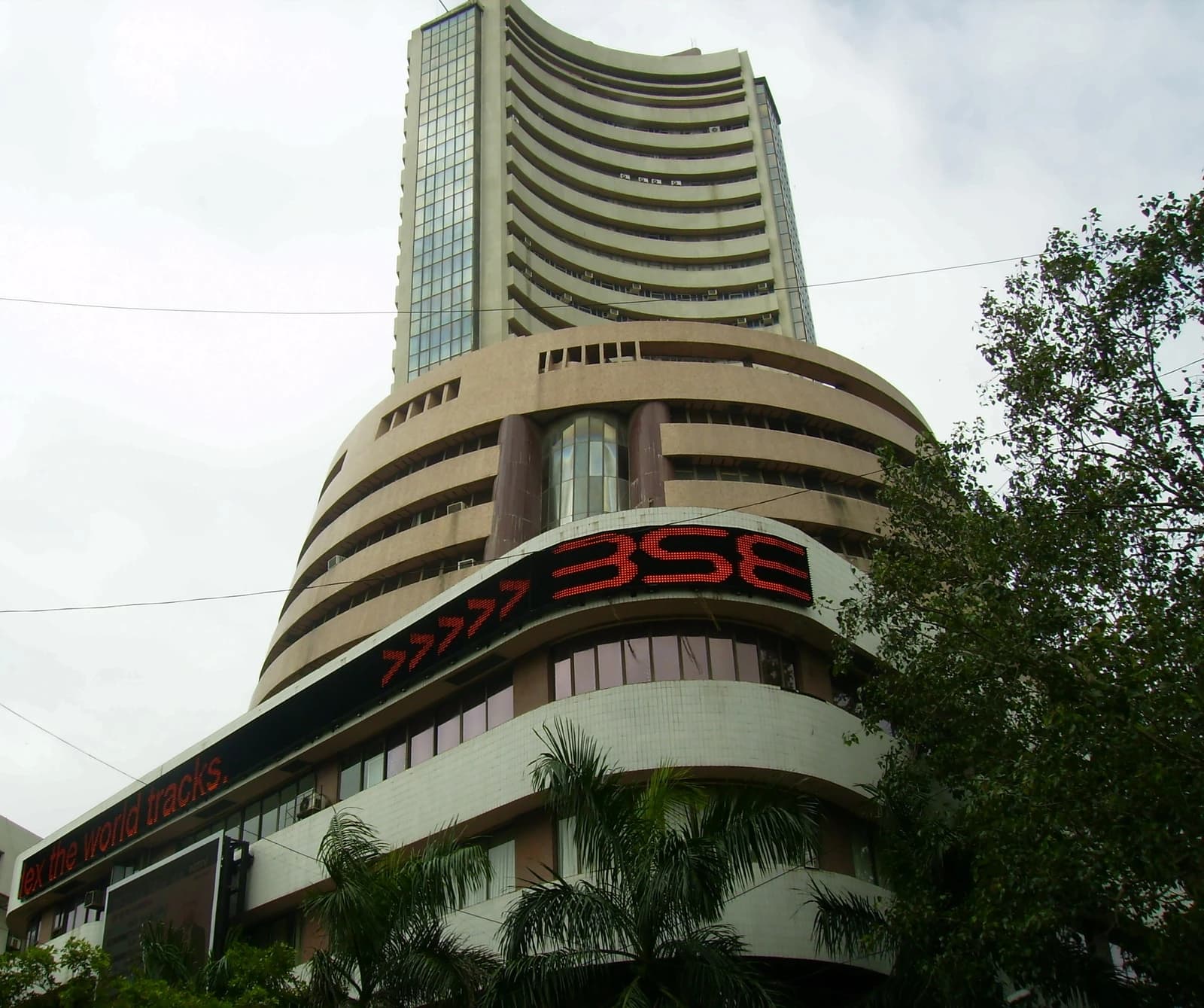
The move matters because it goes straight to the heart of India’s macro story: higher oil prices threaten inflation, widen the import bill and squeeze corporate margins just as the market is leaning on earnings growth to justify rich valuations. When Brent crude pushed to a five-month high near $114 a barrel, investors were forced to price in a nastier mix of cost pressure, slower growth and tighter financial conditions.
Sentiment Indicators
That is a particularly uncomfortable backdrop for an economy that imports most of its crude. Even a sustained move higher in oil can bleed through into transportation, chemicals, paints and other fuel-sensitive sectors, while also raising the risk of food and consumer inflation becoming stickier. For policymakers, that complicates the task of supporting growth without fanning price pressures further.
Foreign selling added a second layer of pressure. Continued FPI outflows are especially damaging when US bond yields are elevated, because global money can earn more with less risk elsewhere. That tends to leave Indian equities vulnerable to sudden de-rating, especially in crowded large-cap names that have benefited from strong overseas inflows in recent years.
The jump in India VIX by more than 7% underscored how quickly traders moved into defense. Higher volatility usually means lower willingness to hold leveraged positions and weaker appetite for small- and mid-cap exposure, which can amplify intraday moves and force institutions to stay on the sidelines.
The market message is clear: this is not just a one-day dip, but a reminder that India’s rally is still highly sensitive to energy prices and foreign capital flows. If crude remains elevated and global yields stay firm, the near-term leadership is likely to shift toward defensive sectors, exporters and businesses with pricing power, while rate-sensitive and margin-stretched names could lag. For investors, the opportunity is increasingly in selective accumulation rather than broad beta.
| Entity | Gains | Losses |
|---|---|---|
| Oil producers | ▲Higher realizations | ▼Demand caution if costs climb |
| Indian importers | ▲None | ▼Wider input bills |
| Defensive sectors | ▲Relative outperformance | ▼Limited upside in risk-off tape |
| Foreign investors | ▲Higher yield alternatives abroad | ▼Indian equity exposure |