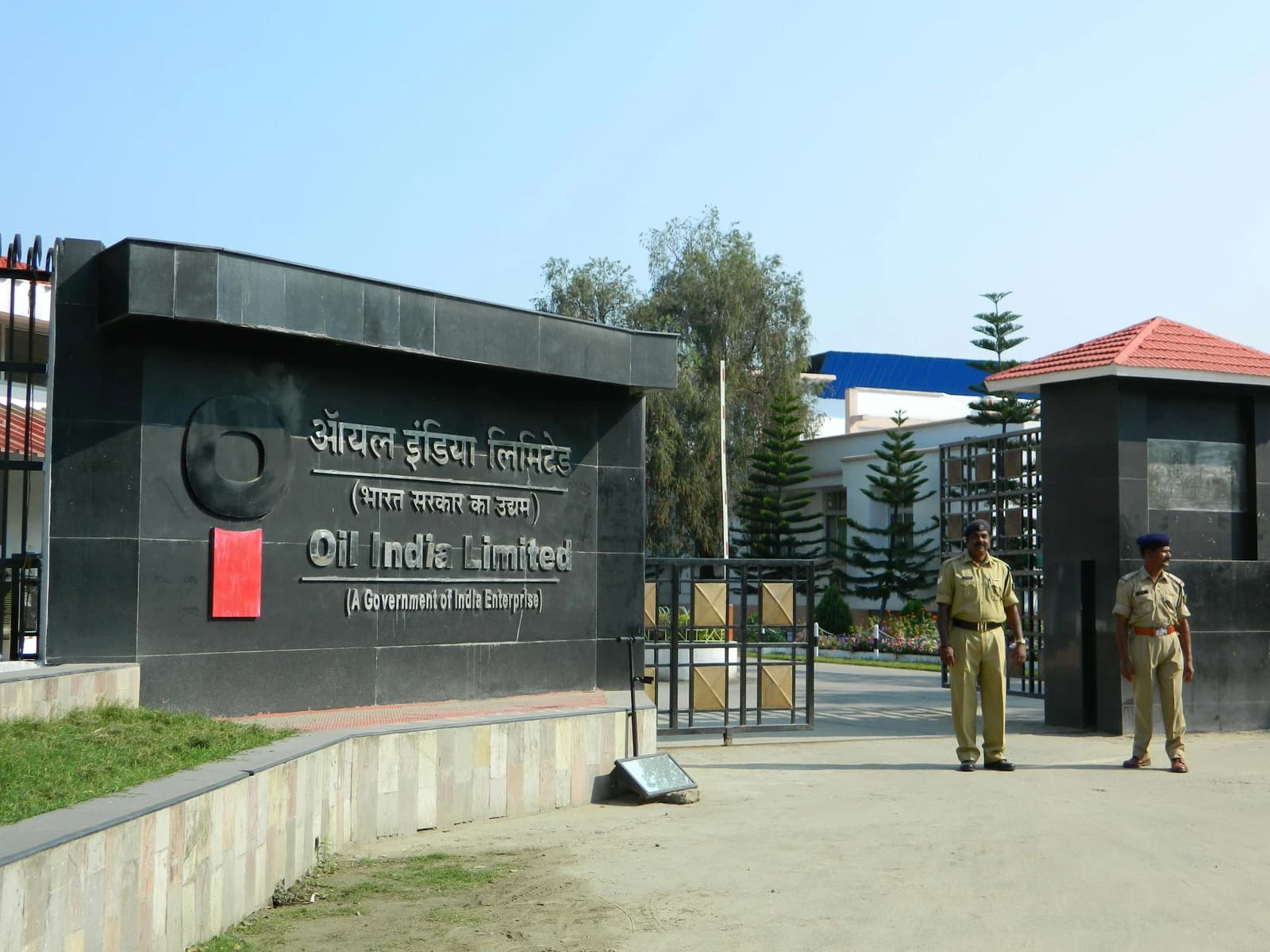
Oil India Ltd. has found natural gas in a shallow-water block in India’s Krishna-Godavari basin, a discovery that could add domestic supply and reduce the country’s reliance on imported fuel.
Oil India finds gas in Krishna-Godavari basin
The state-run explorer said the find in the previously unappraised Matsyapuri formation delivered a peak test flow of 200,000 standard cubic metres per day, a meaningful initial rate for a frontier-style discovery in the offshore basin. For India, where gas demand is rising from power, fertilizer and industrial users, any incremental domestic production helps narrow the supply gap and supports the government’s push to lift the fuel’s share in the energy mix.
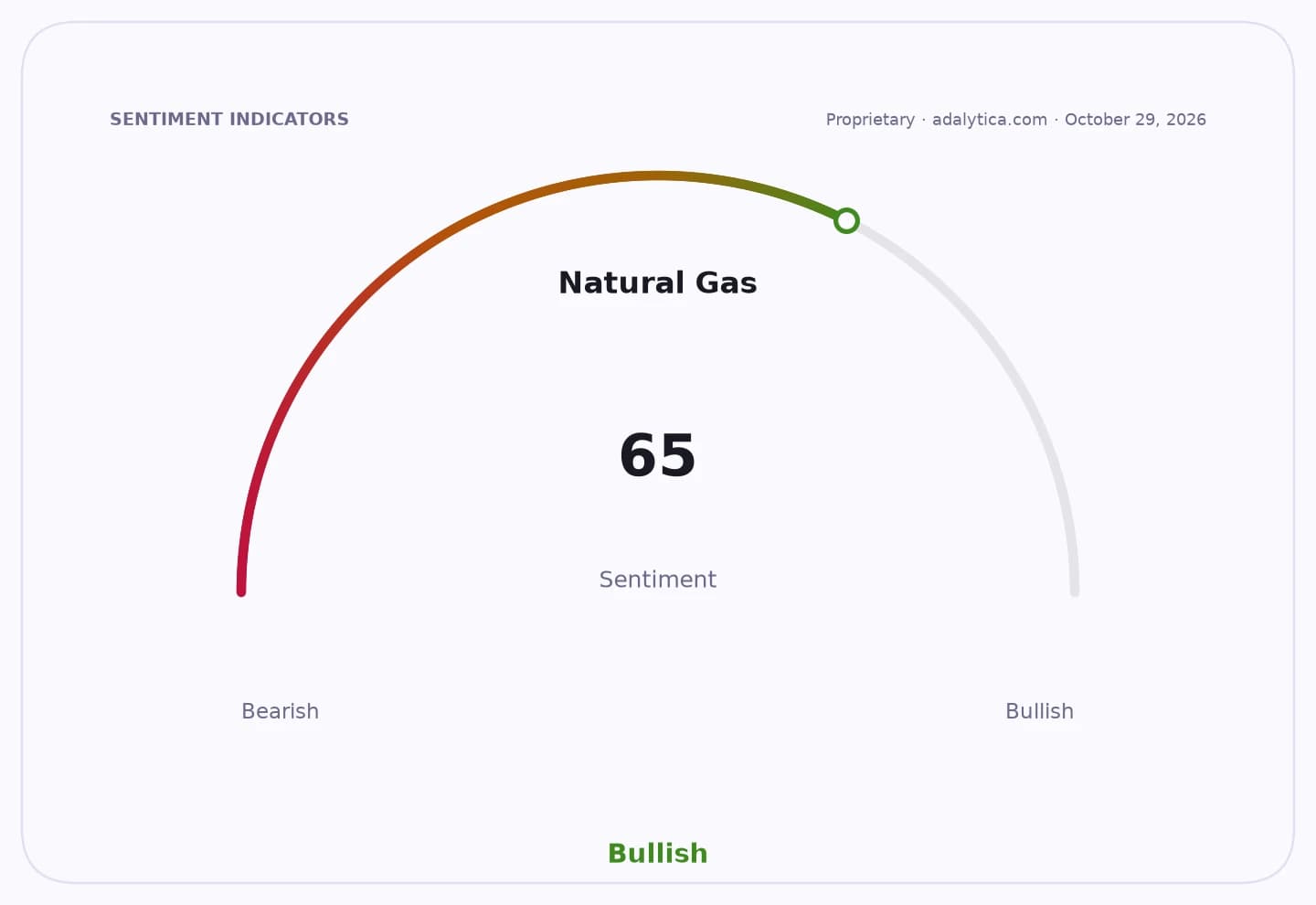
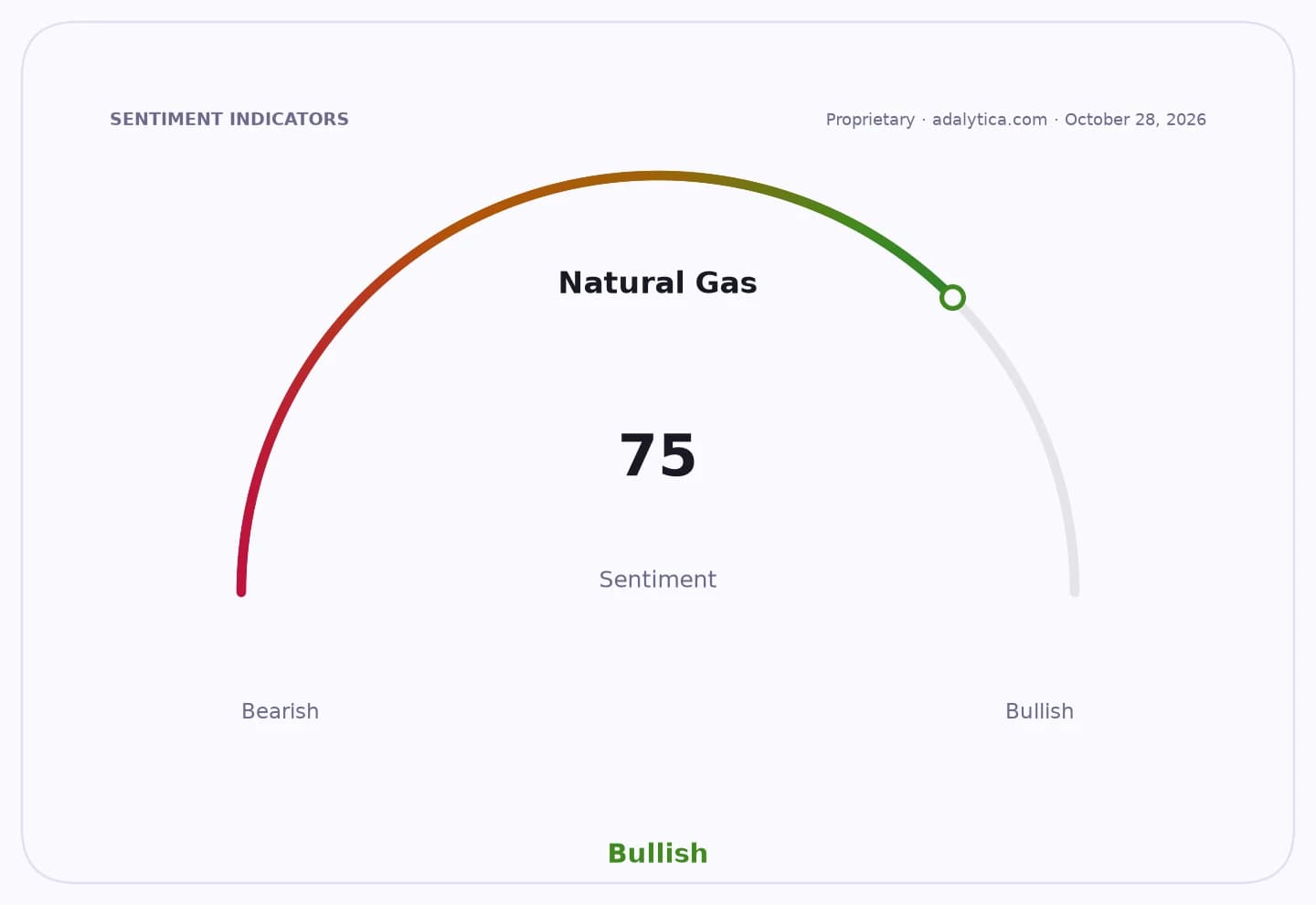
Sentiment Indicators
Natural Gas
The block was awarded in recent Discovered Small Field bid rounds, underscoring how India is trying to monetize smaller finds faster and bring more underexplored acreage into production. That matters for Oil India because successful appraisal can convert exploration spending into reserve additions and future cash flow, while strengthening its offshore portfolio beyond its traditional onshore base.
The discovery also lands at a time when global gas markets remain tight and volatile, with Europe still paying heavily to secure winter storage and alternative supply routes. For investors, that keeps attention on companies that can add low-cost domestic gas in major consuming markets such as India, where pricing, transport and policy support can determine how quickly a discovery translates into earnings.
Oil WTI
Oil India will now need further appraisal to determine the size and commercial viability of the find before any production timeline becomes clear. The next catalyst is whether the company can prove up reserves and move from a test flow to sustained output, which would determine how much the discovery can move the needle for earnings and India’s gas balance.
| Entity | Gains | Losses |
|---|---|---|
| Oil India | ▲Reserve growth potential | ▼Upfront appraisal costs |
| India’s gas consumers | ▲Future domestic supply | ▼Continued import dependence |
| LNG importers | ▲None | ▼Potentially weaker demand growth |
| Competing upstream firms | ▲Sector validation | ▼Less standout acreage access |