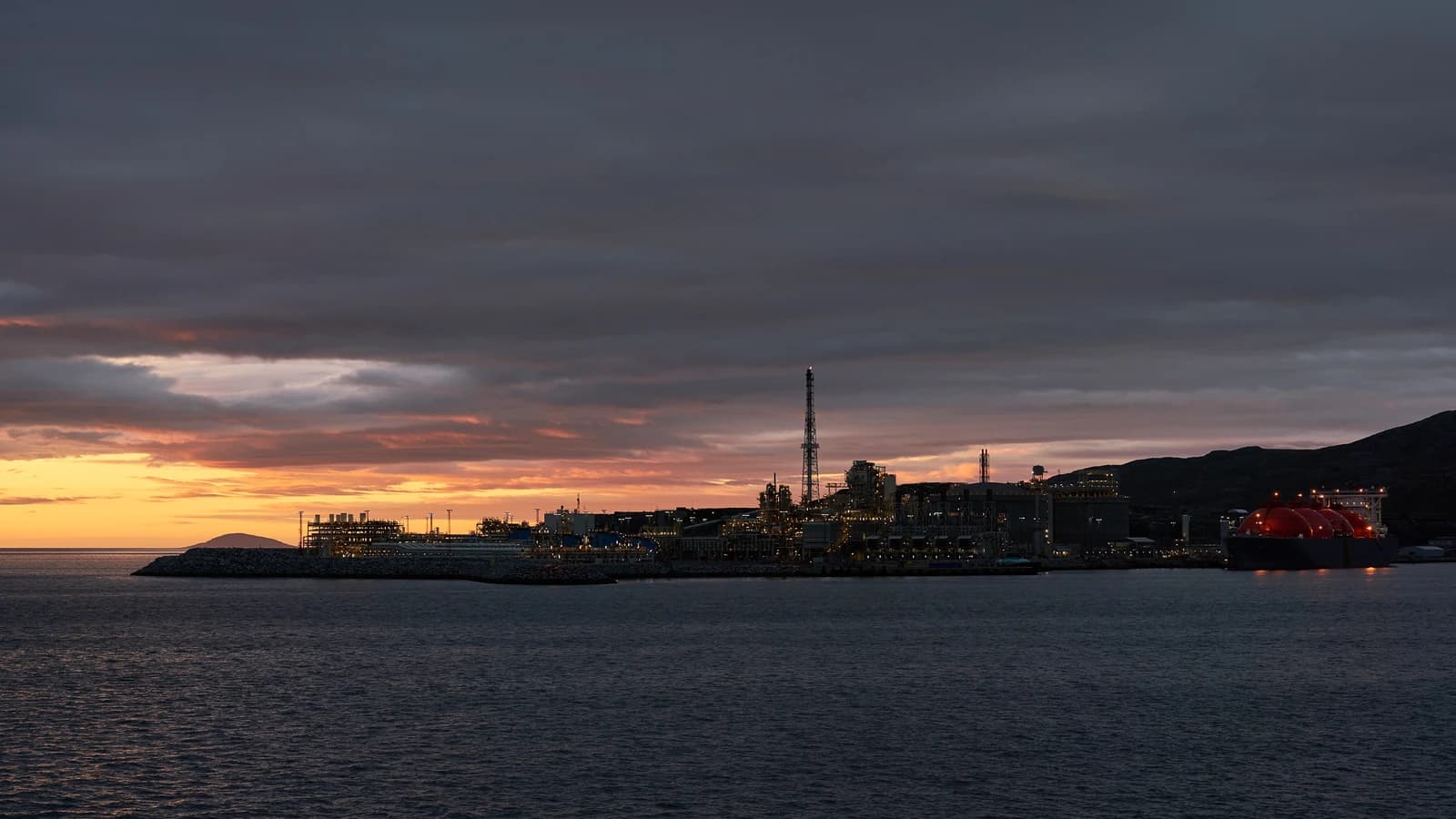
Indonesia’s gas supply is set to rise by about 290 million cubic feet per day after the Jangkrik North East-6 well and the Maha South Hub offshore project in East Kalimantan began operating, a boost the government says will be directed first to domestic users.
Indonesia gas output rises after East Kalimantan projects
The addition is meaningful because it expands national gas availability at a time Jakarta is tightening control over energy exports and pushing more hydrocarbons into local industry. Energy Minister Bahlil Lahadalia said the new volumes will support domestic demand before any export allocation is considered, reinforcing the government’s priority of energy security over overseas sales.
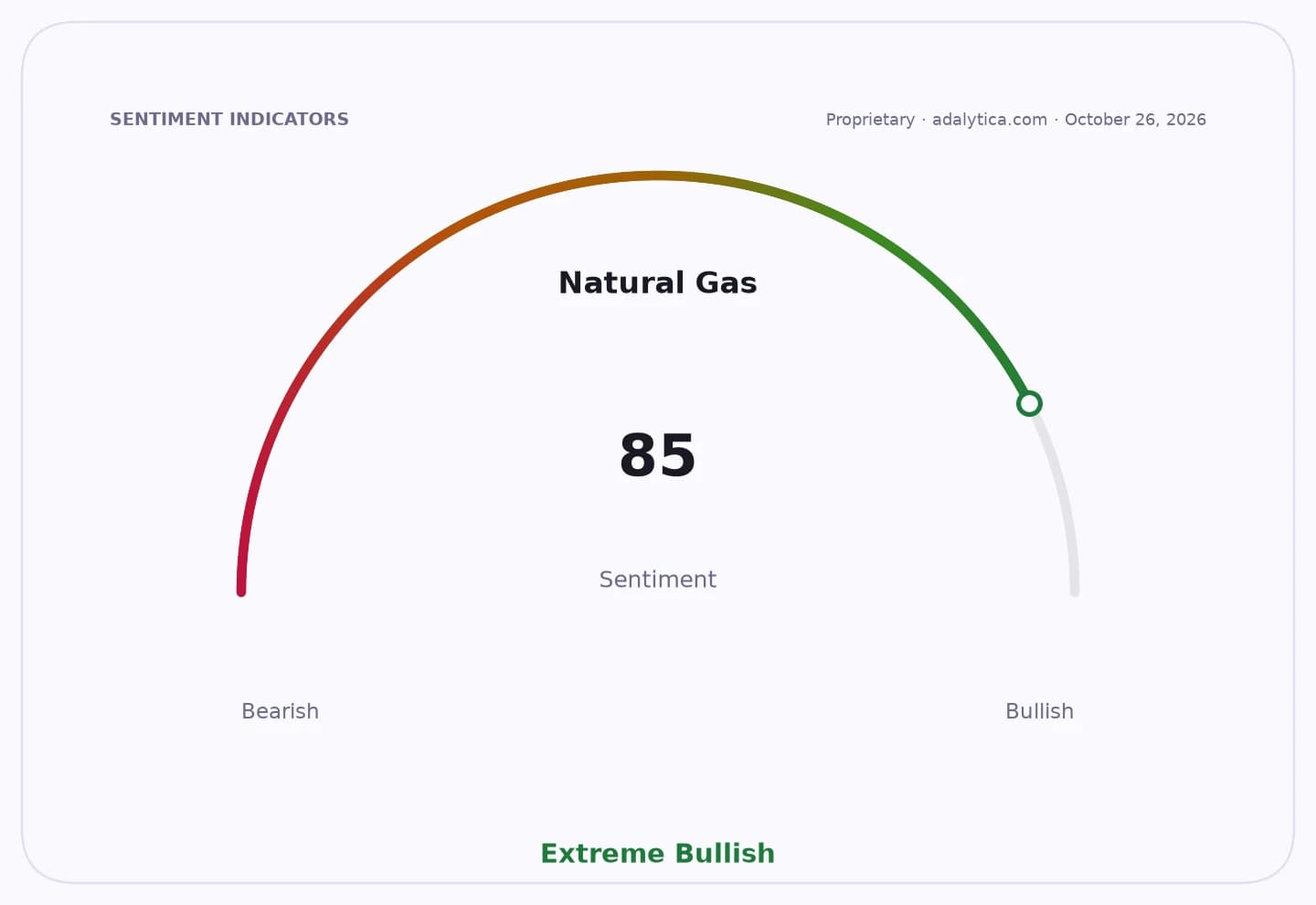
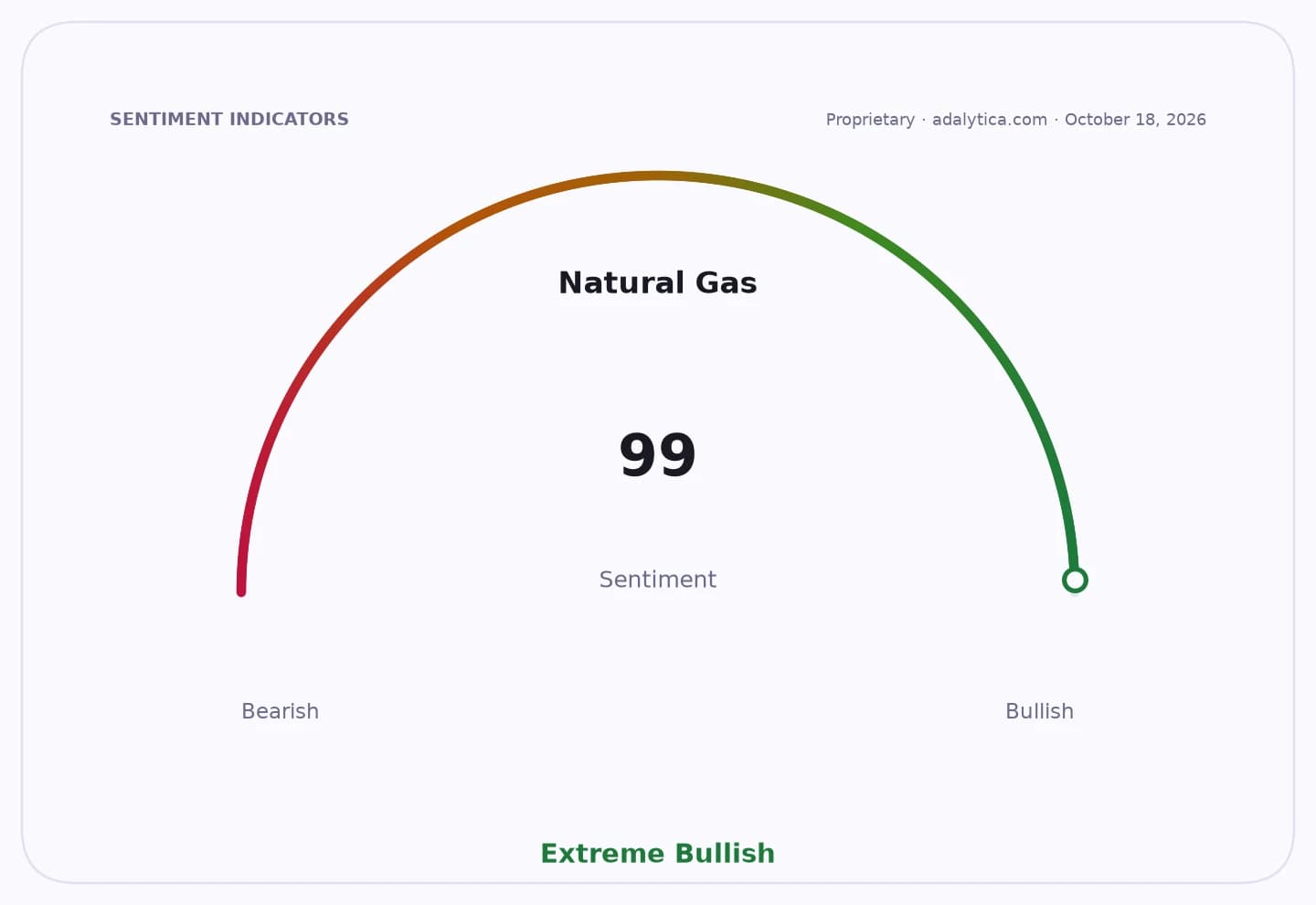
Sentiment Indicators
The two projects, a collaboration involving Eni and Searah, carry a combined investment of about $840 million. JNE-6 is expected to contribute roughly 55 MMSCFD through existing Jangkrik infrastructure, while Maha South Hub is targeted to deliver about 230 MMSCFD from two development wells once full flow begins at the end of October.
The startup lifts production capacity in the FPU Jangkrik area to about 750 MMSCFD from 450 MMSCFD previously, a substantial increase for Indonesia’s gas balance. Officials also want the extra supply to feed a planned petrochemical downstreaming hub in East Kalimantan, a sign the government is trying to turn upstream gas additions into industrial output, jobs and value-added processing rather than exports alone.
For investors, the project underscores that Indonesia is still willing to back large upstream gas developments even as it presses for more domestic allocation. That should help support the long-term case for producers and infrastructure tied to local gas demand, while keeping pressure on buyers that have relied on Indonesian supply flows.
The government’s longer-term goal is to lift output from new blocks in the region to as much as 3,000 MMSCFD by 2028-2029, leaving more room for industrialization, but also creating a tighter policy lens around who gets access to the gas first.
| Entity | Gains | Losses |
|---|---|---|
| Indonesia government | ▲More domestic gas supply | ▼Less export flexibility |
| Eni and Searah | ▲Production ramp and project return | ▼Higher policy scrutiny |
| Local industry in East Kalimantan | ▲Cheaper feedstock access | ▼Export buyers lose priority |
| Regional gas importers | ▲— | ▼Tighter supply availability |