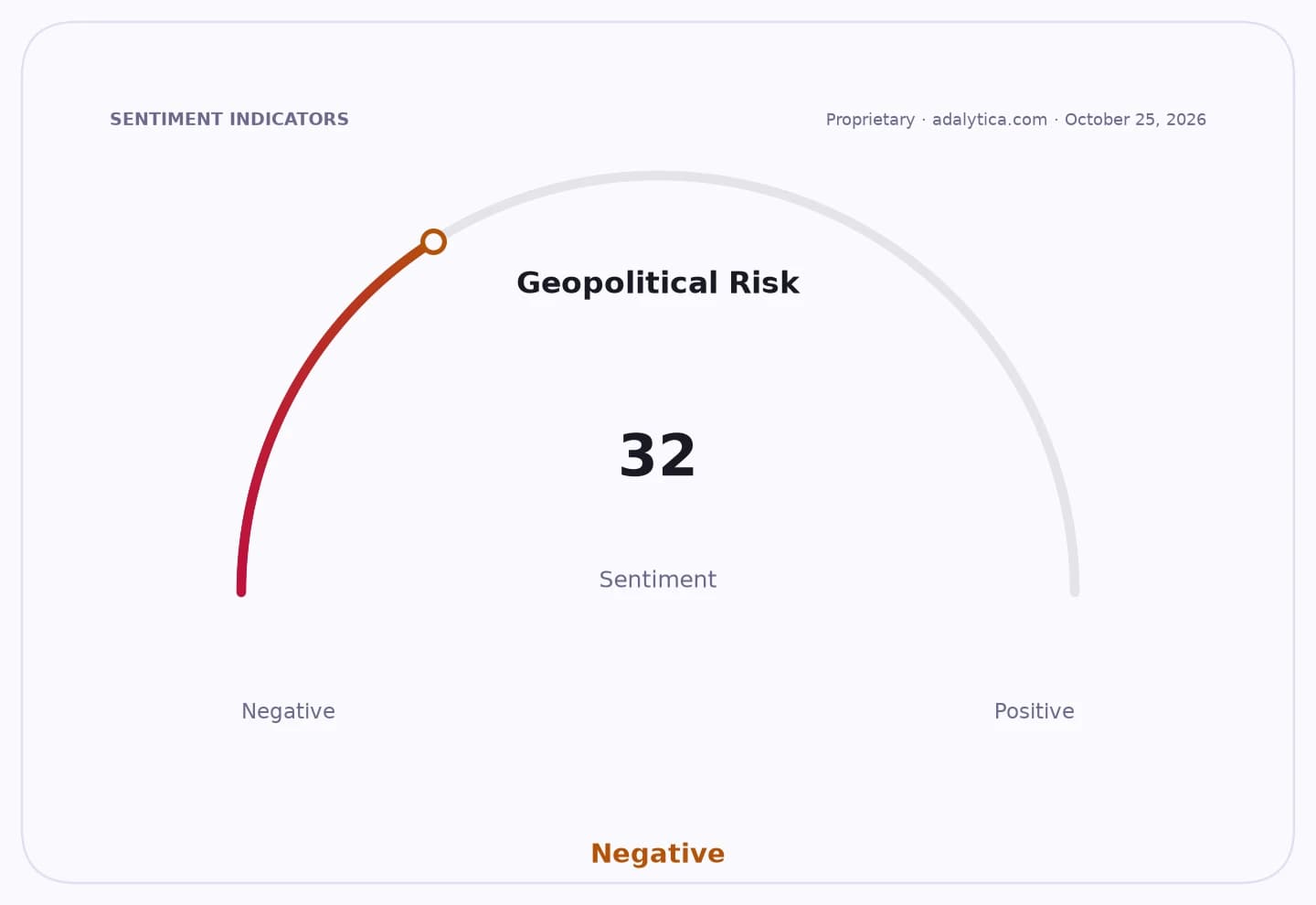
Indonesia’s sudden warning that it may stop gas exports to Singapore could tighten a market already bracing for stronger demand, lifting prices and sharpening the case for producers with secure supply and export exposure.
Indonesia gas export warning hits Singapore supply
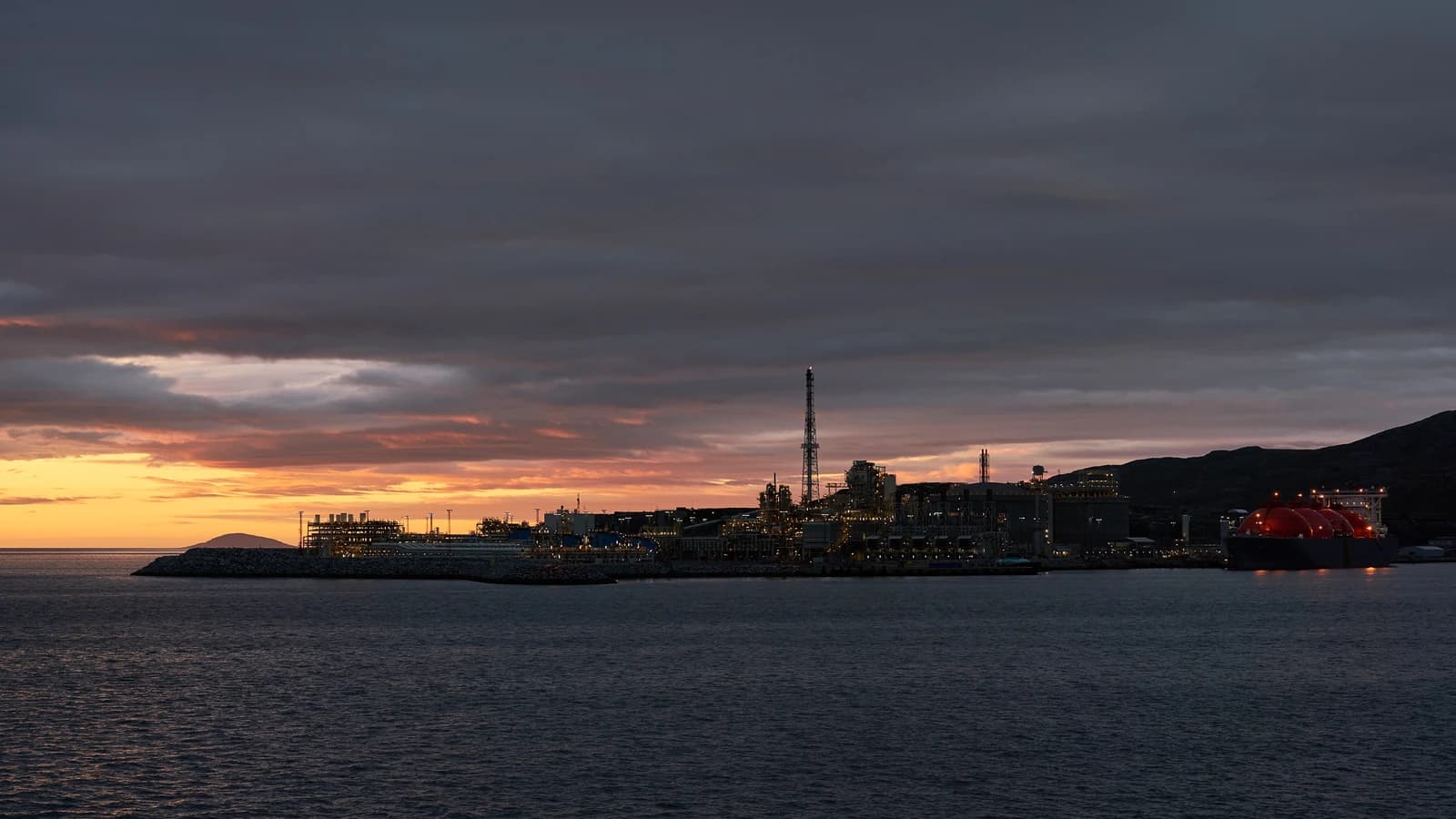
The message from Jakarta matters because Indonesia is not just any supplier: it has historically covered a large share of Singapore’s imported gas needs, with some government data showing almost 60% of Singapore’s gas supply sourced from Indonesia through pipeline contracts. Even a partial interruption would force Singapore to lean harder on alternative imports, spot cargoes and potentially more expensive liquefied natural gas, a shift that would ripple through regional energy costs.
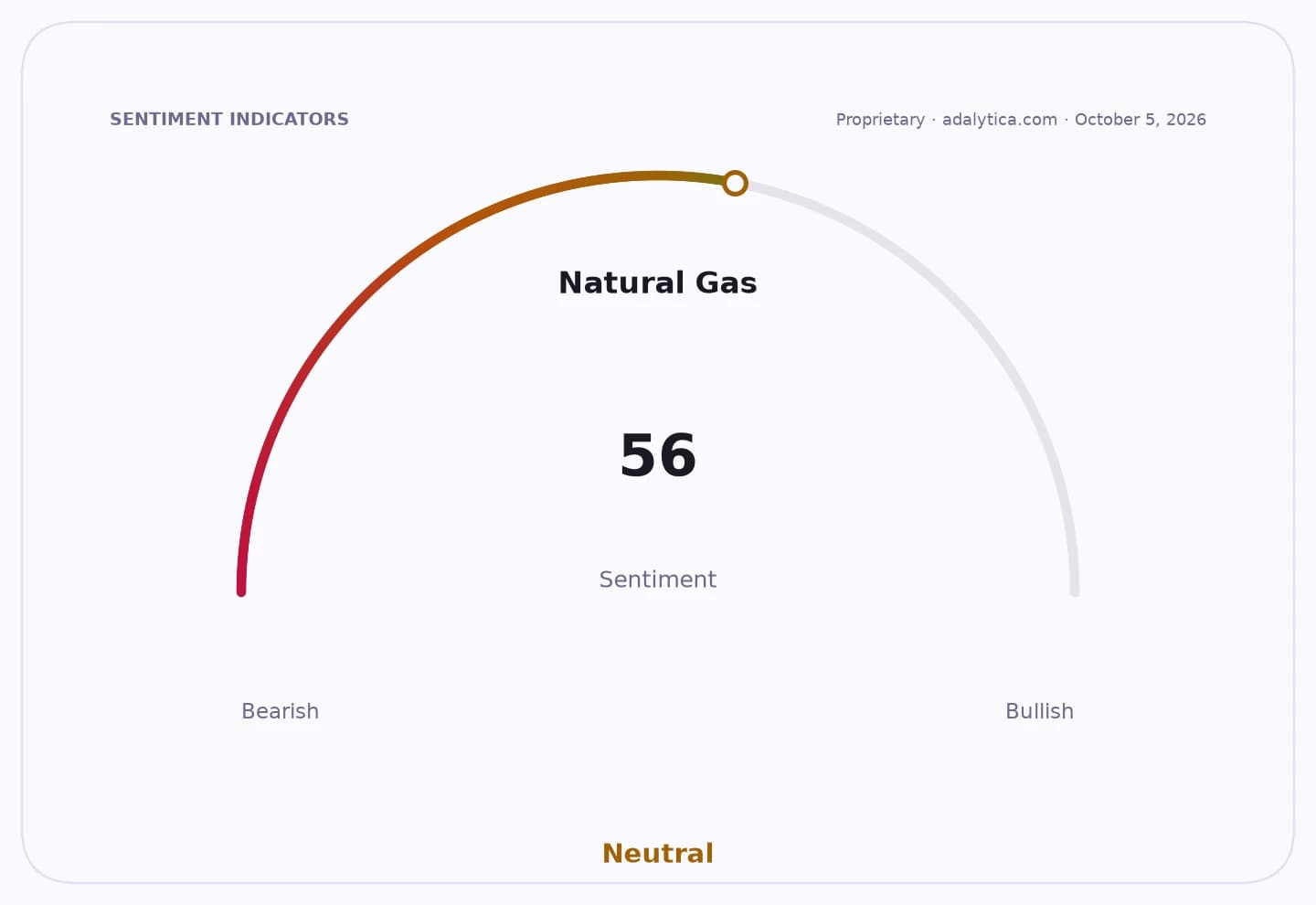
Sentiment Indicators
Natural Gas
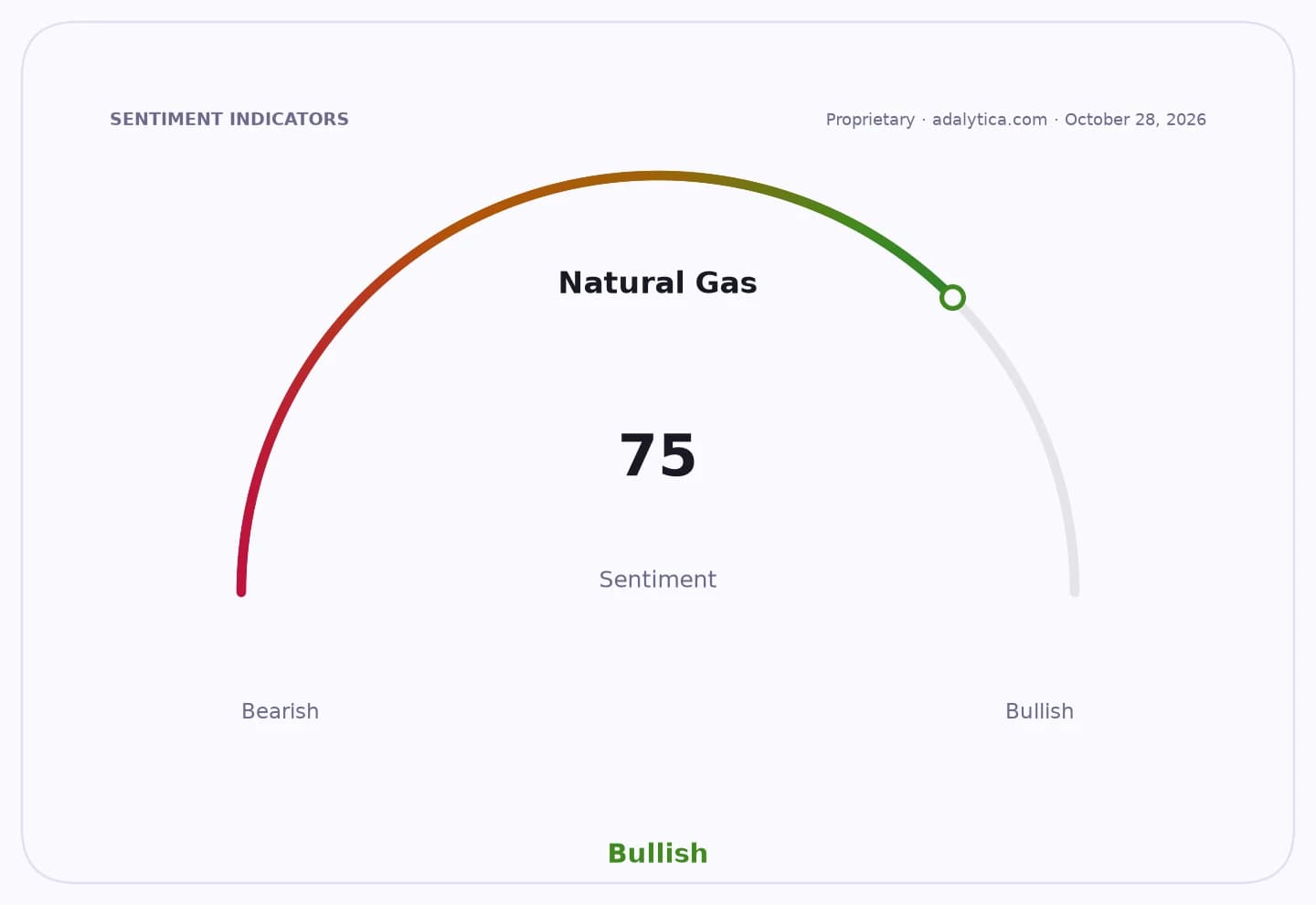
Markets are already sensitive. Front-month U.S. natural gas futures were at 105.258 on the latest forecast, while the UNG ETF closed at $9.62, still below its 50-day moving average of $10.46 and 200-day average of $11.21. That tells you the trade is not yet euphoric in the ETF market even as Adalytica’s natural gas snapshot shows sentiment at 83, labeled greed, with awareness at 99, or extreme greed. In other words, the market is waking up to the risk, but may still be underpricing how quickly policy shocks can move gas balances.
For investors, the bigger story is not just Indonesia’s rhetoric. It is the growing premium on secure, flexible gas supply in a world where geopolitical shocks are colliding with industrial demand. That is bullish for U.S. gas producers, LNG exporters and midstream infrastructure companies that can redirect molecules to the highest-value market. It also reinforces the investment case for energy equities, where the XLE ETF closed at $68.67 and the OIH oil-services ETF finished at $410, both holding above their 50-day averages and signaling that energy capital is still flowing toward supply-side beneficiaries.
Natural Gas
The timing is important because the supply narrative is getting louder just as demand remains durable. Indonesia says it may prioritize domestic needs and “survival” over exports, and that fits a broader pattern of governments treating energy as a strategic asset rather than a purely commercial one. Singapore, which relies heavily on imported gas, would be pushed to diversify supply even further. That creates a tailwind for LNG shipping, regasification, trading and upstream projects in North America and elsewhere that can fill the gap.
The market underestimates how fast these policy shifts can reprice gas-linked assets. If Jakarta truly curbs exports, the winners are producers and infrastructure owners with export optionality; the losers are import-dependent buyers and power systems forced into pricier replacements. For investors, the asymmetric trade is to own the bottlenecks, not the buyers. EQT-style gas consolidation, LNG exporters and pipeline operators stand to benefit if more countries follow Indonesia’s lead and put domestic energy security ahead of legacy export deals.
| Entity | Gains | Losses |
|---|---|---|
| U.S. gas producers | ▲Higher export pricing power | ▼Domestic oversupply risk |
| LNG exporters | ▲More cargo demand | ▼Volatile policy headlines |
| Singapore utilities/importers | ▲Diversification urgency | ▼Higher replacement costs |
| Indonesia government | ▲Domestic energy security | ▼Export revenue risk |