Indonesia's long-delayed oil and gas overhaul is nearing the finish line, with the government saying the draft is more than 90% complete and will move forward once parliament returns from recess.
Indonesia oil and gas bill nears final approval
The legislation matters because it could reshape how Indonesia manages upstream investment, production targets and energy security at a time when the country is trying to lift domestic output and reduce reliance on imported crude. A clearer legal framework would also matter for the pace of new drilling, contract certainty and the appetite of local and foreign investors to commit capital to the sector.
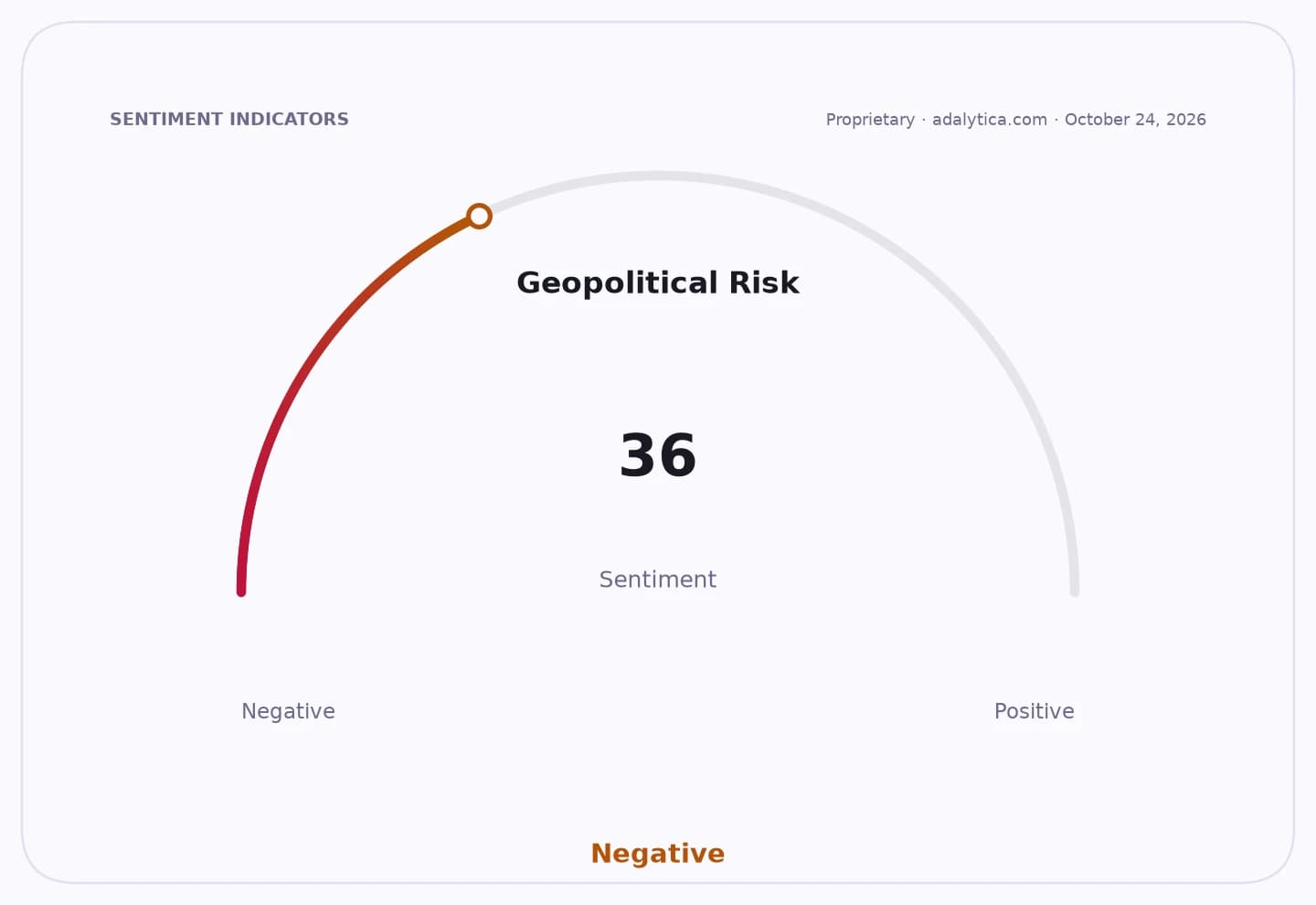
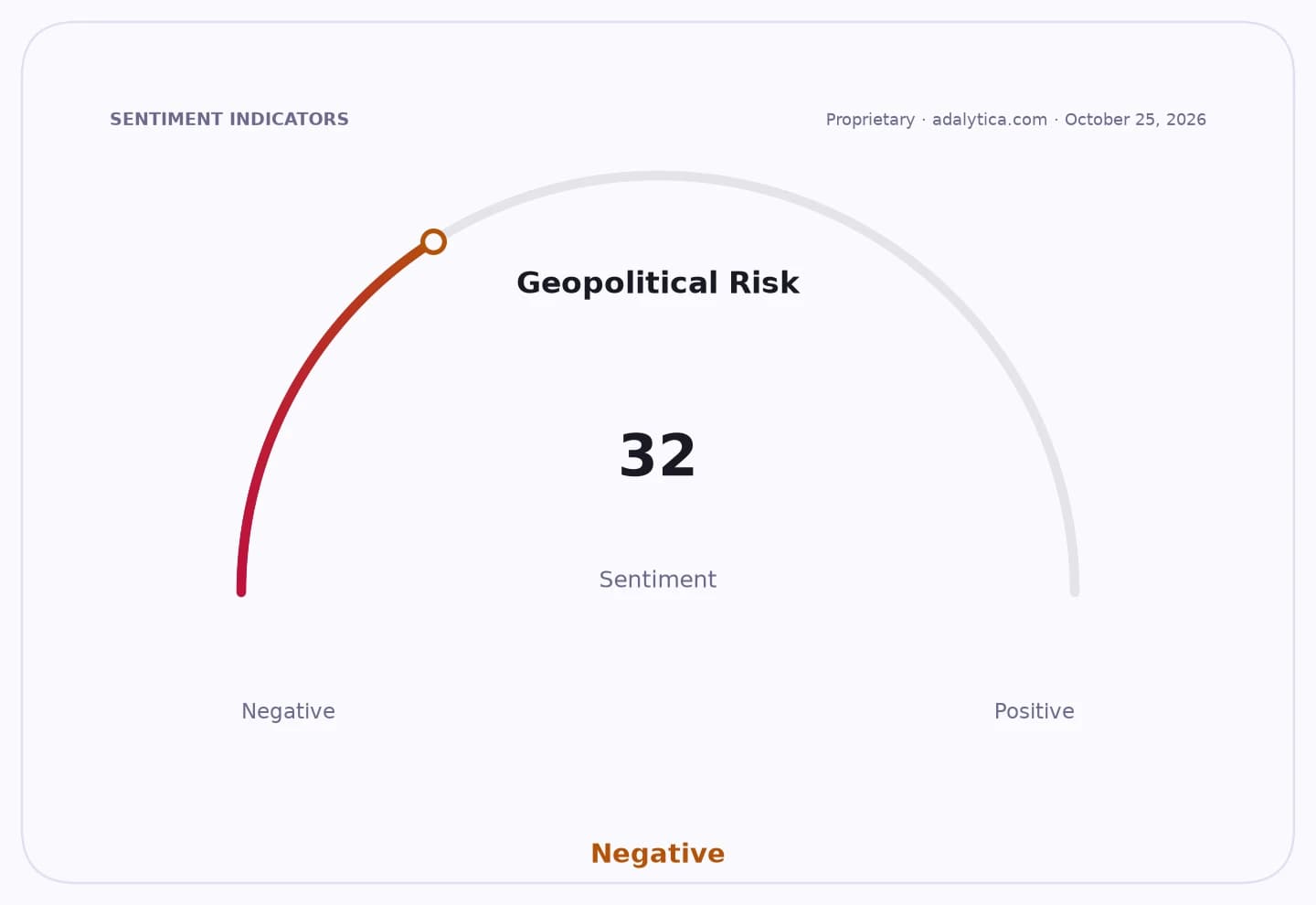
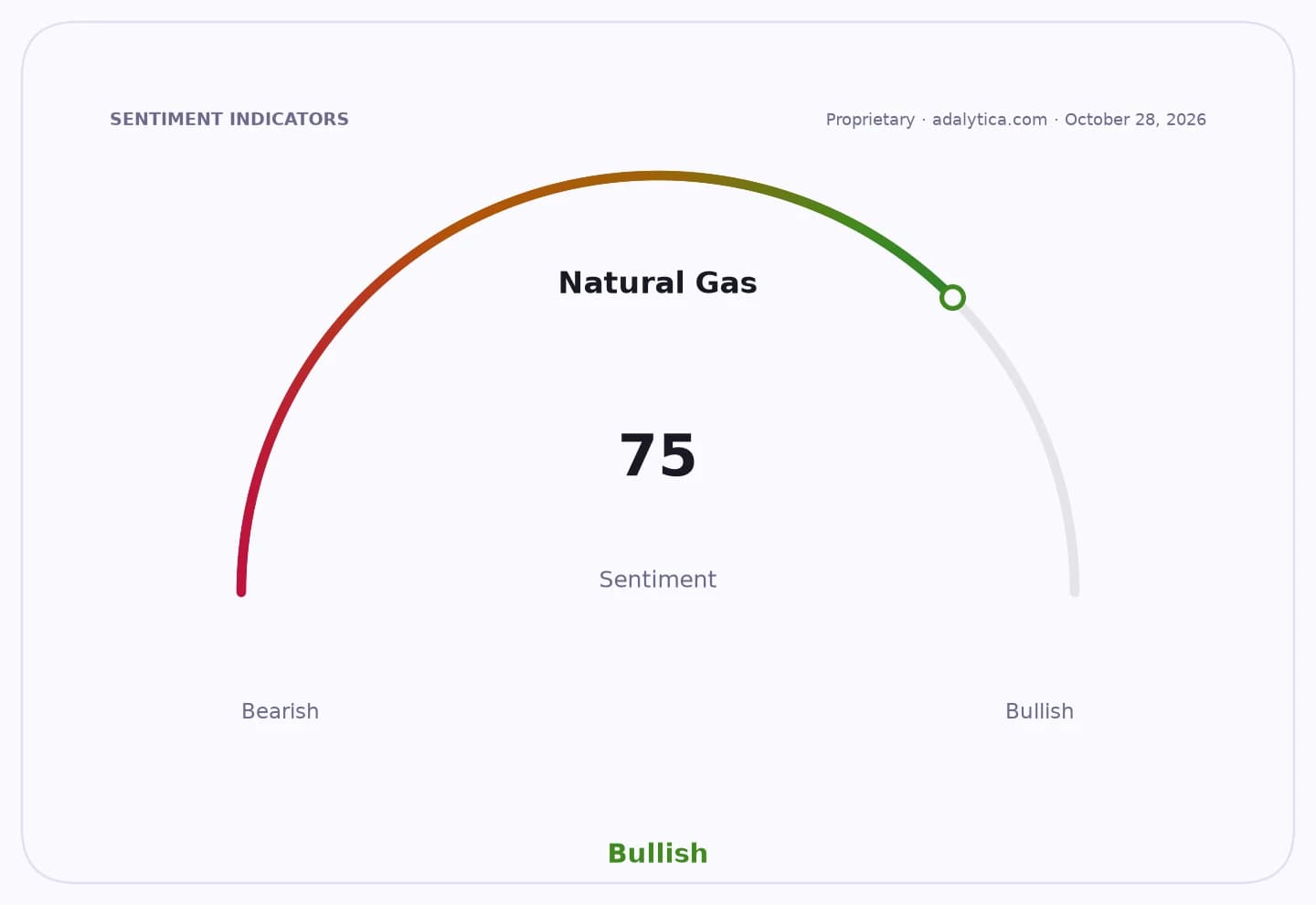
Sentiment Indicators
Energy Minister Bahlil Lahadalia said on Thursday the government is waiting for the House of Representatives, or DPR, to end its recess before continuing talks on the bill. He said the bill, which was initiated by lawmakers, has already been discussed through its problem inventory list, known locally as DIM, and is nearly finished.
"RUU Migas, kita sudah hampir selesai. Sekarang DPR juga masih reses. Kita sudah hampir selesai, insyaallah sudah di atas 90 persen," Bahlil said at the RDMP Balikpapan refinery project in East Kalimantan.
Deputy Energy Minister Yuliot Tanjung had earlier said the government aimed to wrap up its side of the DIM discussion by Oct. 22 and submit it to President Prabowo Subianto. He said the work involves several ministries, including investment, law and the state secretariat, underscoring that the bill has become a cross-government priority rather than a narrow energy ministry file.
For investors, the key question is whether the bill delivers a more predictable regulatory regime for Indonesia's oil and gas industry, which has long struggled with declining output and the need to attract upstream spending. That is especially relevant for companies with exposure to Indonesian hydrocarbons, as well as suppliers and service firms that benefit from a stronger investment cycle.
The timing also aligns with Jakarta's wider energy push, including efforts to strengthen upstream oil and gas investment and secure more crude through international deals. Any faster path to legal reform could help the government convert those ambitions into projects, permits and eventually barrels.
The next catalyst is political rather than technical: the bill now depends on how quickly the DPR resumes work and whether lawmakers can preserve the current level of progress into formal debate. If the process stays on track, the market will be watching for signs the new framework can be finalized this year.
| Entity | Gains | Losses |
|---|---|---|
| Indonesia government | ▲Faster energy policy rollout | ▼Delays from legislative recess |
| Upstream investors | ▲Clearer legal framework | ▼Regulatory uncertainty |
| Domestic oil producers | ▲Better project visibility | ▼Slow reform process |
| Oil importers | ▲Potentially stronger local supply | ▼Continued reliance on imports |