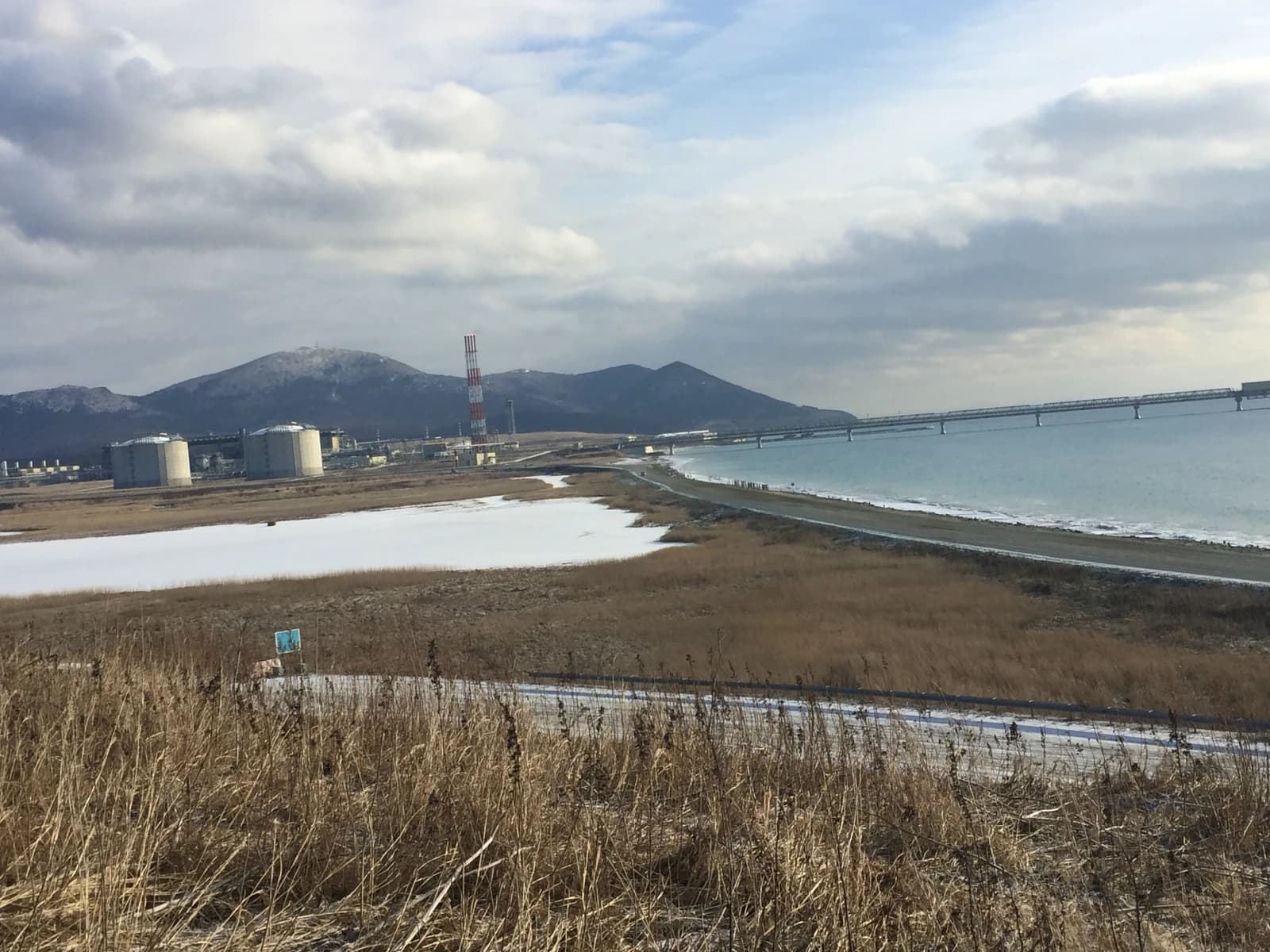
Timor-Leste President José Ramos-Horta is doubling down on gas exploration, saying revenues from offshore projects including Greater Sunrise are needed to bankroll the country’s shift to renewables and keep the economy afloat.
Timor-Leste Gas Plan Centers on Greater Sunrise Deal
That puts one of the Pacific’s poorest nations squarely in the middle of a growing global debate: whether fossil-fuel income can legitimately finance a cleaner future, or whether developing countries are being asked to move too fast without the money to do it. For investors, it reinforces the view that gas remains a politically durable transition fuel, especially where governments face high fuel costs, limited fiscal room and slow-moving climate finance.
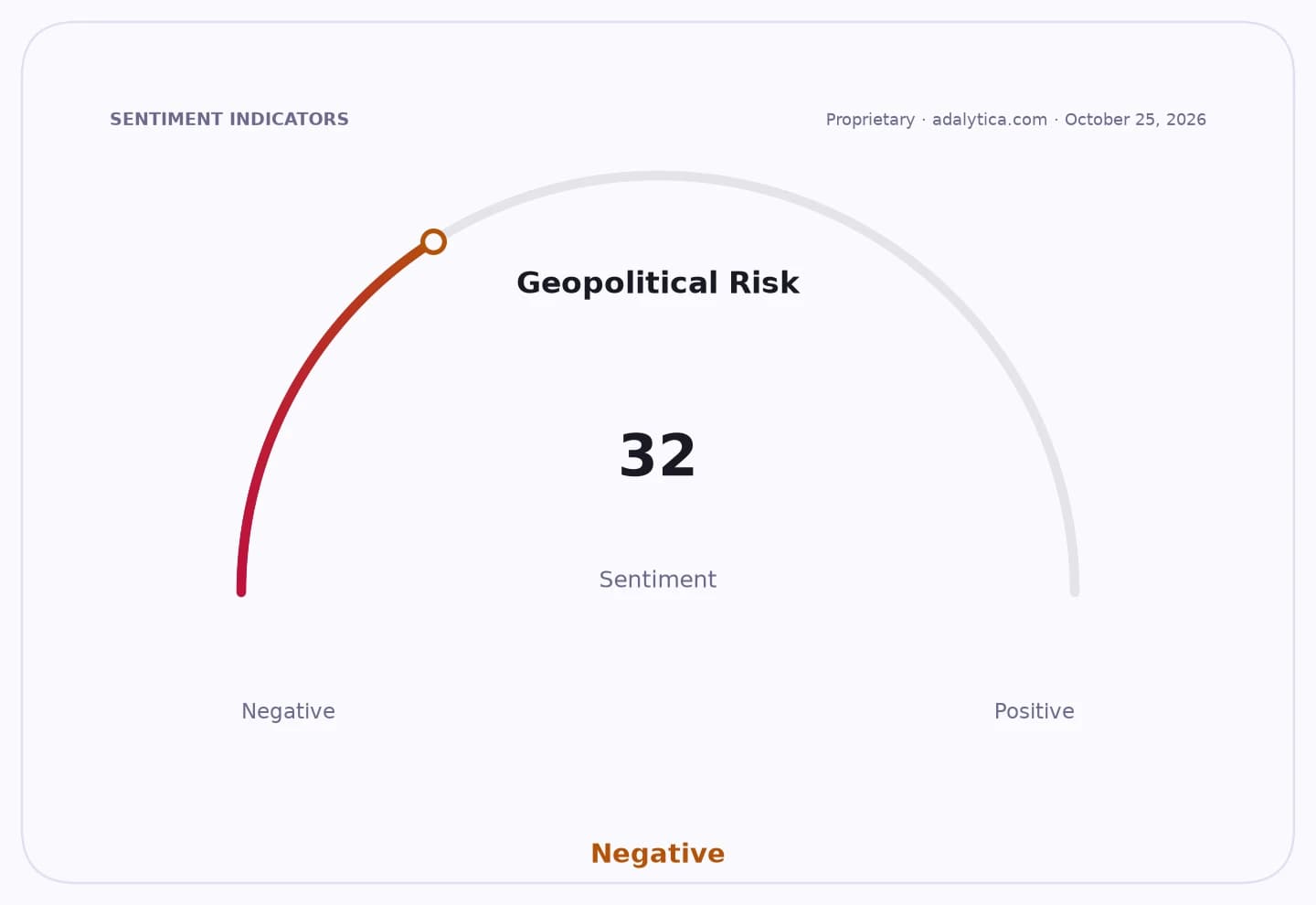
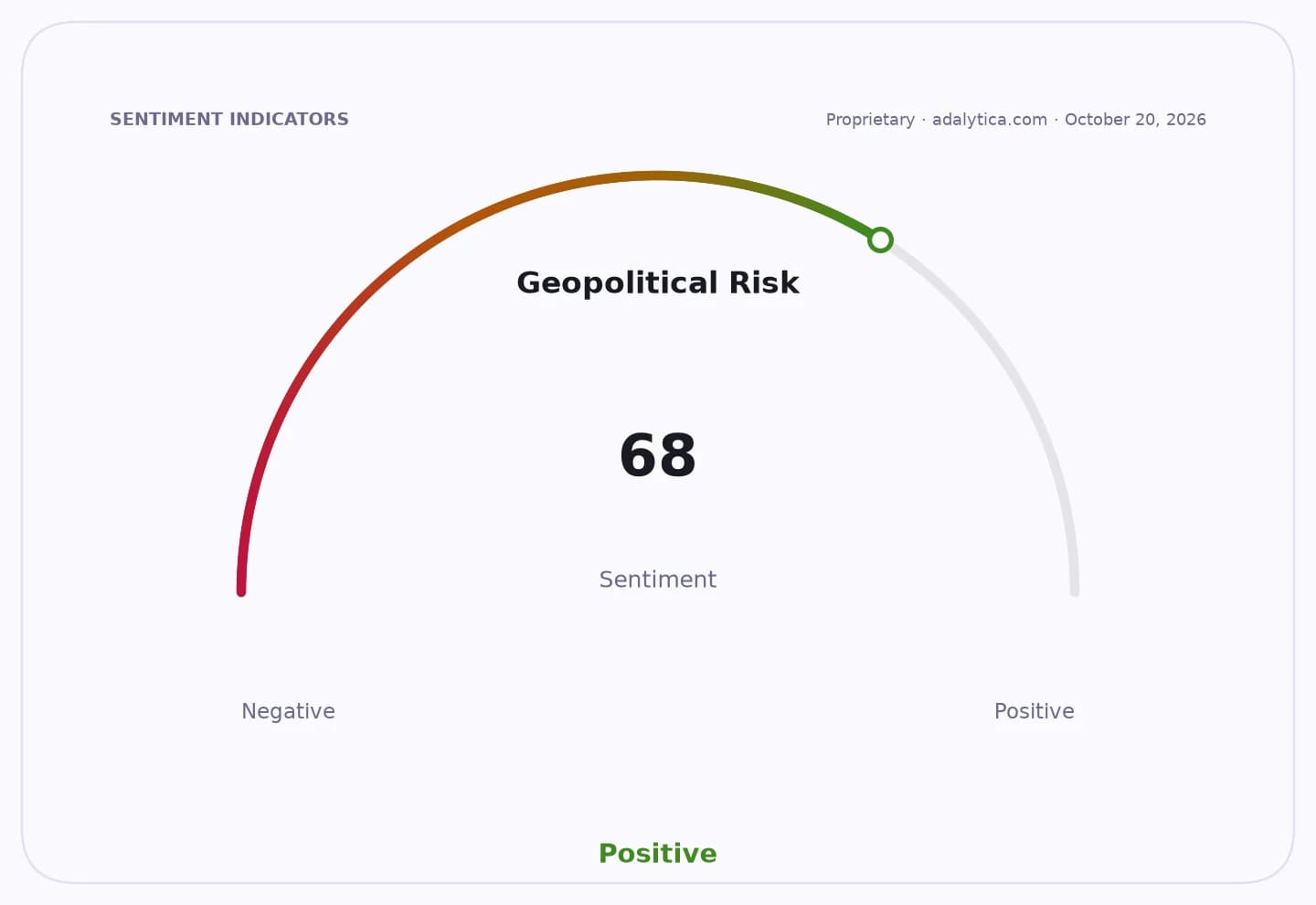
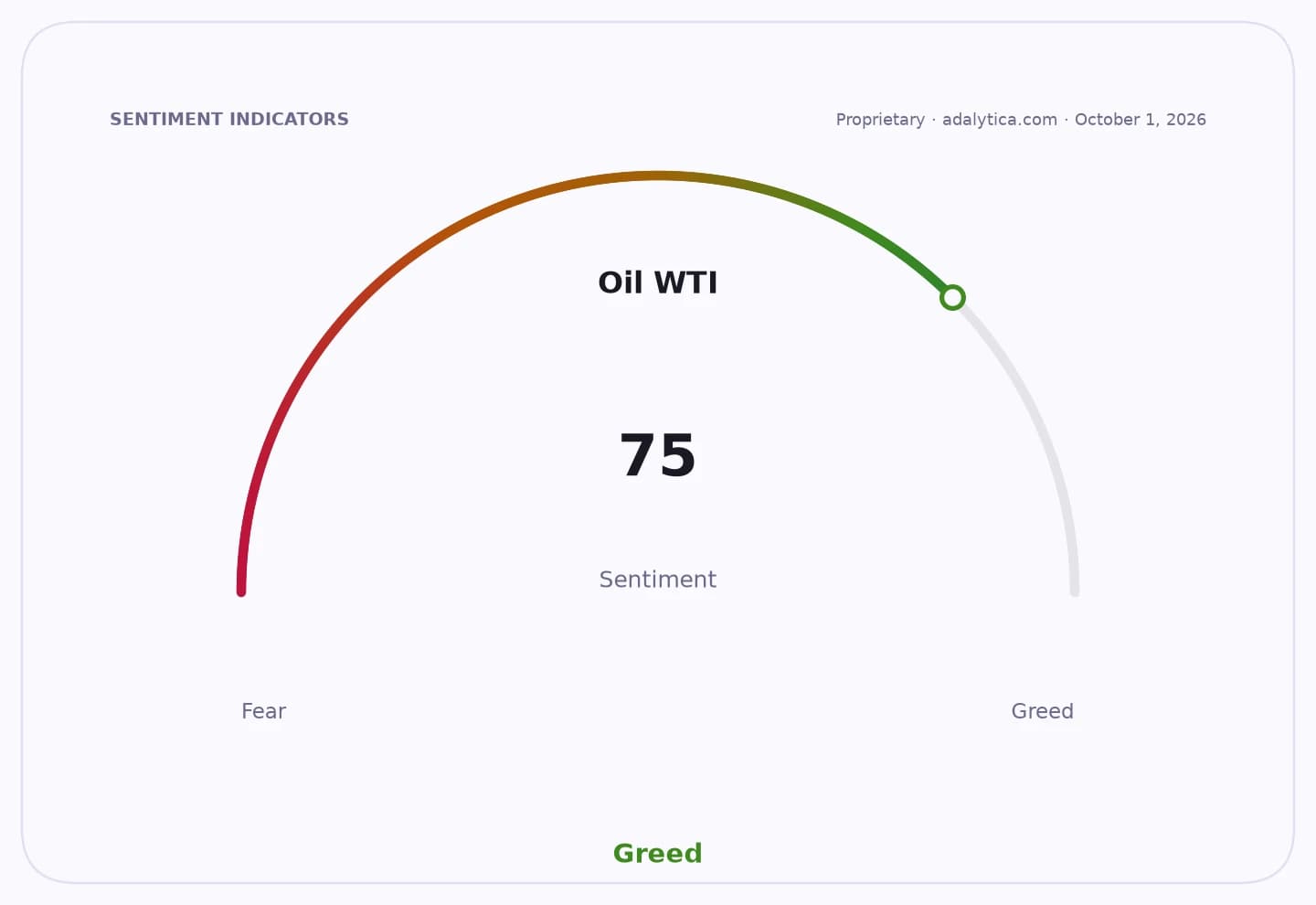
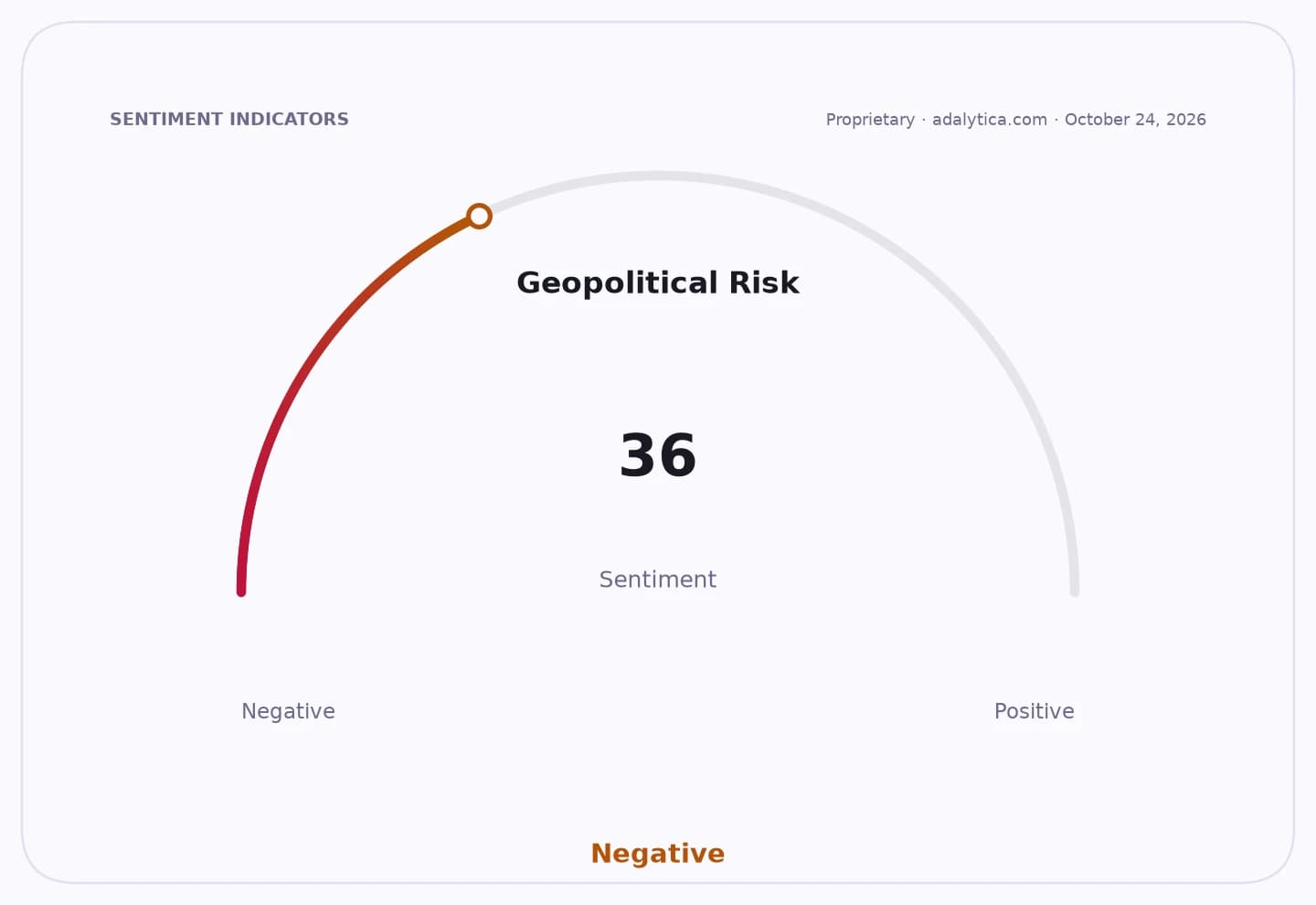
Sentiment IndicatorsⓘProprietary · adalytica.com · October 24, 2026
This is a snapshot — live sentiment, awareness and momentum for 130+ markets update continuously in the dashboard.Open AlphaPulse
Ramos-Horta said Timor-Leste is close to finalizing a new agreement with Woodside Energy and the Australian government, though he did not give a timeline. The president framed the deal as central to economic sustainability, arguing that fossil-fuel receipts remain essential while multilateral climate funding can take up to four years to arrive.
The comments also underline the tension in Timor-Leste’s energy strategy. The country already has 100% electrification, Ramos-Horta said, but relies heavily on expensive diesel, which weighs on competitiveness and leaves the economy vulnerable to import costs. In parallel, the government is advancing renewable projects, including a $100 million solar scheme with EDF and Japanese partners that is expected to supply electricity to 100,000 households.
For energy companies and investors exposed to upstream gas, the message is that political support for development remains intact in resource-rich emerging markets even as climate rhetoric hardens. For climate financiers and development lenders, the speech is a reminder that bureaucratic delays in funding can push poorer countries to keep leaning on hydrocarbons longer than planned.
The broader implication is that Timor-Leste’s transition will likely be incremental, not abrupt, with gas revenues intended to bridge the gap between present fiscal needs and future clean-energy spending. The next catalyst is the expected Woodside-Australia-Timor-Leste agreement, which could clarify whether the Greater Sunrise project moves closer to monetization.
| Entity | Gains | Losses |
|---|---|---|
| Timor-Leste government | ▲Future fiscal revenue | ▼Near-term transition purity |
| Woodside Energy | ▲Project momentum | ▼Regulatory/negotiation risk |
| Renewable developers | ▲Funding commitment | ▼Slower capital deployment |
| Climate lenders | ▲Long-term transition role | ▼Credibility on fast financing |