Geopolitical risk around the Strait of Hormuz and Bab al-Mandeb is again exposing how vulnerable the world’s fuel system is — and why Bangladesh’s energy strategy now has to be treated as a macroeconomic defense plan, not just a utility issue.
Bangladesh Energy Strategy After Hormuz Risk
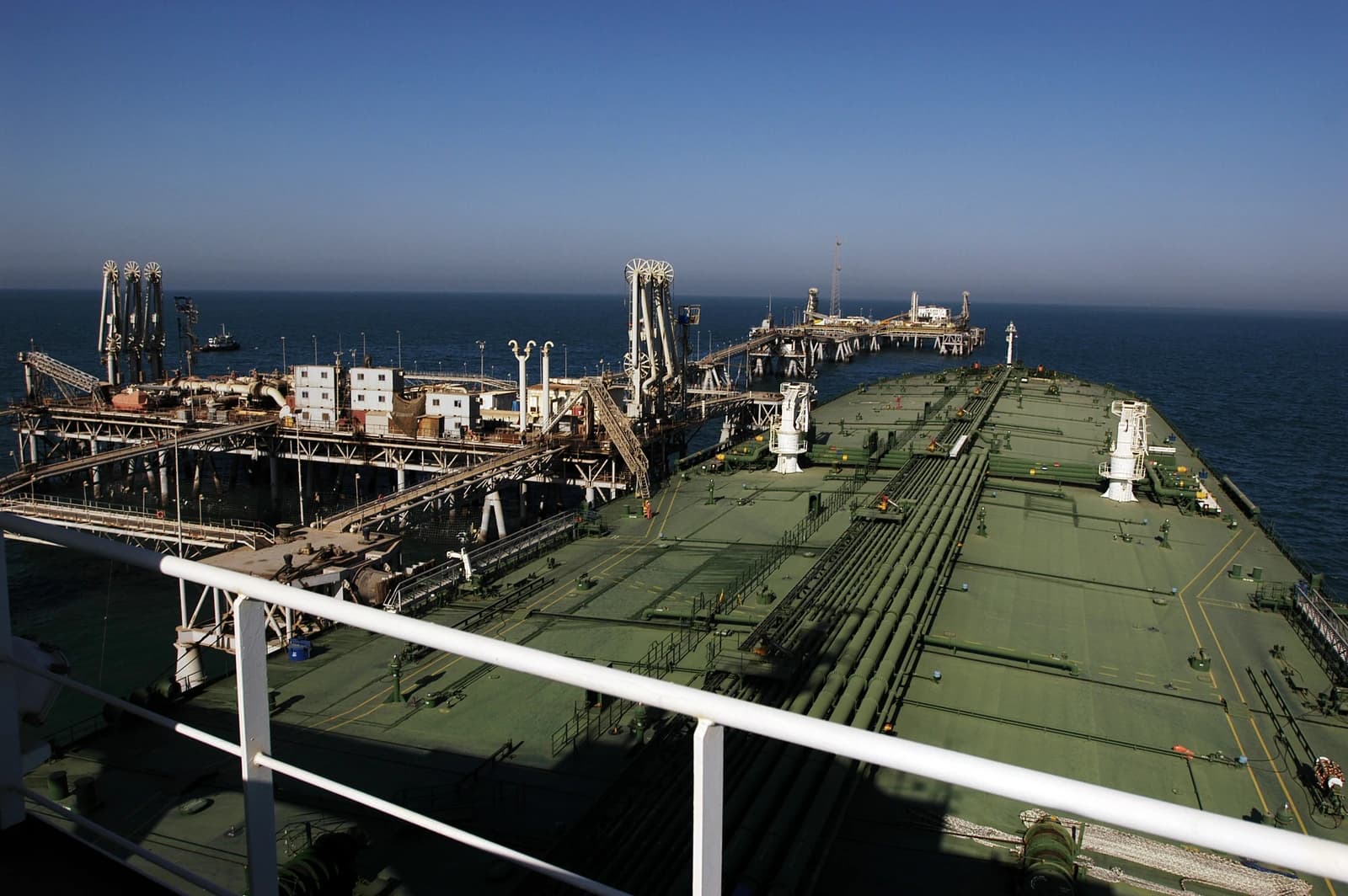
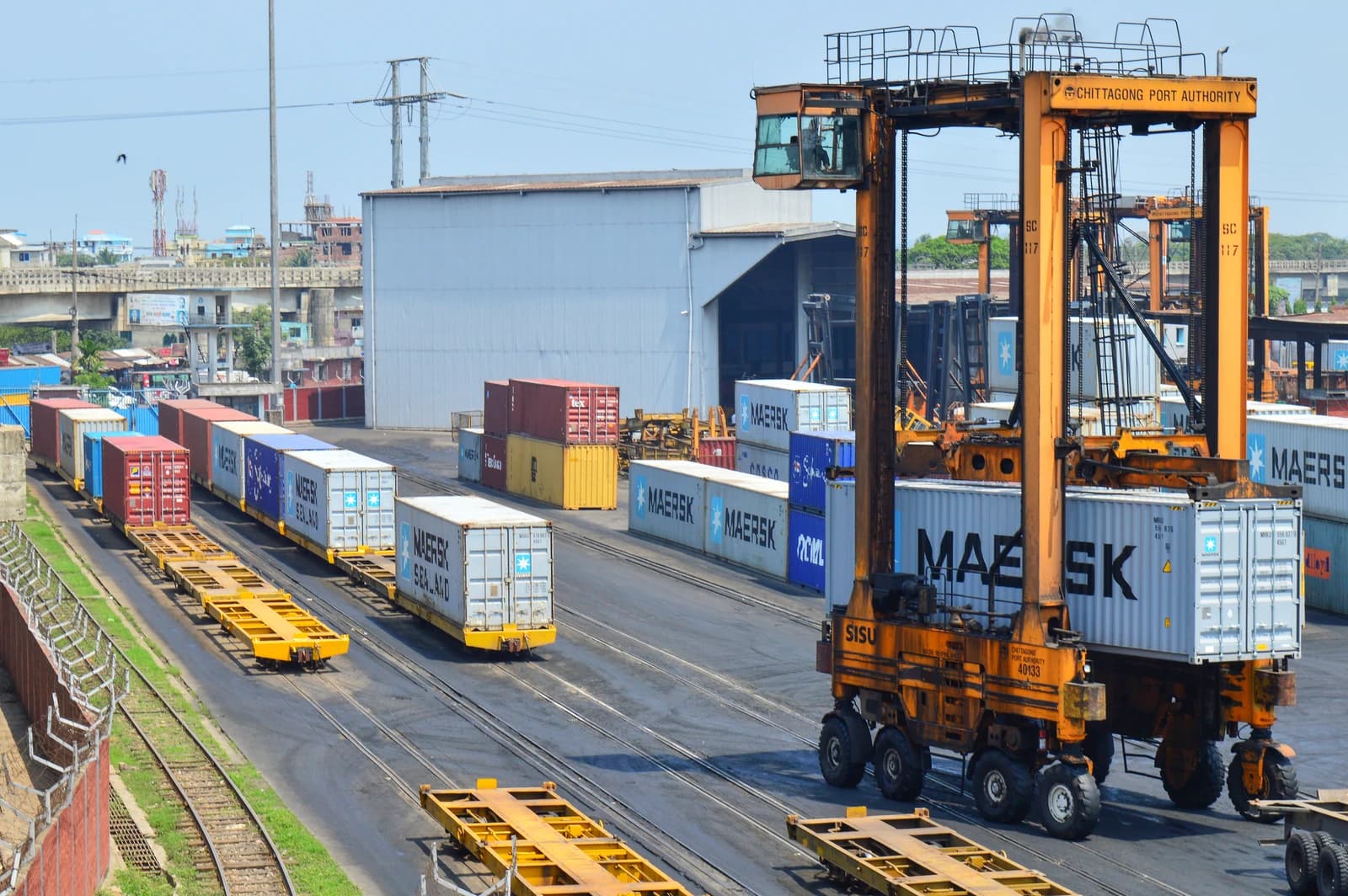
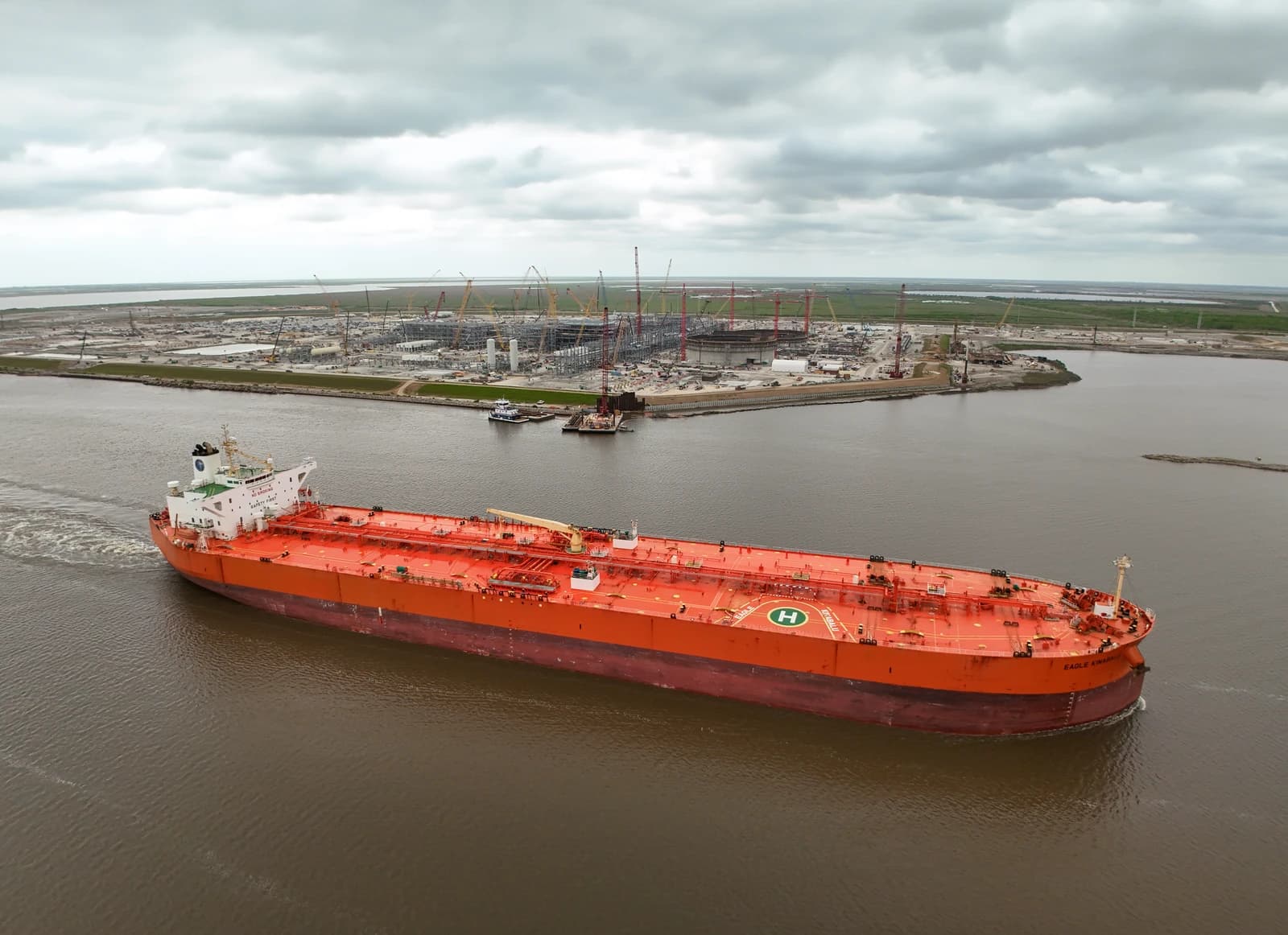
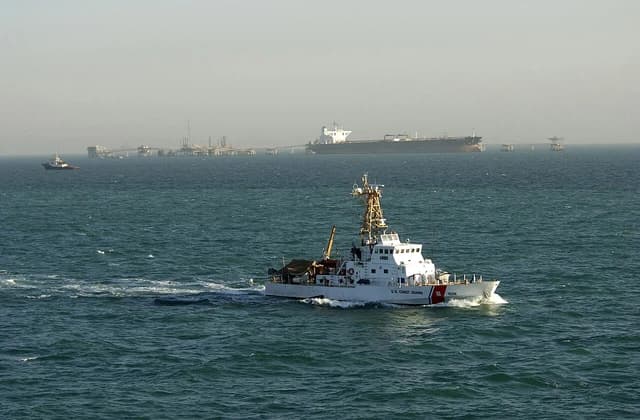
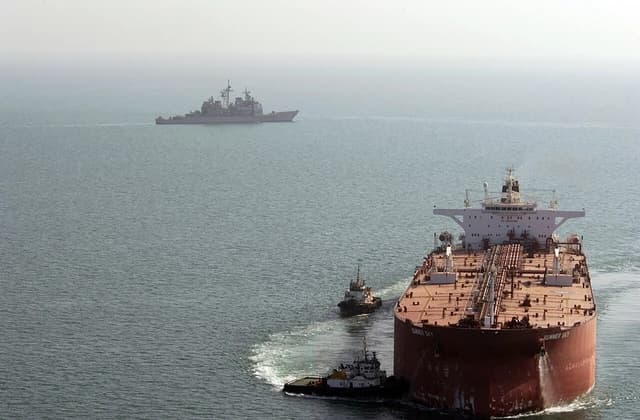
That matters because these two chokepoints move a huge share of global energy trade. The data show about 20.5 million barrels a day, or roughly one-fifth of world oil use, passes through Hormuz, while another 8.8 million barrels a day flows through Bab al-Mandeb. When those routes are threatened, freight costs rise, insurers reprice risk, and import-dependent economies absorb the bill first through dearer fuel and then through pressure on foreign-exchange reserves, industrial output and power supply.
Sentiment IndicatorsⓘProprietary · adalytica.com · October 23, 2026
This is a snapshot — live sentiment, awareness and momentum for 130+ markets update continuously in the dashboard.Open AlphaPulse
Markets are already pricing that risk. Brent has pushed above $105 a barrel in the latest supply shock narrative, and U.S. crude has moved back above $103, with the standard technical indicators showing momentum remains firm: WTI is trading above its 50-day and 200-day moving averages, while RSI readings are elevated, reflecting stretched but still bullish price action. That is the classic signature of a geopolitical premium, not a demand-led move, and it tends to hit net importers hardest.
For Bangladesh, the implications are immediate. Higher oil and LNG costs widen the import bill, strain reserves and complicate industrial planning at a time when factories need reliable power and transport fuel. The country’s vulnerability is not just the price of a barrel; it is the lack of flexibility in how that barrel arrives. That is why the comparison with Saudi Arabia matters. Riyadh’s East-West pipeline and alternate export routes show the value of redundancy: when one corridor is under pressure, another can keep supply moving and market confidence intact.
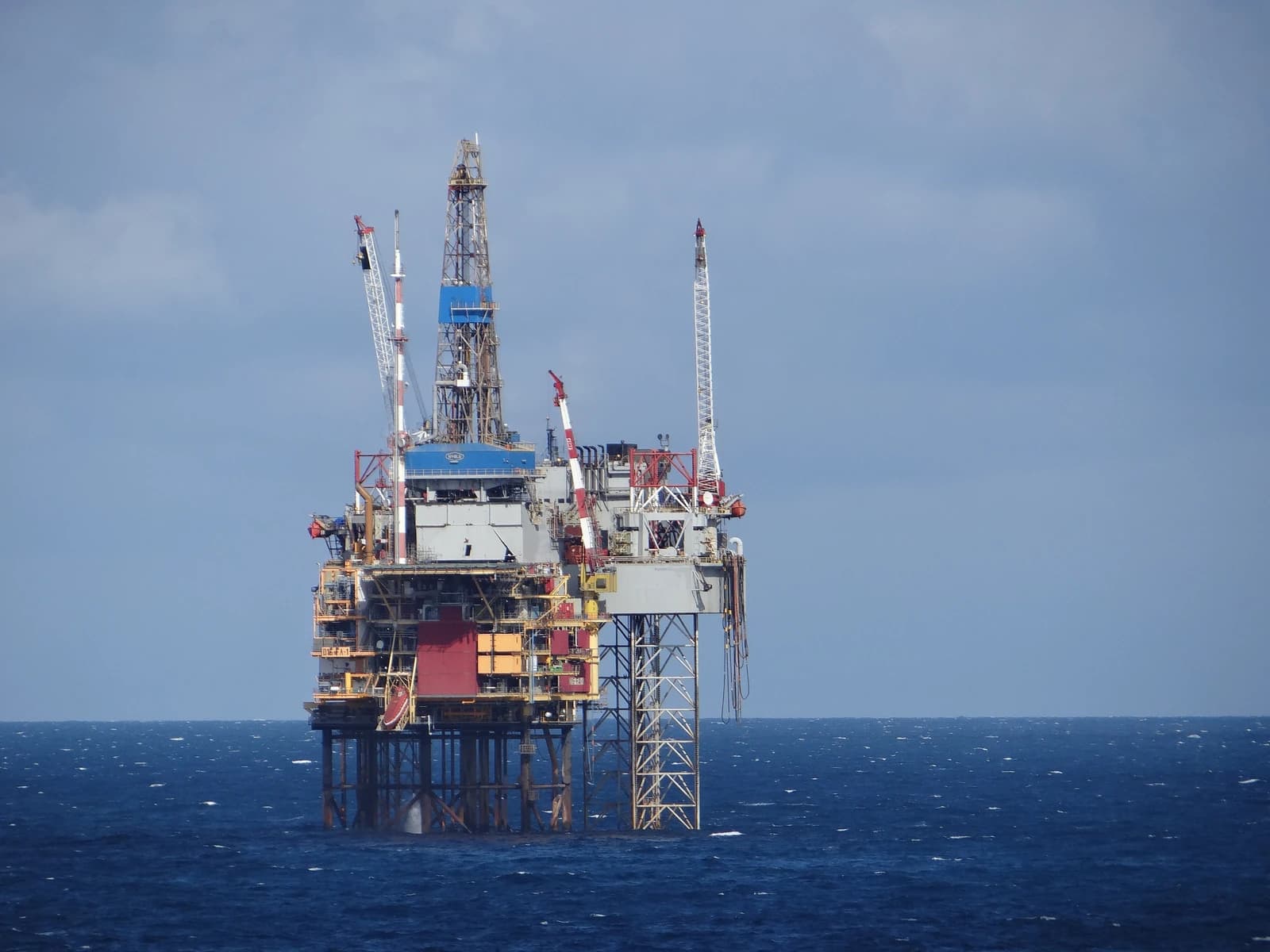
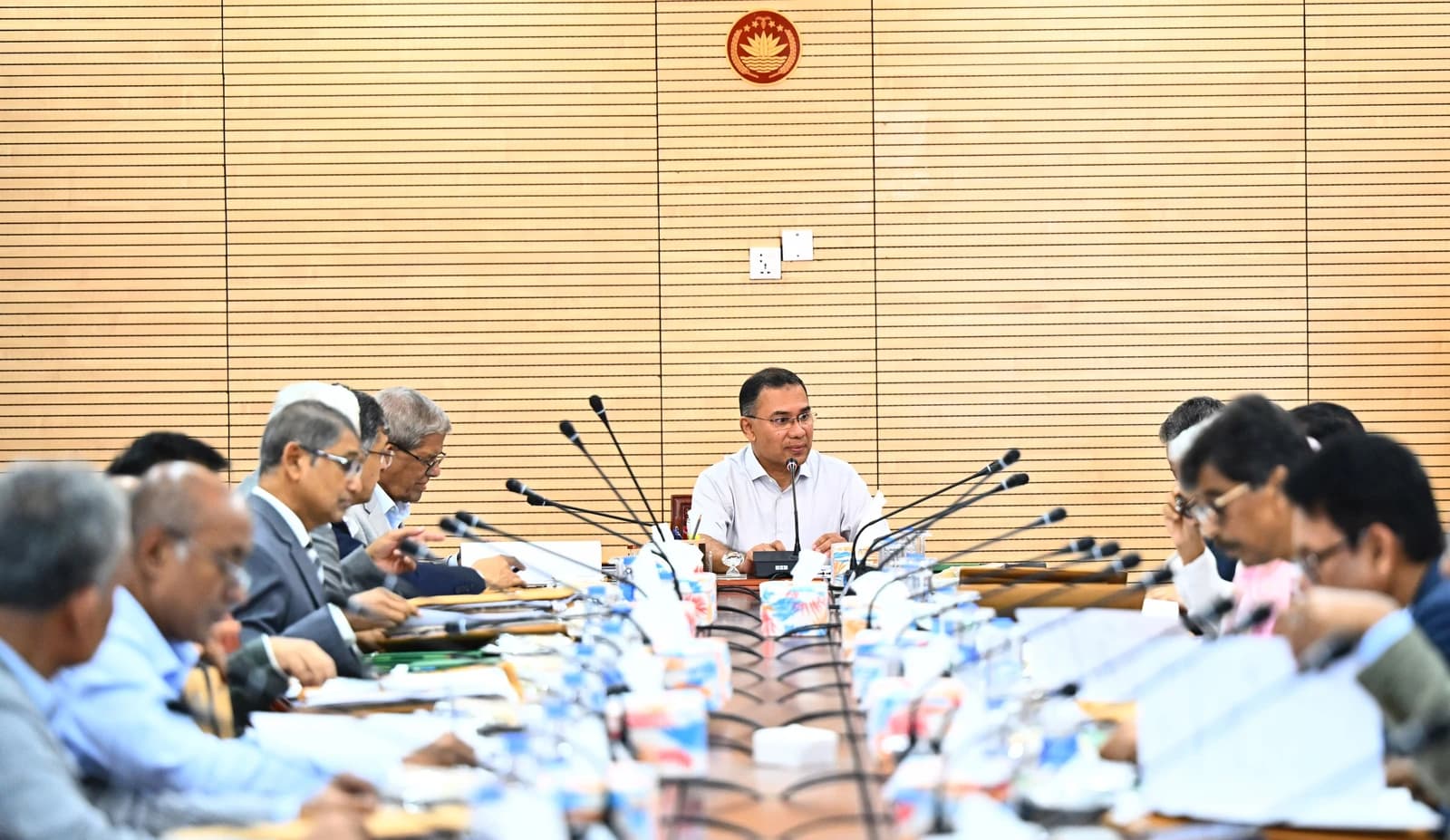
Bangladesh does not have that luxury yet, which is why the policy response has to be broader than simply buying from more suppliers. The government’s focus on domestic gas exploration, reserve protection, long-term planning and renewable energy is the right framing, and it is also where investors should look for the second-order winners. A push to add 55 million cubic feet a day from new wells by June, along with seismic work and a revised production-sharing model, would support local gas service providers, drilling contractors, grid equipment suppliers and utility-linked infrastructure names over time.
The bigger opportunity, in our view, is that this shock strengthens the investment case for energy self-reliance across South Asia. Countries that can cut dependence on vulnerable sea lanes, localize gas production, and build grid flexibility will deserve a valuation premium. That opens the door for renewable developers, LNG infrastructure, storage, and smart-grid technology providers — especially those able to partner with Gulf capital. Saudi Arabia’s willingness to back alternative transport systems and energy flexibility also makes it a strategic counterpart for Bangladesh, whether through long-term fuel contracts, infrastructure investment or clean-energy collaboration.
The next catalyst is whether this tension eases or escalates. If it worsens, oil and shipping costs can stay elevated long enough to force policy changes in import-dependent economies. If it stabilizes, the market will still have learned the same lesson: resilience is now a tradable asset. Bangladesh should act accordingly, and investors should position for the companies that make energy systems harder to break.
| Entity | Gains | Losses |
|---|---|---|
| Saudi Arabia | ▲Strategic leverage | ▼Hormuz dependence |
| Bangladesh | ▲Energy diversification push | ▼FX reserves, importers |
| Oil producers | ▲Higher realized prices | ▼Fuel consumers |
| Renewable and grid suppliers | ▲New investment demand | ▼Fossil-heavy incumbents |