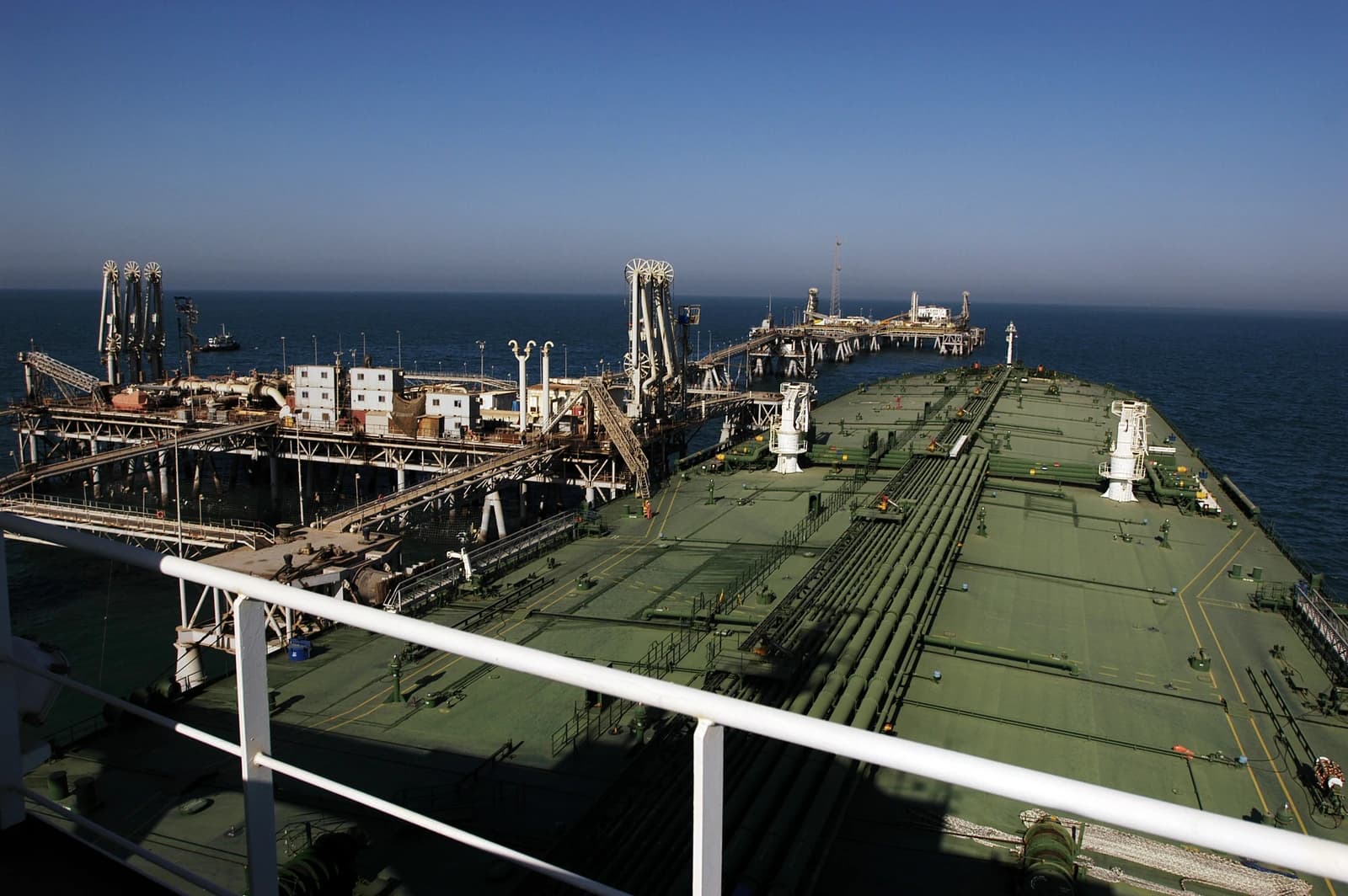
Bangladesh’s chance to turn the Bay of Bengal’s strategic rise into economic gain is being tested just as a new low-pressure system threatens heavy rain, disruption and a reminder of how exposed the country’s coast remains to climate and maritime shocks.
Bangladesh Bay of Bengal Trade Hub and Climate Risk
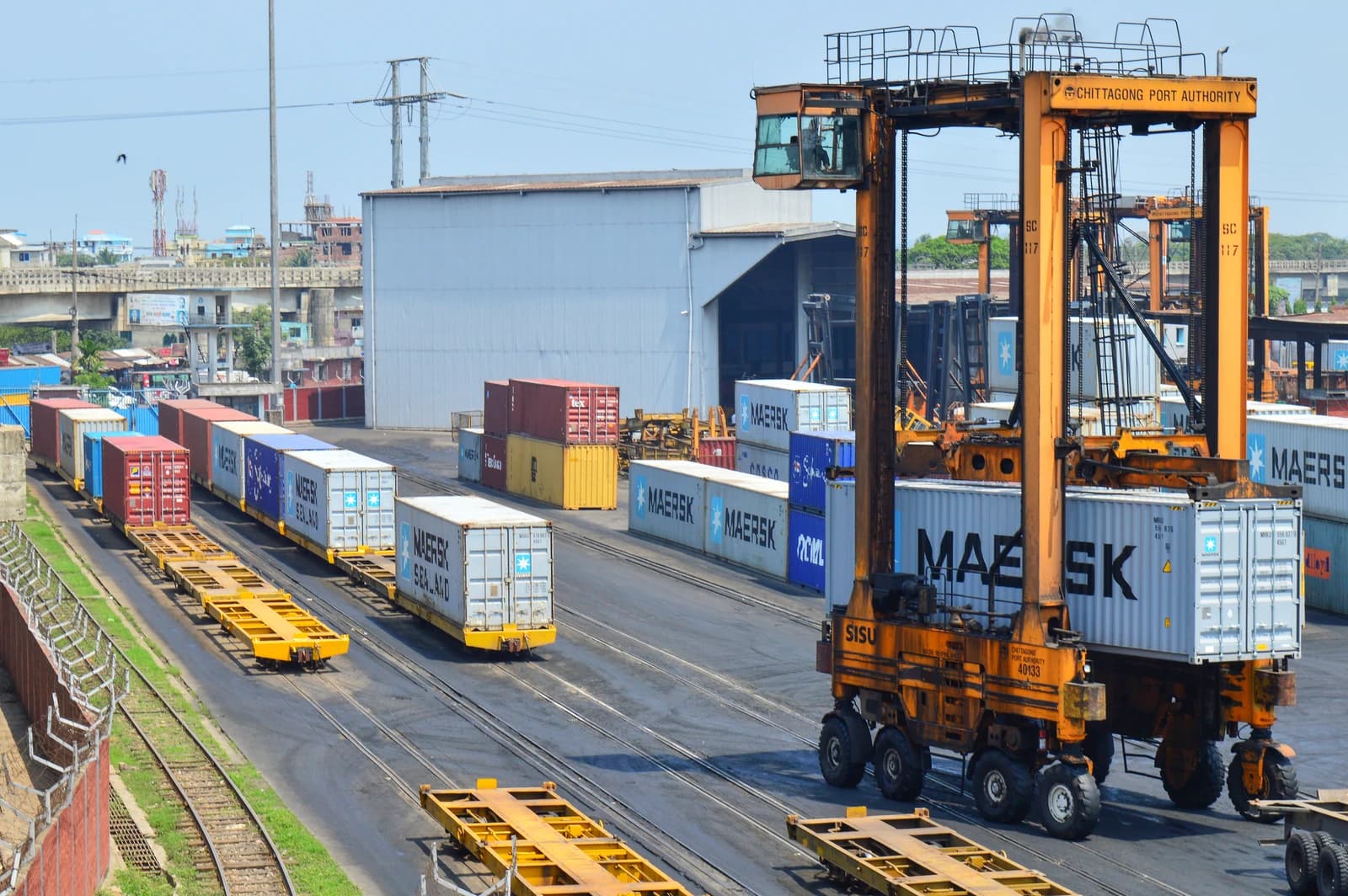
That dual reality captures the core investment case for Bangladesh and, more broadly, for the Bay of Bengal: the region is becoming more important to trade, energy security and geopolitical competition, but the same geography that offers opportunity also raises costs and risk. For Bangladesh, the upside is clear. Its ports at Chattogram and Mongla, plus the emerging deep-sea facility at Matarbari, can help position the country as a logistics bridge between South and Southeast Asia. The downside is that infrastructure, customs efficiency and disaster resilience still lag the scale of the ambition.
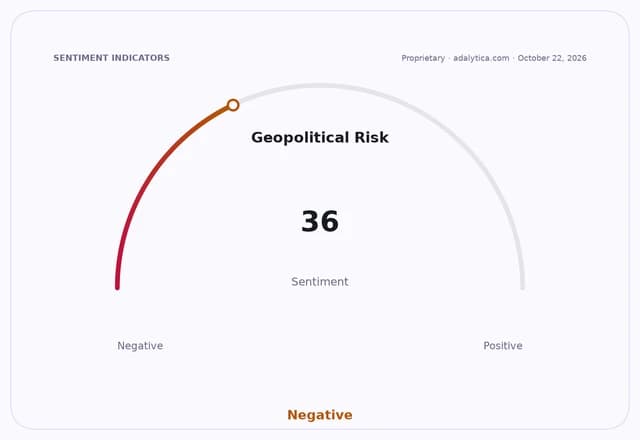
Sentiment IndicatorsⓘProprietary · adalytica.com · October 22, 2026
This is a snapshot — live sentiment, awareness and momentum for 130+ markets update continuously in the dashboard.Open AlphaPulse
The strategic backdrop has sharpened. India is strengthening maritime surveillance and sees the Bay as central to its wider Indian Ocean posture. China has expanded trade and connectivity links through infrastructure projects, while the United States has folded the Bay more explicitly into its Indo-Pacific strategy, with an emphasis on open sea lanes and resilient supply chains. That leaves Bangladesh in the middle of a competition that can attract capital, but also constrain policy if Dhaka becomes too dependent on any one partner.
For investors, the economic meaning is straightforward: the Bay’s rise could lower transport frictions, improve regional supply-chain integration and support longer-term trade growth, but only if Bangladesh can convert geography into usable capacity. That means not just ports, but also multimodal transport, faster customs clearance, better marine planning and stronger institutional coordination. Without those, the country risks becoming a corridor others use rather than a hub that captures value.
Geopolitical Risk vs BDadalytica.com
Explore this data interactively — full history, time series and cross-market comparisons.Open AlphaPulse
The latest weather threat underlines the practical cost of underinvestment. A cyclone-prone coastline can interrupt port operations, damage roads and raise insurance and logistics costs, all of which weaken Bangladesh’s competitiveness just as regional trade links are becoming more valuable. In market terms, that is a reminder that Bangladesh’s growth story cannot be separated from resilience spending.
The broader regional narrative is one of agency. BIMSTEC gives Bangladesh a platform to press for more functional cooperation, but the bloc has often fallen short of its promise. The economic opportunity is not a full-blown regional union; it is a more incremental, pragmatic tightening of trade, shipping and disaster-response ties across the Bay. If Dhaka can pair strategic autonomy with credible infrastructure and climate resilience, it can turn geography into an asset. If not, the Bay’s rise may benefit bigger powers more than Bangladesh itself.
| Entity | Gains | Losses |
|---|---|---|
| Bangladesh | ▲Trade hub potential | ▼Climate and infrastructure strain |
| India | ▲Maritime influence | ▼Greater regional competition |
| China | ▲Connectivity reach | ▼More strategic scrutiny |
| Port operators/infrastructure investors | ▲Higher demand | ▼Cyclone-related disruption |