Experts are urging Taiwan and its allies to build a maritime crisis framework before Beijing tests shipping lanes with a so-called quarantine, warning that disruption in the Taiwan Strait would ripple through trade, insurance and energy markets across northeast Asia.
Taiwan Strait quarantine risks shipping and insurance
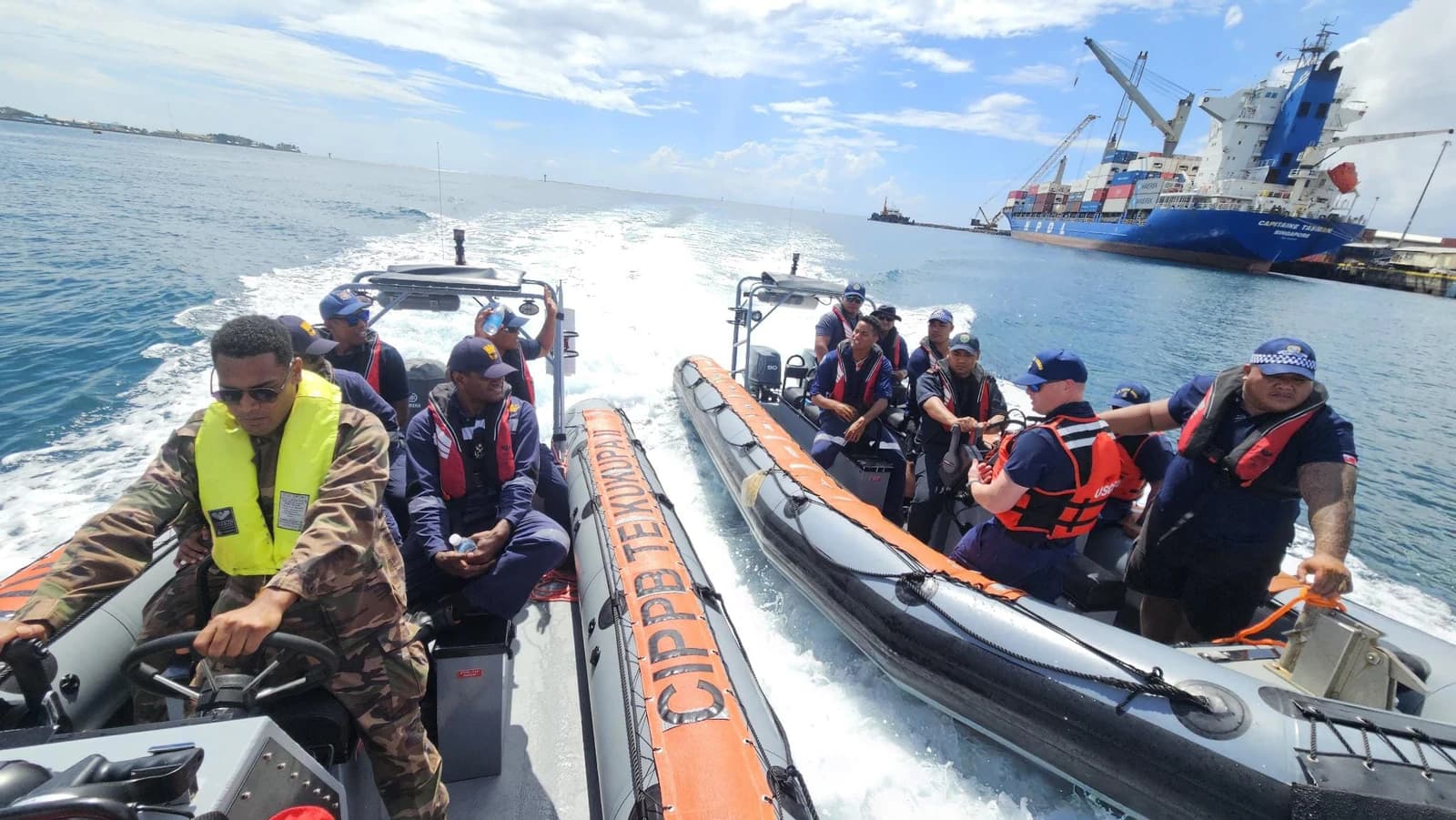
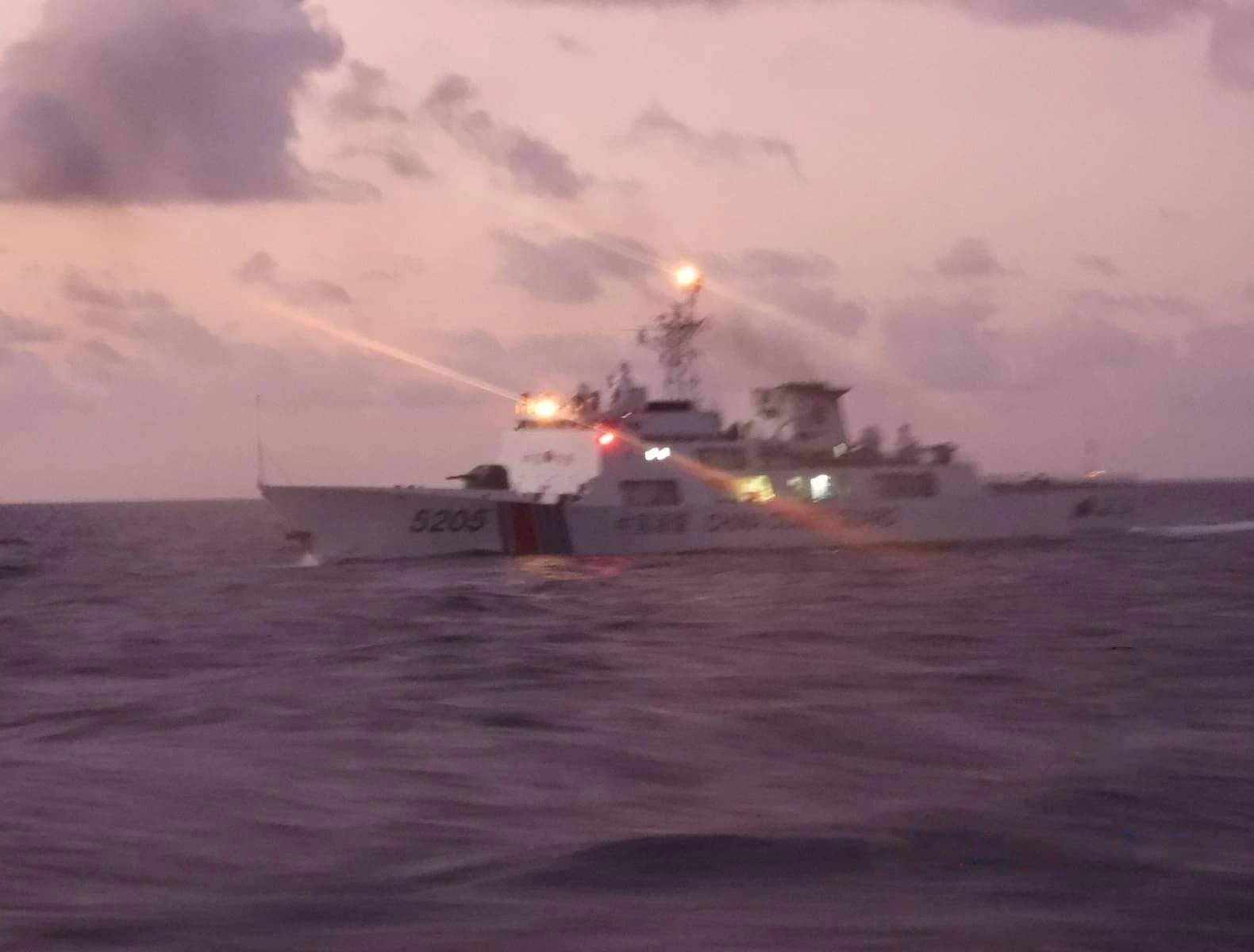
At a conference on sea lane security in Taipei, analysts and retired naval officers said China is more likely to use coast guard, maritime safety and “law enforcement” tools than declare an overt blockade, making any coercive move harder to define and slower to counter. That matters because ambiguity is the point: a quarantine-style operation could stop commercial traffic without crossing the legal threshold of war, leaving shippers, insurers and governments unsure when or how to respond.
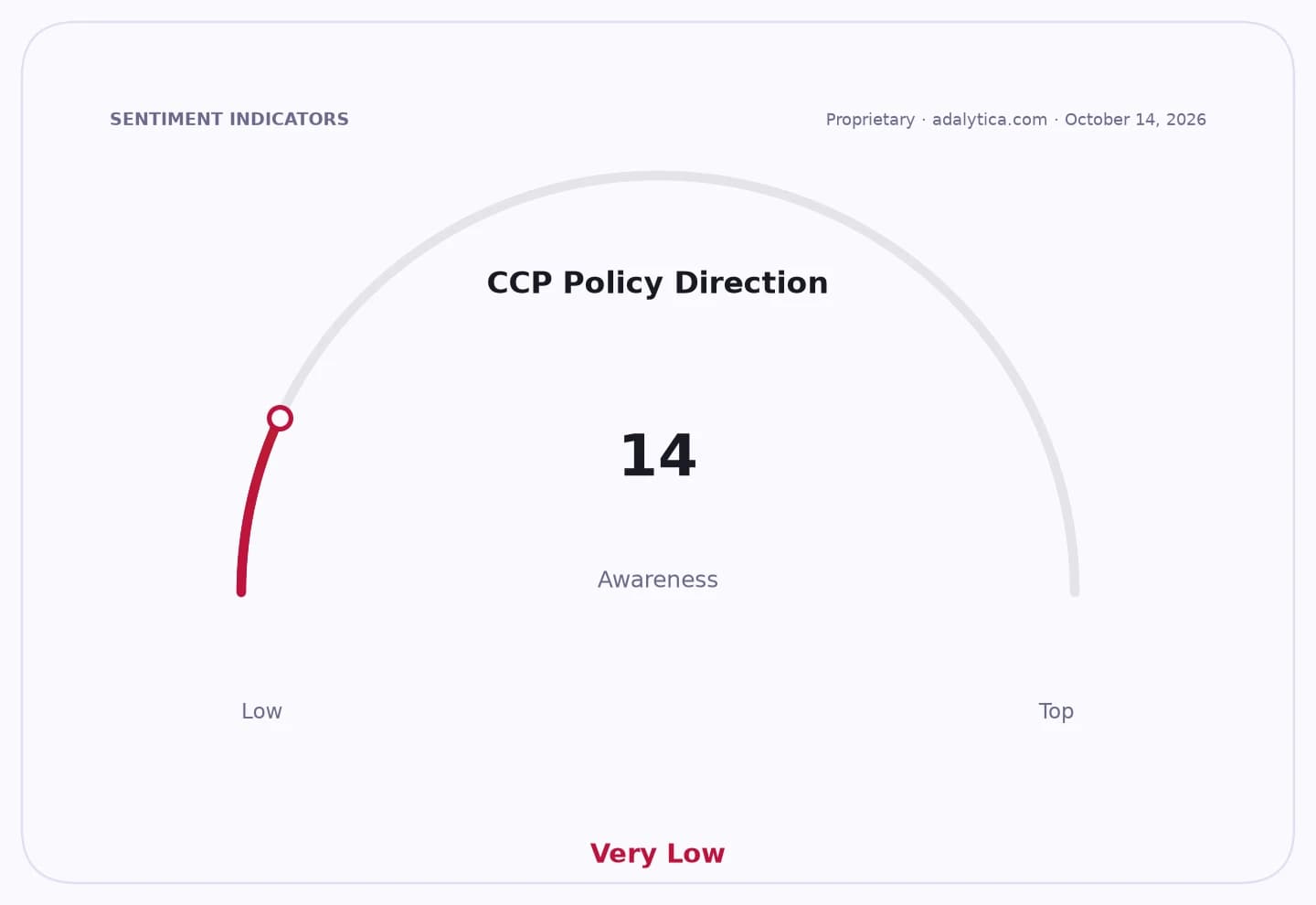
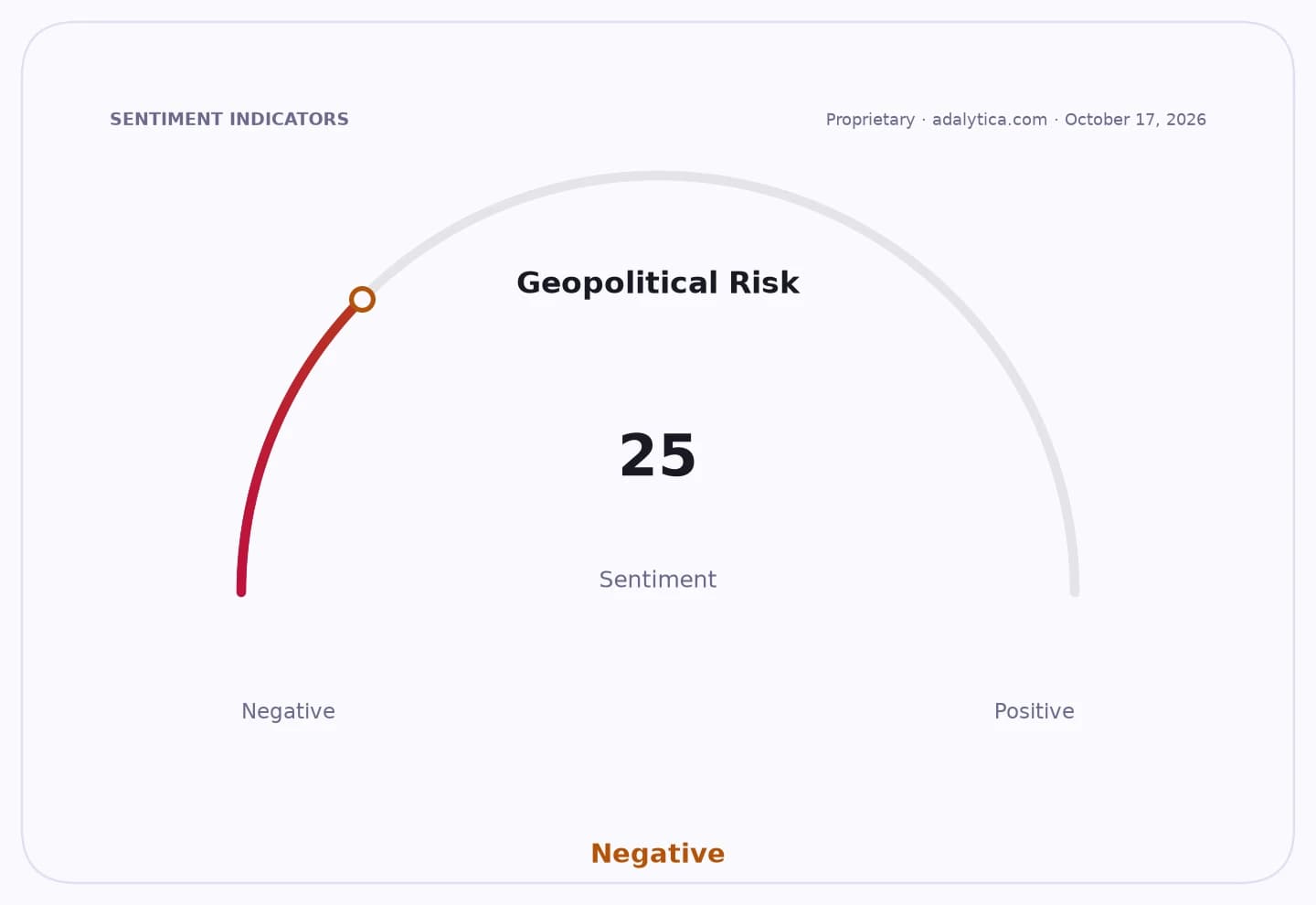
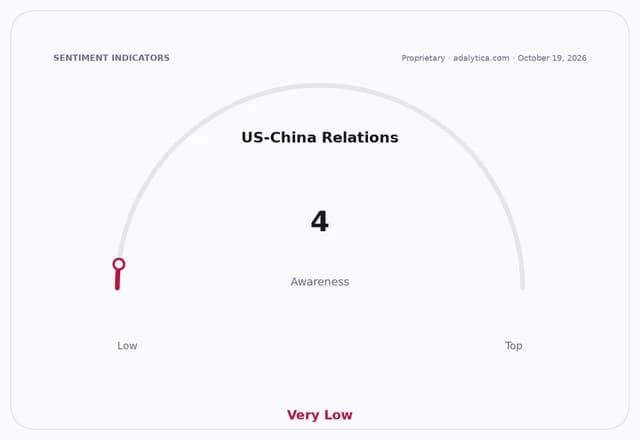
Sentiment IndicatorsⓘProprietary · adalytica.com · October 19, 2026
This is a snapshot — live sentiment, awareness and momentum for 130+ markets update continuously in the dashboard.Open AlphaPulse
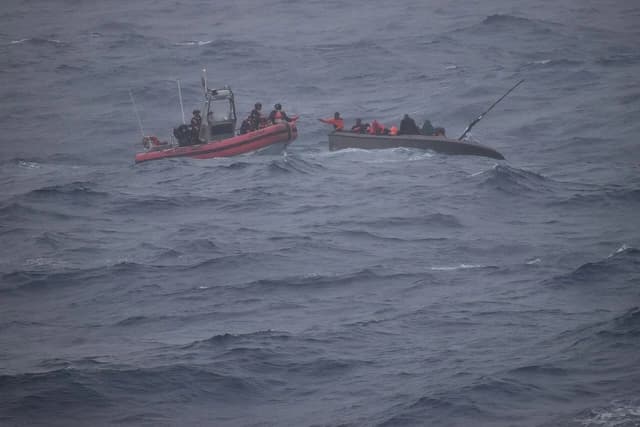
Lee Jyun-yi of Taiwan’s Institute for National Defense and Security Research said such an operation could amount to an outright termination of maritime traffic to and from Taiwan, especially if China’s coast guard were operating far beyond Taiwan’s jurisdiction. He warned that the tactic could be used to pressure Taipei into negotiations on Beijing’s terms while cutting off energy and food imports, a vulnerability that would quickly become economic rather than purely military.
The concern is not limited to Taiwan. Speakers said a quarantine could force rerouting around the strait, raise freight and insurance costs and draw in Japan and South Korea, whose economies depend on predictable shipping lanes through the western Pacific. Former Royal Navy vice admiral Duncan Potts said the international maritime community needs confidence to keep trading with Taiwan, and argued that regional governments should preplan responses, including tabletop exercises and communications protocols, before a crisis emerges.
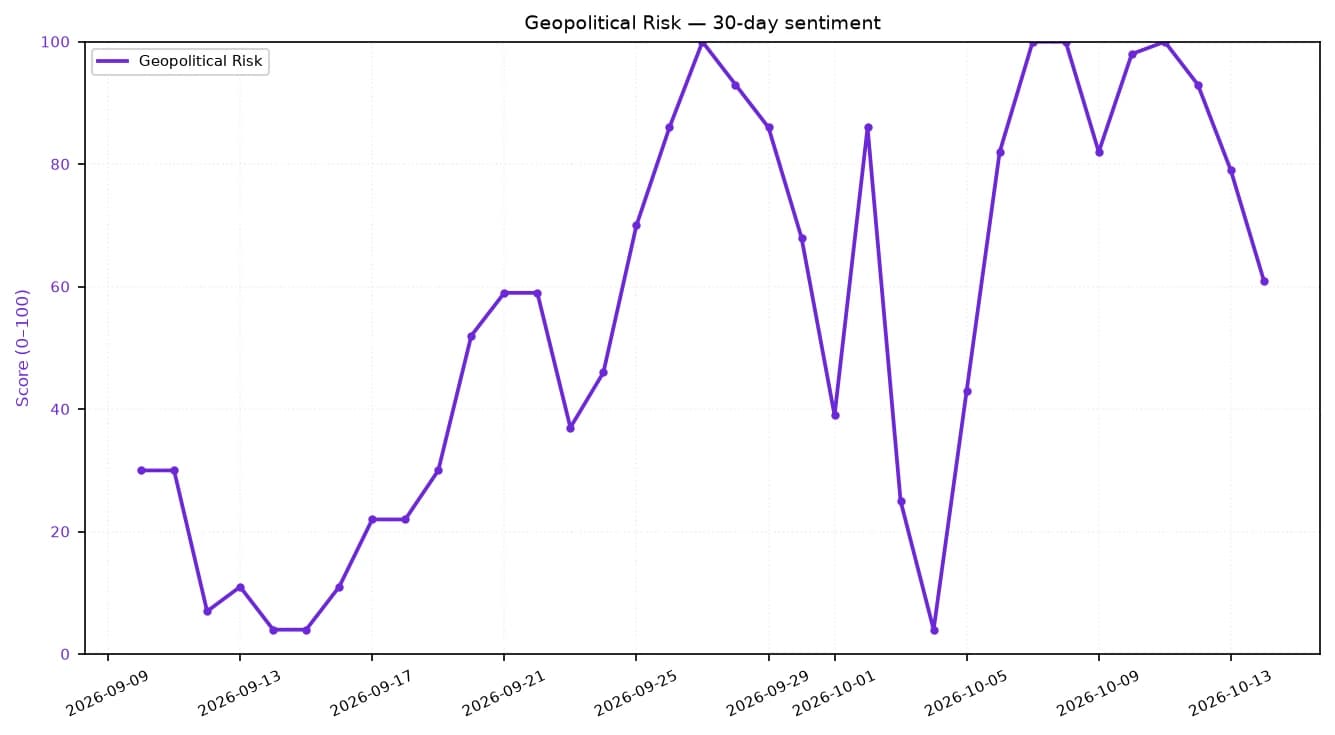
Geopolitical Risk — 30-day sentimentadalytica.com
Explore this data interactively — full history, time series and cross-market comparisons.Open AlphaPulse
Chisako Masuo of Kyushu University said China has spent years building overland economic corridors through railways and pipelines to Europe, Russia, Pakistan and Myanmar, giving Beijing more room to absorb maritime disruption than its neighbors. That asymmetry is what makes the issue economically strategic: if China can lean on continental routes while Taiwan, Japan and South Korea rely on sea lanes, any disruption would hit import-dependent economies first and hardest.
That is why the debate is increasingly about maritime governance rather than just naval balance. Masuo said Chinese agencies beyond the navy may be used to enforce pressure, underscoring the need to monitor coast guard and safety authorities as well as military movements. Another speaker, Lee Changhyung of the Korean Institute for Asian Strategy Studies, said a quarantine would be harder to classify than a formal blockade and could embroil all of northeast Asia, not just Taiwan.
For investors, the message is that geopolitical risk in the Taiwan Strait is becoming a pricing issue for shipping, insurers, energy importers and Asian manufacturers. The more Beijing relies on gray-zone tactics, the more markets will have to assign a premium to route diversification, inventory buffers and maritime security exposure. The next catalyst is whether Taiwan and its partners move from warnings to concrete coordination, because the absence of a framework would leave the first real test to be managed in real time.
| Entity | Gains | Losses |
|---|---|---|
| China | ▲coercive leverage | ▼trade credibility |
| Taiwan | ▲crisis planning | ▼shipping confidence |
| Japan and South Korea | ▲security coordination | ▼transport costs |
| Shippers and insurers | ▲clearer rules | ▼higher risk premiums |