China and South Korea have resumed joint patrols in the Yellow Sea after a four-year pause, a small but meaningful step that could help steady one of Northeast Asia’s most sensitive maritime relationships.
China and South Korea Resume Yellow Sea Patrols
The patrols matter because the Yellow Sea is not just a fishing ground. It is also a pressure point where maritime boundaries remain unresolved, fishing rules are enforced and routine encounters at sea can quickly become political. Restarting coordinated patrols suggests Beijing and Seoul are trying to lower the risk of accidental friction while improving enforcement against illegal fishing.
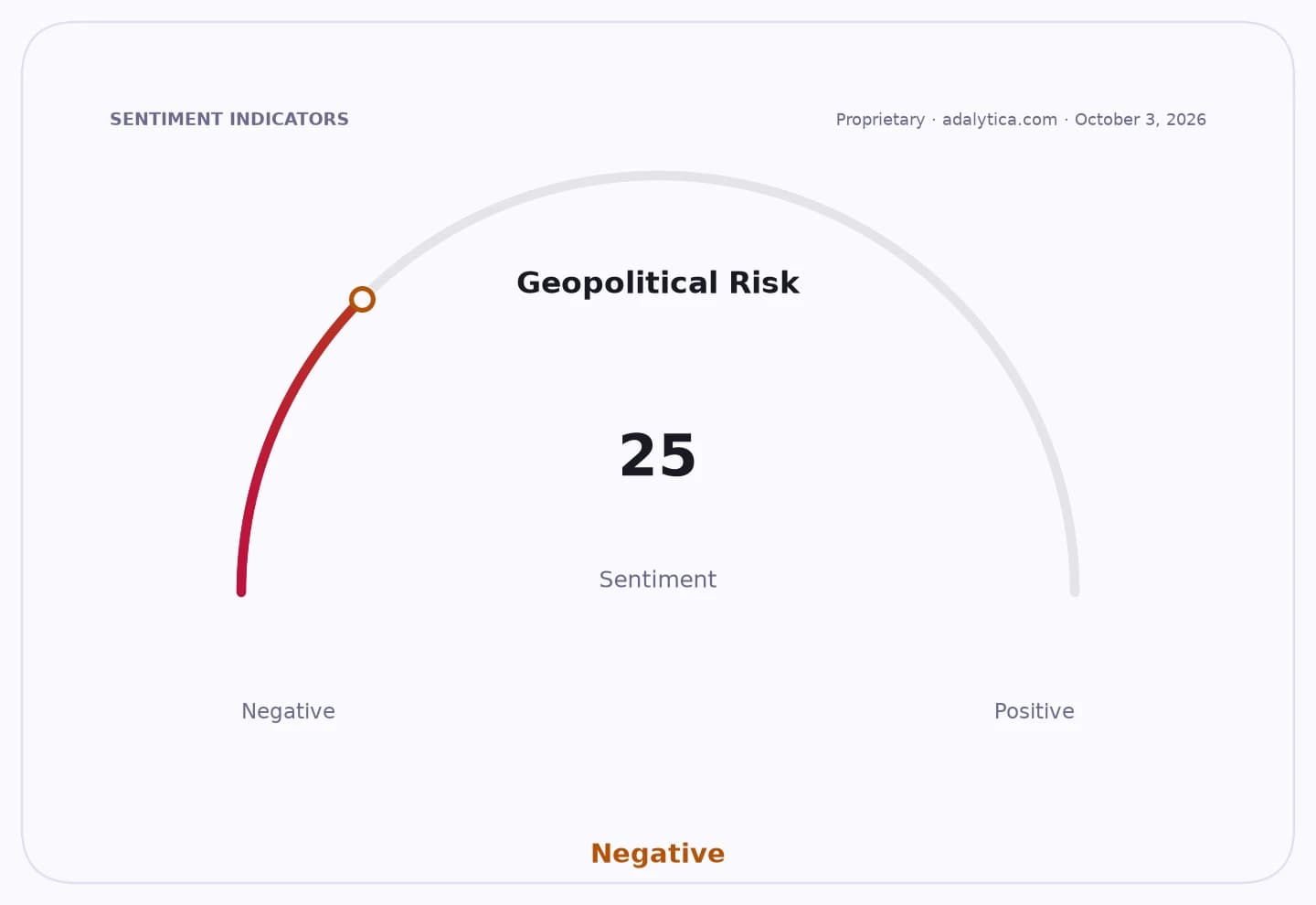
Sentiment IndicatorsⓘProprietary · adalytica.com · October 15, 2026
This is a snapshot — live sentiment, awareness and momentum for 130+ markets update continuously in the dashboard.Open AlphaPulse
According to Yonhap, South Korea’s embassy in China said the two countries began the patrols on Oct. 8 and plan to continue them through Oct. 17, the first such operation since they were suspended in 2022. During the exercise, fisheries officials and maritime law-enforcement officers from both sides will board each other’s vessels to share enforcement methods and coordinate on-site responses.
That kind of cooperation is unusual, and that is exactly why it matters. As one researcher cited by Global Times put it, joint law-enforcement activity after four years, including boarding each other’s ships, is not common and reflects a measure of trust between Beijing and Seoul. In practical terms, it should help reduce disputes over fishing activity, improve communication when violations occur and make it easier to crack down on illegal operations in waters that both countries still manage under temporary arrangements.
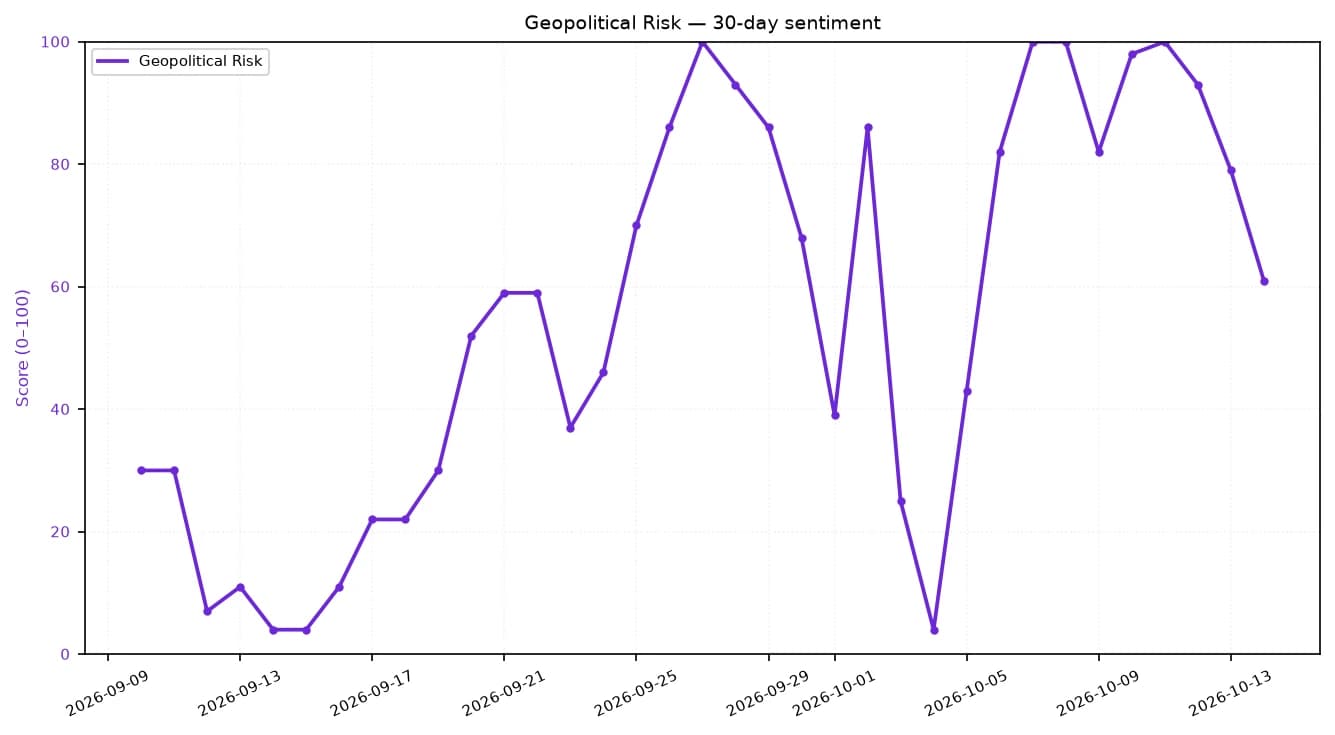
For investors, the biggest takeaway is not a direct market move but a geopolitical one: fewer maritime flare-ups can support a more stable operating backdrop for trade, shipping and regional supply chains. The Yellow Sea is strategically important for two export-heavy economies, and calmer relations can spill over into broader business confidence, even if only gradually. That matters for companies exposed to Northeast Asian logistics, commodities and industrial activity, where predictability is often as valuable as growth.
The timing is also notable. China has recently run an enforcement campaign during the fishing ban period in nearby waters, while the two sides have been talking more openly about maritime cooperation, marine science, environmental protection, search and rescue and even defense issues. The stated goal is to build the Yellow Sea into a “sea of peace, friendship and cooperation,” which may sound diplomatic, but in this region even limited practical coordination can be a durable step forward.
Still, investors should keep expectations grounded. This is not a breakthrough on the broader maritime boundary dispute, and it does not remove strategic rivalry between China and South Korea. But it does show both governments are choosing engagement over escalation, at least for now. In a world where geopolitical risk often arrives suddenly and travels fast through markets, that kind of incremental de-escalation is worth watching closely and holding onto for the long term.
| Entity | Gains | Losses |
|---|---|---|
| China | ▲Better fisheries control | ▼Less leverage from tension |
| South Korea | ▲Safer maritime operations | ▼Fewer political pressure points |
| Fishermen | ▲Lower risk of disputes | ▼Illegal operators |
| Regional investors | ▲More stable backdrop | ▼Volatility traders |