The Philippines said China’s military and coast guard repeatedly harassed its patrol aircraft and boats over the weekend, underscoring how fast the South China Sea dispute can escalate from diplomacy into a direct safety risk for regional shipping, fisheries and military operations.
Philippines Reports China Harassment in South China Sea
The most serious episode involved a Chinese J-16 fighter that the Philippine military said made repeated close passes near a Cessna 208 turboprop on a routine patrol off Scarborough Shoal. Manila said the jet maneuvered ahead of and around the aircraft and at one point moved into its wake, describing the encounter as part of a recurring pattern of “unsafe and coercive behavior” against lawful Philippine operations.
Sentiment IndicatorsⓘProprietary · adalytica.com · October 4, 2026
This is a snapshot — live sentiment, awareness and momentum for 130+ markets update continuously in the dashboard.Open AlphaPulse
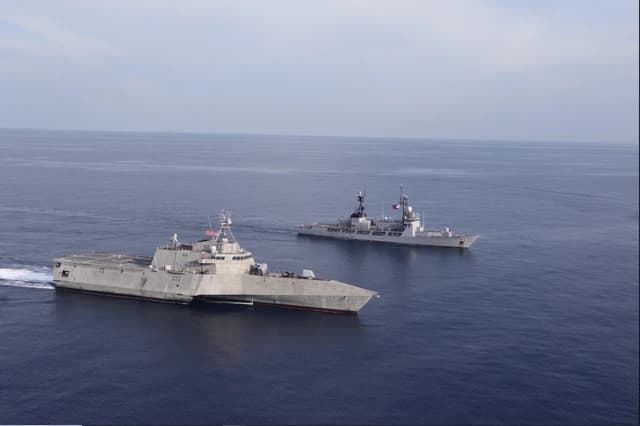
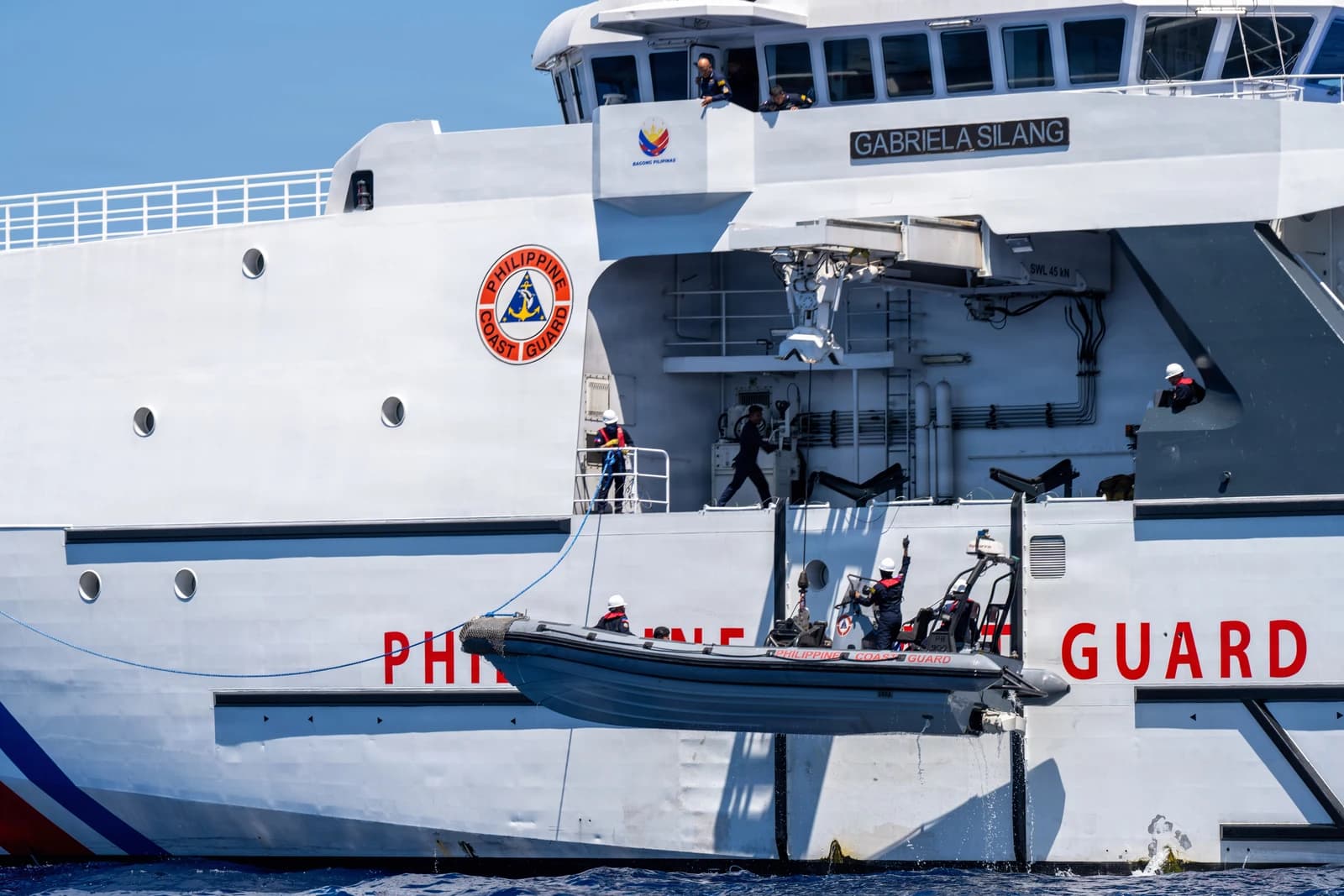
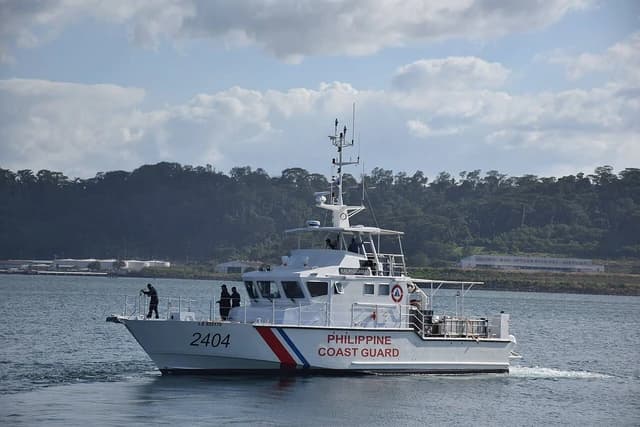
A second confrontation came on Sunday in the Spratly Islands, where the Philippine coast guard said it moved small boats toward a fishing vessel accused of using dynamite to catch fish between Thitu Island, which Manila occupies, and China-held Subi Reef. According to the Philippine account, two China Coast Guard ships and a navy helicopter intervened, with one vessel shadowing and blocking the Philippine boats and coming within 10 yards before the Filipinos broke off for safety reasons.
The incidents matter because they show China’s pressure campaign is not limited to rhetoric or long-range claims: it is being enforced by air and sea assets in areas where a miscalculation could quickly create a more serious military or diplomatic crisis. That raises the cost of routine enforcement for the Philippines and complicates the operating environment for any vessel or aircraft moving through contested waters.
Geopolitical Risk — 30-day sentimentadalytica.com
Explore this data interactively — full history, time series and cross-market comparisons.Open AlphaPulse
For investors, the immediate market impact is less about a direct earnings hit and more about risk premium. South China Sea tensions can affect Asian shipping lanes, insurance costs, regional defense spending and the broader appetite for emerging-market exposure in the Philippines and neighboring countries. The weekend clashes also reinforce the case for sustained capital outlays by Manila and its allies on maritime surveillance, coast guard assets and deterrence capabilities.
The backdrop is a maritime contest over one of the world’s busiest sea routes, where Beijing claims most of the water despite an international ruling saying that claim has no legal basis. Manila’s repeated complaints, and Beijing’s willingness to counter with coast guard, navy and air assets, suggest the dispute is becoming more operationalized and more dangerous even when neither side wants outright conflict.
That leaves two competing market reads. The bullish case is that the incidents stay contained and simply justify incremental defense and security spending without disrupting trade. The bearish case is that repeated close encounters, especially around aircraft and coast guard vessels, eventually produce an accident that forces a stronger response from the Philippines, the United States or regional partners.
For now, the weekend episodes keep the South China Sea near the top of Asia’s geopolitical risk map and reinforce a simple conclusion for investors: the more frequently these patrols are challenged, the more likely the dispute becomes a lasting drag on regional stability rather than a series of isolated incidents.
| Entity | Gains | Losses |
|---|---|---|
| Philippines | ▲Stronger case for allied support | ▼Greater patrol risk |
| China | ▲Tighter control pressure | ▼Higher escalation risk |
| Regional defense contractors | ▲More procurement demand | ▼— |
| Shipping and insurers | ▲Higher risk pricing | ▼Greater operating uncertainty |