India’s BrahMos anti-ship missile is being folded into U.S.-Philippine war games aimed at rehearsing strikes on Chinese naval vessels, sharpening the military balance in the South China Sea and underscoring how quickly Manila is building a coastal-denial capability.
Philippines Adds BrahMos to U.S. War Games

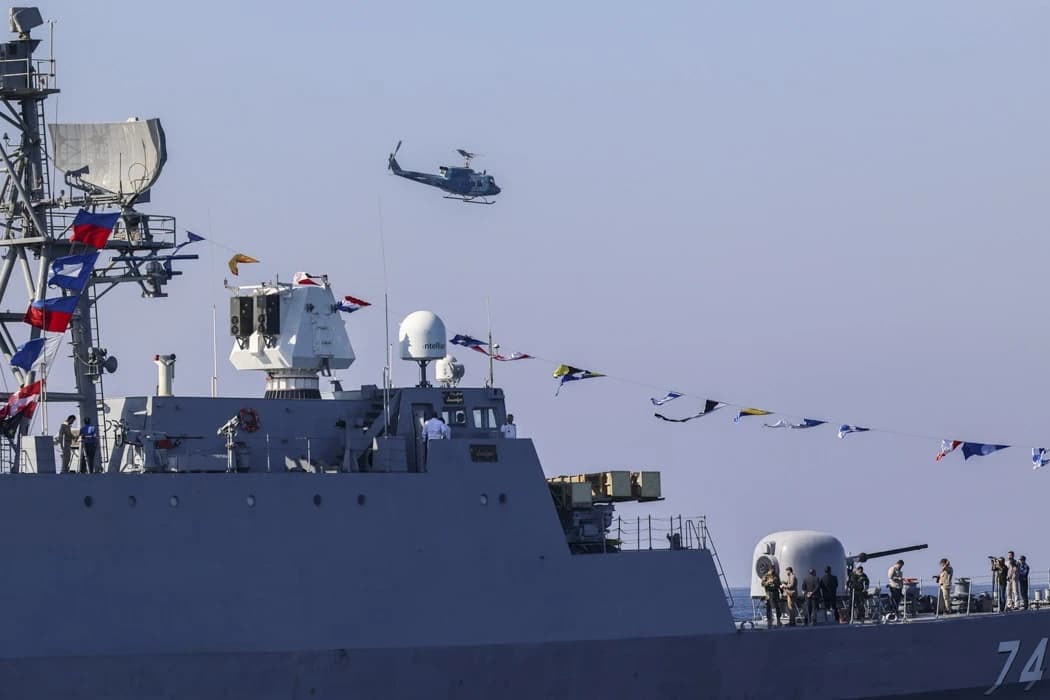
The exercise, held Aug. 25 at a northern Luzon marine base, had American and Filipino planners using drones and ground-based anti-ship systems to build a so-called “kill chain” against mock sea targets, according to USNI News citing Pentagon officials. The targets included China’s Type 052D destroyer, Type 054A frigate and Type 901 fast combat support ship, signaling that the training is designed around Beijing’s frontline fleet.
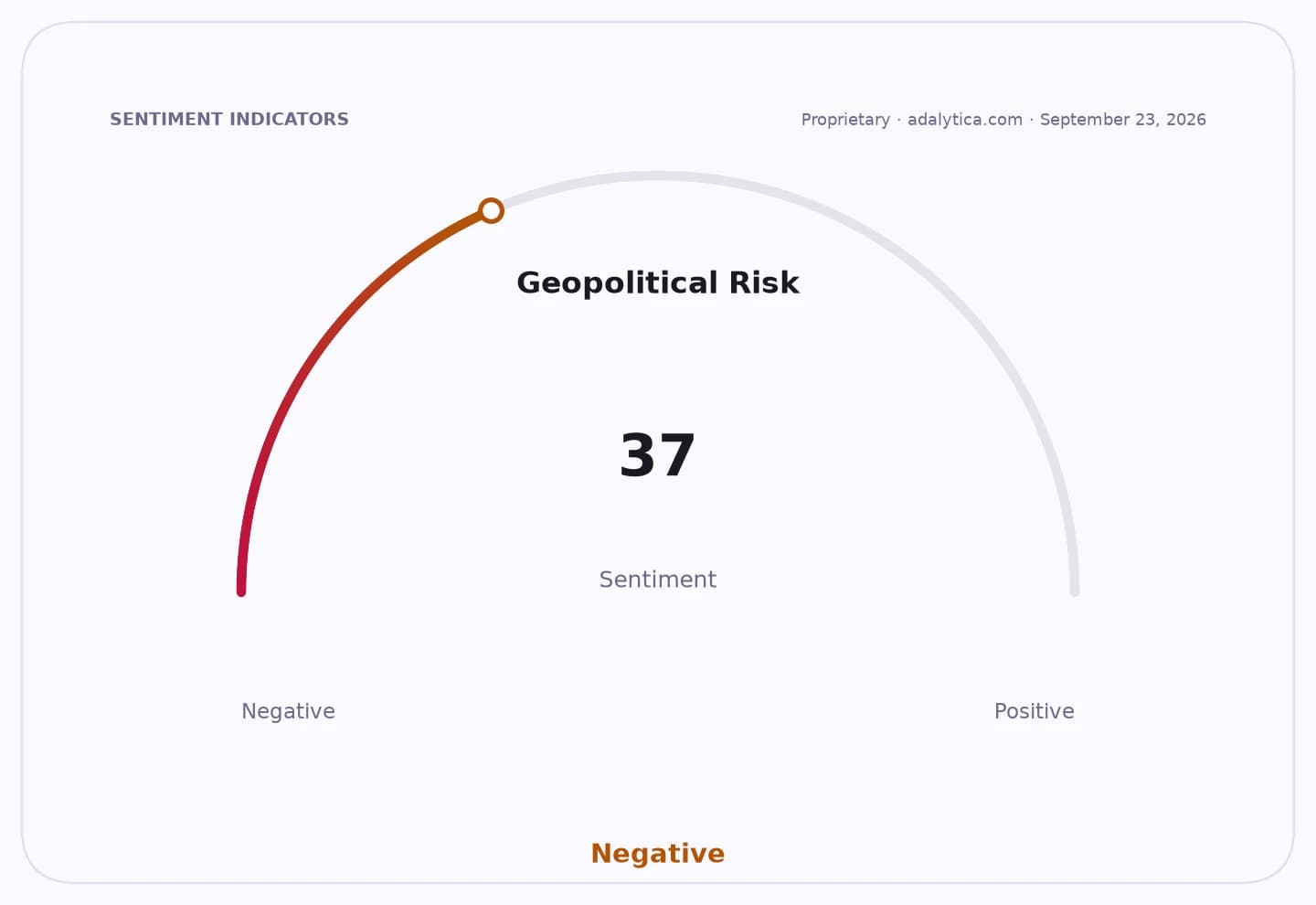
Sentiment IndicatorsⓘProprietary · adalytica.com · September 11, 2026
This is a snapshot — live sentiment, awareness and momentum for 130+ markets update continuously in the dashboard.Open AlphaPulse
That matters economically because the South China Sea remains one of Asia’s most sensitive trade arteries, carrying a large share of regional energy, goods and raw materials. Any worsening of the security environment can raise shipping insurance costs, complicate port and logistics planning, and keep defense spending elevated across the region.
For investors, the message is that deterrence spending is still climbing in Asia and that missile, drone and sensing systems are becoming a more urgent procurement priority. U.S. defense names with exposure to missiles, radars and integrated air and sea defenses, including Lockheed Martin, Northrop Grumman and RTX, stand to benefit from a longer cycle of allied rearmament if tensions keep rising.
The drill also highlights India’s growing role as a defense supplier beyond its immediate neighborhood. The BrahMos, developed by India’s DRDO and Russia’s NPO Mashinostroyenia, flies at Mach 2.8 to Mach 3 and can skim just 10 to 15 meters above the sea, making it harder to detect and intercept.
India supplied the Philippines with BrahMos missiles with a 290-kilometer range, giving Manila a weapon designed to threaten ships well outside coastal waters. That increases the cost of any Chinese naval operation near Philippine-held territory and helps explain why the exercises are being built around tracking and strike coordination rather than conventional fleet maneuvers.
The broader narrative is that Washington is helping allies harden their maritime defenses while India quietly becomes more relevant to the Indo-Pacific security architecture. With China’s navy still the benchmark threat in the region and U.S.-China relations remaining extremely strained, the next catalysts are likely to be more Philippine force deployments, fresh allied exercises and any new missile or drone procurement announcements.
| Entity | Gains | Losses |
|---|---|---|
| Philippines | ▲Stronger coastal defense | ▼Higher defense spending burden |
| India | ▲Defense export credibility | ▼Greater regional strategic exposure |
| U.S. defense contractors | ▲More allied procurement demand | ▼None immediate |
| China’s navy | ▲None | ▼Higher operational risk |