The Philippine Navy said it invited Chinese warships to join a multilateral drill in the South China Sea, a rare signal that Manila is trying to keep military rivalry with Beijing from closing the door on communication even as maritime tensions remain high.
Philippine Navy Invites Chinese Warships to Drill
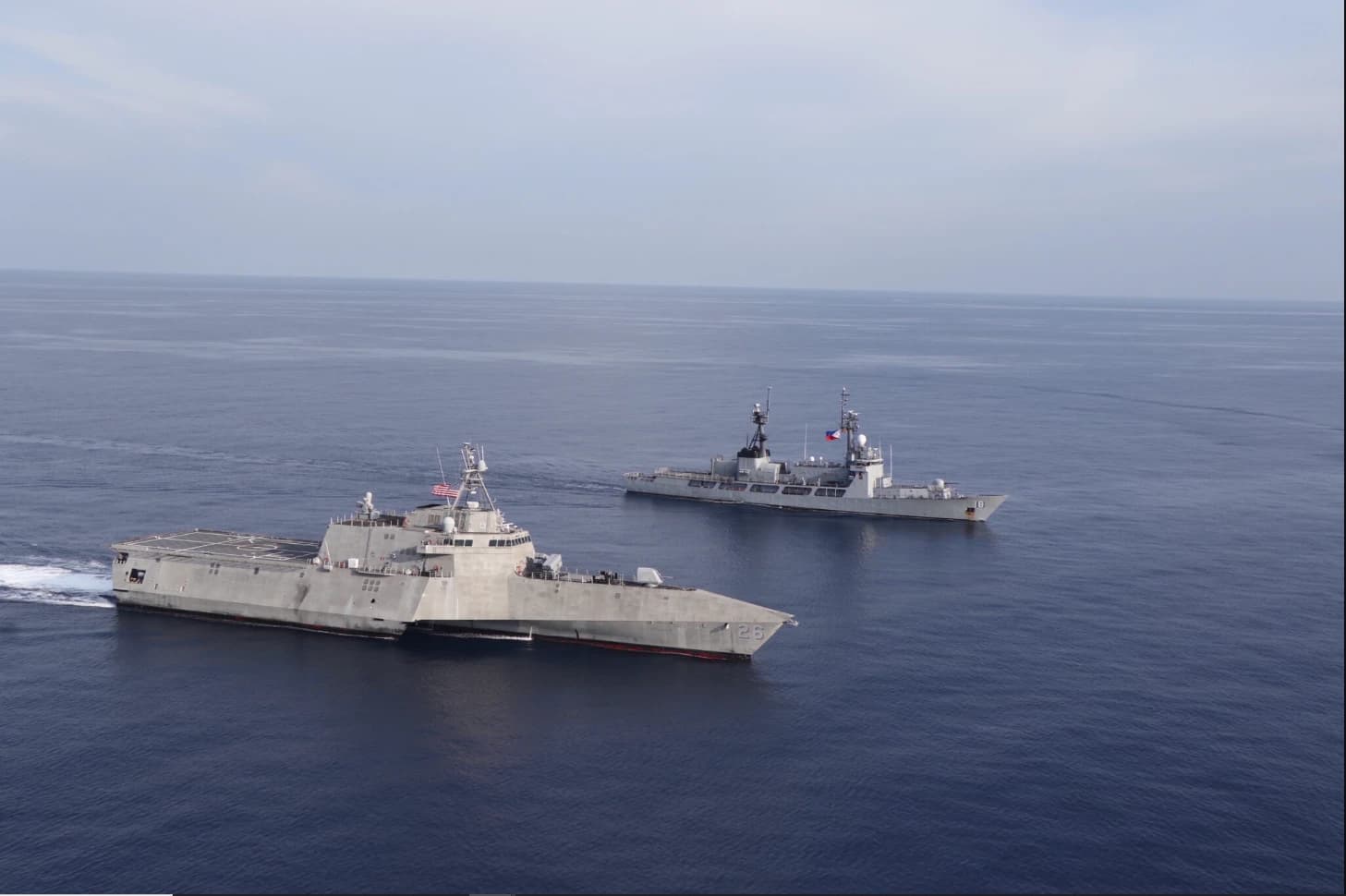
The move matters because the South China Sea is one of Asia’s most economically important flashpoints, carrying a large share of regional trade, energy and fisheries flows. Any deterioration in naval-to-naval contact raises the risk of miscalculation around disputed waters that are already a burden on shipping, investment and security planning across Southeast Asia.
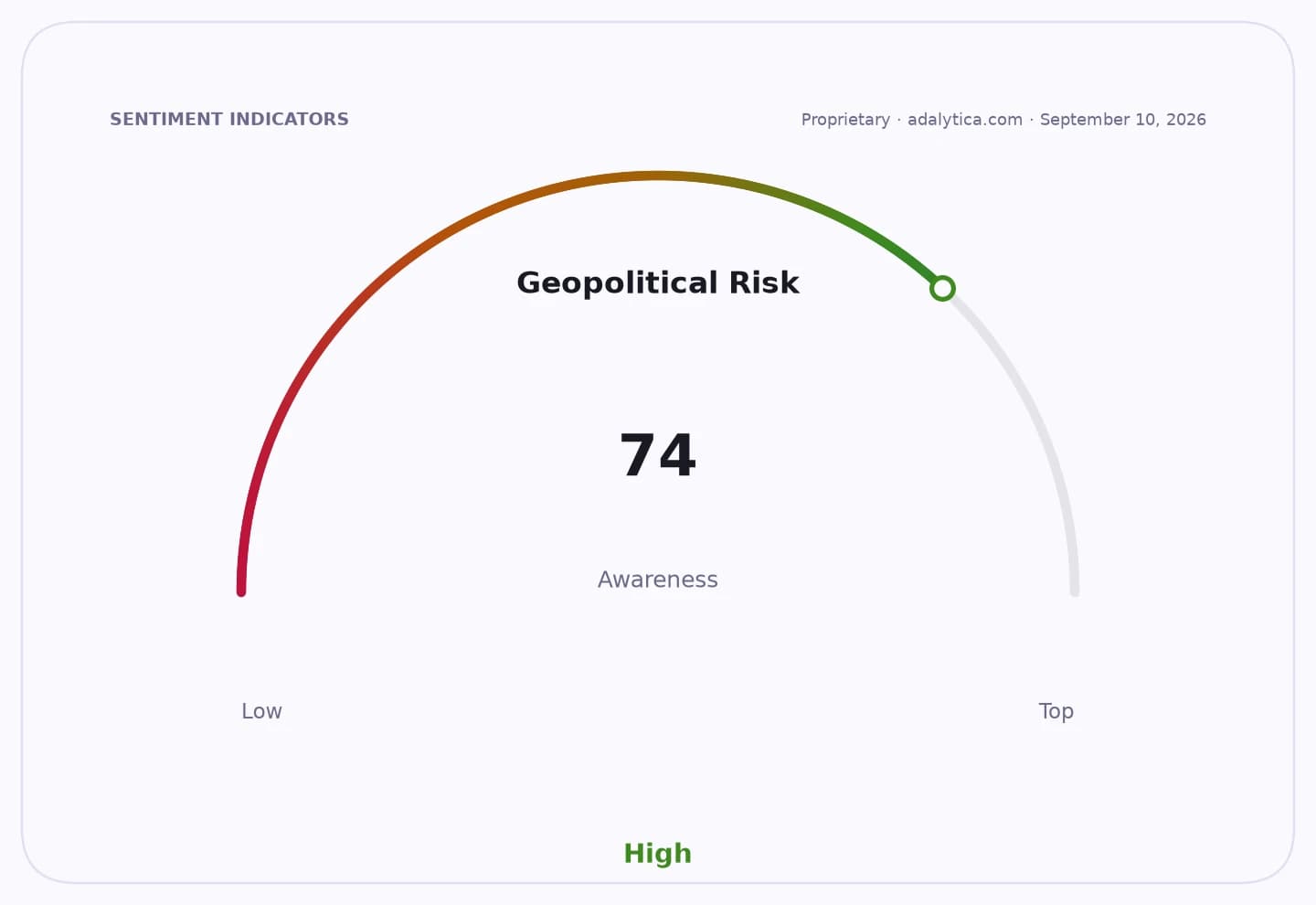
Sentiment IndicatorsⓘProprietary · adalytica.com · October 1, 2026
This is a snapshot — live sentiment, awareness and momentum for 130+ markets update continuously in the dashboard.Open AlphaPulse
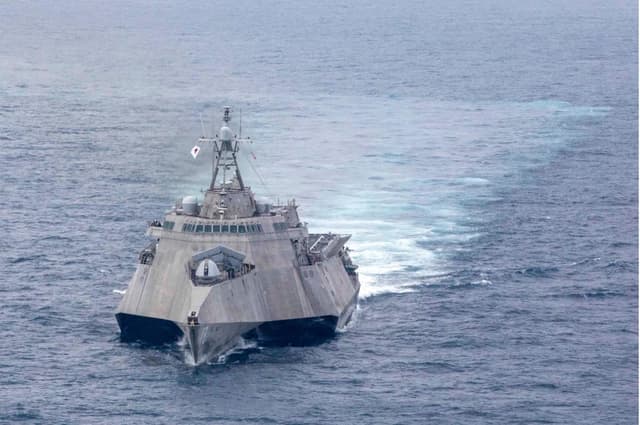
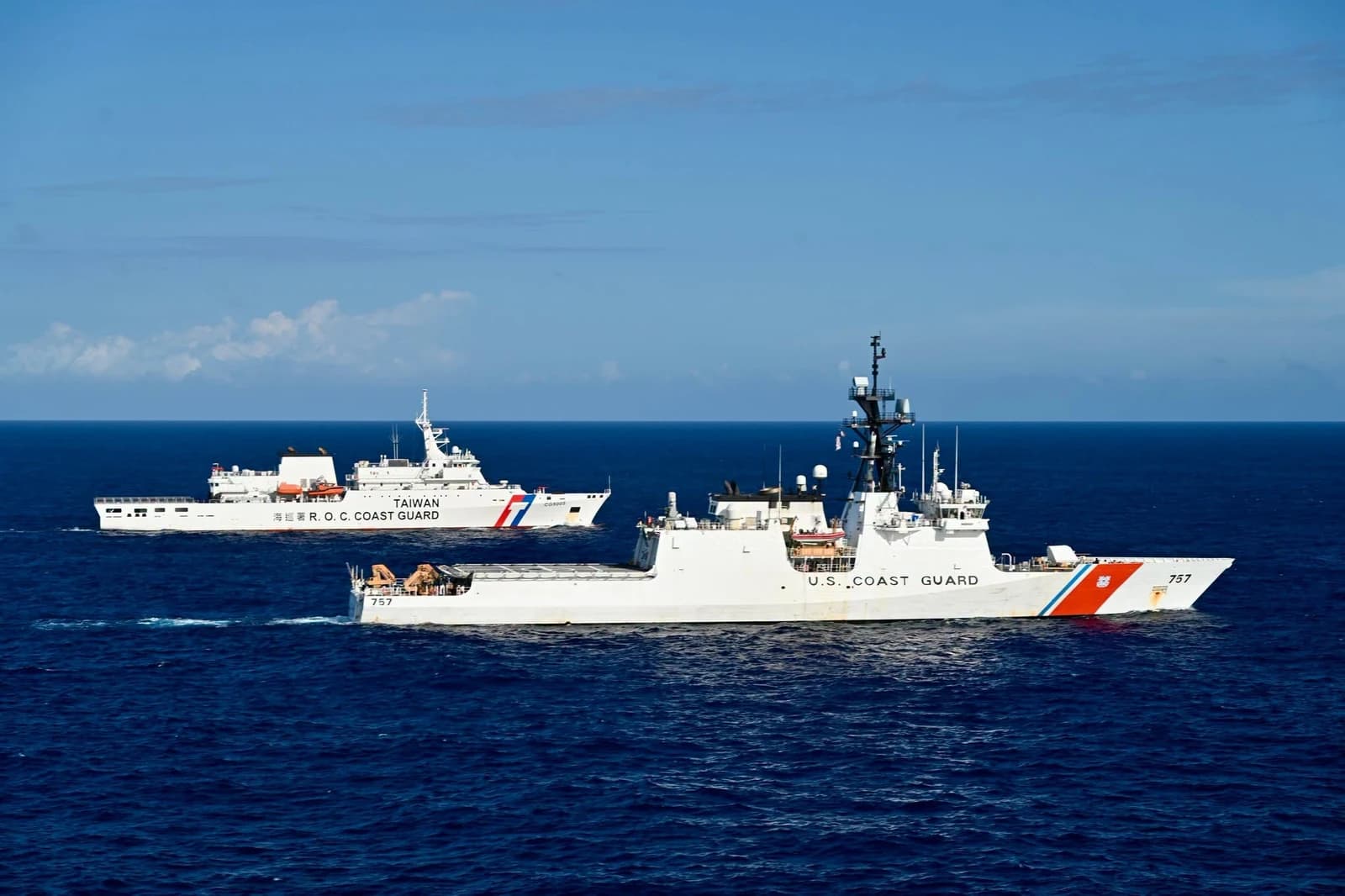
According to the Philippine Navy, the invitation was made by radio during an exercise held on Sept. 23 under the ADMM-Plus defense framework, which includes China, the United States, Japan, Australia and India. Local media said the Chinese vessel did not respond, though it was believed to have monitored the drill. The Philippines said the purpose was to show that dialogue and cooperation remain possible despite the territorial dispute.
That message is strategically important. Manila has spent much of the past year tightening security ties with allies and partners in response to repeated confrontations with Chinese vessels. At the same time, it has little incentive to let the rivalry spiral into a fully closed military relationship, especially as incidents at sea have become more frequent and harder to contain. The invitation suggests the Philippines wants to preserve a minimal crisis-management channel while still asserting its claims.
For investors, the broader issue is risk premium. The South China Sea dispute can affect regional insurers, shippers, energy explorers and defense contractors, while any escalation tends to feed broader caution around Asian supply chains and Chinese-Philippine relations. A more stable communication channel would not resolve the sovereignty dispute, but it could lower the odds of a sudden incident that forces markets to price in disruption.
The diplomatic backdrop is also notable. China’s larger maritime posture in the South China Sea, including its growing ability to project power and conduct operations in contested waters, has kept tensions elevated. Against that backdrop, even a symbolic invitation to join an exercise is part signaling exercise, part de-escalation tool: it tells Beijing that Manila is not seeking total rupture, while also telling allies that the Philippines will not back away from its position.
The next test will be whether such gestures translate into more regular contact at sea or remain isolated moments of restraint in an otherwise volatile rivalry. For now, the key market and policy question is whether both sides see enough value in limiting incidents to keep military competition from spilling further into trade, investment and regional stability.
| Entity | Gains | Losses |
|---|---|---|
| Philippine Navy | ▲Crisis-management space | ▼Little on-the-ground leverage |
| China Navy | ▲Monitoring access | ▼Diplomatic pressure |
| Southeast Asian trade routes | ▲Lower escalation risk | ▼Ongoing uncertainty |
| Defense contractors | ▲Persistent security demand | ▼No near-term de-escalation premium |