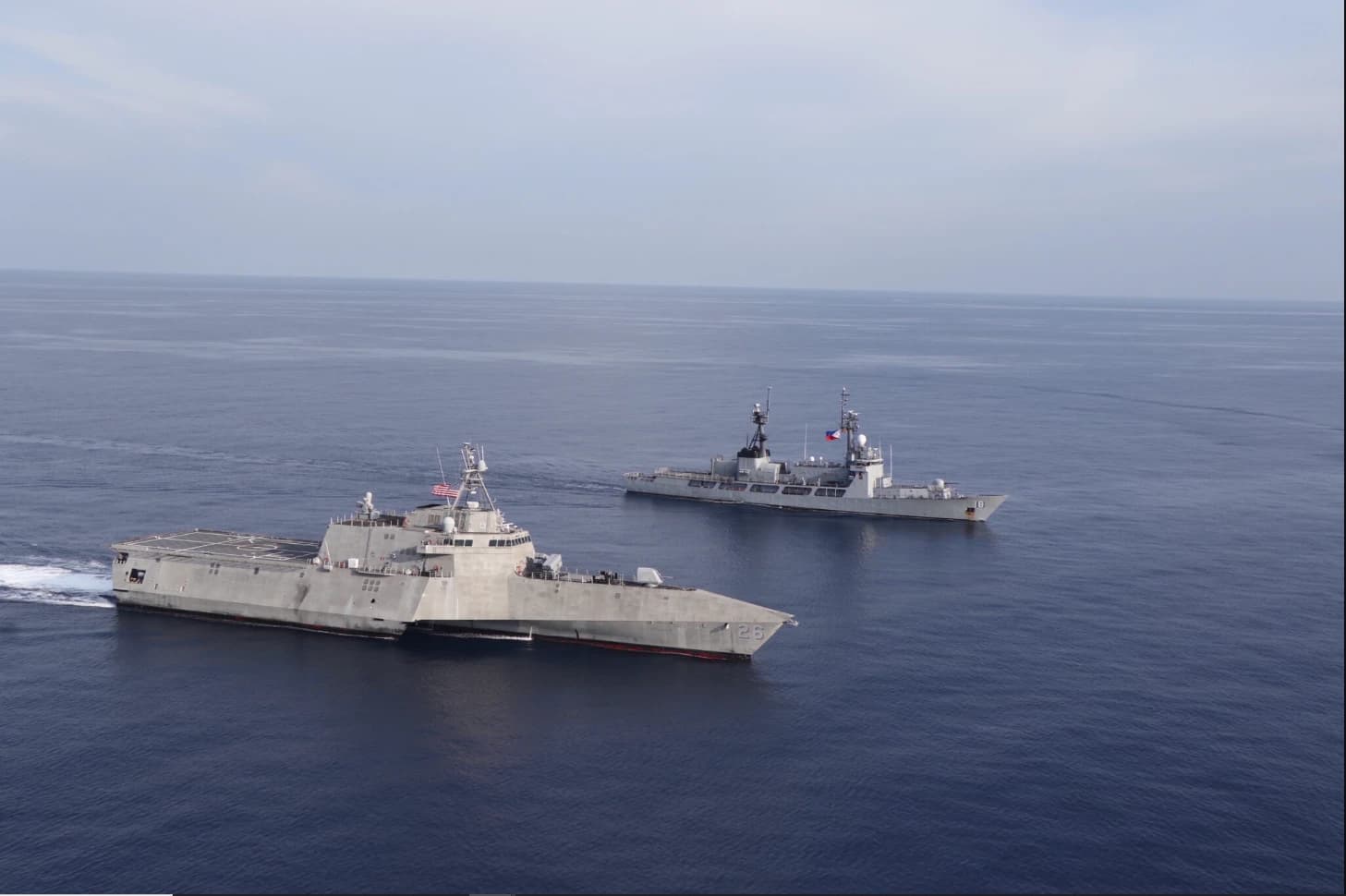
Taiwan has strengthened naval and coast guard patrols around the Pratas Islands as Chinese maritime activity rises in one of the South China Sea’s most exposed flashpoints, underscoring the island’s push to harden its outer defenses before Beijing can test them.
Taiwan Strengthens Patrols Around Pratas Islands
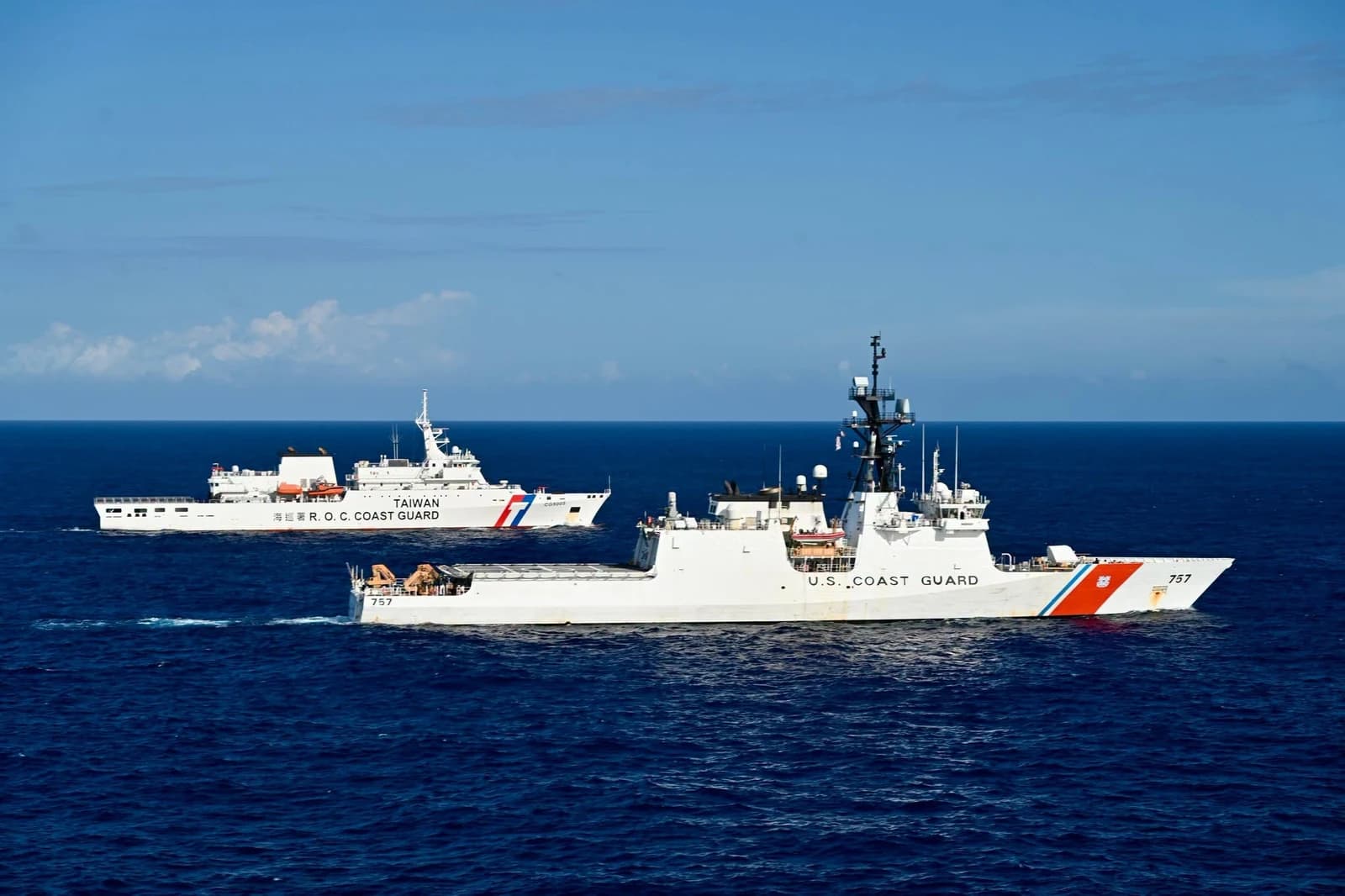
That matters because Pratas sits more than 400 kilometers from Taiwan’s main island and has long been viewed as one of Taipei’s most vulnerable outposts. In practical terms, the move is about deterrence: a stronger local presence makes it harder for China to probe, intimidate, or create a rapid fait accompli without triggering a response. For investors, it is another reminder that the Taiwan Strait and surrounding waters remain a live geopolitical risk for shipping, defense spending, insurance costs and regional stability.
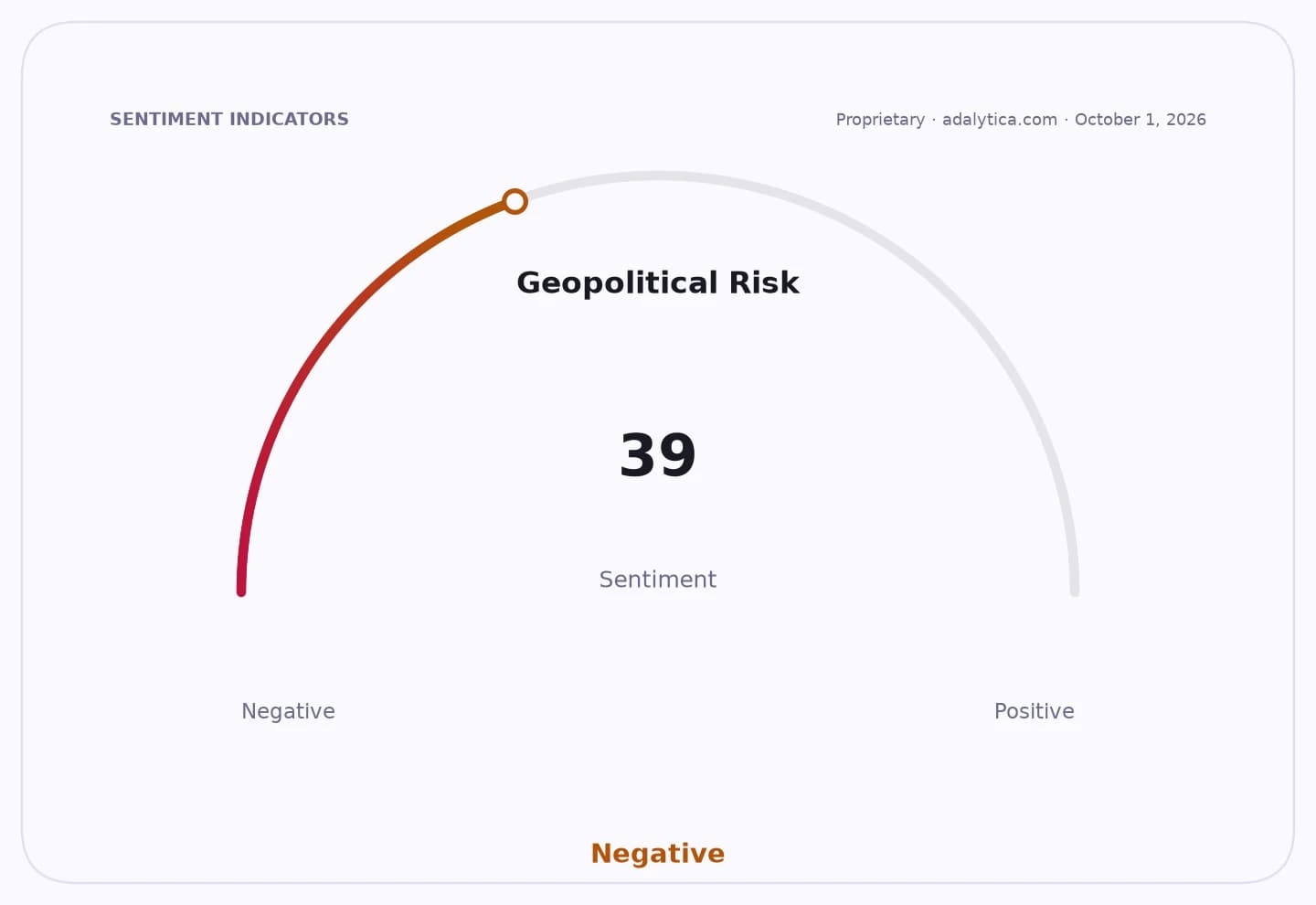
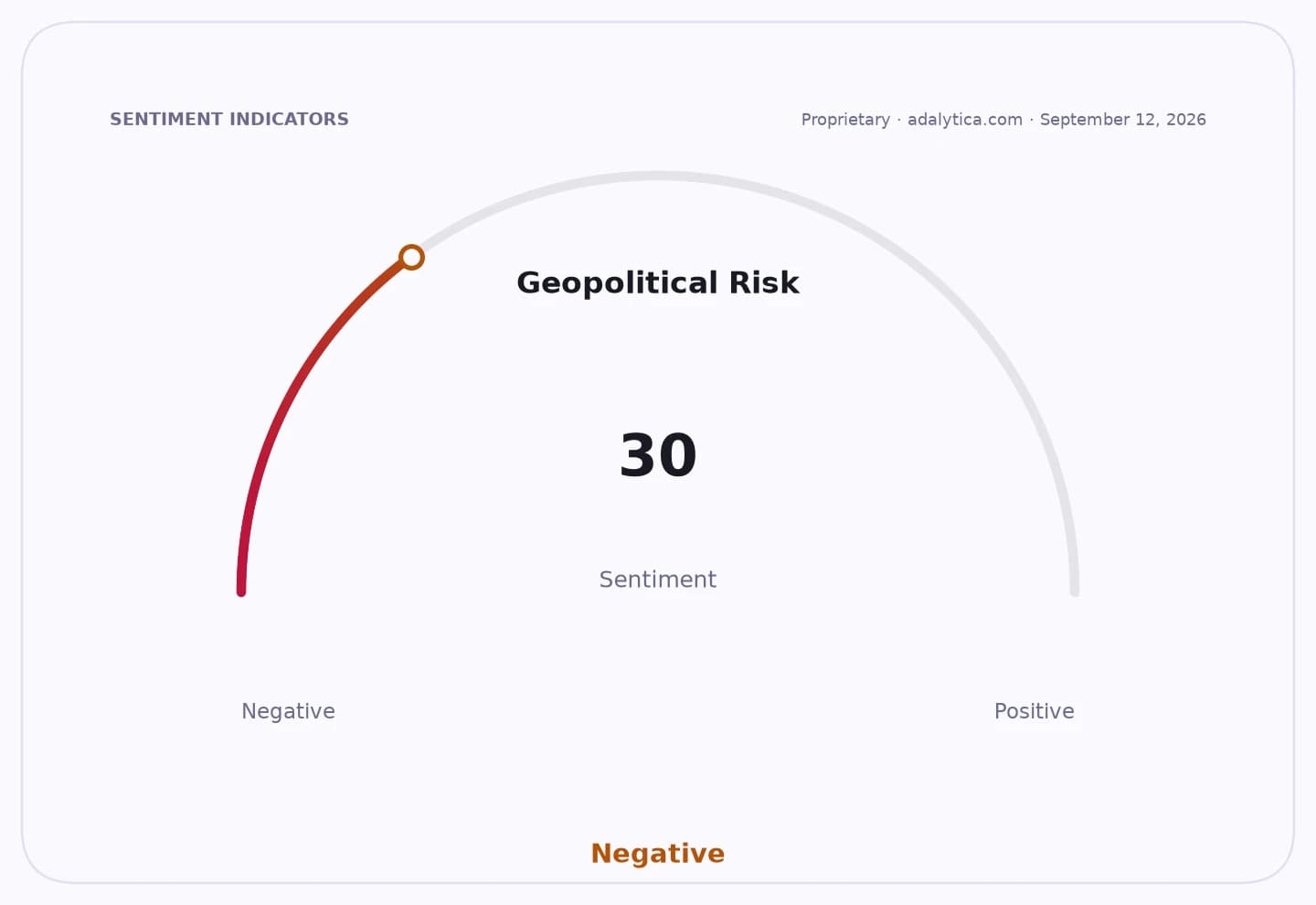
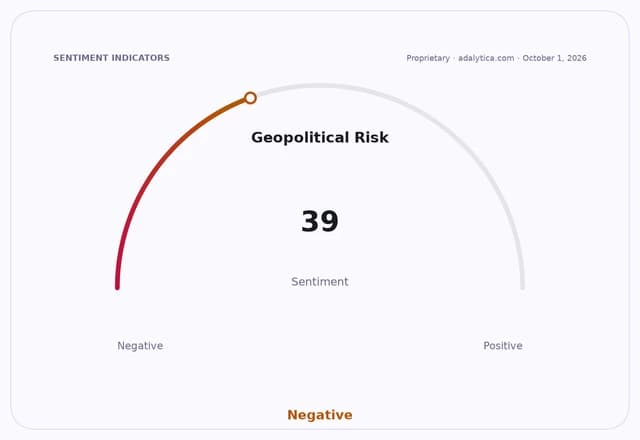
Sentiment IndicatorsⓘProprietary · adalytica.com · October 1, 2026
This is a snapshot — live sentiment, awareness and momentum for 130+ markets update continuously in the dashboard.Open AlphaPulse
Taiwan’s coast guard said it has “substantially improved” patrol and law enforcement capabilities in the waters around Pratas. A newly built pier completed in July allowed a 100-ton patrol vessel to be formally stationed on the islands, improving near-shore patrols and emergency response. Larger patrol ships are also being sent regularly, creating a layered security posture that is meant to discourage incursions and speed up enforcement if Chinese vessels come close.
The timing is important. Beijing claims Taiwan as part of China and has steadily increased military pressure around the island in recent years. Taiwan said Chinese coast guard patrols near Pratas have also risen, including earlier this month. That kind of persistent presence matters economically even when it stops short of open conflict: every escalation raises the risk premium for the region, complicates logistics planning and keeps defense budgets on an upward path.
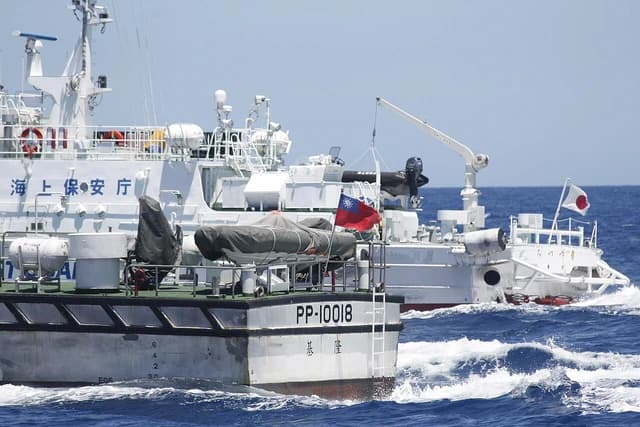
Pratas is especially sensitive because it is remote, lightly populated and strategically awkward to defend. There is an airstrip, but no permanent civilian settlement. Taiwan has also said it has seized nine Chinese fishing boats around the islands since the start of the year, then repurposed them for reef patrol and marine conservation work. That detail may sound small, but it shows how Taiwan is trying to use every available asset to maintain a presence in disputed waters without relying only on high-end military assets.
The broader picture is that the South China Sea is becoming more contested across multiple fronts. Alongside the patrol competition, China has been expanding its technical reach in the region, including deep-sea drilling capabilities that reinforce its long-term strategic ambitions. For investors, the takeaway is not a near-term market trade but a durable one: the more Beijing and Taipei harden their positions, the more valuable supply-chain resilience, defense exposure and regional diversification become.
Pratas will not move global markets on its own, but it is part of the same long-running story shaping Asia risk premiums. If China continues to press and Taiwan continues to fortify, expect more spending on surveillance, patrol assets and maritime enforcement — and a lasting reminder that geopolitical insurance, like any insurance, gets more expensive when the waters get rough.
| Entity | Gains | Losses |
|---|---|---|
| Taiwan Coast Guard | ▲stronger deterrence | ▼higher operating burden |
| Chinese coast guard | ▲tighter testing ground | ▼greater scrutiny |
| Defense contractors | ▲more demand for patrol assets | ▼— |
| Regional shipping and insurers | ▲— | ▼higher risk premium |