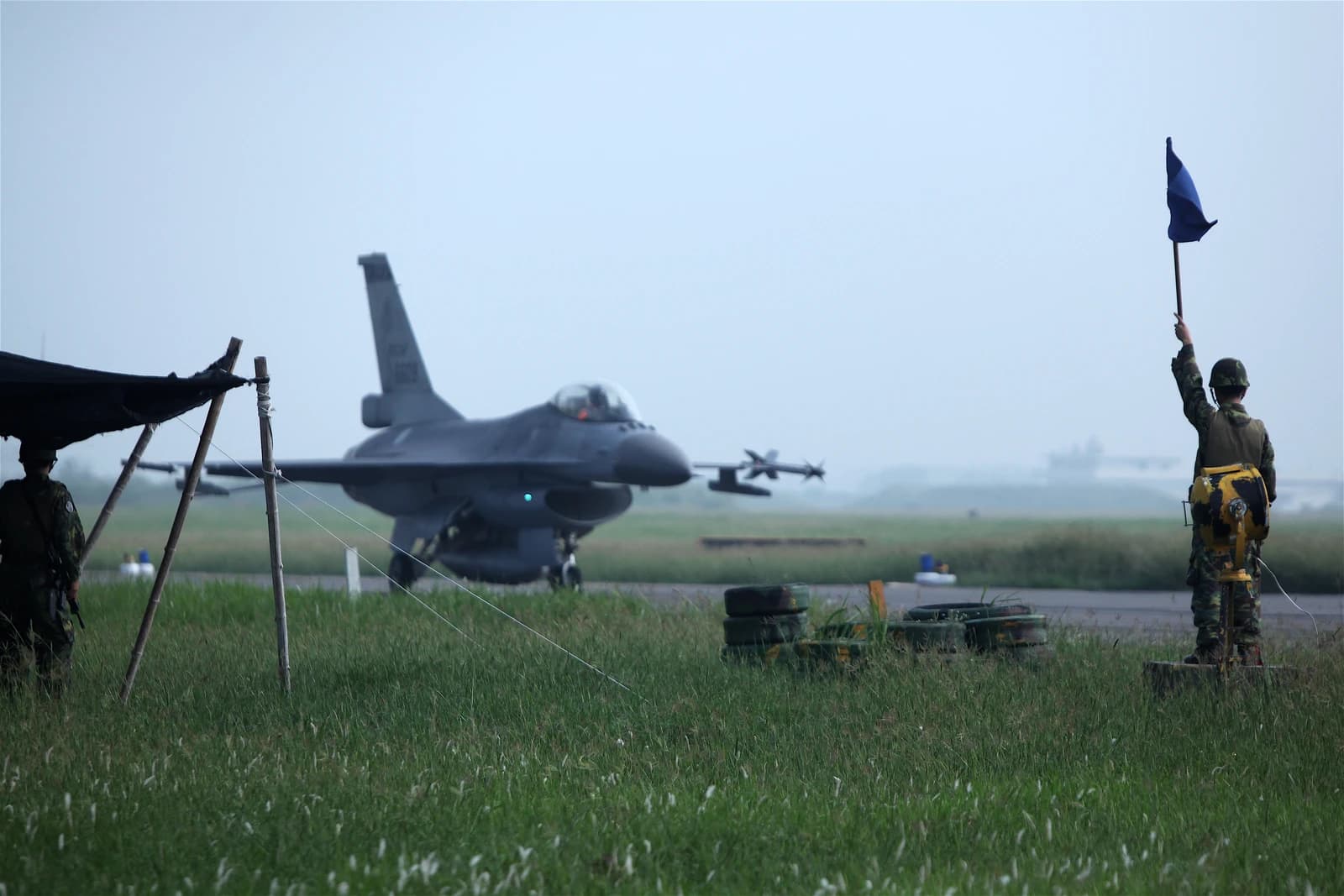
Taiwan is spending billions of dollars to build up sea and aerial drones, a push that is reshaping its defense procurement and drawing in international suppliers as Taipei races to make an invasion more costly for China.
Taiwan boosts drone spending for defense buildup
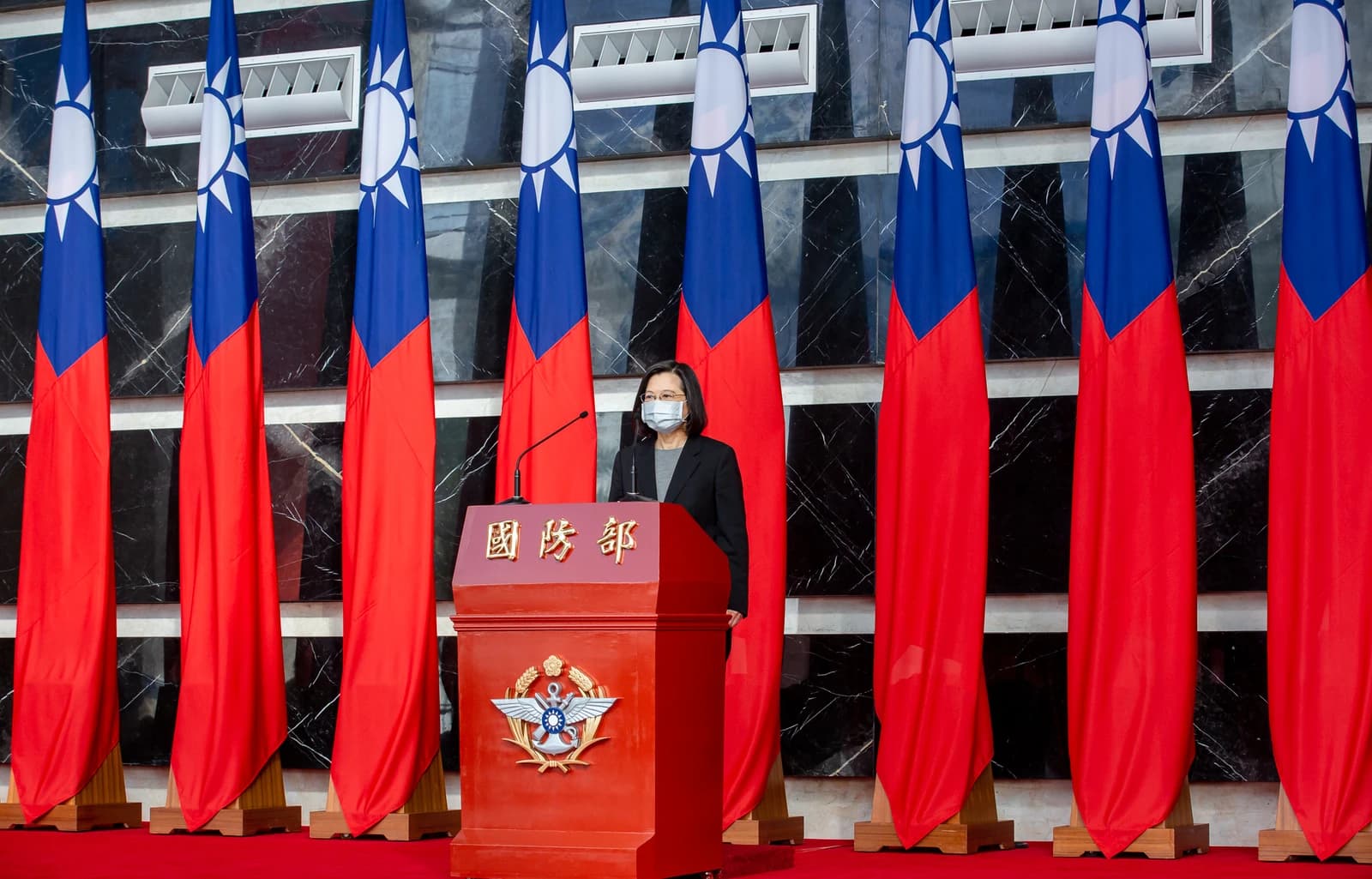
The strategy matters well beyond the island’s military. Drones offer Taiwan a faster, cheaper way to strengthen deterrence than traditional platforms such as fighters or ships, while also creating a new market for foreign defense contractors and component makers looking for exposure to a long-cycle rearmament trend in Asia.
Sentiment Indicators
Geopolitical Risk
Taipei’s move comes as cross-Strait risk stays elevated and governments and investors increasingly treat drones as core battlefield equipment rather than niche technology. The procurement wave also underscores how Ukraine’s war has accelerated interest in unmanned systems, supply-chain resilience and trusted partners for sensors, software and production.
That backdrop is helping defense names stay in focus. Shares of AeroVironment, which builds tactical drones and autonomous systems, have been volatile but remain far above where they traded in early November, while larger contractors Lockheed Martin and Northrop Grumman have also held up as investors continue to price in stronger global defense spending.
The market has a clear lens on the theme: countries facing the prospect of a larger power confrontation are shifting budgets toward relatively low-cost, scalable systems that can be fielded quickly and replenished after losses. For Taiwan, that means more spending on surveillance, strike and maritime drones, and for suppliers it means potential orders tied to training, software, propulsion, sensors and secure communications.
Investors will be watching whether Taiwan expands procurement into a broader ecosystem that includes European and U.S. partners, especially after reports of Taiwanese firms pursuing cooperation with Ukrainian drone manufacturers and pushing for trusted AI and drone supply chains with Europe.
The next catalyst is further procurement detail from Taipei and any new industrial partnerships that show which foreign firms can win a piece of the buildout.
| Entity | Gains | Losses |
|---|---|---|
| Taiwan defense suppliers | ▲Bigger procurement orders | ▼Higher production strain |
| U.S. drone makers | ▲New export demand | ▼Supply-chain pressure |
| China | ▲— | ▼Taiwan’s deterrence improves |
| Traditional weapons systems | ▲— | ▼Budget share erodes |