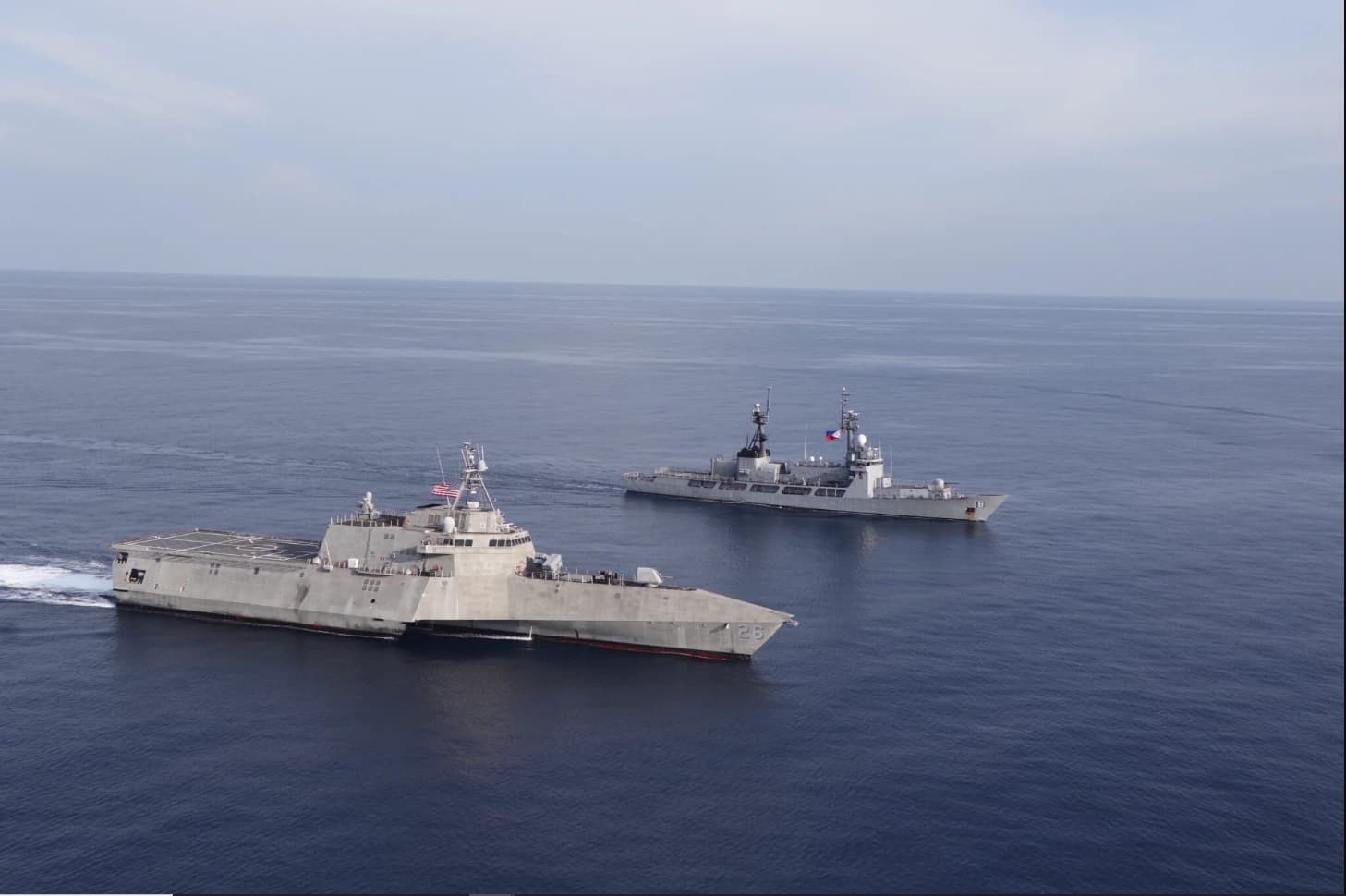
China’s view of a Pacific confrontation is shifting from a contest of sea and air power to a war of survivability, logistics and distributed land bases that can keep missiles, drones and allied forces fighting under fire.
Pacific Defense Spending Favors Missiles, Drones, Bases
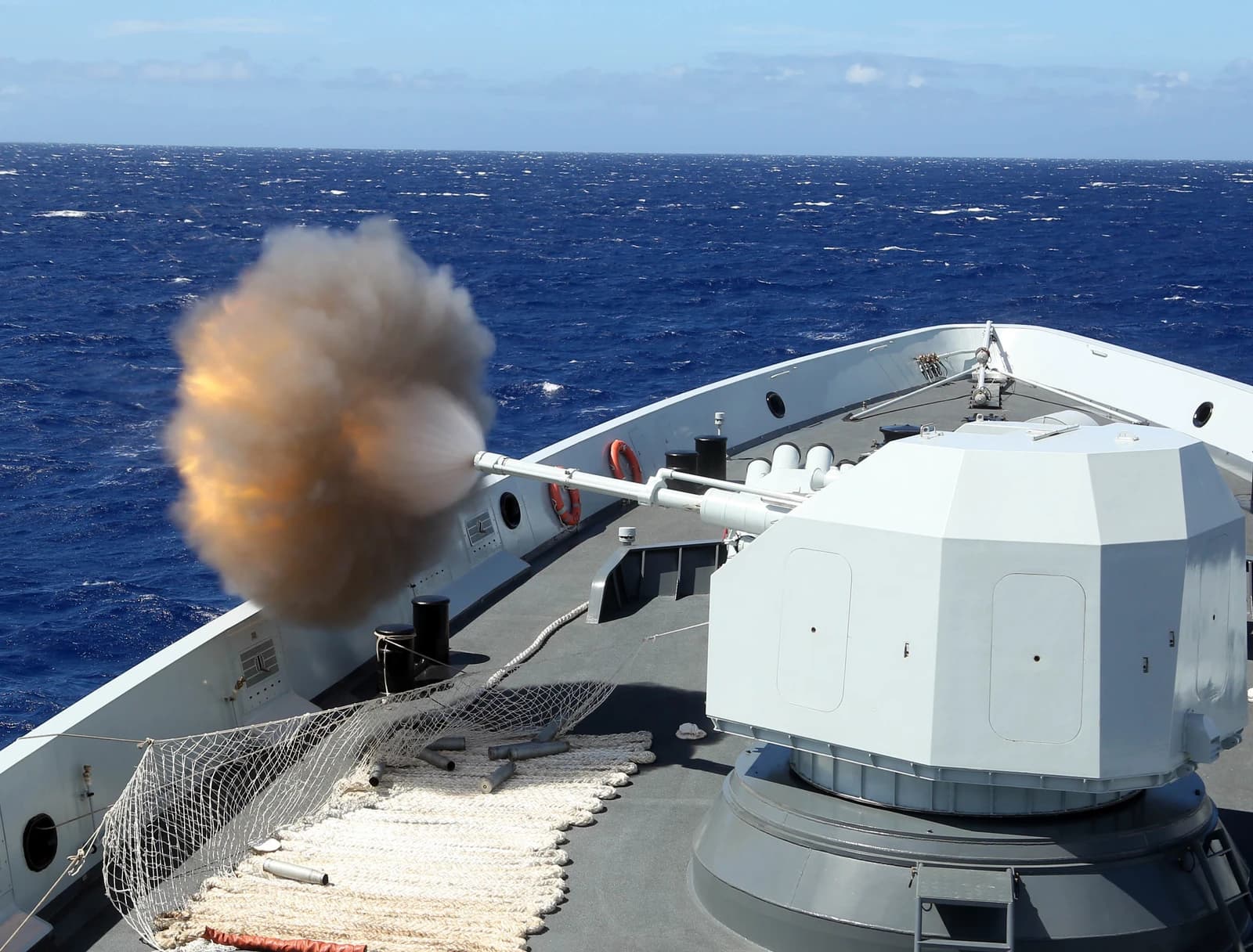
That is the most important takeaway from a growing body of U.S. and Chinese military commentary: in a region dominated by distance, the side that can protect its launch sites, resupply them quickly and keep command networks alive will have the advantage, even before the first ship is sunk or aircraft is downed. For investors, that makes the next phase of defense spending less about legacy platforms alone and more about integrated air and missile defense, long-range fires, autonomous systems and the infrastructure that supports them.
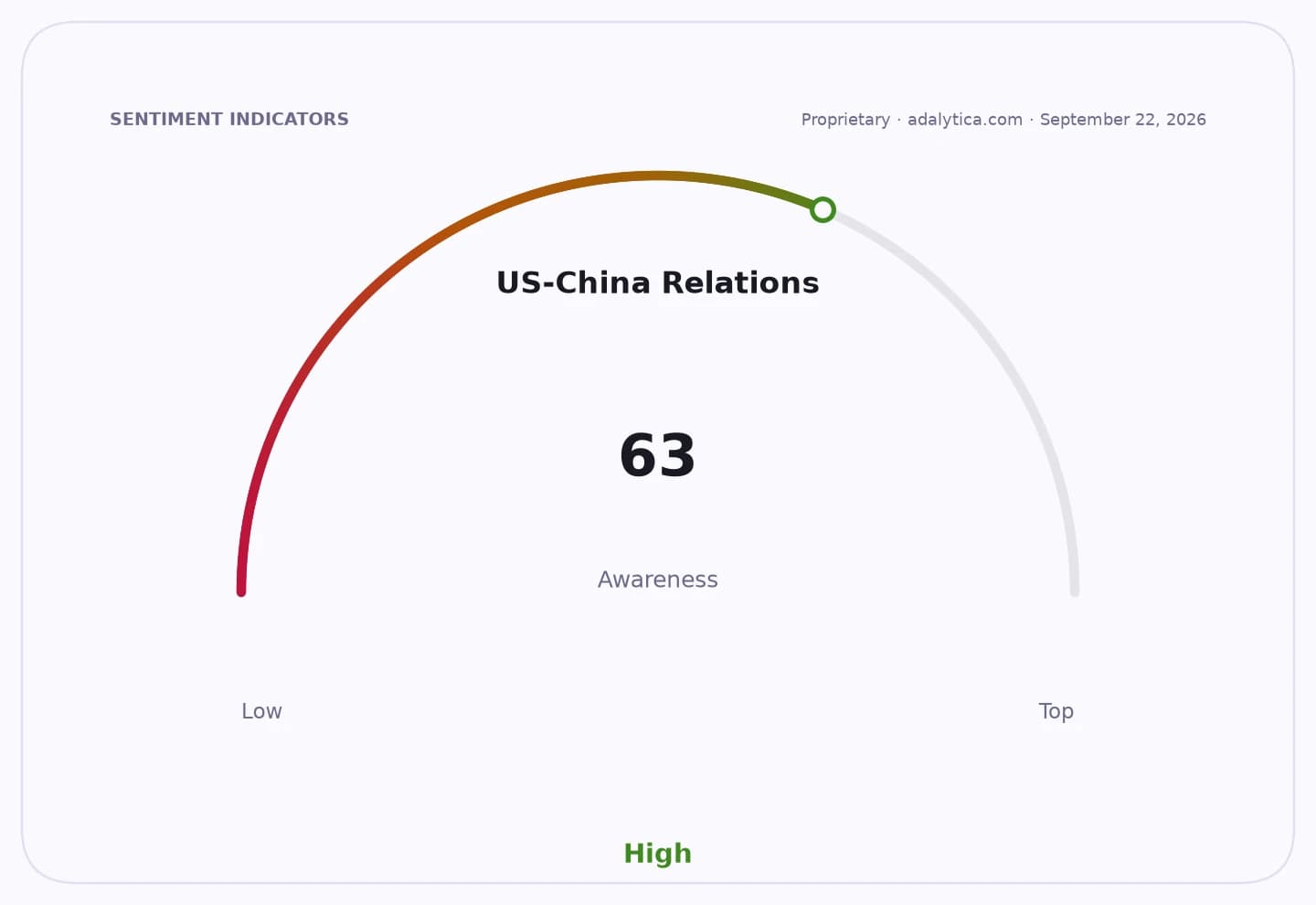
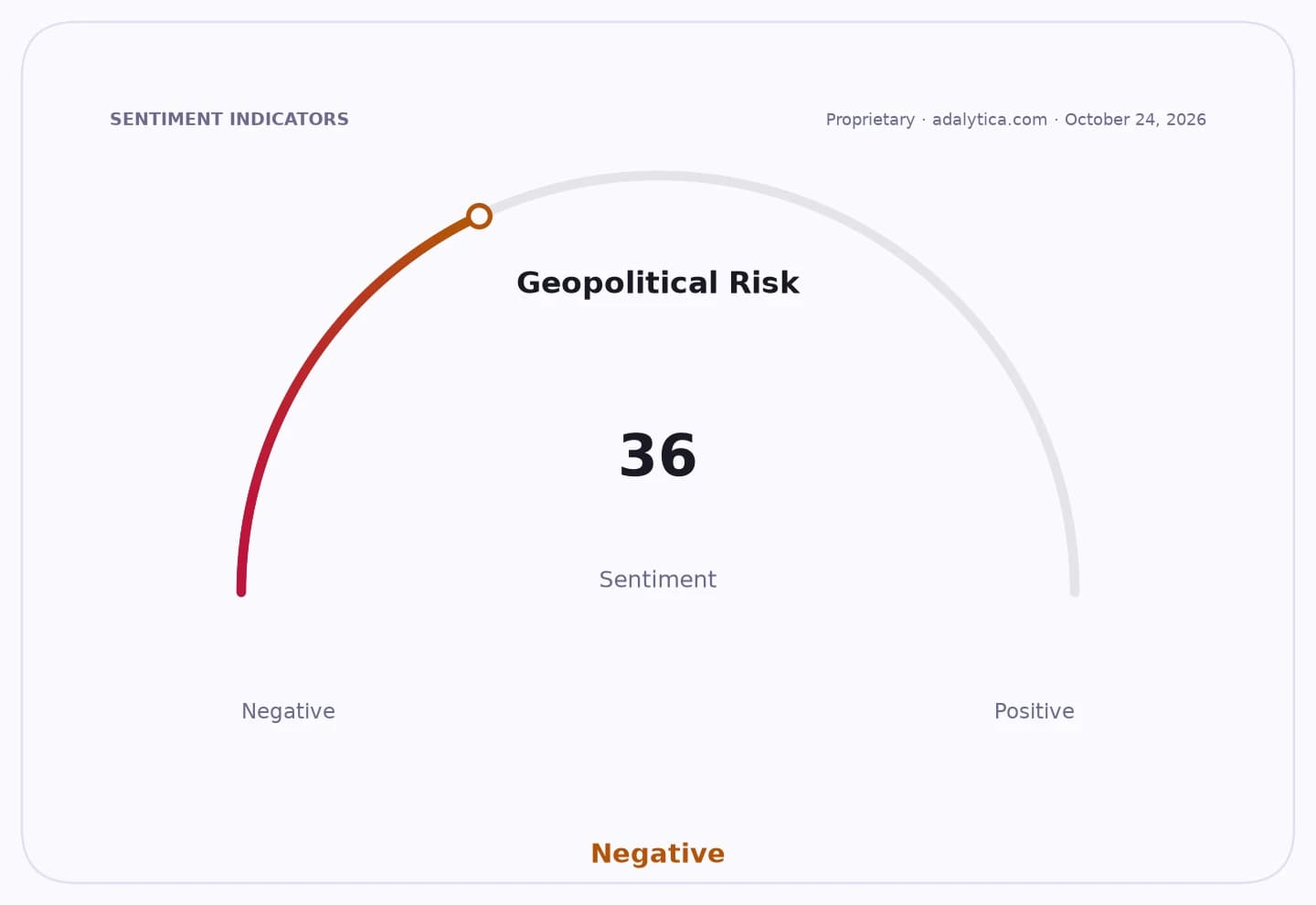
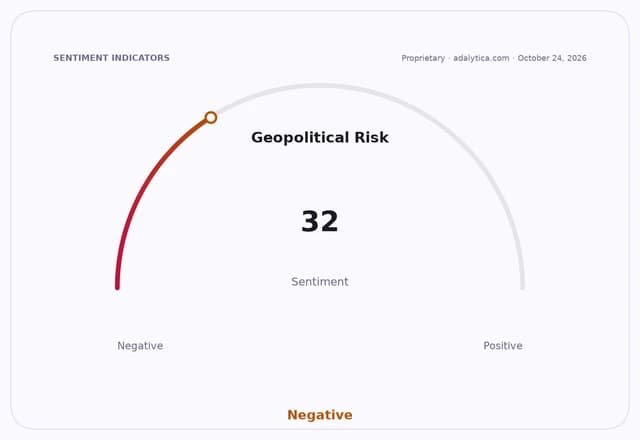
Sentiment IndicatorsⓘProprietary · adalytica.com · October 24, 2026
This is a snapshot — live sentiment, awareness and momentum for 130+ markets update continuously in the dashboard.Open AlphaPulse
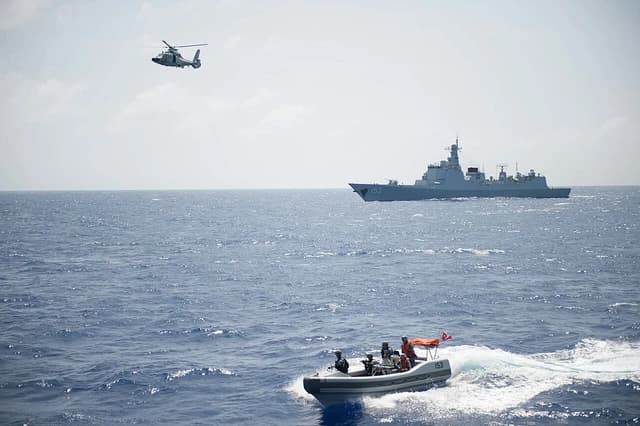
The Pacific is exposing a hard truth the market still tends to underprice: advanced weapons are only as useful as the bases, communications and supply chains that sustain them. U.S. Army Pacific commander Gen. Ron Clark, speaking through coverage cited by the South China Morning Post, argued that geography makes air and naval power insufficient on its own and that land, air defense and logistics are now prerequisites for using joint-force capabilities. He oversees more than 107,000 personnel spread across U.S. territories and allies including Japan and South Korea, with rotational deployments in the Philippines.
That matters because the Pentagon’s long-standing problem in the Pacific is not just access, but endurance. Chinese planners have spent years building anti-access and area-denial capabilities designed to push U.S. forces away from the first island chain and constrain movement around Taiwan. The U.S. answer, increasingly, is to disperse forces and create multiple, survivable points of pressure. In that model, the land is not a supporting theater — it is the enabling layer for maritime and air operations.
The investment implication is straightforward. If the fight becomes one of distributed survivability, then integrated air and missile defense becomes the most critical enabling layer in the region. That is why systems such as Lockheed Martin’s Patriot-related ecosystem and Northrop Grumman’s command-and-control architecture matter so much: they are the toll roads of Pacific deterrence, not the headline act. Lockheed has already surged above its 50-day and 200-day moving averages in the latest trading data, while Northrop’s shares have staged a powerful rebound, with price momentum and RSI readings showing strong near-term demand after a sharp October recovery. The market is clearly rewarding exposure to missile defense and C2 capacity.
The drone piece is just as important, and arguably more disruptive. A recent U.S. test in which an F-22 pilot controlled a YFQ-44A Fury from the cockpit points toward a future where piloted aircraft act as airborne commanders for fleets of autonomous wingmen. The Pentagon’s Collaborative Combat Aircraft program aims for an initial operational fleet of at least 500 aircraft by 2032. That is not an incremental procurement line; it is a doctrinal break. It suggests a force built around numbers, networking and attritable platforms rather than a smaller set of exquisite jets.
But the Chinese reading of that concept is notably skeptical. Analysts cited in the reporting warn that drones are vulnerable to jamming, speed mismatches and poor interoperability, while artificial intelligence can fail under deception, limited training data and degraded sensing. That is the real battleground: not whether autonomy exists, but whether it can survive electronic warfare and contested communications. For investors, that shifts attention toward the companies selling the plumbing — sensors, datalinks, electronic warfare resilience, battle management software and hardened networks.
The U.S. Army’s Meridian project reinforces the same point. It is designed to identify future battlefield needs and rank investment across AI, autonomous systems and robotics. A Beijing research institute quoted in the reporting argued for judging capabilities not by platform category but by operational gaps, data exchange, communications, interoperability and logistics. That is the right framework for capital allocation as well. The winners are not necessarily the builders of the most glamorous hardware. They are the firms that can make joint systems work together at speed under attack.
| Entity | Gains | Losses |
|---|---|---|
| Lockheed Martin | ▲Missile-defense demand | ▼Budget pressure on legacy programs |
| Northrop Grumman | ▲Command-and-control spending | ▼Reliance on platform-heavy procurement |
| Drone and sensor suppliers | ▲Autonomous warfare adoption | ▼Jamming and interoperability risk |
| China’s PLA planners | ▲Amphibious and dispersed-force doctrine | ▼Exposure of fixed bases and supply lines |