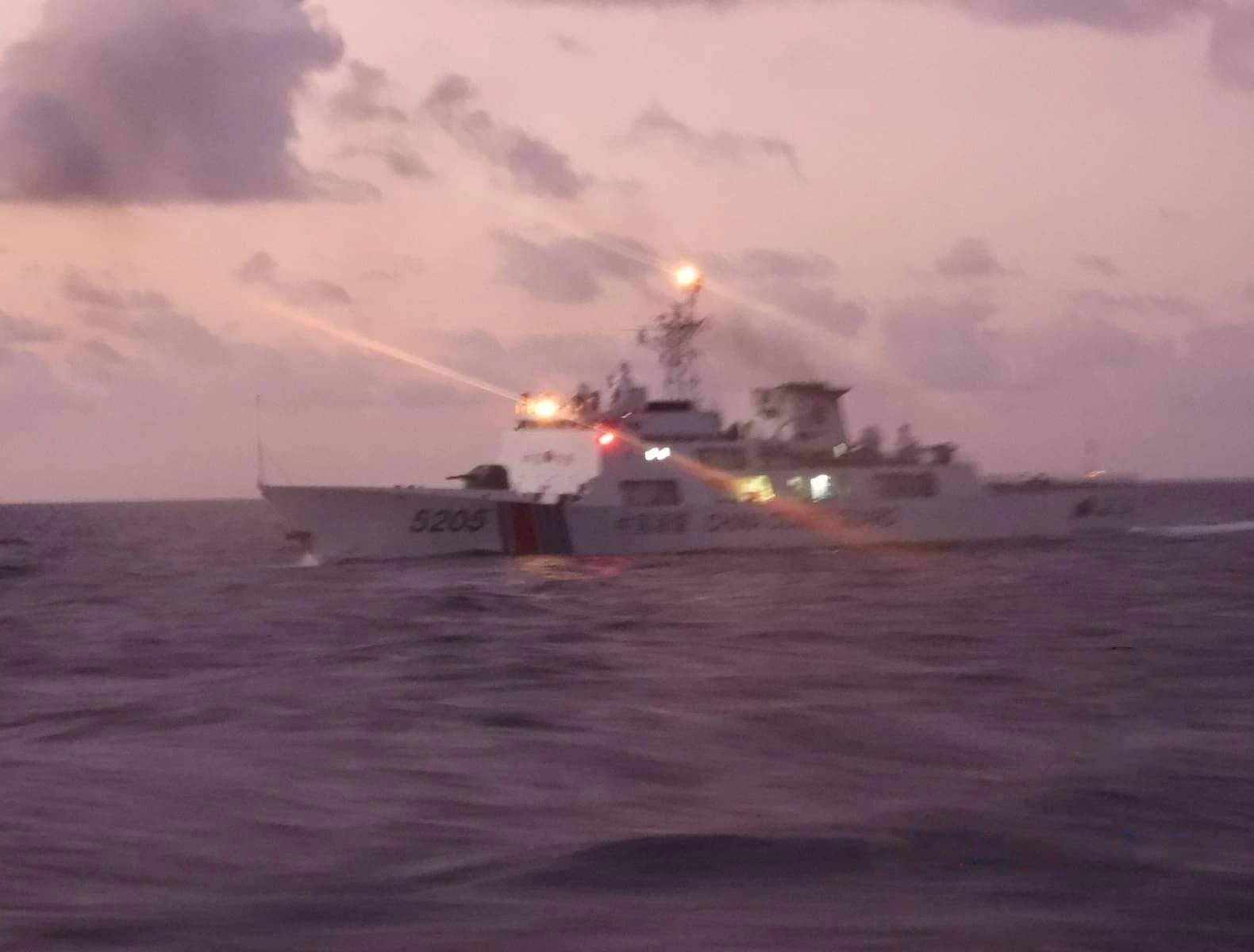
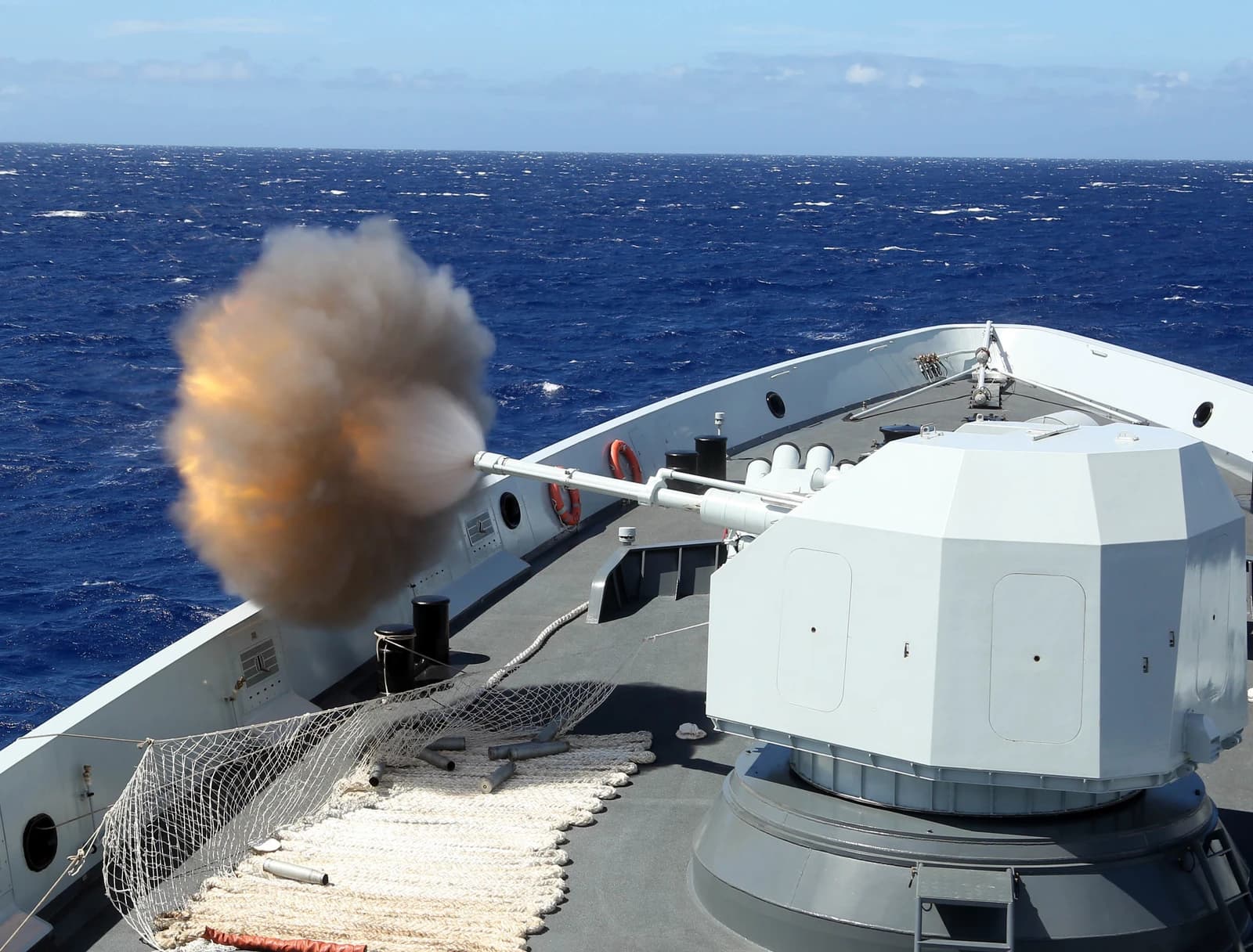
China has dispatched naval forces to shadow a US warship near Sabina Shoal in the disputed South China Sea, a reminder that the region remains one of the most combustible flashpoints in US-China relations and a growing risk for Asian security and shipping lanes.
China shadows USS Charleston near Sabina Shoal
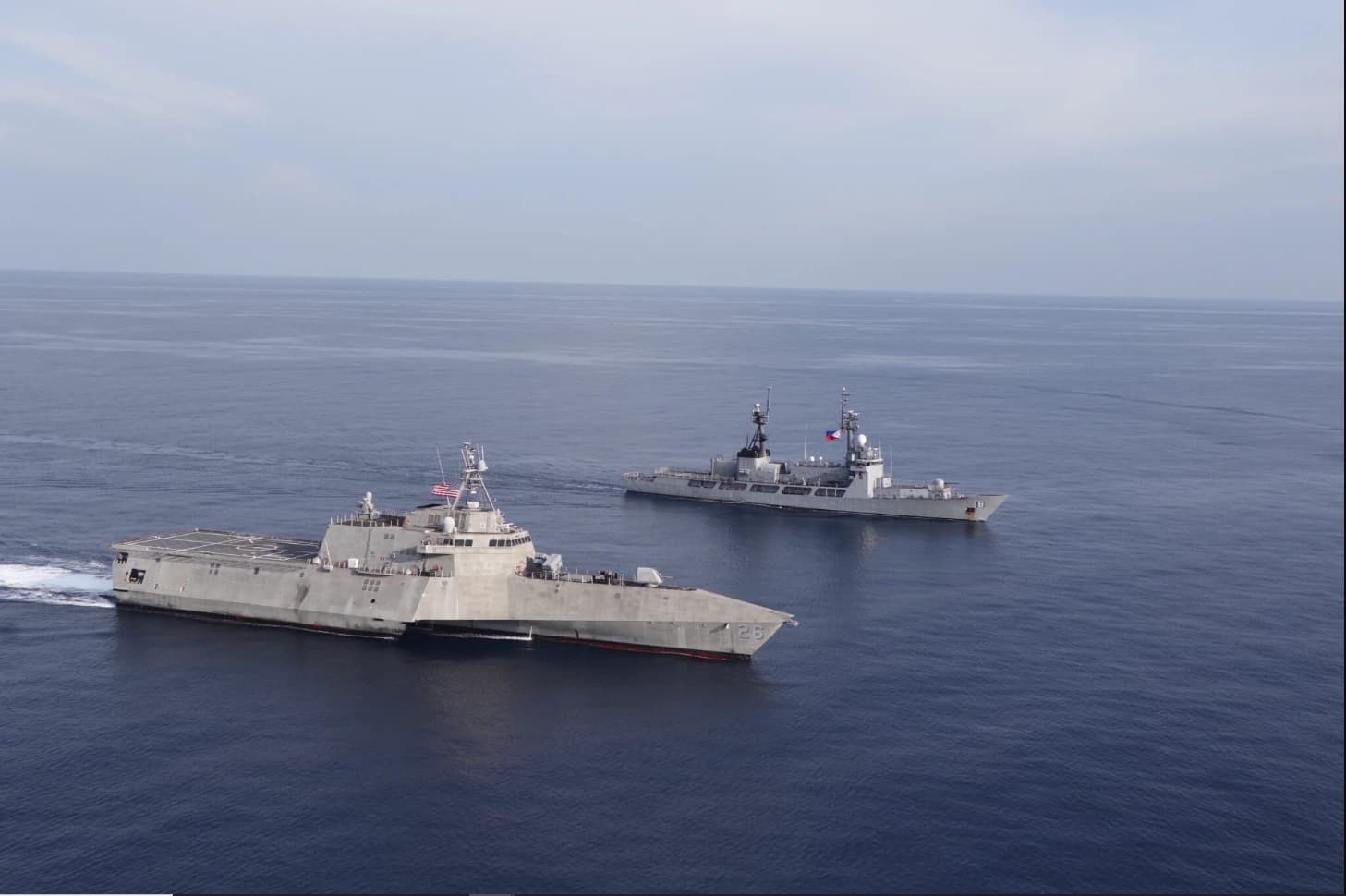
Beijing said the USS Charleston “illegally intruded” into waters adjacent to the shoal early Tuesday without Chinese government approval and said the Navy sent forces to track and monitor the ship. The US Navy did not immediately comment. For investors, the episode matters less for any immediate military impact than for what it signals: both sides are continuing to test each other’s red lines in a body of water that carries a large share of global trade and sits at the center of broader strategic competition.
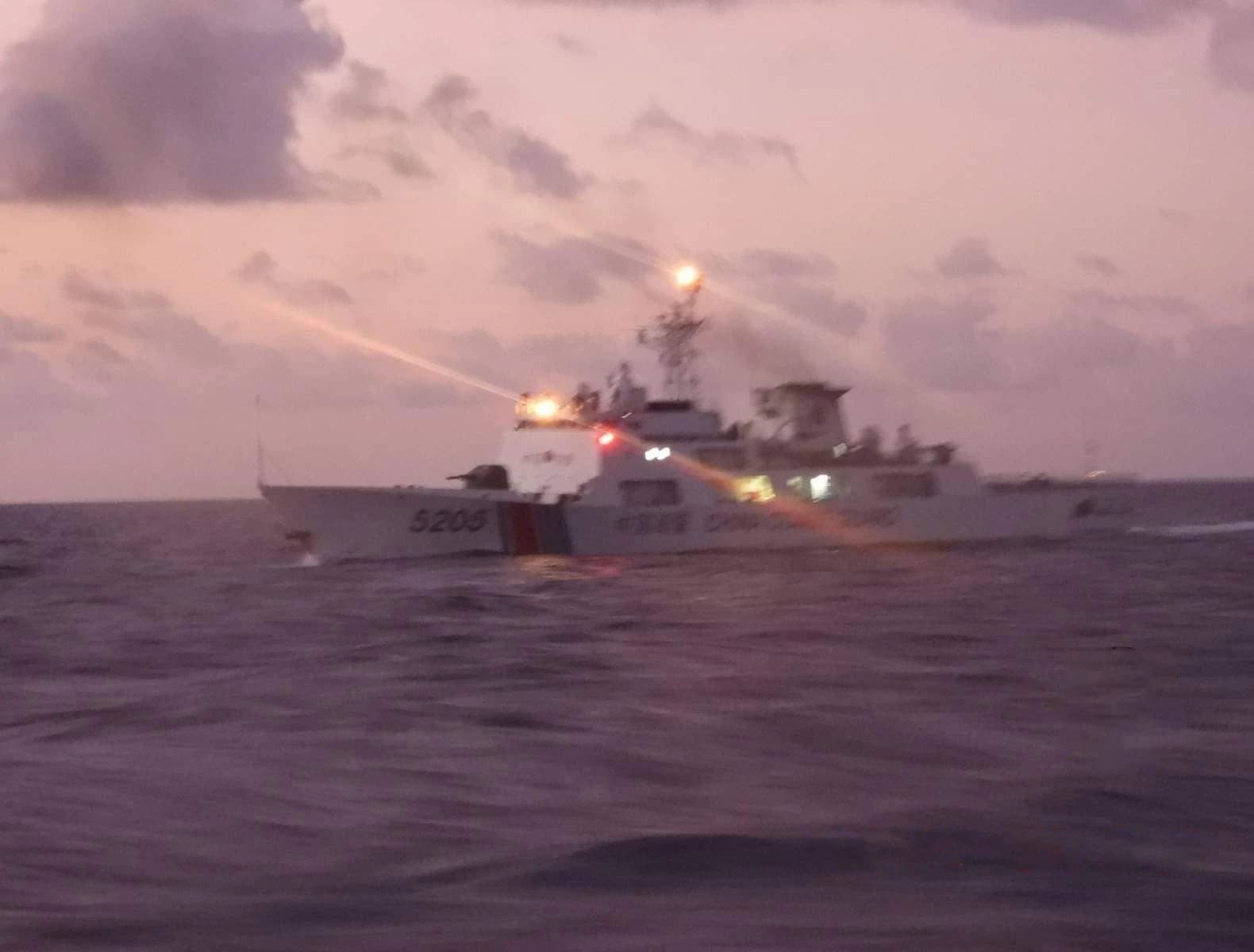
The confrontation comes after a China Coast Guard vessel rammed a Philippine boat near the same shoal last month, underscoring how quickly disputes around the Spratly Islands can escalate into incidents involving multiple powers. China claims almost the entire South China Sea, while Brunei, Malaysia, the Philippines, Taiwan and Vietnam all have overlapping claims. The Philippines has a mutual defense treaty with the US, making any clash near Manila’s vessels or outposts potentially more consequential for Washington.
The timing also matters because US freedom of navigation operations in the South China Sea have become less frequent and more politically charged. Beijing routinely frames such patrols as infringements on sovereignty, while Washington treats them as necessary to contest excessive maritime claims. That makes each encounter both a military message and a diplomatic signal, with the risk that even a limited incident could tighten US-China relations further, complicate regional diplomacy and increase the premium on defense readiness across the Indo-Pacific.
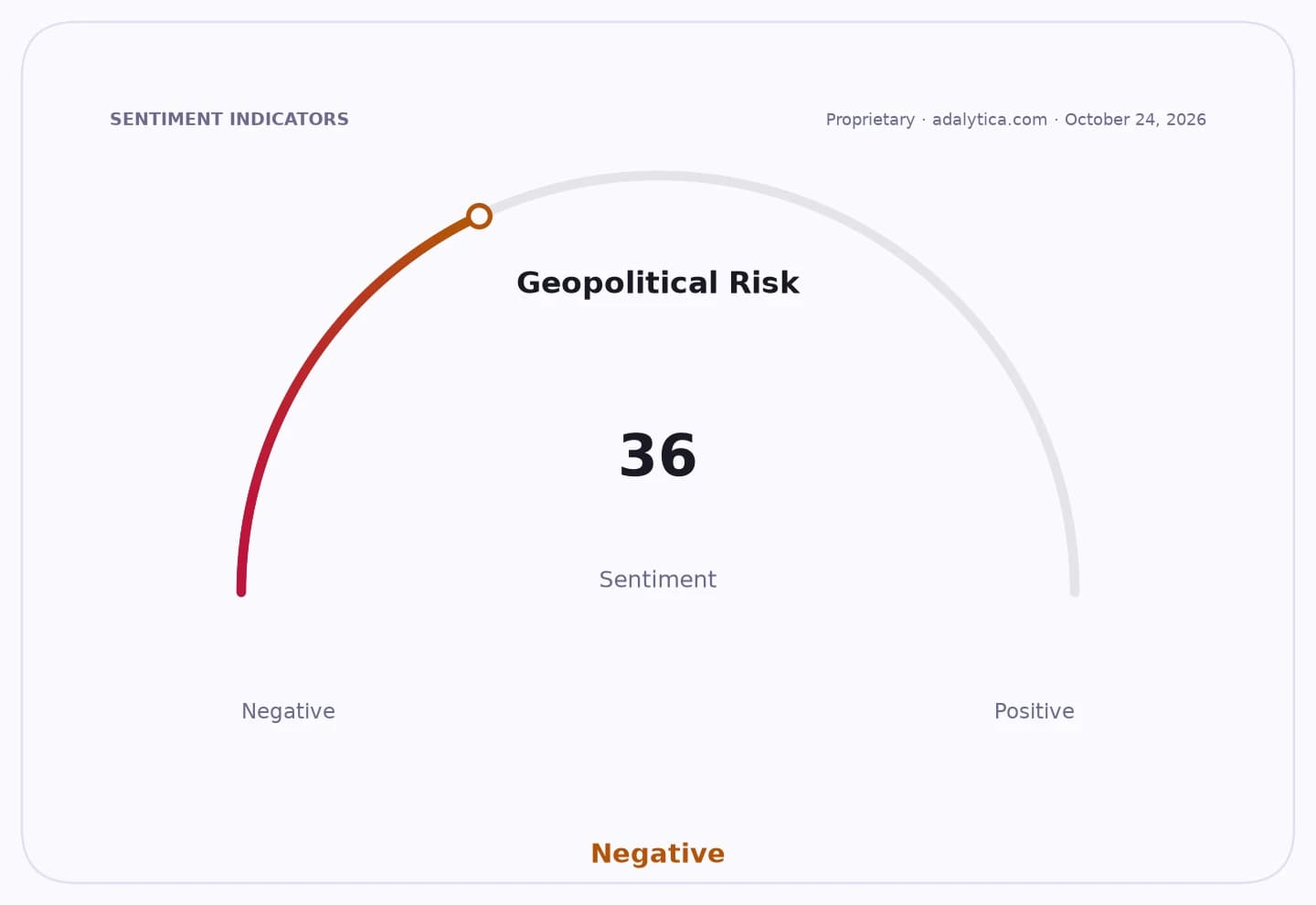
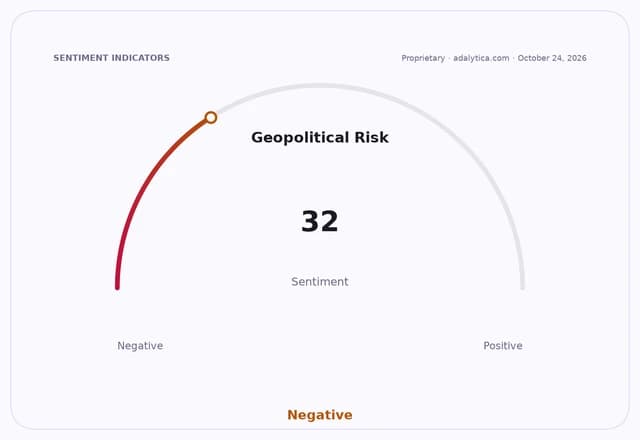
Geopolitical Risk — 30-day sentimentadalytica.com
Explore this data interactively — full history, time series and cross-market comparisons.Open AlphaPulse
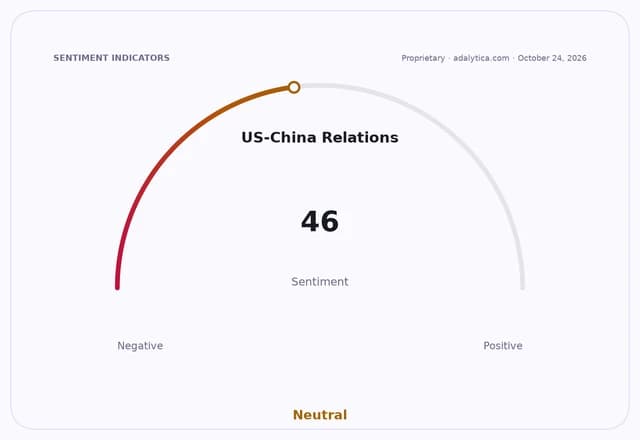
For defense contractors, the broader backdrop is supportive rather than event-driven. Northrop Grumman, Lockheed Martin and peers have repeatedly pointed to heightened tensions in the Western Pacific as a factor behind demand for surveillance, missile defense and naval systems. That does not mean one patrol changes earnings, but sustained friction in the South China Sea reinforces the investment case for higher allied defense spending and longer procurement cycles.
The larger market implication is that geopolitical risk in Asia is not easing. With both sides keeping a forward military presence and neither showing willingness to step back, the shoal is likely to remain a live stress point for US-China ties, regional security planning and defense budgets.
| Entity | Gains | Losses |
|---|---|---|
| China | ▲Claims maritime resolve | ▼Faces escalation risk |
| US Navy | ▲Signals presence | ▼Drawn into standoff |
| Philippines | ▲Gains US backing | ▼Faces direct pressure |
| Defense contractors | ▲Supports demand outlook | ▼None immediate |