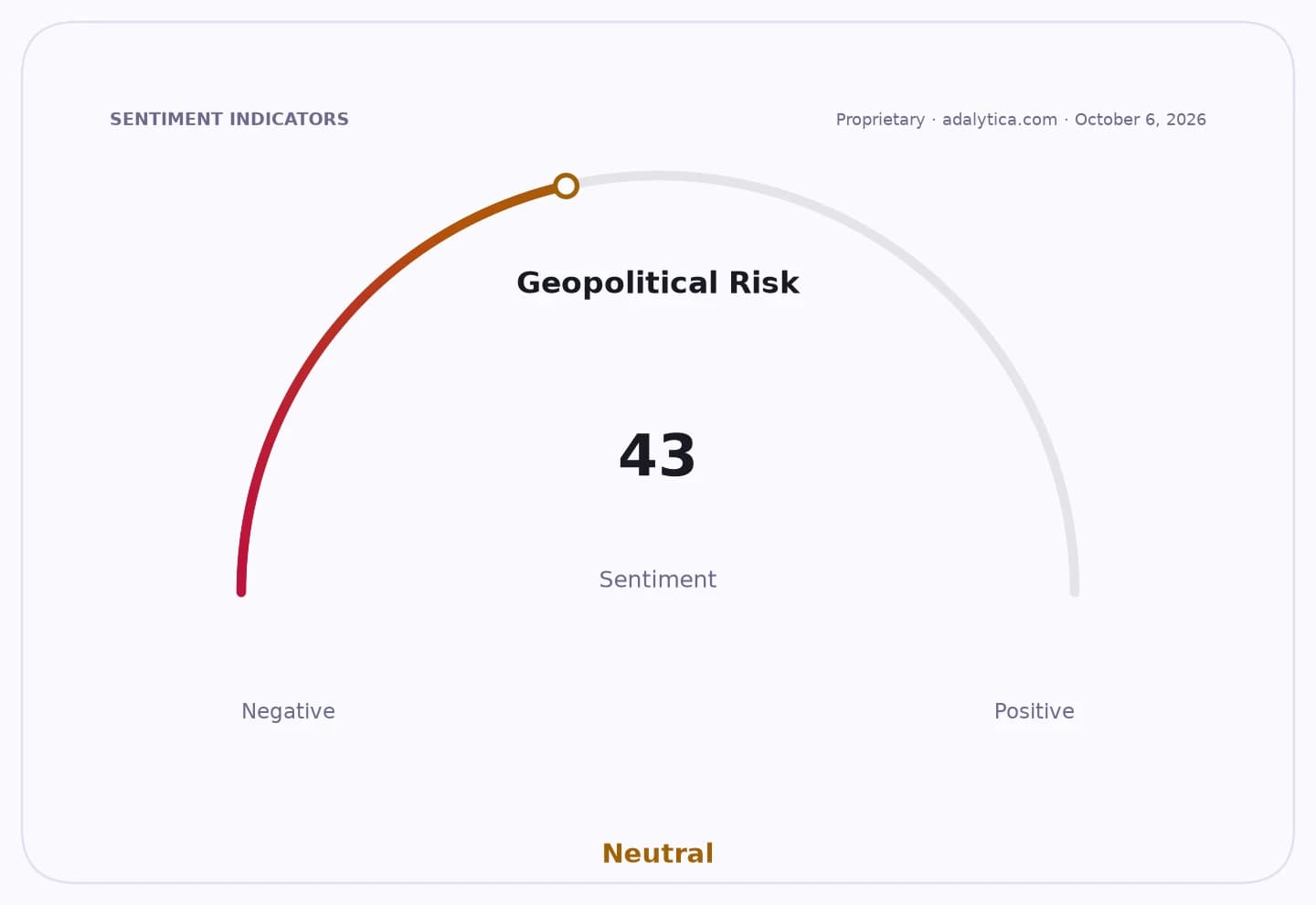
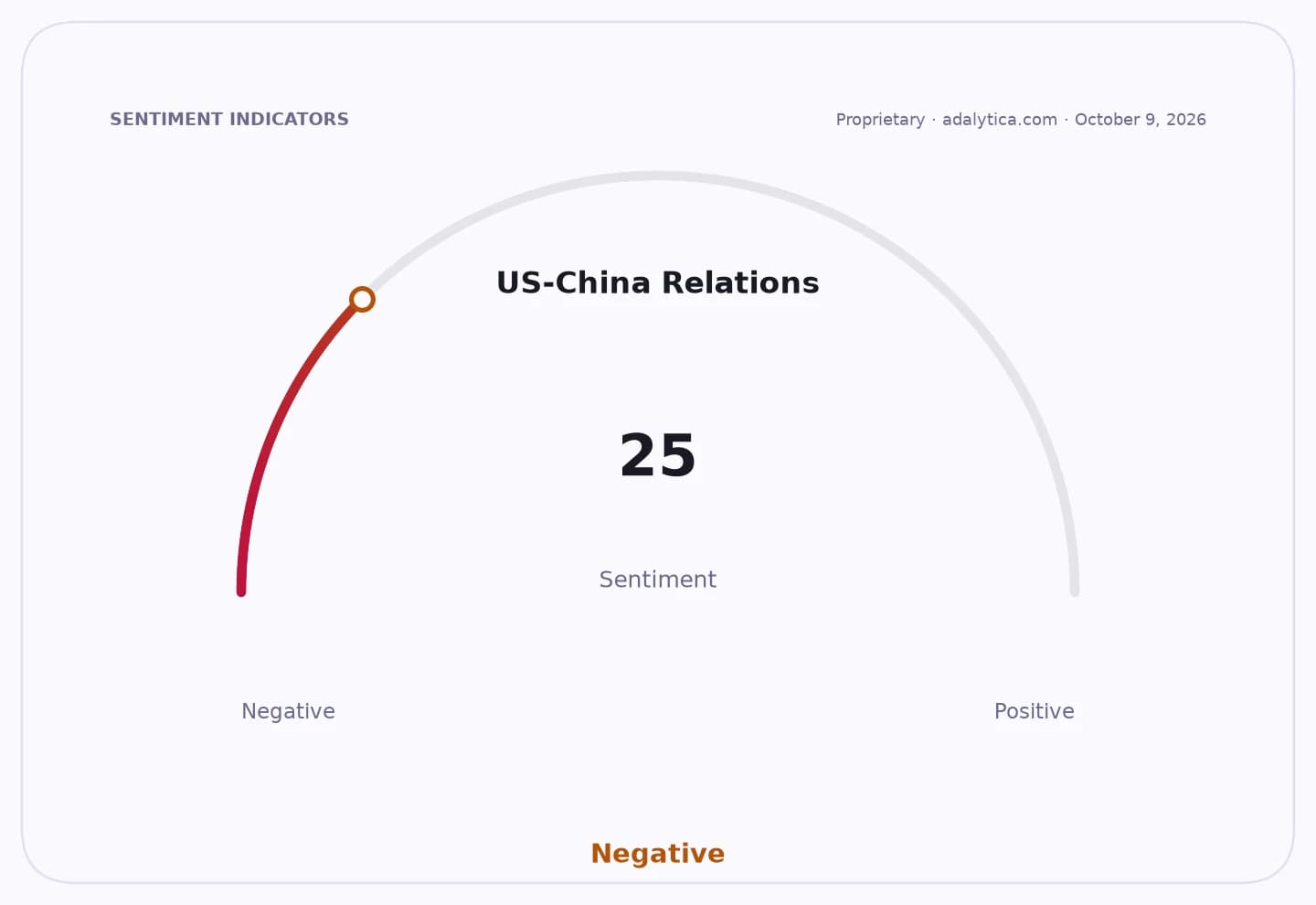
China’s pledge to take “firm measures” against what it calls subversive movements in the South China Sea is a fresh reminder that one of the world’s most important trade corridors is moving deeper into geopolitical stress — and that matters for everything from tanker rates and insurance costs to defense spending and commodity flows.
China South China Sea Claims Pressure Shipping
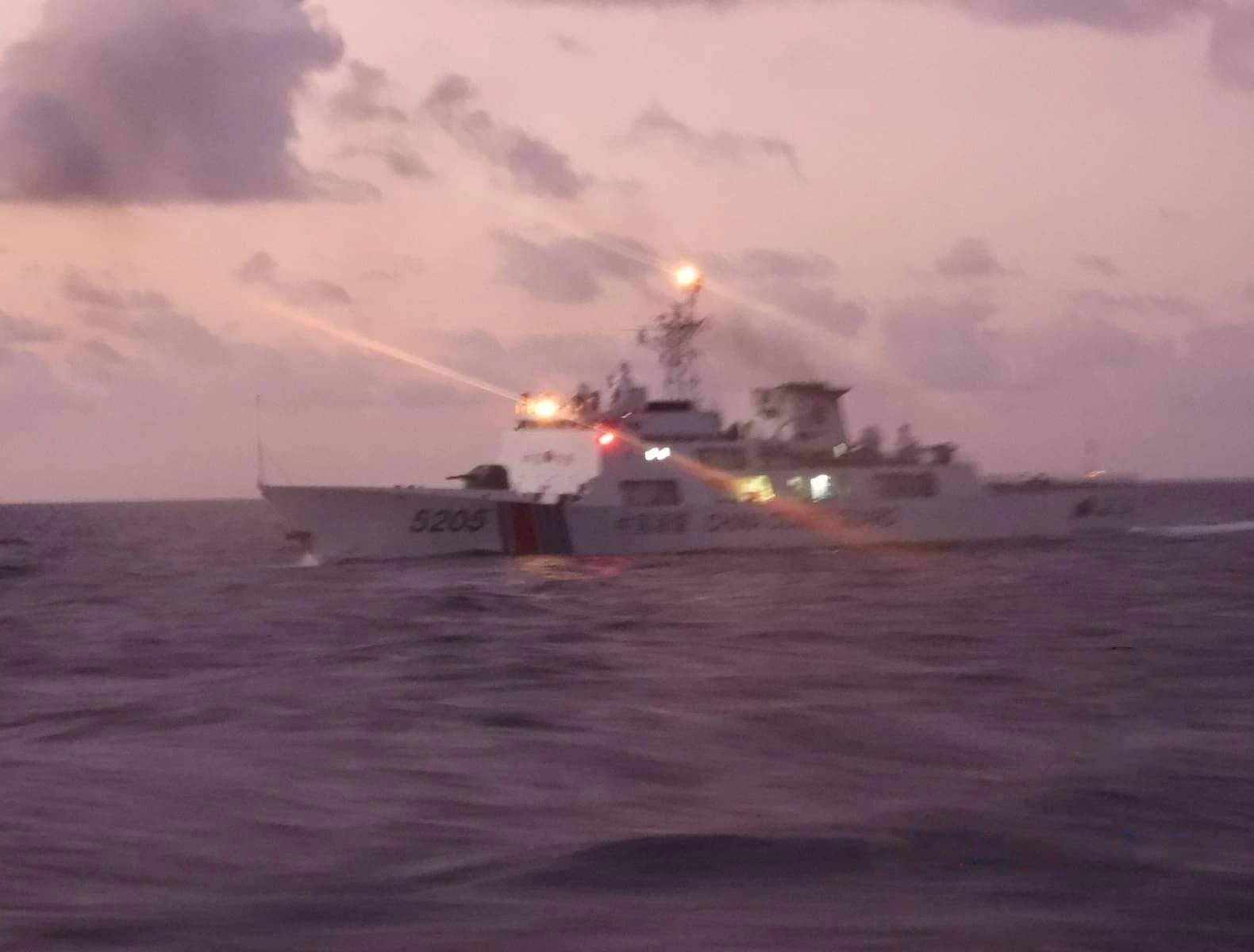
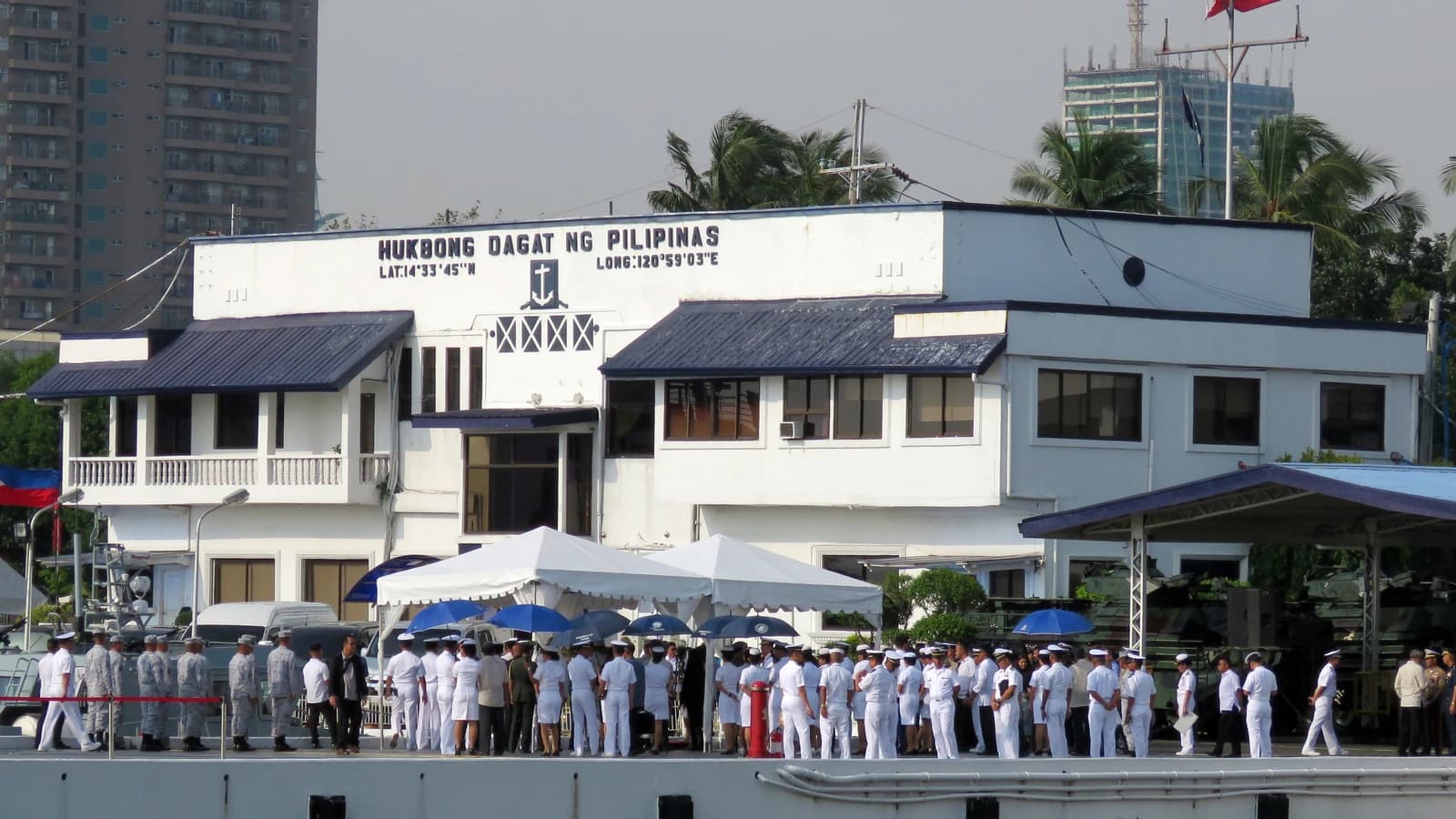
Beijing’s defense ministry on Friday said China has indisputable sovereignty over Huangyan Dao, the Spratly chain and surrounding waters, and accused the Philippines of stirring unrest with outside support. The message is not just diplomatic bluster. It signals a harder enforcement posture around a route that carries a massive share of global seaborne trade, energy shipments and regional supply chains, while raising the odds of more frequent standoffs that can disrupt traffic and lift operating costs.
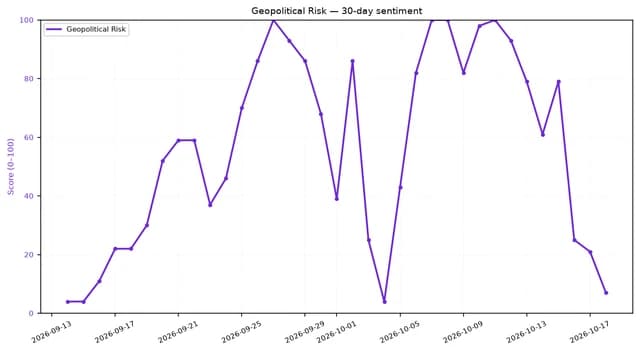
Sentiment IndicatorsⓘProprietary · adalytica.com · October 19, 2026
This is a snapshot — live sentiment, awareness and momentum for 130+ markets update continuously in the dashboard.Open AlphaPulse

For investors, the immediate implication is a higher risk premium across maritime assets tied to Asia trade. When geopolitical friction rises in the South China Sea, freight markets, war-risk insurance, bunker demand and rerouting costs tend to benefit the owners of ships and the providers of logistics capacity — while importers, exporters and consumers absorb the bill. That dynamic helps explain why shipping names have been sensitive to every escalation in the region.
The market backdrop already points to a tougher shipping environment. Brent crude has moved back above $100 a barrel in the supplied data, a reminder that any disruption to Asian energy lanes can feed directly into transportation costs. At the same time, container and dry-bulk operators have been trading with elevated volatility as investors price in supply-chain strain and stronger pricing power for carriers when trade routes become more fragile.
That is why the beneficiary list is clear. Operators with exposure to transpacific and Asia-linked trade lanes — including Matson and dry-bulk owners such as Genco Shipping and Star Bulk — can gain if shippers are forced to pay more to move cargo through a more contested maritime zone. The technical picture also shows both Genco and Star Bulk coming off recent pullbacks after strong runs, suggesting the market is still treating them as cyclical names rather than geopolitical hedges. If tensions intensify, that view may prove too narrow.
The bigger message is that South China Sea risk is no longer a background headline. It is a structural input into Asia trade, energy logistics and regional defense procurement. China’s language implies it is prepared to lean harder on maritime claims, while the Philippines is signaling it will not back down. That combination keeps the region on a short fuse and supports a longer-term investment case for defense, shipping and infrastructure firms positioned to profit from a less predictable maritime order.
For investors, the play is to stay exposed to the picks-and-shovels beneficiaries of geopolitical fragmentation, not the countries and industries that have to absorb the shock. In a world where sea lanes are becoming bargaining chips, pricing power belongs to the companies that move cargo, secure routes and harden supply chains.
| Entity | Gains | Losses |
|---|---|---|
| Shipping owners | ▲Higher freight and insurance rates | ▼Route disruption risk |
| Matson / Asia carriers | ▲Pricing power on transpacific trade | ▼Higher operating costs |
| Genco Shipping, Star Bulk | ▲Dry-bulk rate upside | ▼Volatile equity multiples |
| Importers and exporters | ▲Faster supply-chain adjustments | ▼Higher transport and fuel bills |