Indonesia is trying to keep the South China Sea from sliding into a more dangerous phase by leaning on diplomacy, practical cooperation and regional rules — a reminder that even small confidence-building steps can matter when rival claimants are testing each other at sea.
Indonesia pushes South China Sea cooperation
That matters economically because the South China Sea is one of the world’s most important shipping lanes, and any escalation risks higher insurance costs, disrupted trade flows and fresh pressure on the regional supply chains that underpin Southeast Asia’s growth. Indonesia is not a direct claimant in the fiercest disputes, but it has a major stake in preserving a stable maritime order that protects ports, fishing grounds, energy assets and investment.
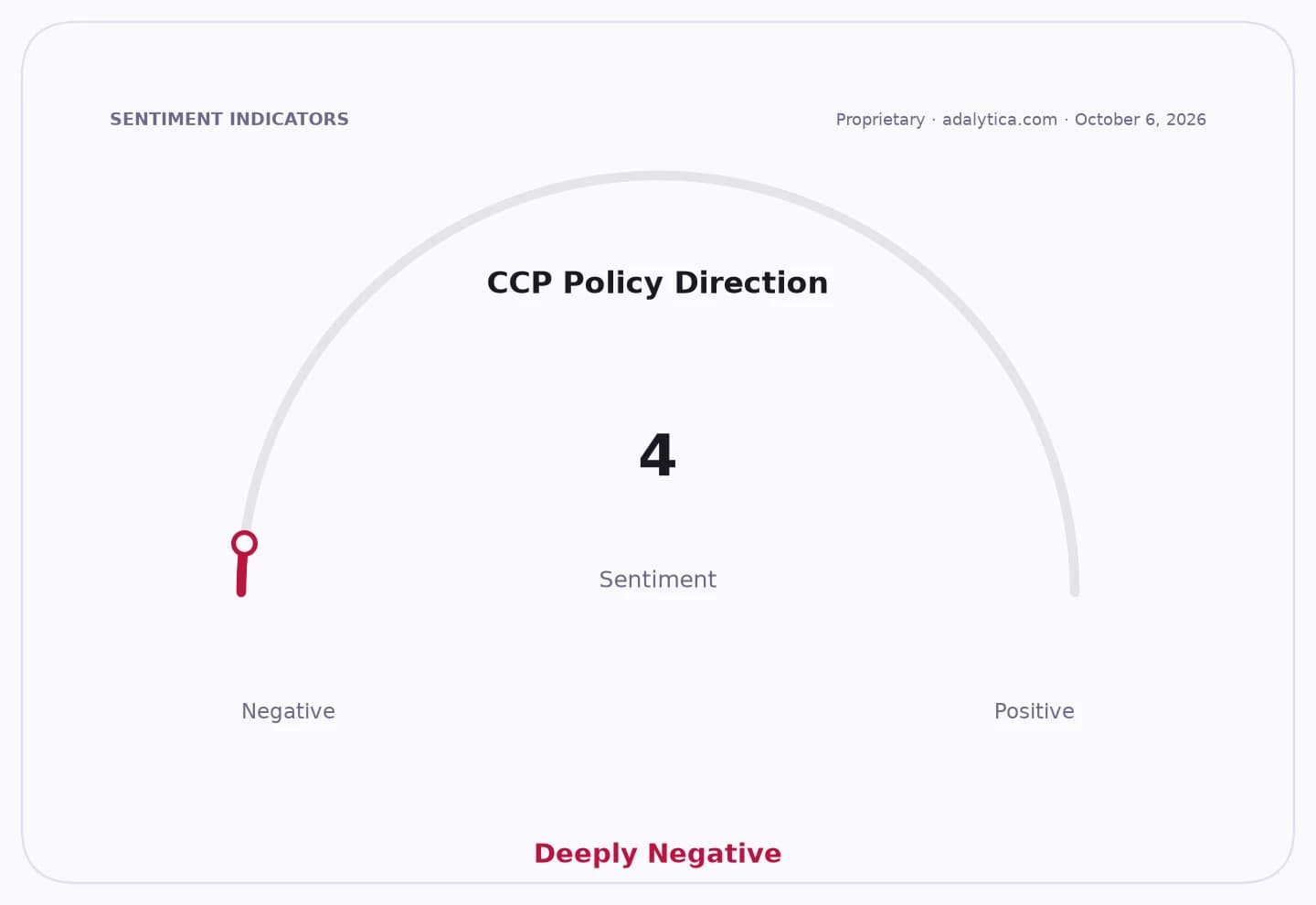
Sentiment IndicatorsⓘProprietary · adalytica.com · October 6, 2026
This is a snapshot — live sentiment, awareness and momentum for 130+ markets update continuously in the dashboard.Open AlphaPulse
Jakarta’s latest message was delivered by Deputy Foreign Minister Arif Havas Oegroseno, who said countries in the region must preserve a “habit of cooperation” built since 1990 and turn dialogue into concrete projects that build trust. He also pointed to the Treaty of Amity and Cooperation in Southeast Asia, the bloc’s long-standing framework for settling differences peacefully.
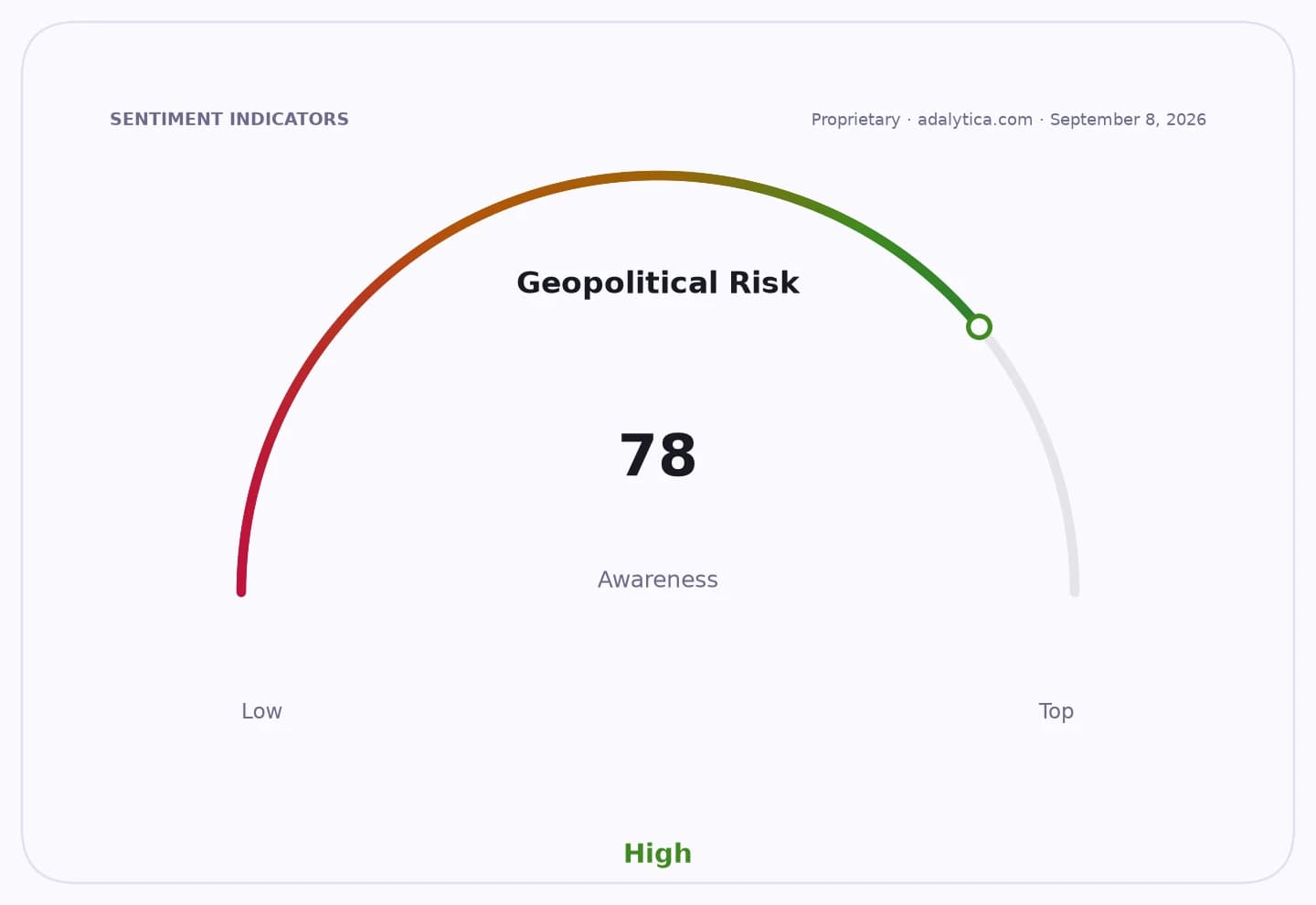
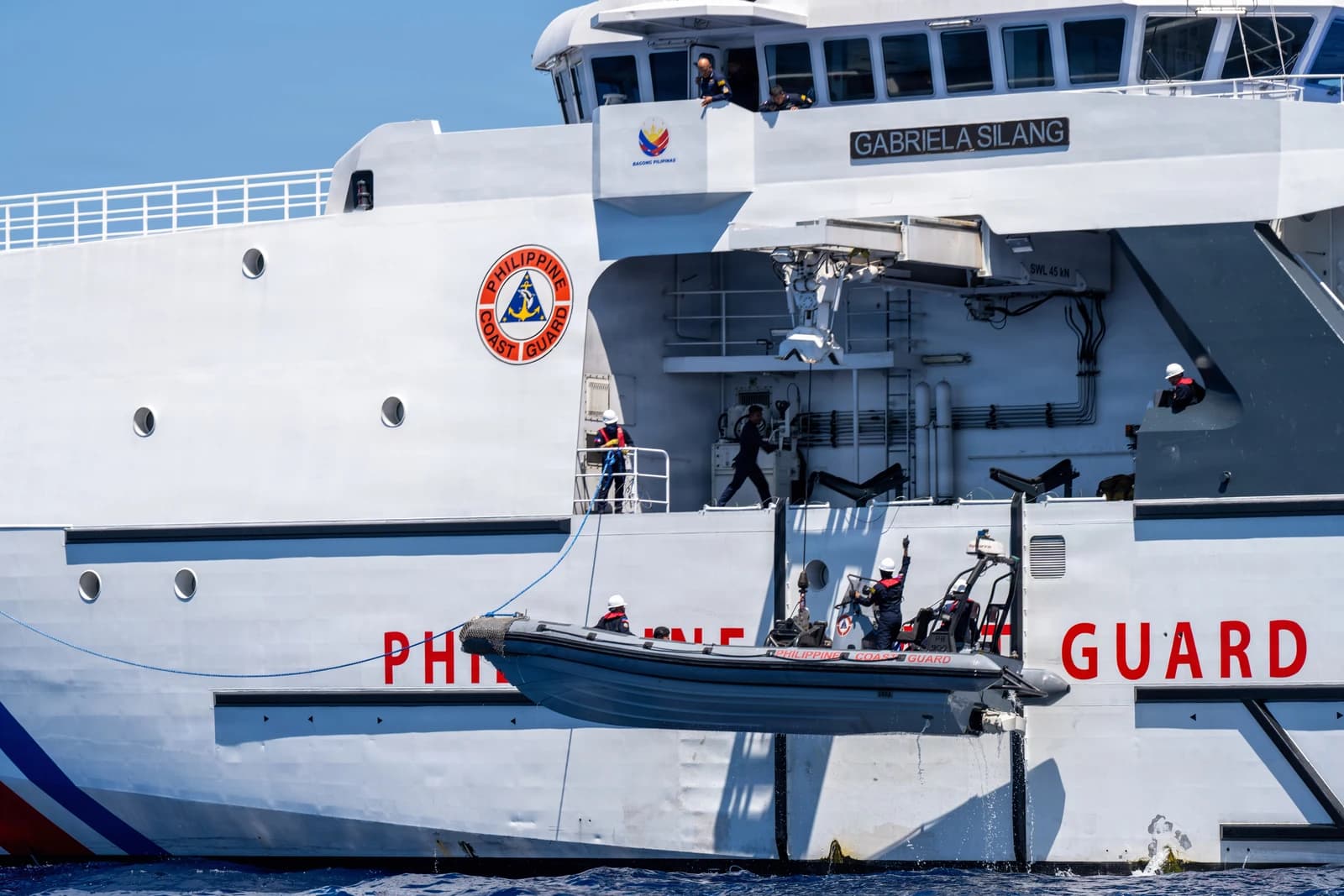
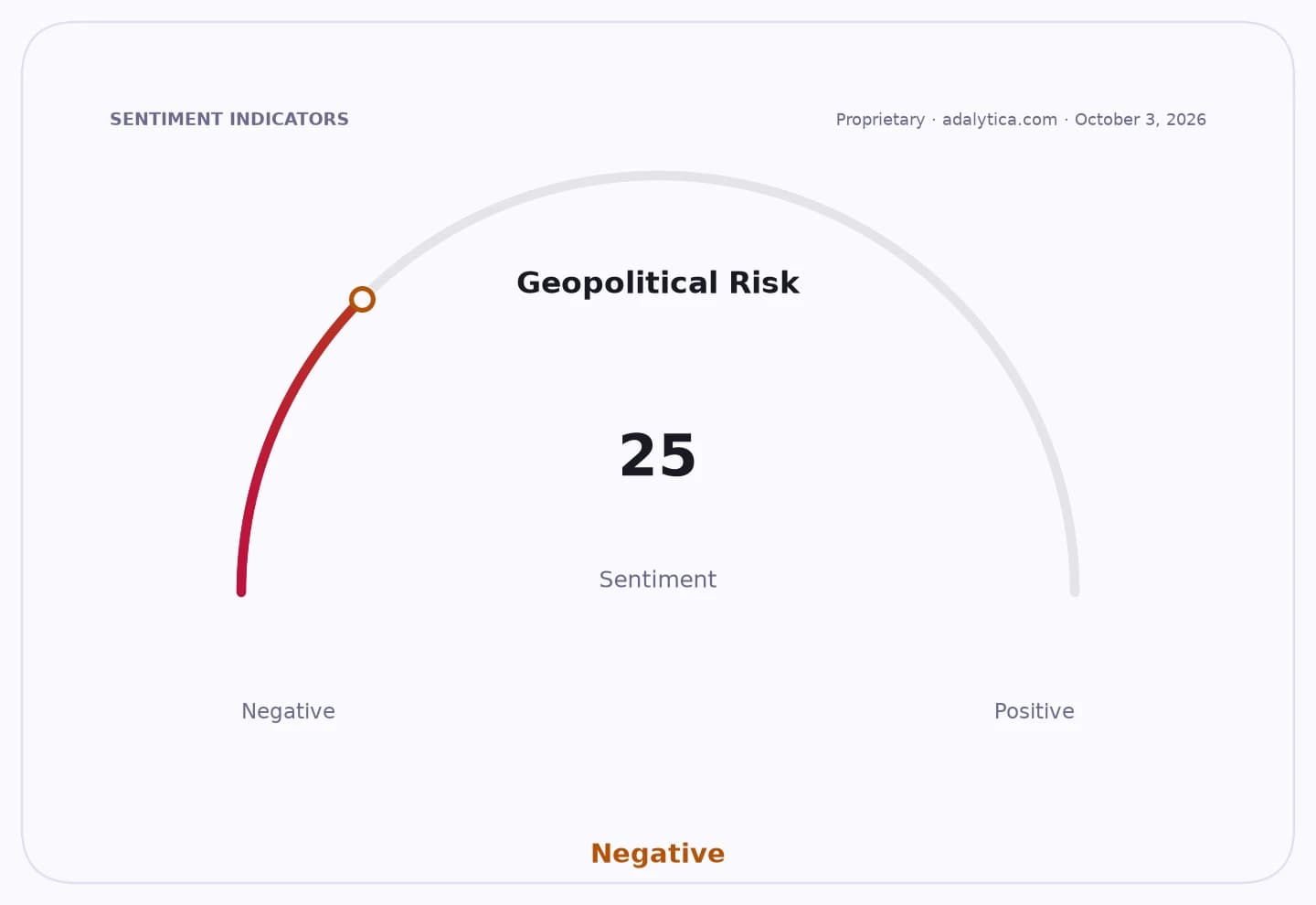
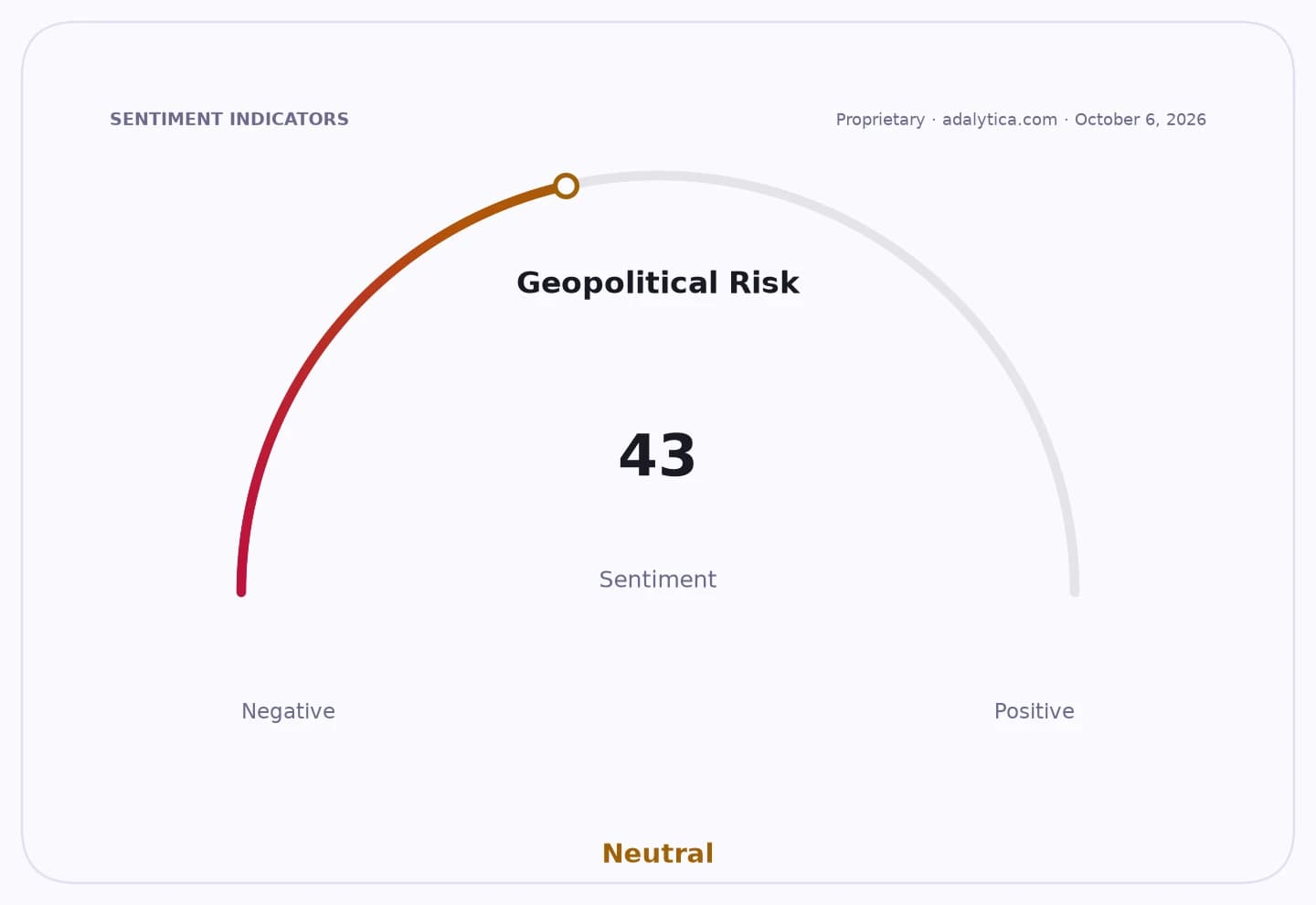
The timing is telling. Tensions have been elevated by repeated encounters between Chinese and Philippine vessels in contested waters, a pattern that has kept geopolitical risk high across the region. Against that backdrop, Indonesia is pushing a less dramatic but potentially more durable fix: more communication, more joint projects and more coordinated management of overlapping coastal uses such as fisheries, shipping, conservation, tourism, energy and defense.
Geopolitical Risk — 30-day sentimentadalytica.com
Explore this data interactively — full history, time series and cross-market comparisons.Open AlphaPulse
That broader approach is important for investors because prolonged friction in the South China Sea can reverberate far beyond diplomacy. It can hit commodity shipments, complicate offshore energy development and keep a risk premium embedded in Asian trade and transport assets. In market terms, episodes like this usually favor companies and sectors tied to maritime security, logistics resilience and domestic energy security while weighing on the confidence of exporters and operators dependent on uninterrupted sea lanes.
The Jakarta meeting, held Sept. 27-30 and involving 85 academics and policy figures from China, Brunei, Indonesia, Laos, Vietnam, the Philippines, Myanmar and Chinese Taipei, also produced three new cooperation projects, including two proposed by Vietnam and one by Indonesia. That is not a breakthrough, but it is the kind of incremental progress that can reduce the odds of accidental escalation.
For now, the biggest message for investors is that the South China Sea remains a live geopolitical risk, yet regional governments are still working the problem through institutions rather than force. That keeps the long-term case centered on patience: stability is rarely built in one meeting, but every credible confidence-building step lowers the odds of a costly shock. Worth watching.
| Entity | Gains | Losses |
|---|---|---|
| ASEAN coastal states | ▲Lower conflict risk | ▼Less leverage from brinkmanship |
| Shipping and trade flows | ▲More route stability | ▼Higher premiums if tensions spike |
| Indonesia | ▲Regional leadership role | ▼Exposure to spillover risk |
| China and the Philippines | ▲Diplomatic off-ramps | ▼Tactical freedom at sea |