China’s new Pinglu Canal is emerging as a strategic logistics asset for trade with Southeast Asia, with potential to lower transport costs, shorten shipping routes and strengthen the mainland’s commercial ties with ASEAN economies.
China Pinglu Canal Opens for Navigation
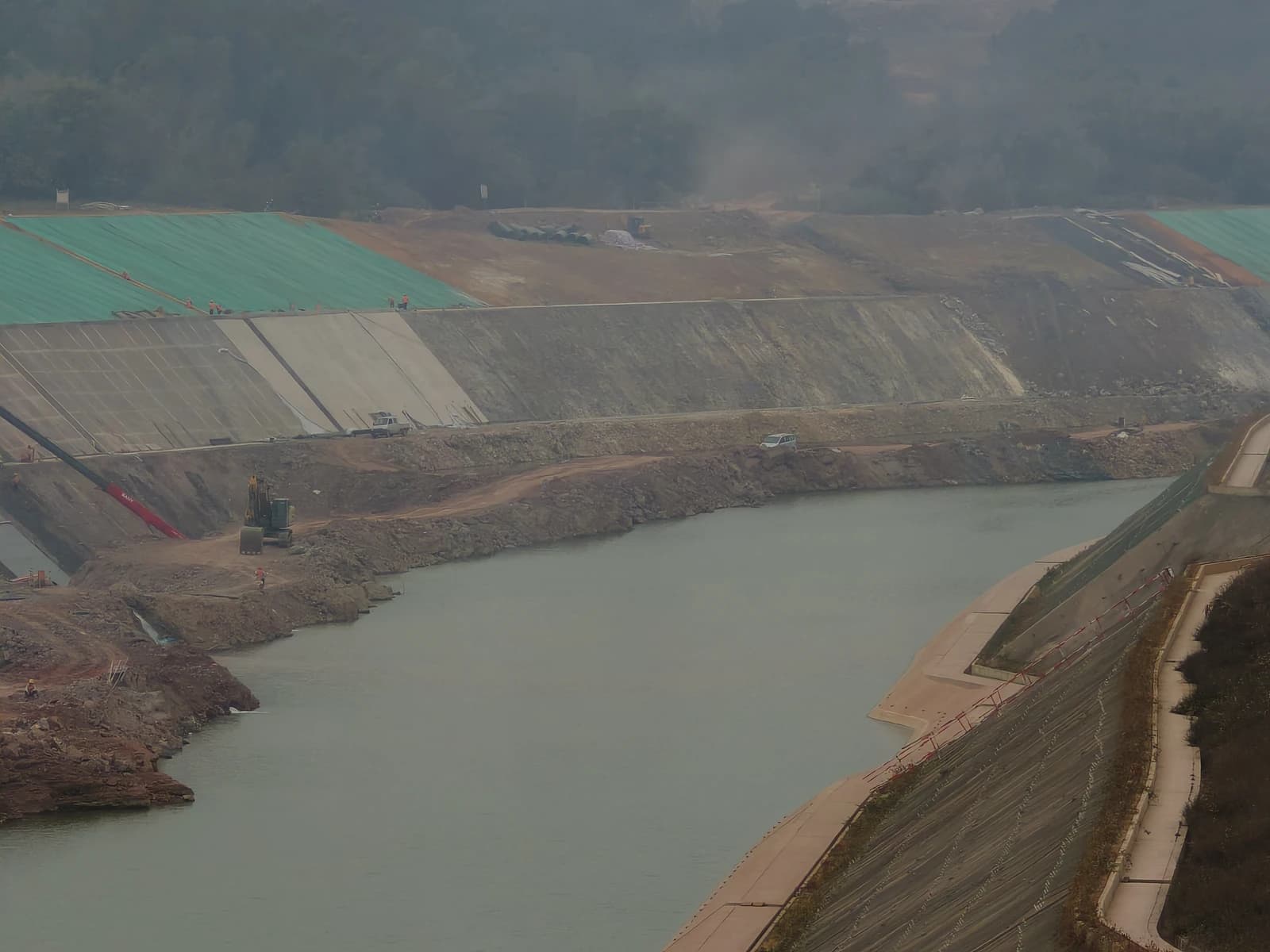
The 134.2-kilometer waterway, officially opened to navigation on Sept. 16, connects the Xijiang River shipping route with the Beibu Gulf in Guangxi and cuts the inland water journey for goods from southwest China to the sea by more than 560 kilometers compared with traditional routes through Guangdong province. For exporters, that translates into shorter transit times and lower freight costs; for importers and regional consumers, it improves access to cheaper goods and more reliable supply chains.
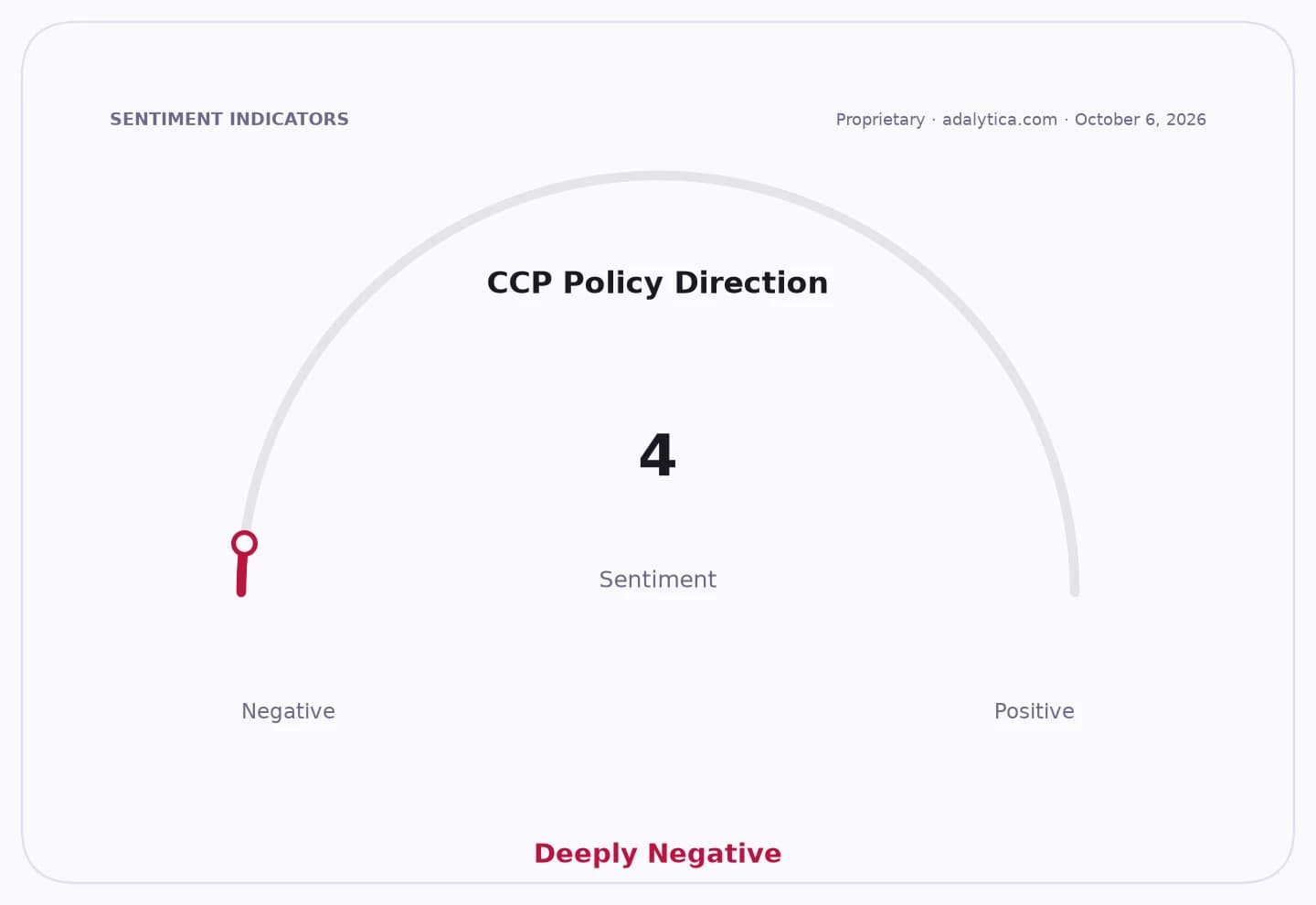
Sentiment IndicatorsⓘProprietary · adalytica.com · October 6, 2026
This is a snapshot — live sentiment, awareness and momentum for 130+ markets update continuously in the dashboard.Open AlphaPulse
That matters because logistics has become a key competitive lever in Asia’s trade network. As firms and governments across the region try to diversify supply lines, reduce bottlenecks and manage higher shipping costs, infrastructure that links China’s inland manufacturing base to ASEAN markets can have a direct effect on trade flows. The canal is also part of the New International Land-Sea Trade Corridor, a policy-backed route designed to connect China’s western and inland provinces more efficiently to global markets.
Cambodian media publisher Soy Sopheap, who visited the site earlier this month, said the project would support long-term trade and logistics ties between Cambodia and China, especially as Cambodia’s own Funan Techo Canal advances. His comments underscore the broader regional reading of the project: this is not just a domestic Chinese infrastructure build, but a piece of cross-border economic statecraft aimed at deepening China-ASEAN integration.
For investors, the significance lies less in the canal’s immediate revenue potential than in what it says about China’s trade priorities. Beijing is continuing to invest in physical trade corridors even as its external commercial environment grows more complicated, including strained ties with Europe and persistent uncertainty around global trade policy. Infrastructure that can shave time and costs off shipments may support volumes for ports, shipping services, logistics operators and industrial exporters tied to southwestern China.
The bullish case is that the route could incrementally improve trade efficiency, support regional industrial relocation and strengthen ASEAN’s role in China’s supply chain strategy. The bear case is that the economic payoff may be gradual, constrained by capacity, competing transport routes and the time needed for shippers to reroute cargo in scale. Still, the canal adds another channel through which China can seek to buffer external trade friction by leaning more heavily on nearby Asian partners.
For now, the Pinglu Canal stands as a concrete example of how infrastructure, not just tariffs or diplomacy, is shaping the next phase of China-ASEAN economic ties.
| Entity | Gains | Losses |
|---|---|---|
| China exporters | ▲Lower shipping costs | ▼Existing inland-route inefficiencies |
| ASEAN importers | ▲Cheaper goods access | ▼Higher relative freight costs without new routes |
| Beibu Gulf logistics hubs | ▲More cargo flow | ▼Guangdong-linked route share |
| Competing transport corridors | ▲— | ▼Potential traffic diversion |