China has opened a direct river-to-sea shipping link to the Mekong Delta’s largest city, a move that could trim transport times by as much as 10 days and cut logistics costs by up to 30% for traders moving goods between southwestern China and southern Vietnam.
China opens river-sea shipping route to Can Tho
That matters because trade is often won or lost on freight costs, not just demand. The new route gives farmers, seafood exporters and manufacturers a faster, cheaper path to one of Asia’s busiest cross-border trading lanes, while also making it easier for Vietnam to bring in machinery parts and chemicals from China. For investors, the real story is not just a new route on a map — it is a practical step toward a denser supply chain between two economies that already rely heavily on one another.
Sentiment IndicatorsⓘProprietary · adalytica.com · October 2, 2026
This is a snapshot — live sentiment, awareness and momentum for 130+ markets update continuously in the dashboard.Open AlphaPulse
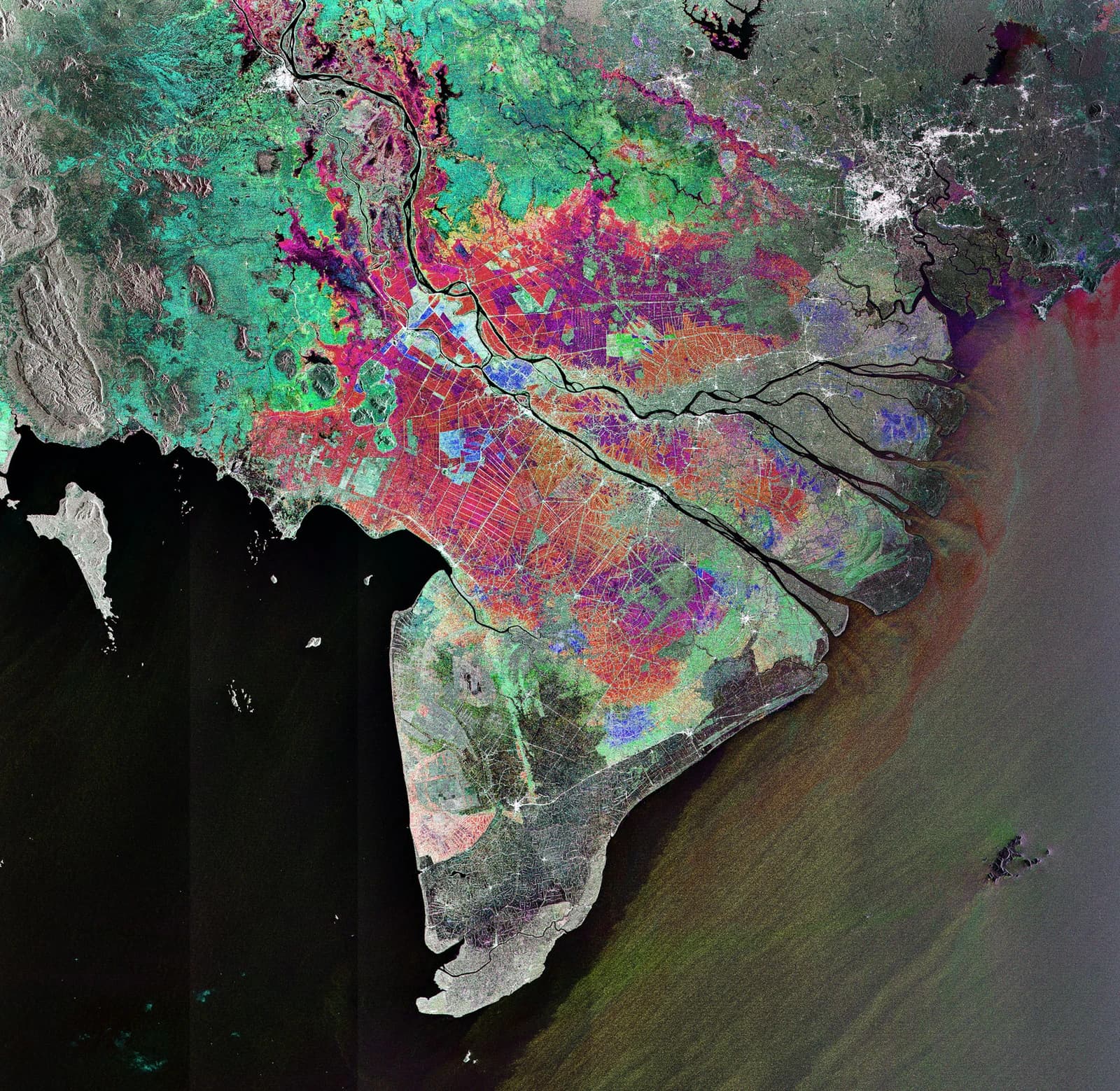
The service was welcomed on Sept. 24 by Can Tho Port JSC, Vietnam National Shipping Lines and China’s Beibu Gulf Port Group. The first vessel, the BBG Nan Ninh Bo Run, has a deadweight of 4,900 tons and can carry 500 containers, with as much as a quarter of capacity set aside for refrigerated cargo. That detail matters for the Mekong Delta, where rice, seafood and fruit are the export backbone and where cold-chain reliability can determine whether produce arrives fresh enough to command premium pricing.
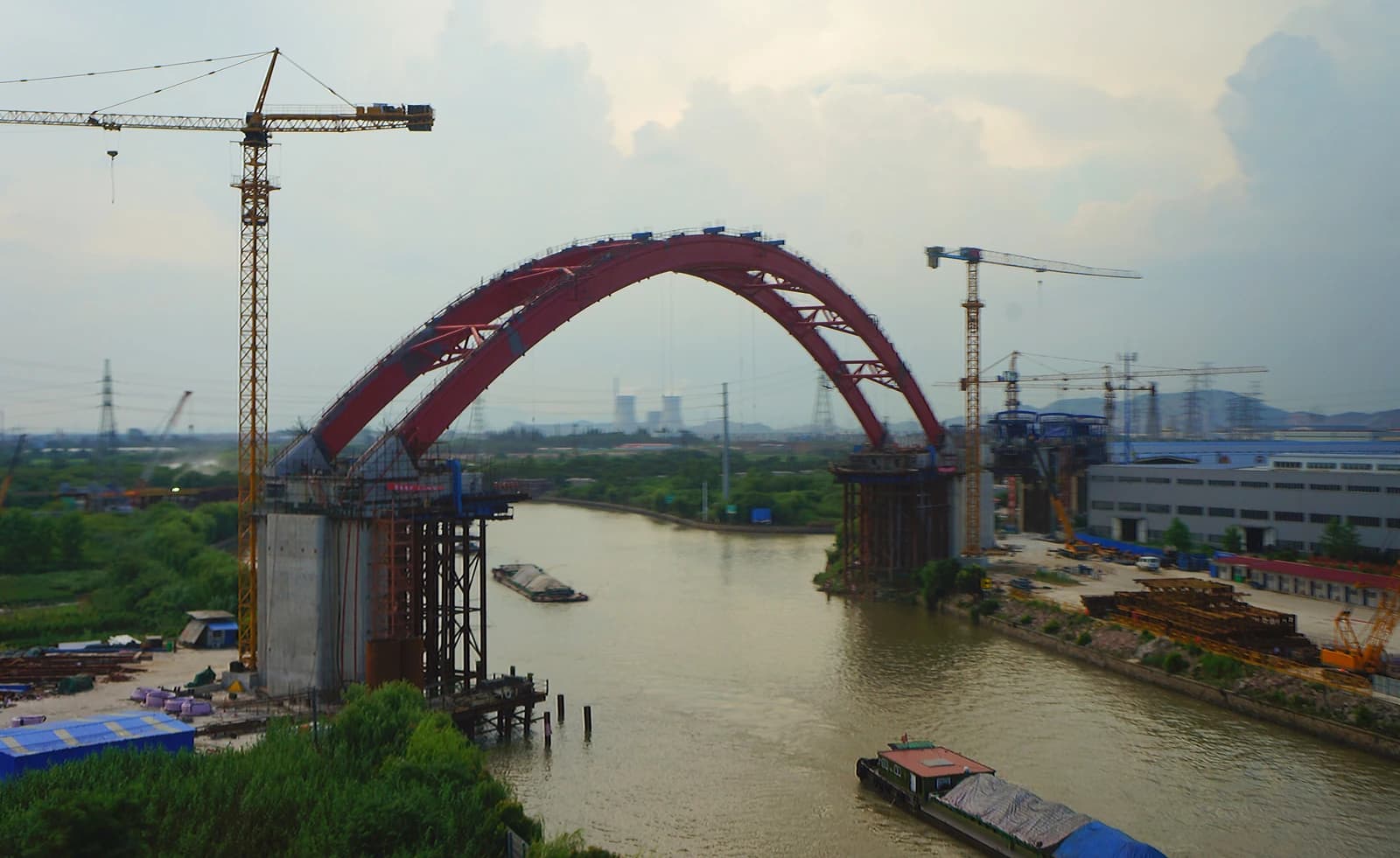
The new lane runs from Nanning Port through the newly opened Pinglu Canal to Beibu Gulf Port and then directly to Cai Cui Port in Can Tho. Compared with the traditional sea route via the Pearl River, it shortens the journey by more than 560 kilometers and cuts the voyage from seven to 10 days. That is a meaningful efficiency gain in a region where margins are often thin and shipping delays can spoil inventory or tie up working capital.
The route will run twice a month for now, with an average voyage time of about seven days. That makes it a modest start rather than an instant trade revolution, but the economics are attractive enough to matter if cargo volumes build. Can Tho officials were right to stress that stable two-way freight flows will be the key test: a shortcut only becomes a lasting advantage if exporters and importers use it consistently enough to support regular service.
For China, the route adds another layer to the New International Land-Sea Trade Corridor, a network Beijing has used to tighten links between western provinces and Southeast Asia. For Vietnam, it is another sign that the Mekong Delta is becoming more tightly plugged into regional supply chains just as the country continues to attract manufacturing investment and expand export capacity.
Investors should read this as a long-term logistics and trade efficiency story, not a one-off ceremonial launch. Lower shipping costs can support wider trade volumes over time, especially in perishables and industrial inputs. If the route scales, the winners are likely to be ports, cold-chain operators, exporters and logistics providers that can move goods faster and with fewer handoffs. The losers are the older, slower routes that depend on distance, delay and fragmentation to justify their economics.
| Entity | Gains | Losses |
|---|---|---|
| Mekong Delta exporters | ▲Lower freight costs | ▼Slower legacy routes |
| Chinese importers | ▲Faster access to Vietnamese farm goods | ▼Higher-cost logistics |
| Port operators in Can Tho and Beibu Gulf | ▲More cargo volume | ▼Underused alternative routes |
| Consumers and manufacturers | ▲Cheaper, quicker supply chains | ▼Companies exposed to longer transit times |