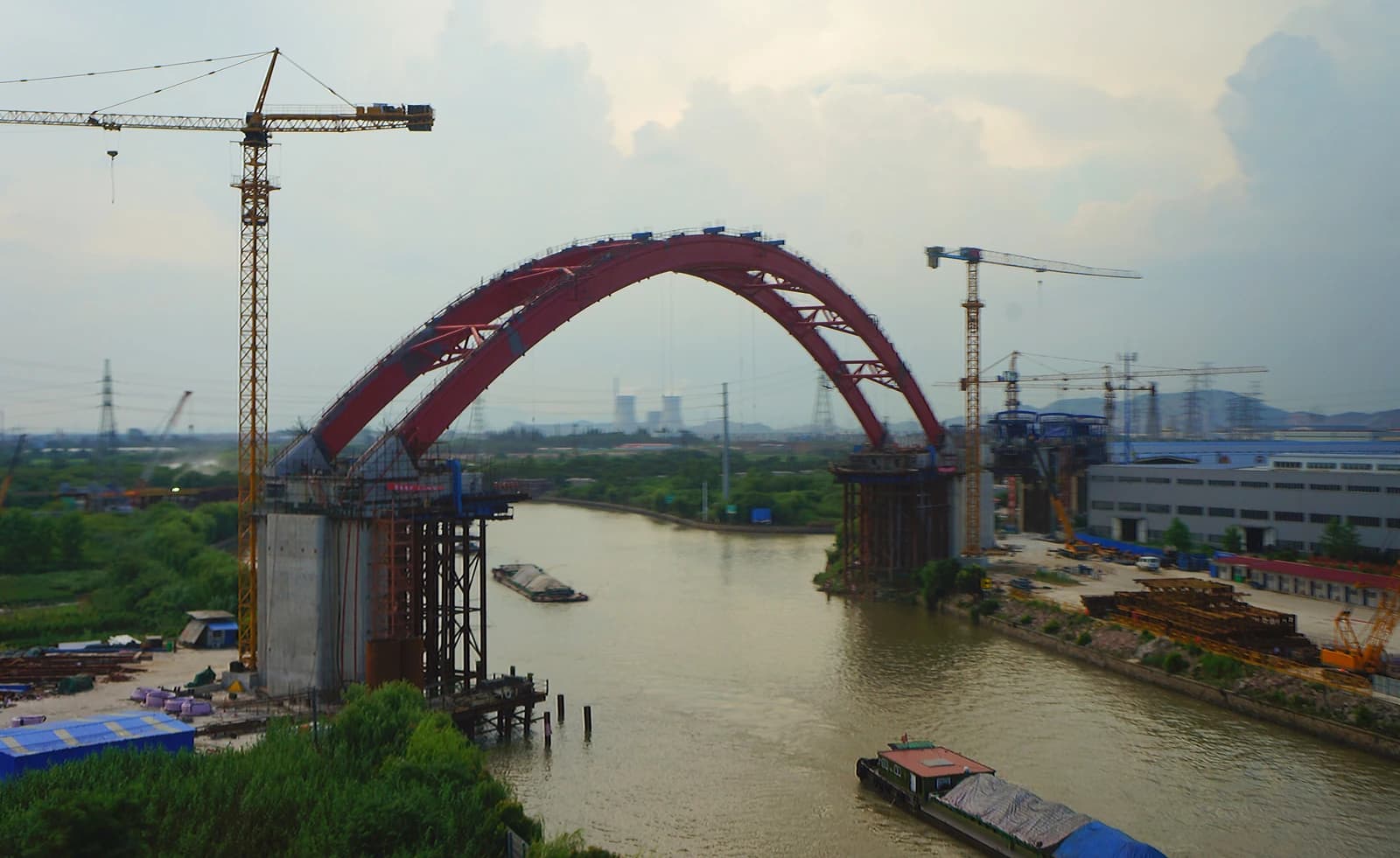
China’s new Pinglu Canal is set to reshape trade flows with Southeast Asia by cutting shipping distances and transport costs for goods moving between inland provinces and ASEAN markets, a logistics upgrade that strengthens a commercial corridor already handling more than $1 trillion in annual trade.
China Pinglu Canal Opens for ASEAN Trade

Opened in southern China on Sept. 16, the 134.2-kilometre waterway links Hengzhou in Guangxi with Beibu Gulf and gives much of southwest China a closer maritime outlet to ASEAN, China’s largest regional trading partner. That matters economically because lower freight costs and shorter transit times can improve the competitiveness of heavy and time-sensitive exports from inland provinces, while also making it easier for ASEAN producers to reach China’s consumer market.
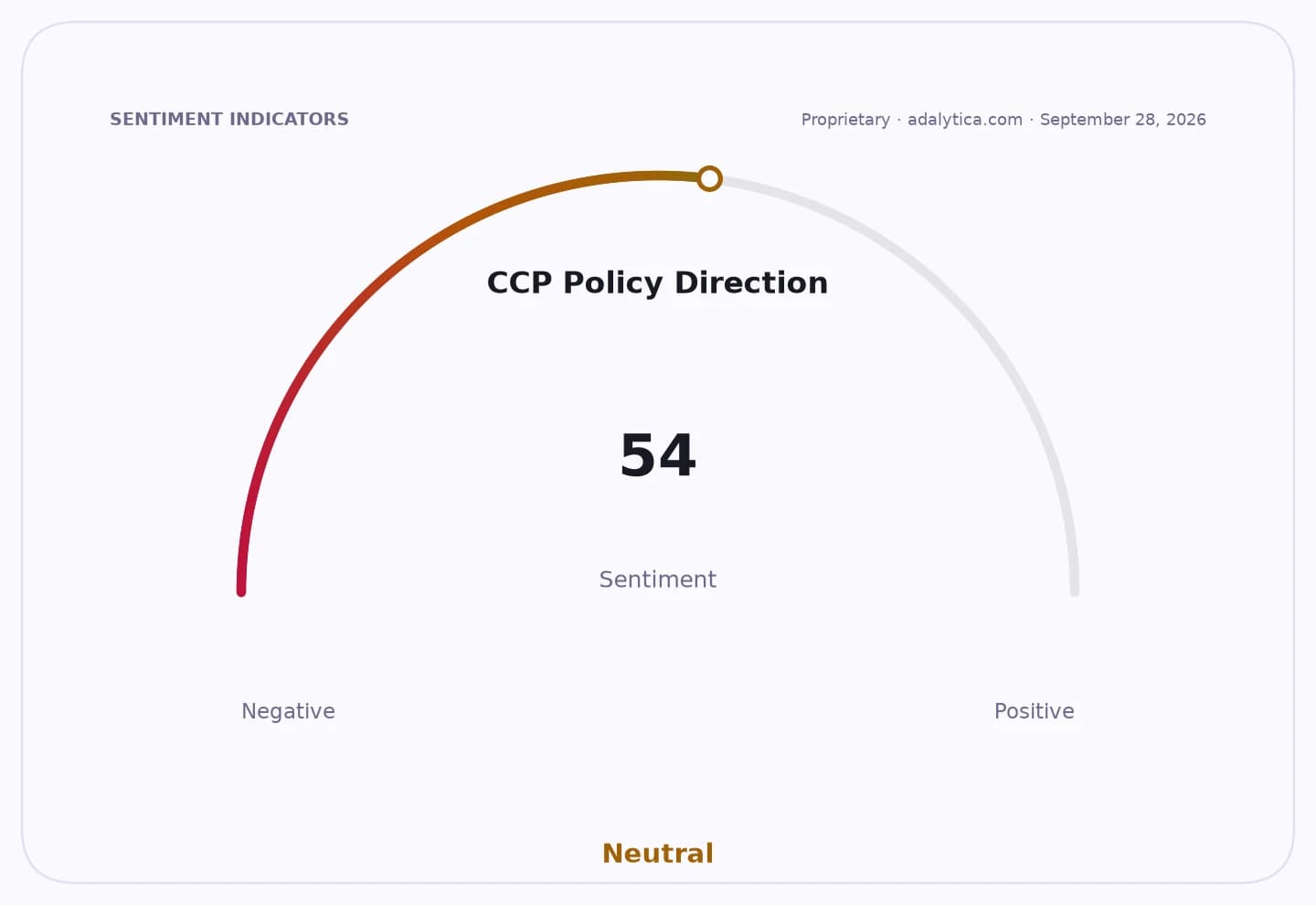
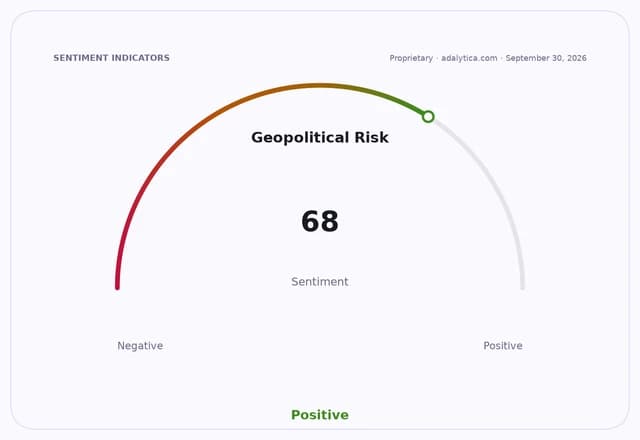
Sentiment IndicatorsⓘProprietary · adalytica.com · September 30, 2026
This is a snapshot — live sentiment, awareness and momentum for 130+ markets update continuously in the dashboard.Open AlphaPulse
The strategic value is bigger than a single infrastructure project. By reducing friction along a trade lane that already carries steel, machinery, agricultural goods and components, the canal supports the next phase of China-ASEAN integration: not just more cargo, but more warehousing, processing, cold-chain and industrial investment around the route. Those downstream sectors can generate recurring revenue and anchor local manufacturing clusters, which is often where the real economic payoff from transport infrastructure appears.
China and ASEAN traded $1.05 trillion in 2025, crossing the $1 trillion threshold for the first time, and trade reached $862.75 billion in the first eight months of this year, up 25.6% from a year earlier. Against that backdrop, the Pinglu Canal is not a symbolic ribbon-cutting. It is part of a broader push to deepen regional supply-chain resilience at a time when global trade is being reorganized by tariffs, geopolitical tension and efforts by exporters to diversify routes.
For investors, the canal is relevant because infrastructure that compresses logistics costs tends to benefit operators tied to ports, inland shipping, rail links, industrial parks and storage. It can also support Chinese industrial groups shipping steel and equipment from Yunnan, Guizhou, Sichuan and Chongqing, while improving access for ASEAN exports into China. The potential winners are companies with exposure to cross-border freight, port throughput and trade-enabled real estate; the losers are marginal routes and intermediaries that depend on longer, more expensive haulage.
The near-term market impact is likely to be gradual rather than immediate, but the policy signal is clear: Beijing is still investing in physical trade architecture even as it manages a more uncertain external environment. If cargo volumes scale as expected, the canal could become a useful barometer for whether China’s inland provinces can capture a larger share of ASEAN-bound manufacturing and whether regional trade continues to outpace the broader global economy.
| Entity | Gains | Losses |
|---|---|---|
| China inland exporters | ▲Lower freight costs | ▼Longer legacy routes |
| ASEAN importers/exporters | ▲Faster market access | ▼Higher transit frictions |
| Ports, storage and cold-chain firms | ▲More volume and investment | ▼Smaller logistics niches |
| Trucking and transshipment intermediaries | ▲— | ▼Route displacement |