Kazakhstan and China are deepening plans to expand the Middle Corridor, a trade route that is becoming more important as companies and governments look for faster, less exposed links between Asia and Europe.
Kazakhstan, China Expand Middle Corridor Plans
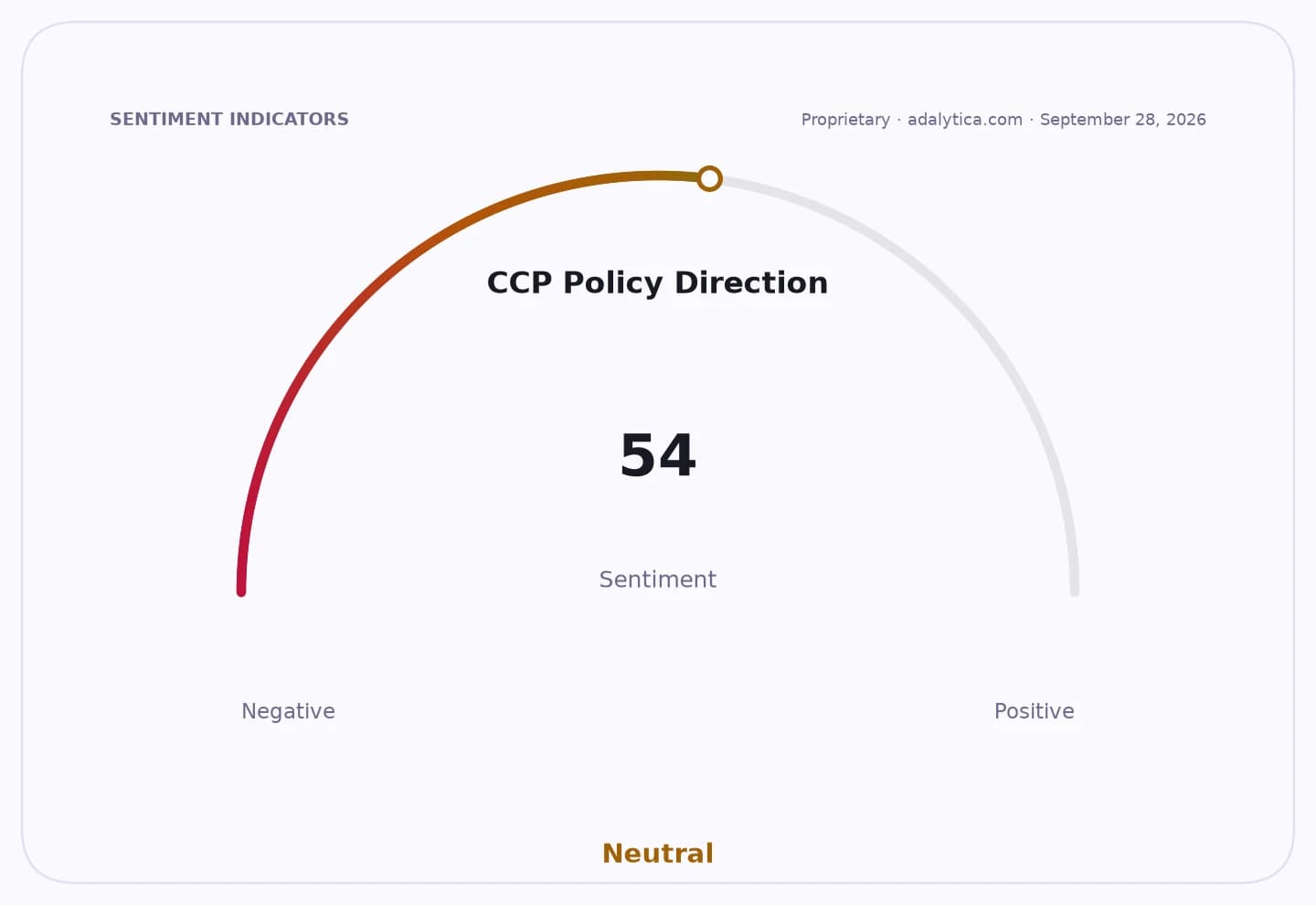
The practical significance is bigger than a diplomatic talking point. More cargo through the Trans-Caspian International Transport Route means more demand for ports, rail capacity, terminals, logistics hubs and cross-border infrastructure — the kind of assets that can generate durable volumes for years if the route keeps scaling. For investors, that is the real story: trade diversion away from longer or riskier routes creates a new capex cycle across Central Asia and the Caspian, with China’s state-backed builders and Kazakhstan’s transport network in the best position to capture it.
Sentiment IndicatorsⓘProprietary · adalytica.com · September 28, 2026
This is a snapshot — live sentiment, awareness and momentum for 130+ markets update continuously in the dashboard.Open AlphaPulse
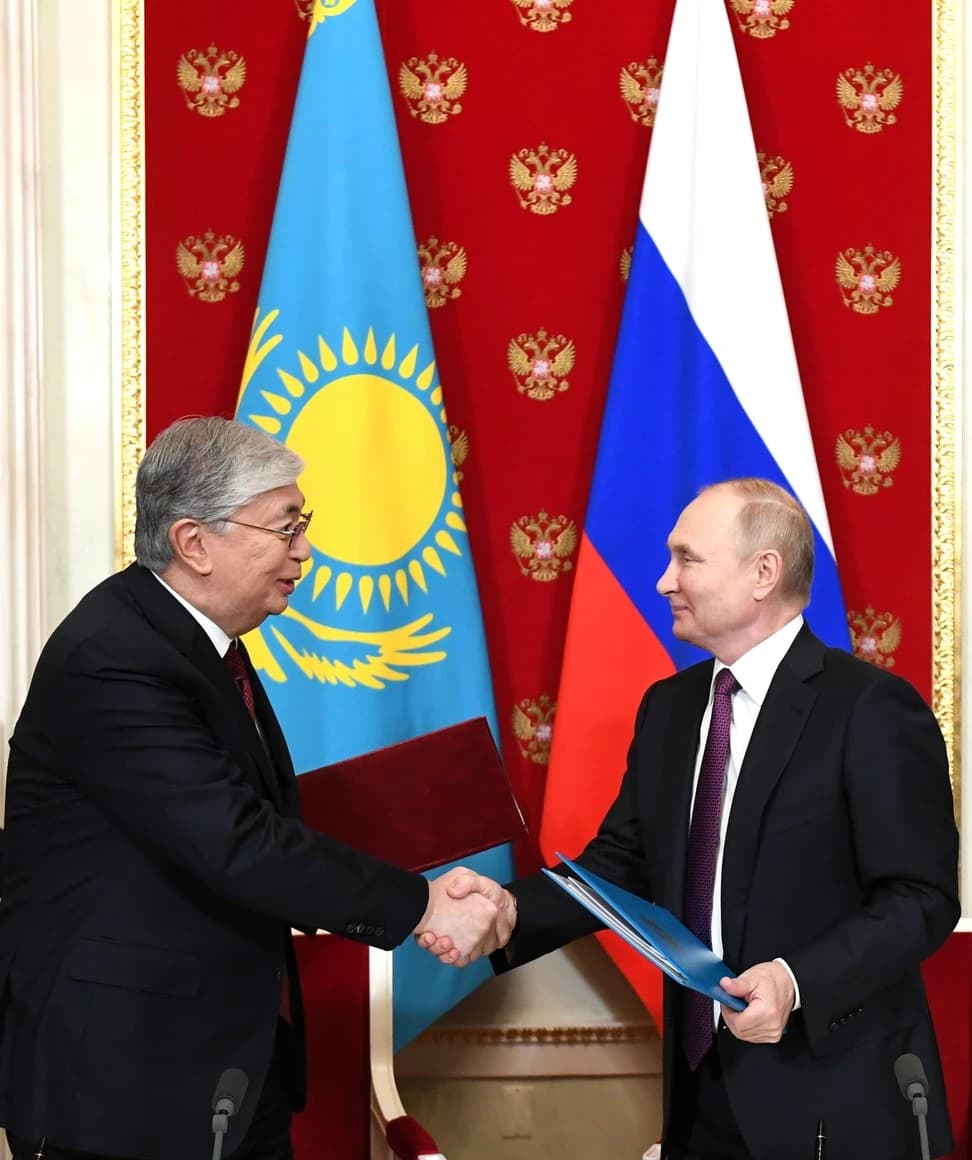
The two sides discussed higher freight volumes, Chinese investment and joint infrastructure projects during talks in Beijing, where Kazakhstan also presented its transport plans at a sustainable transport forum. Officials said the route’s role in international cargo movement is rising, underscoring how the Middle Corridor is moving from alternative route to strategic corridor.
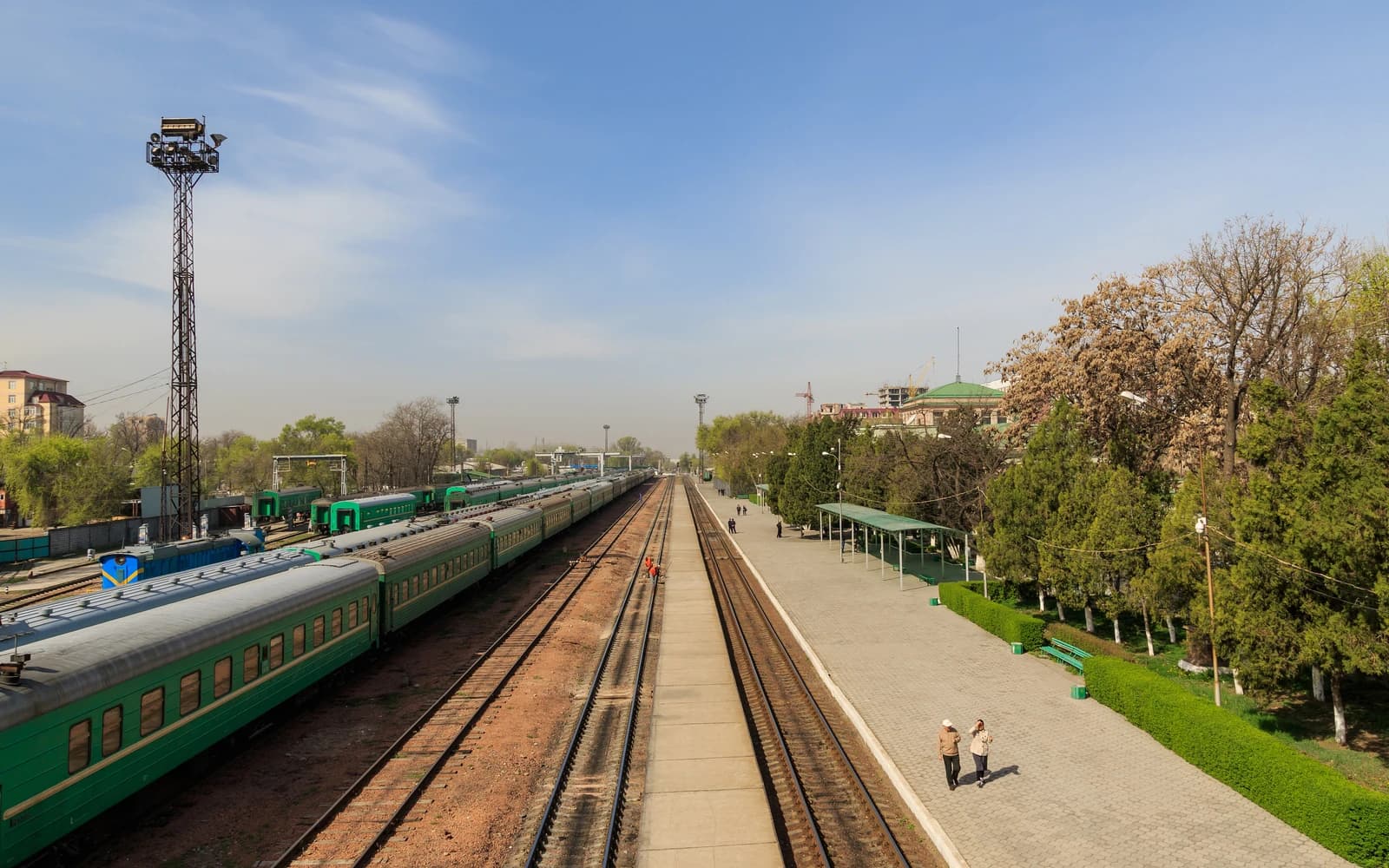
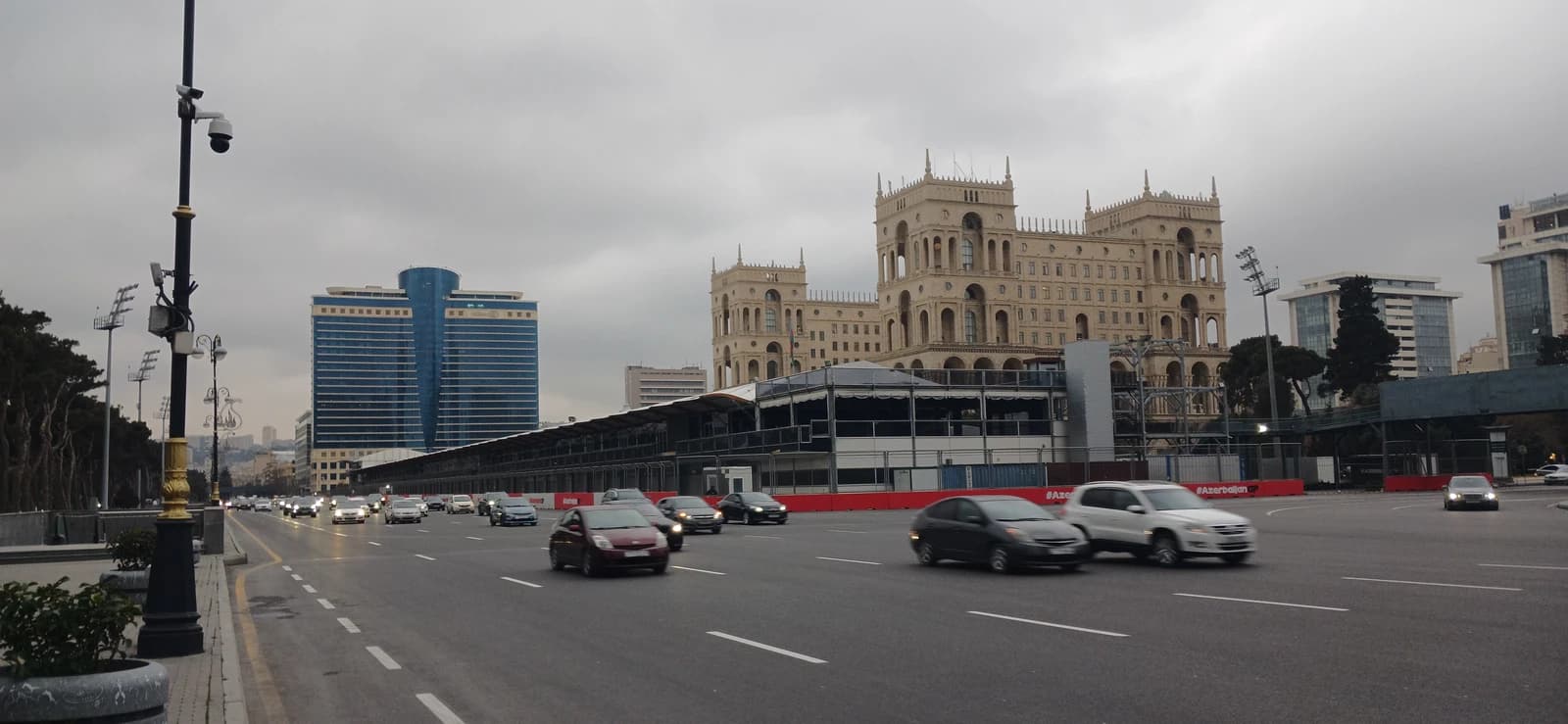
That matters because the Middle Corridor links China to Europe through Kazakhstan, the Caspian Sea and the South Caucasus, giving shippers a land-and-sea option that sits outside the traditional northern rail corridor. In a world still shaped by geopolitical frictions, supply-chain resilience has become an investment theme in its own right. Every incremental ton rerouted through Kazakhstan strengthens the case for more rail upgrades, more port handling capacity and more logistics investment.
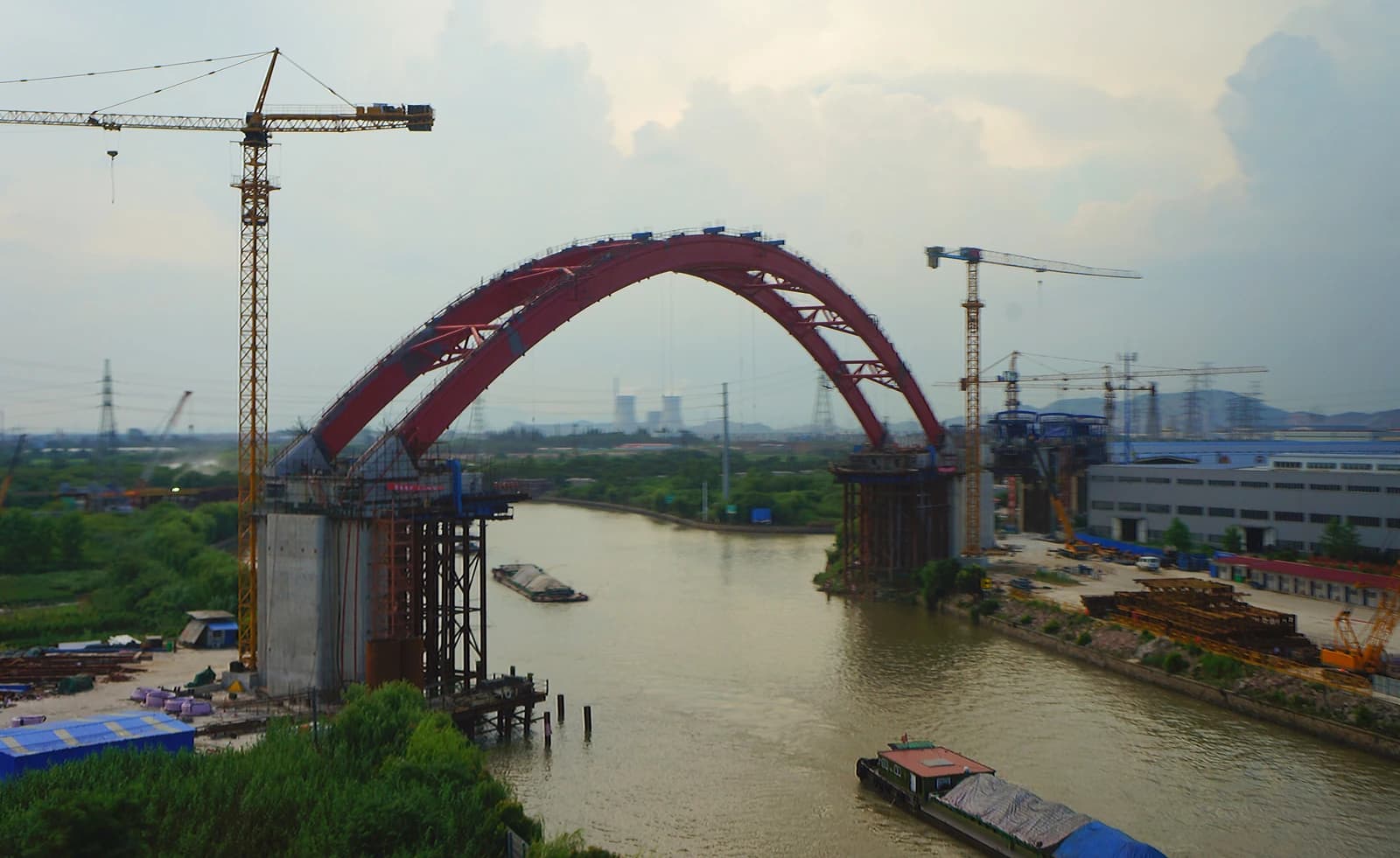
The business case is especially compelling for infrastructure contractors and transport operators tied to the route. Kazakhstan said it separately discussed investment projects with China Communications Construction Co. and CITIC Group, both names with the scale and balance sheet to win large, capital-intensive work. Those are the kinds of players that benefit first when governments turn corridor strategy into funded projects.
The broader market implication extends beyond Kazakhstan. China’s appetite for overseas infrastructure, paired with Central Asia’s need to modernize freight links, creates a multi-year pipeline that can support materials, engineering, rail equipment and logistics stocks. The market still tends to treat these corridor announcements as routine diplomacy, but the second-order effect is a gradual re-pricing of transport chokepoints in Eurasia.
I believe the best way to play this theme is to focus on the picks-and-shovels: global rail, port, engineering and logistics names with direct exposure to Eurasian trade routes, plus China-linked infrastructure contractors that can convert policy into order flow. If the Middle Corridor keeps gaining volume, the winners will not just be Kazakhstan and China — it will be the companies that own the rails, terminals and construction equipment needed to make it work.
| Entity | Gains | Losses |
|---|---|---|
| Kazakhstan | ▲Transit fees, investment inflows | ▼Old-route dependence |
| China’s contractors | ▲New infrastructure orders | ▼Idle overseas capacity |
| Middle Corridor operators | ▲Higher freight volumes | ▼Low-utilization bottlenecks |
| Competing routes | ▲— | ▼Traffic diversion |