Azerbaijan is using the threat of wider regional disruption to market itself as a safer logistics hub for energy and other suppliers, with President Ilham Aliyev saying the country would remain attractive even if the geopolitical map around it changes again.
Azerbaijan pitches itself as a logistics hub
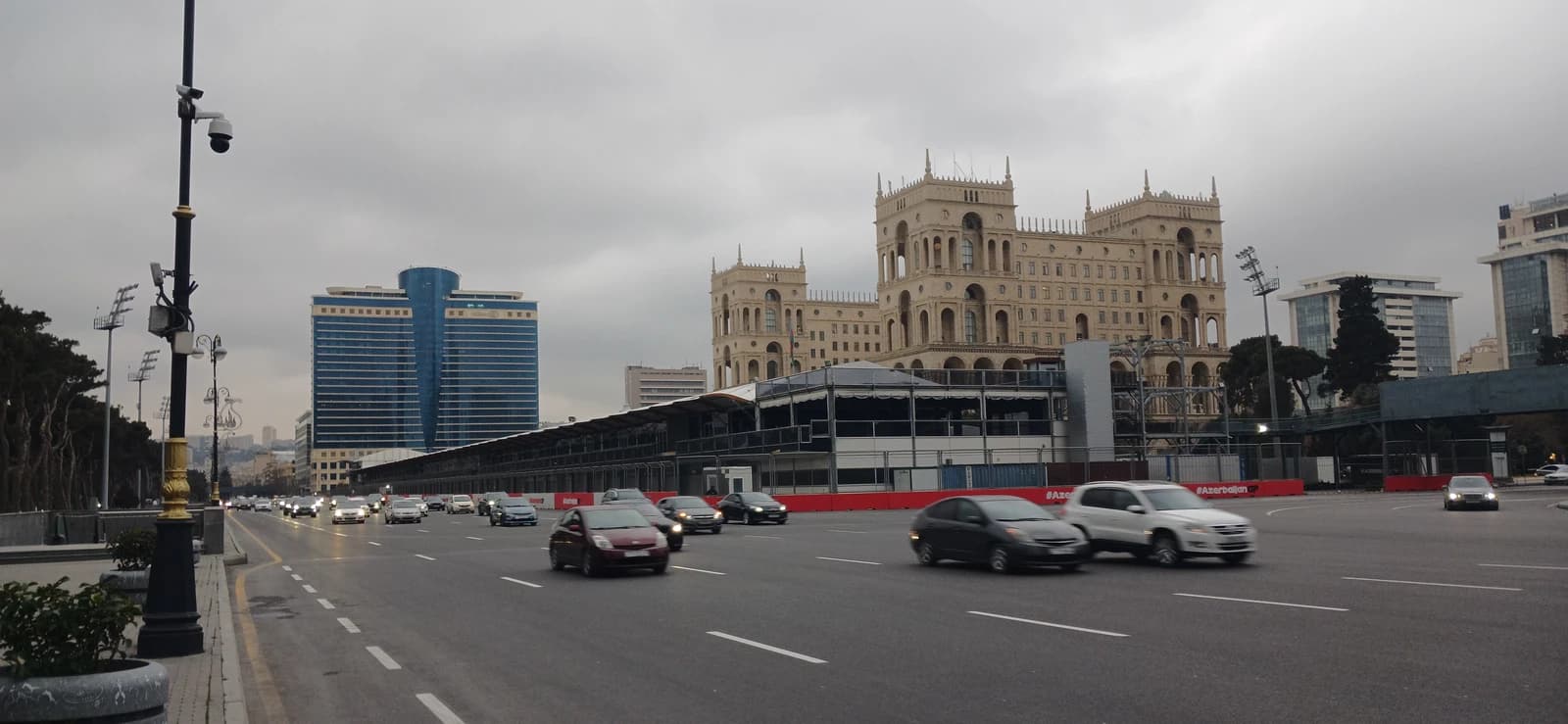
That matters because the pitch is no longer just about geography. It is about resilience, routing and the premium investors are willing to pay for alternatives to chokepoints such as the Strait of Hormuz, where tensions have periodically rattled shipping, fuel availability and supply chains. In a world where disruption is increasingly priced into trade, Azerbaijan is presenting itself as a corridor that can benefit whether regional tensions ease or intensify.
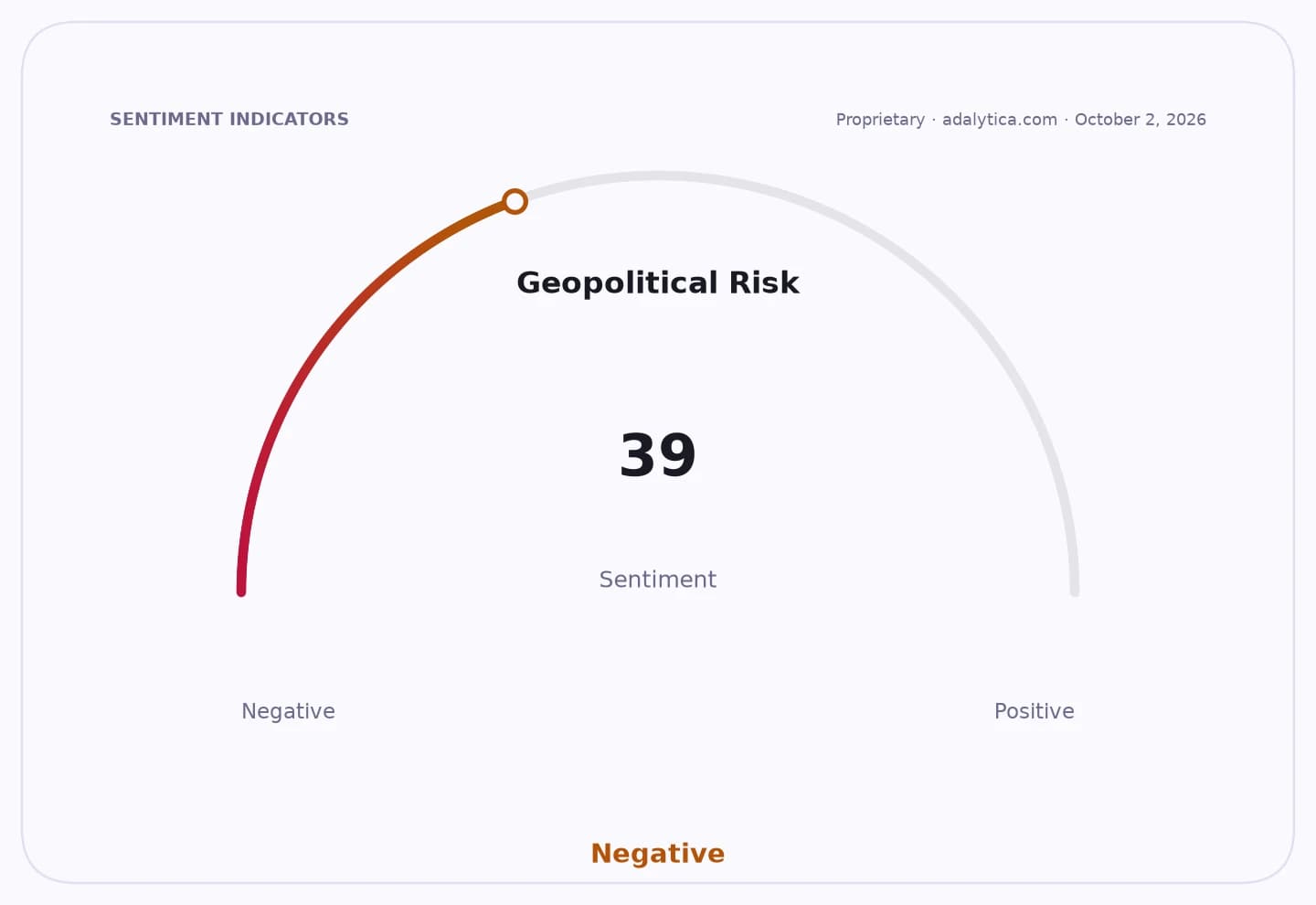
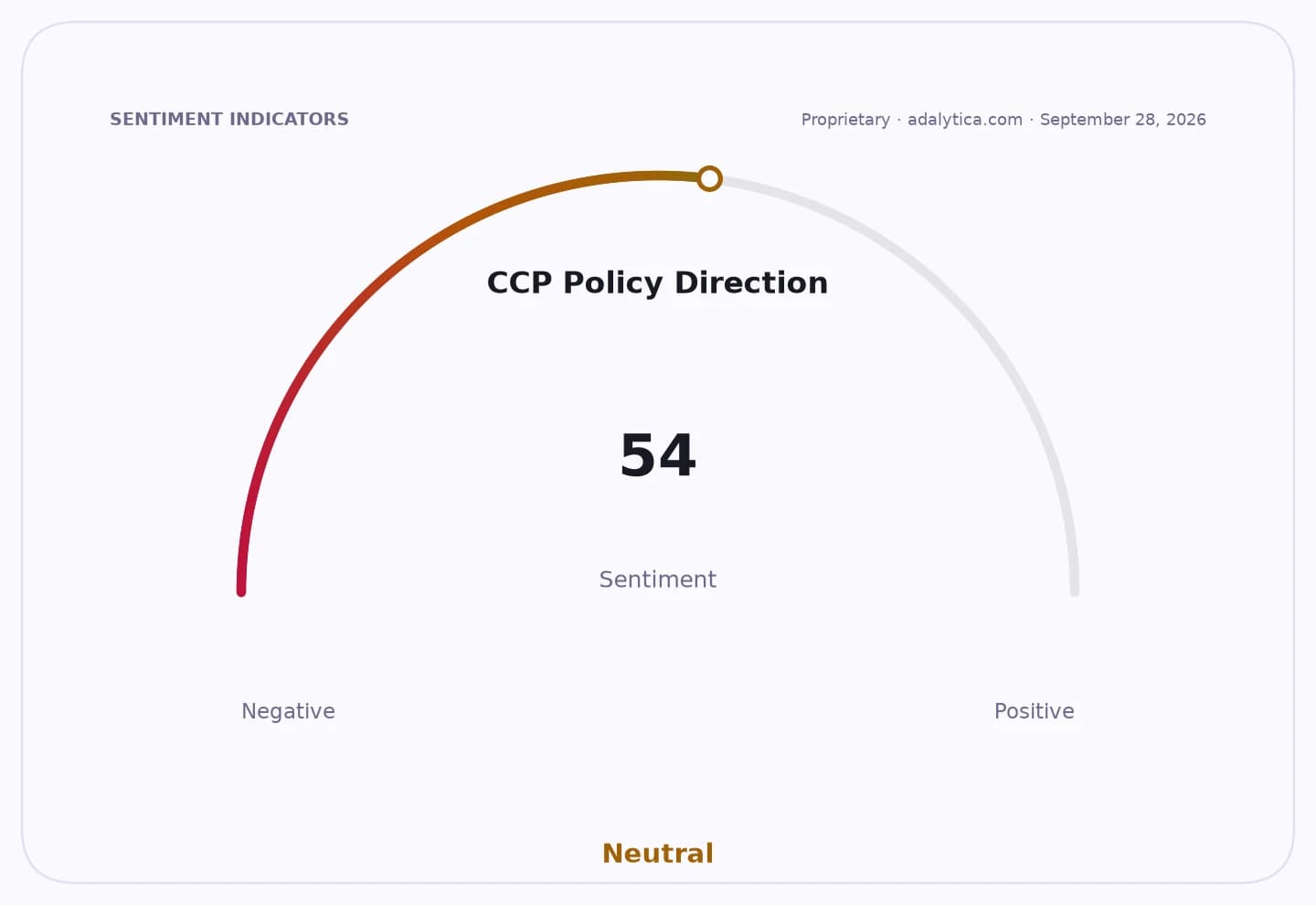
Sentiment IndicatorsⓘProprietary · adalytica.com · October 2, 2026
This is a snapshot — live sentiment, awareness and momentum for 130+ markets update continuously in the dashboard.Open AlphaPulse
Aliyev told the II Azerbaijan International Investment Forum that the country’s appeal rests on governance, transport digitalization, customs procedures and a regulatory framework that is “very open” to investors. He also framed Azerbaijan as a bridge between the South Caucasus and Central Asia, saying it has become a full member in the Central Asian region despite its geography.
For investors, the message is that Azerbaijan wants to convert geopolitical uncertainty into a structural advantage. If supply chains keep diversifying away from risk-prone sea lanes, countries that can offer predictable transit, customs and digital logistics stand to capture more freight, investment and service income. That is particularly relevant for energy flows, where even a modest rerouting premium can support infrastructure spending and related assets.
The timing is favorable. Global stability sentiment tracked by Adalytica remains fragile, while oil trade signals show continuing caution around disruption risk even after a sharp swing in crude-linked sentiment over recent sessions. That backdrop is exactly what helps transit states argue that redundancy is worth paying for. Azerbaijan’s strategy is to become a beneficiary of that insurance trade: a place suppliers can use not only in stable periods, but also when the region becomes more volatile.
The economic logic is straightforward. Logistics hubs with better customs clearance, digitalized transport and clearer rules can lower transaction costs for shippers and raise throughput without requiring a full reconfiguration of regional trade. For Azerbaijan, that supports its diversification effort beyond oil, while also reinforcing the relevance of its transport and trade corridors as Central Asia deepens commercial links westward.
The bull case for the country is that continued geopolitics-driven rerouting could lift investment into ports, rail, warehousing and digital customs systems, improving non-oil growth and widening its role as a connector economy. The bear case is that corridor competition is intense, and any loss of political stability or policy consistency would quickly undermine the premium Azerbaijan is trying to build.
For investors, the next catalysts are whether new investment pledges follow the forum, whether logistics volumes rise, and whether regional tensions keep pushing shippers to diversify away from narrower, riskier routes. In that sense, Azerbaijan is not just selling geography — it is selling optionality.
| Entity | Gains | Losses |
|---|---|---|
| Azerbaijan | ▲Transit fees; logistics investment | ▼Need to keep policy credibility |
| Shippers/suppliers | ▲Route diversification; lower disruption risk | ▼Higher rerouting costs |
| Competing corridors | ▲Less immediate demand | ▼Market share to Azerbaijan |
| Oil-linked exporters | ▲Better access to alternatives | ▼Exposure to chokepoint risk |