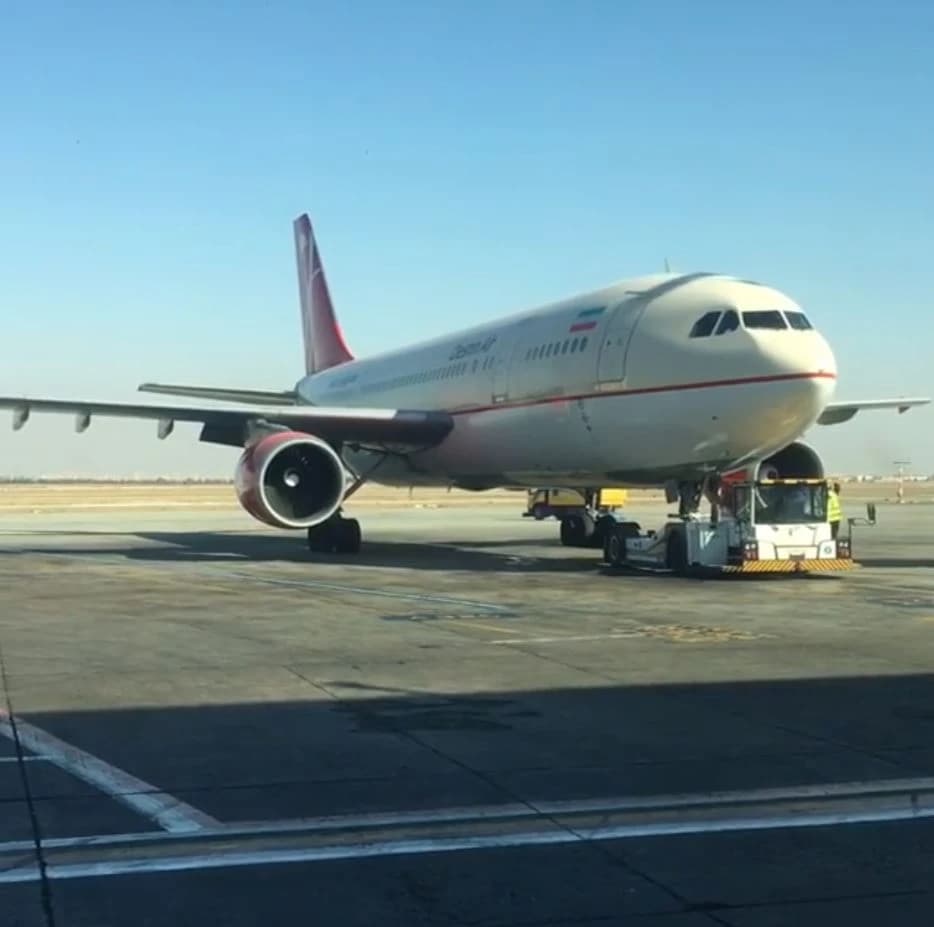
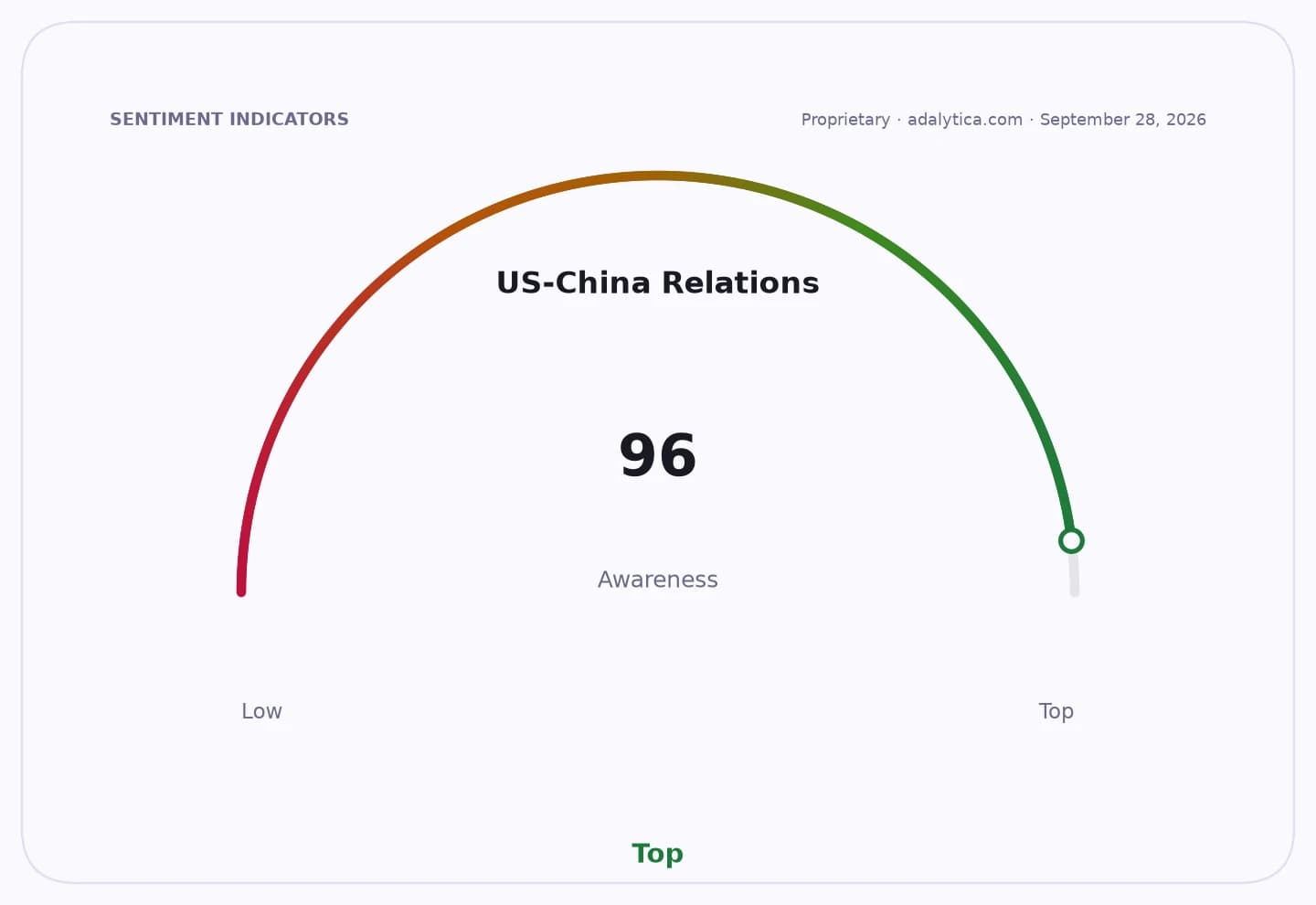
Iran says flights to Armenia, China, Russia, Southeast Asia and Turkey are continuing without schedule changes, a small but telling sign that aviation links through one of the world’s most volatile regions are still being kept open despite heightened geopolitical strain.
Iran Flights to Armenia, China, Russia Stay on Schedule
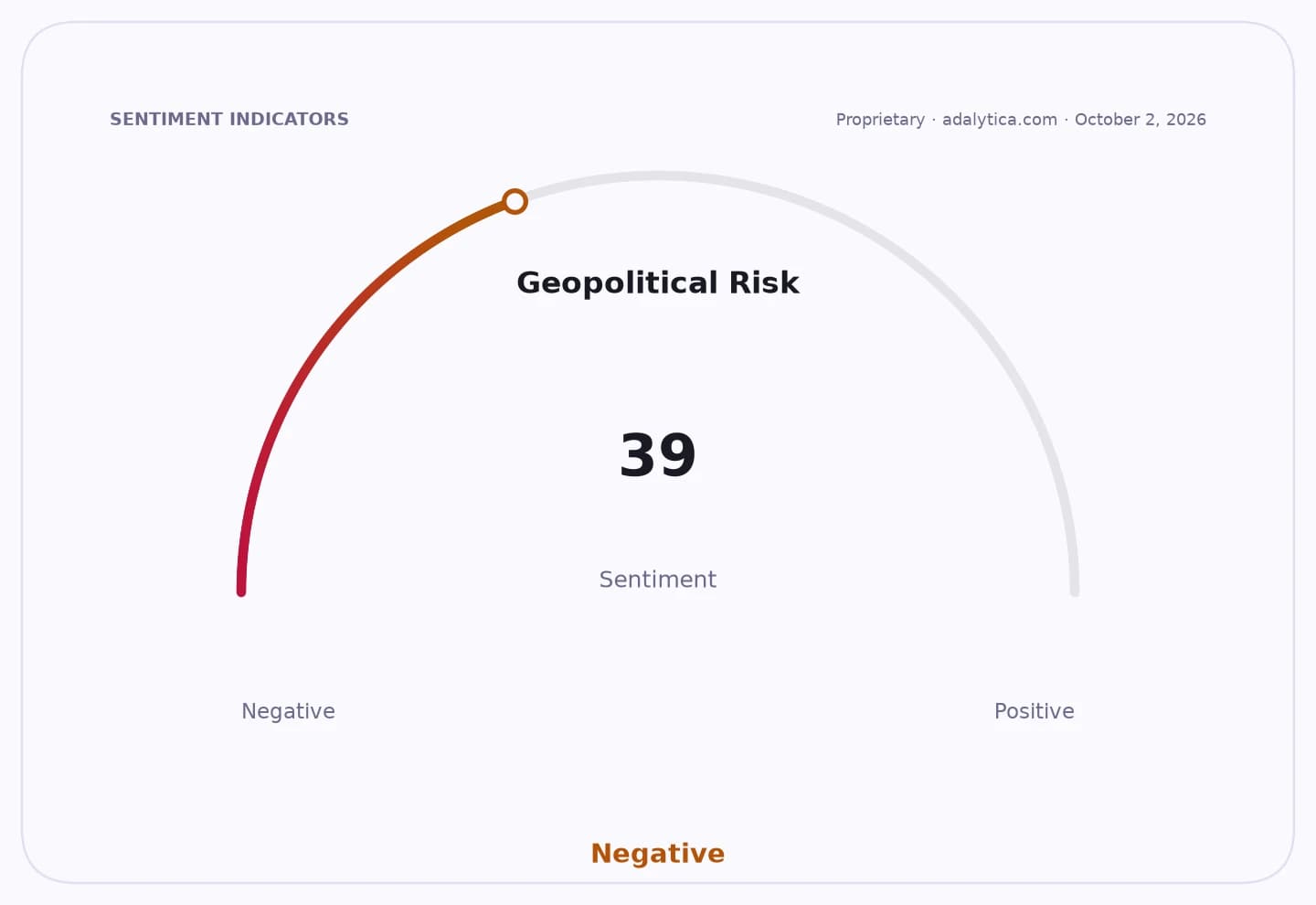
For investors, the significance is less about one airline timetable than about the resilience of cross-border travel and trade lanes that can quickly become vulnerable when tensions flare. Iran’s Imam Khomeini airport chief told IRNA there were “no changes in the schedule,” suggesting authorities are trying to avoid disruptions that would ripple through passengers, cargo operators and regional carriers at a time when the Middle East is already under a harsher security spotlight.
That matters because air corridors are not just transport routes — they are economic arteries. Flights to Armenia, Turkey and Russia support business travel, family traffic and freight flows, while links to Southeast Asia and China connect Iran to broader commercial networks. Any suspension would add friction to an economy already constrained by sanctions, limited access to global finance and the constant premium that geopolitical risk puts on logistics.
The backdrop is tense. News reports around a separate Flydubai incident and accusations involving Iran have stirred fresh concern over aviation security in the region, while former U.S. President Donald Trump warned of a hard response if Tehran is found responsible. Whether or not that specific episode leads to new restrictions, it helps explain why every confirmation of continuing service matters: stability in the skies can be one of the first casualties of a wider political shock.
For airline investors, the immediate read-through is mixed. Carriers and airport operators that depend on Middle East overflights and regional traffic benefit when routes remain intact, but the sector also lives with the ever-present risk of abrupt rerouting, higher insurance costs and weaker demand if the situation deteriorates. Delta Air Lines and United Airlines have both flagged geopolitical conflict in the Middle East as a factor they are watching closely, underscoring that even U.S. airlines can feel the effect of disruptions far from home.
Long term, the message for investors is simple: in geopolitically sensitive corridors, continuity is valuable. If Iran can keep these routes open, it supports regional mobility and helps preserve a minimum level of commercial normalcy. But the margin for error is thin, and any escalation could quickly turn a stable schedule into a costly detour.
| Entity | Gains | Losses |
|---|---|---|
| Iran’s airport operators | ▲Traffic continuity | ▼Disruption risk stays high |
| Travelers and cargo shippers | ▲Steady routes | ▼Fewer backup options |
| Regional airlines | ▲Revenue preservation | ▼Security and rerouting costs |
| Global airline investors | ▲Near-term stability | ▼Geopolitical volatility |