Iran says lasting peace between Armenia and Azerbaijan will only hold if regional powers preserve a “real balance of forces,” underscoring how the South Caucasus peace process is now being shaped as much by competing geopolitical interests as by bilateral diplomacy.
Iran conditions Armenia-Azerbaijan peace on balance
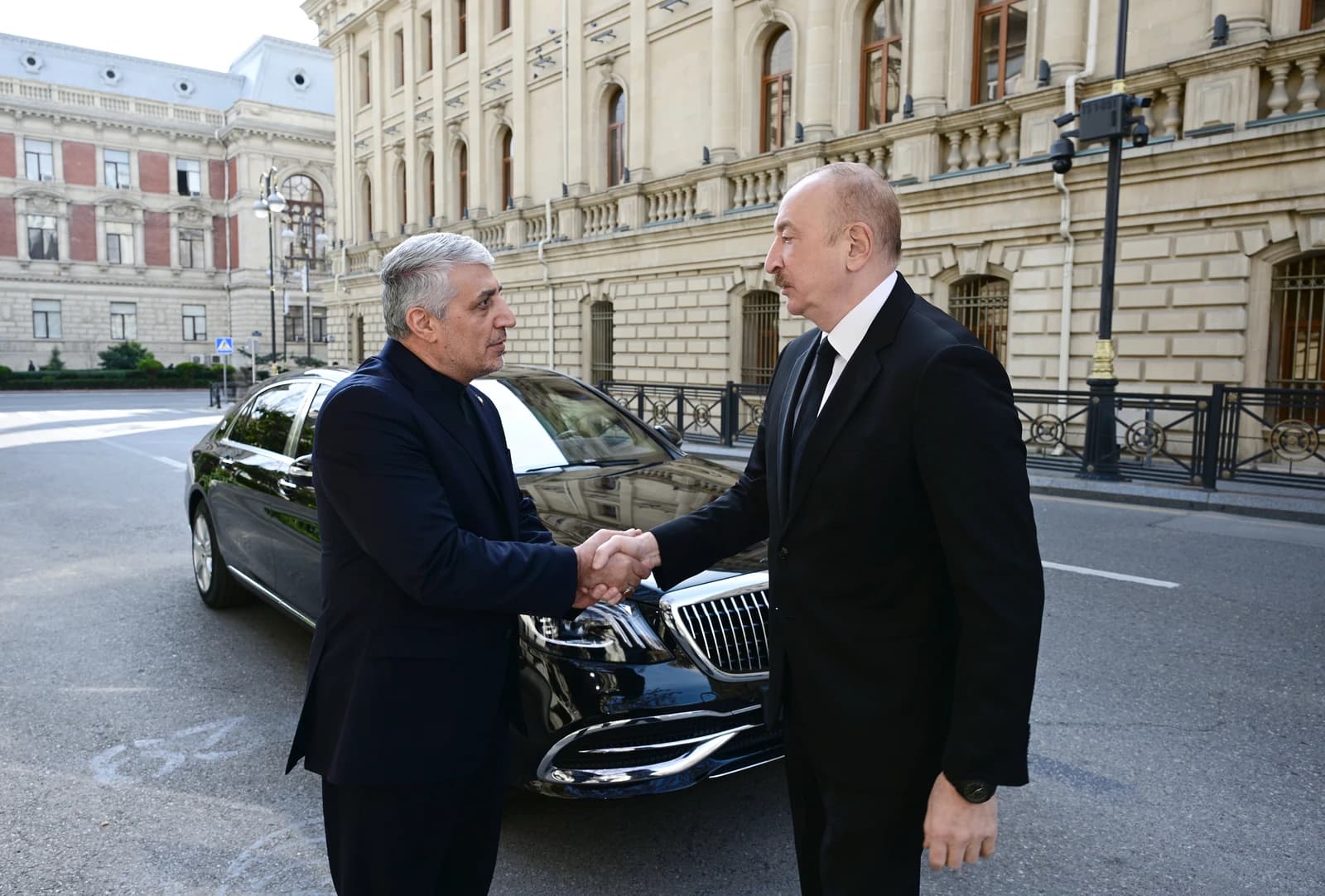
Tehran’s message, delivered by Iran’s ambassador in Yerevan at a conference on Armenian-Iranian relations, is significant because it draws a clear line around the architecture of any settlement: peace is welcome, but not at the cost of altering the regional status quo in a way Iran sees as opening the door to outside powers or shifting strategic corridors away from its interests.
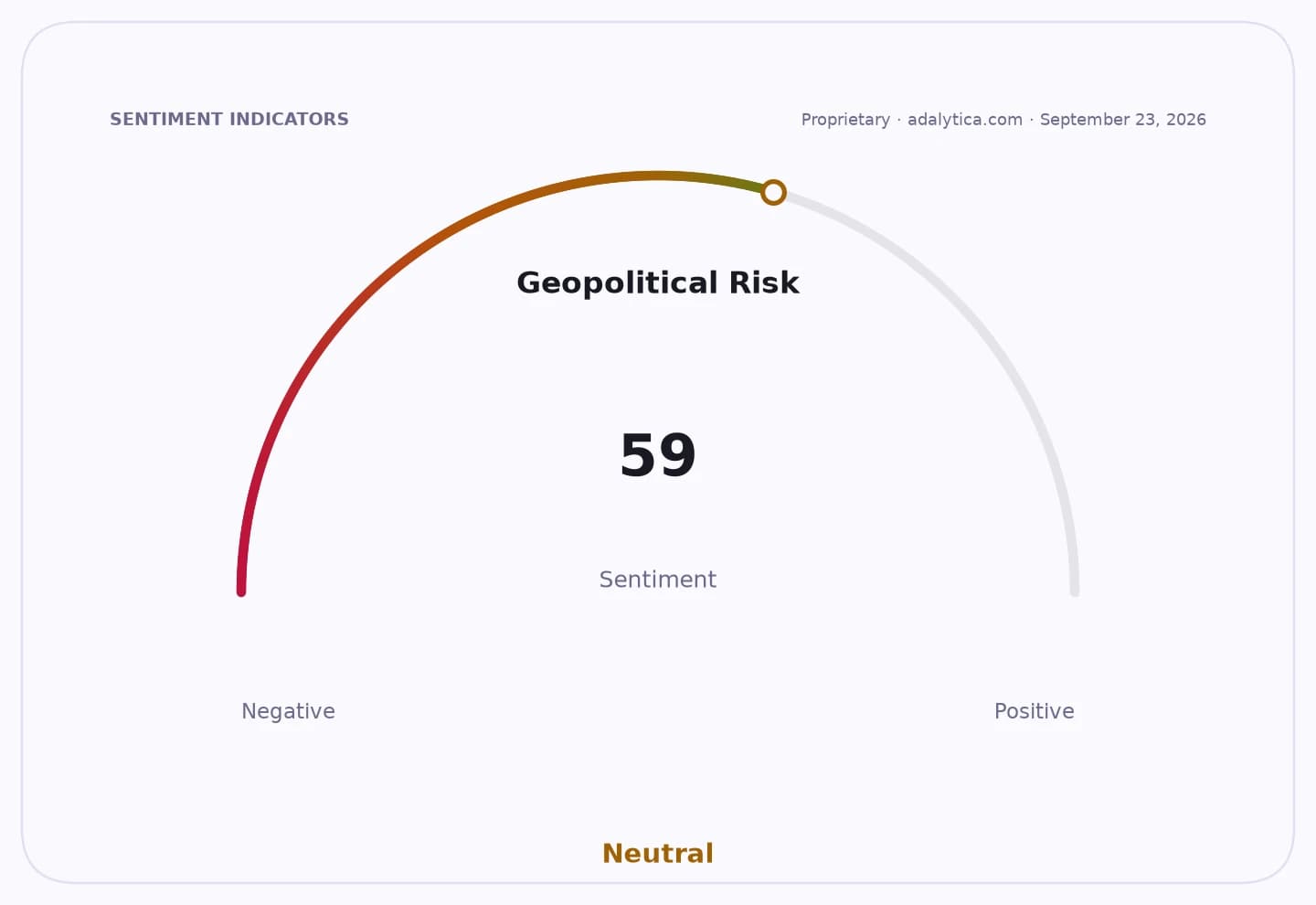
Sentiment IndicatorsⓘProprietary · adalytica.com · September 28, 2026
This is a snapshot — live sentiment, awareness and momentum for 130+ markets update continuously in the dashboard.Open AlphaPulse
That matters economically because the South Caucasus is not just a security question. It is a transit route, a customs corridor and a potential link between the Black Sea, the Persian Gulf and the wider Caspian region. Iran’s endorsement of Armenia’s “Peace Crossroads” concept and conditional support for the TRIPP connectivity project suggests Tehran wants to shape any reopening of transport links so they reinforce regional trade while limiting geopolitical disruption.
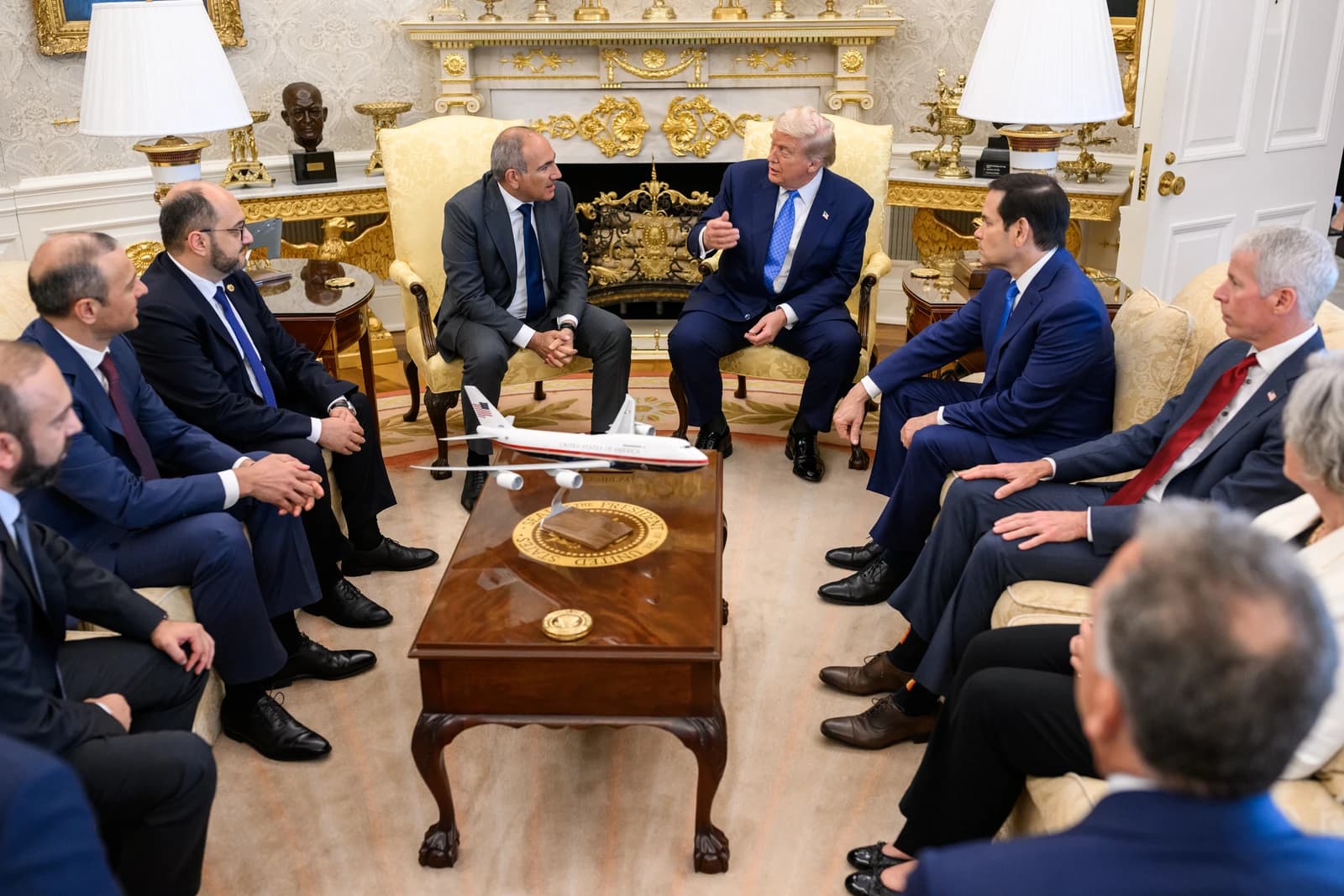
The ambassador’s warning against turning the region into a stage for “destructive competition” reflects a wider contest over infrastructure and influence. Turkey has publicly backed the peace process, the United States has encouraged a settlement, and Armenian officials have been pressing for a framework that can unlock roads and investment. Iran, meanwhile, is signaling that it wants connectivity on terms that preserve the current territorial and strategic balance.
For investors, the immediate market read-through is less about direct asset pricing than about the risk premium attached to South Caucasus transit projects, energy routes and cross-border logistics. A durable Armenia-Azerbaijan deal would support trade flows, construction, customs revenues and regional supply chains. But if major powers try to use the agreement to rewire transport routes or marginalize local stakeholders, the result could be delays, policy friction and renewed instability.
The backdrop is one of cautiously improving diplomacy. Erdogan has voiced support for the peace process, Washington has backed a settlement and the broader mood among regional actors has turned more constructive. Adalytica’s Global Stability Sentiment gauge shows extremely high optimism at 100, though awareness of the risks remains very low, a combination that often leaves markets vulnerable to disappointment if talks stall or implementation proves uneven.
That leaves the core question not whether a peace agreement is possible, but what kind of peace it will be. Iran is making clear it will support reconciliation only if the outcome preserves what it sees as a workable balance among Armenia, Azerbaijan and the surrounding powers. For investors and policymakers, the next catalyst is whether the diplomacy now under way produces not just signatures, but an enforceable regional framework for transport and security.
| Entity | Gains | Losses |
|---|---|---|
| Armenia | ▲Transit options | ▼Geopolitical leverage |
| Azerbaijan | ▲Peace process | ▼Strategic flexibility |
| Iran | ▲Status quo influence | ▼Outside power expansion |
| Turkey/US-backed dealmakers | ▲Diplomatic momentum | ▼Control over corridor terms |