Armenia is under growing pressure to align more closely with U.S. sanctions on Iran, a move that could test Yerevan’s balancing act between Washington and its economically important southern neighbor.
Armenia Faces U.S. Pressure on Iran Sanctions
The issue matters because Iran remains one of Armenia’s key regional lifelines for trade, transit and energy links at a time when Russia’s role in the South Caucasus has weakened. Any shift toward sanctions compliance would deepen Armenia’s strategic tilt toward the West, but it could also raise costs for importers, complicate cross-border commerce and force businesses to adjust supply routes.
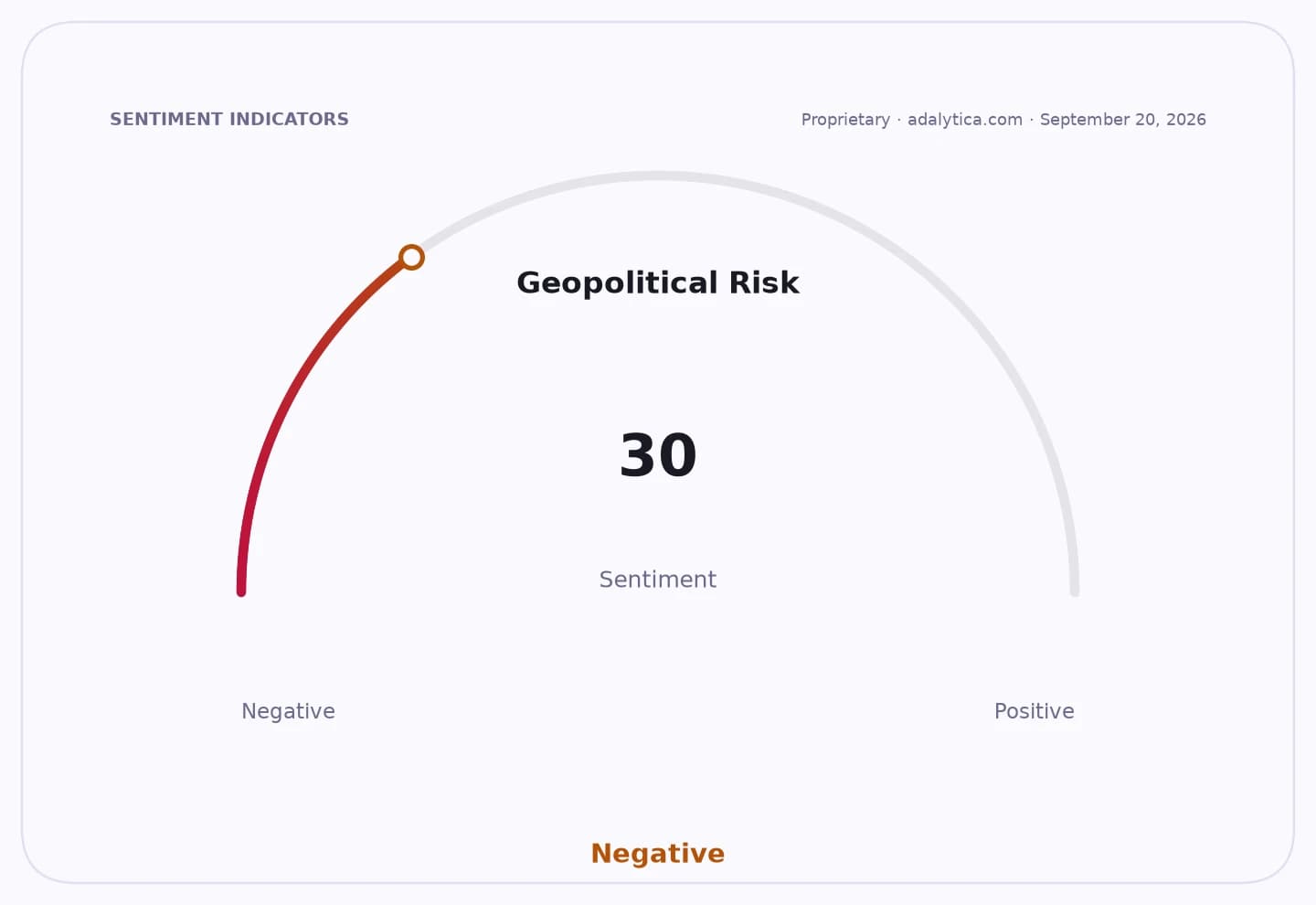
Sentiment IndicatorsⓘProprietary · adalytica.com · September 28, 2026
This is a snapshot — live sentiment, awareness and momentum for 130+ markets update continuously in the dashboard.Open AlphaPulse
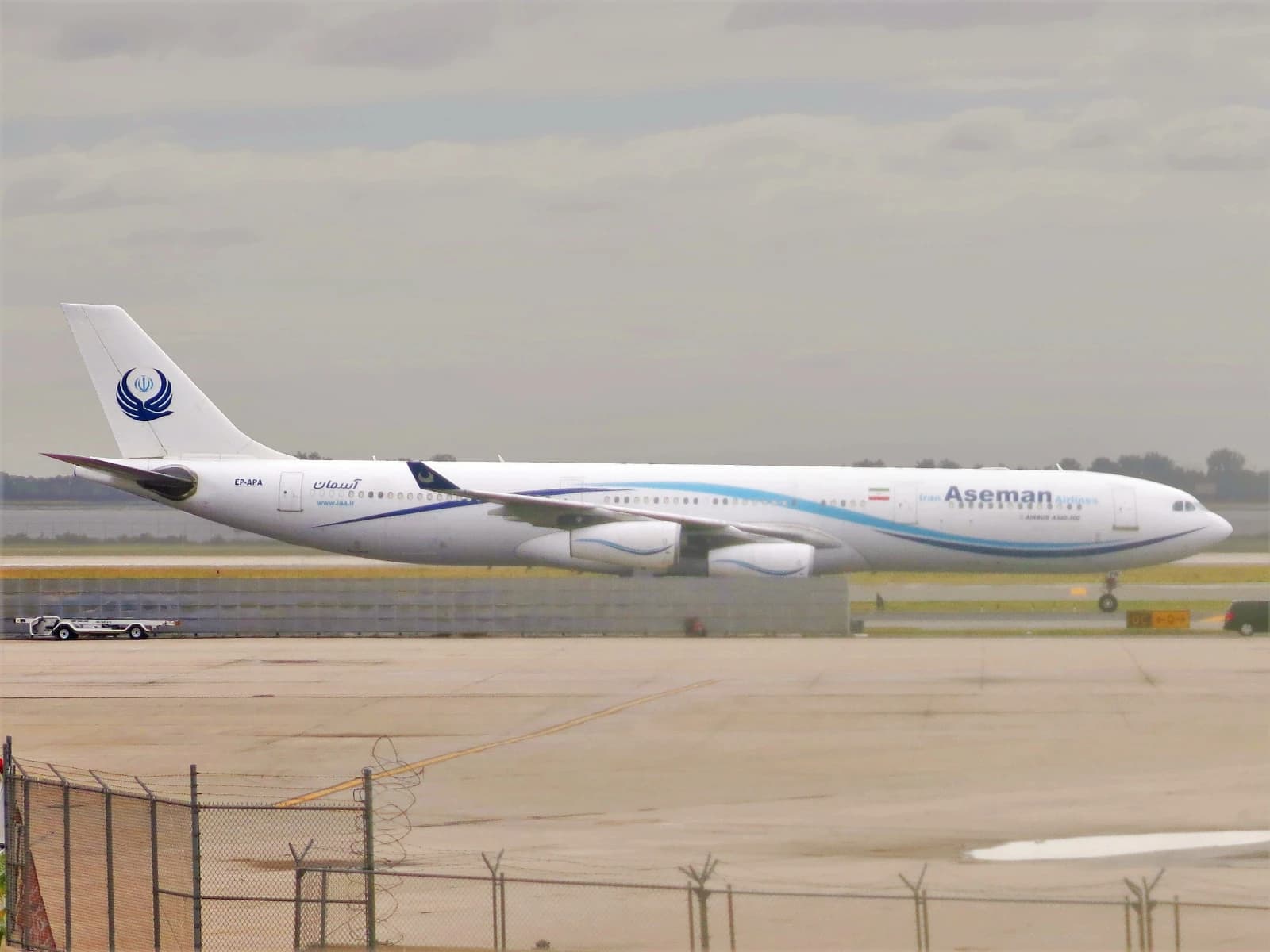
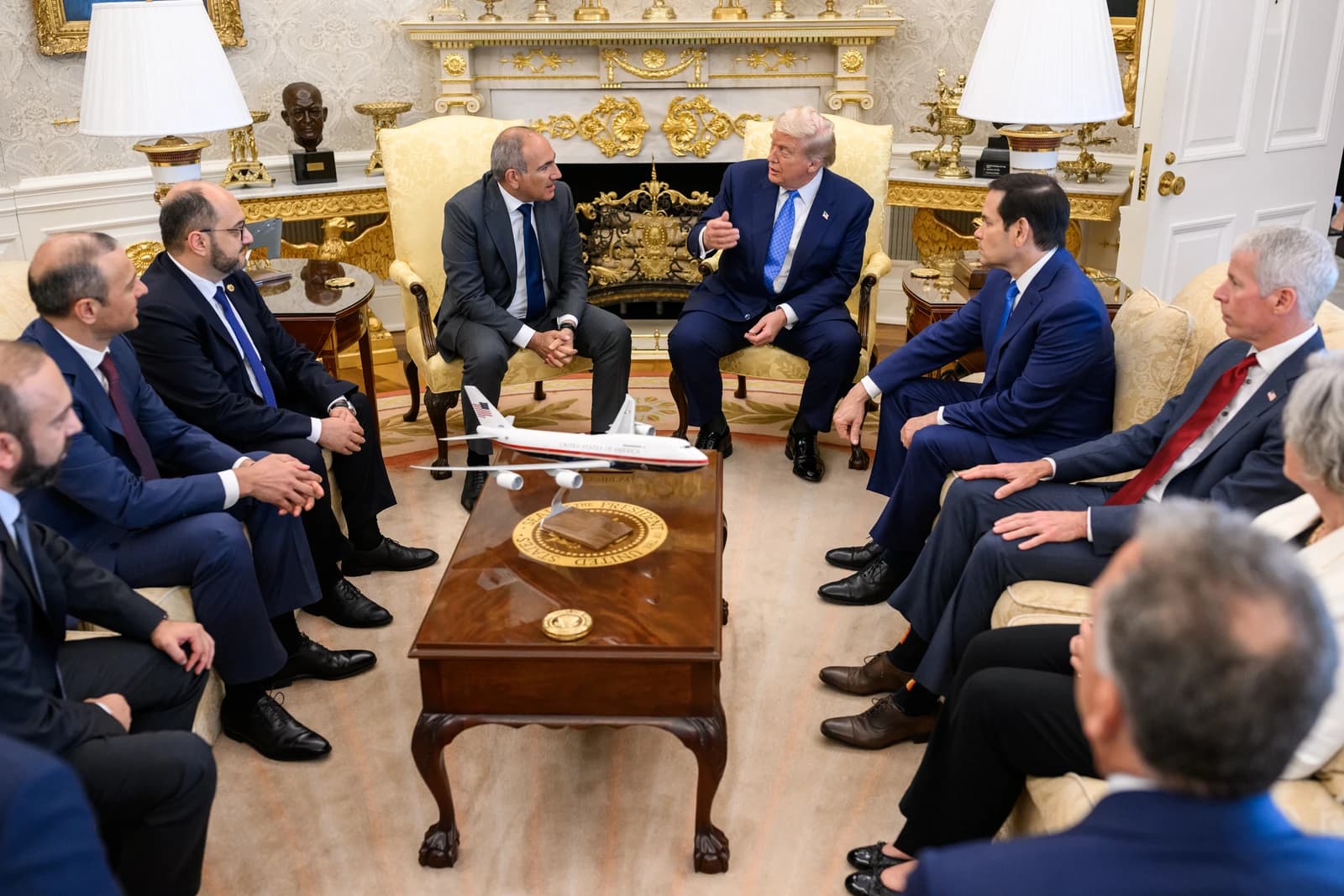
The question has sharpened as the United States steps up pressure on Tehran, including tighter restrictions on Iranian aviation and a broader push to isolate the country economically. Trump’s rhetoric adds another layer of pressure on Armenia, whose leaders have been seeking stronger ties with Washington while avoiding a rupture with Iran.
For investors, the stakes are less about direct market exposure than about regional stability. Armenia’s policy choices could affect the risk premium on South Caucasus assets, influence currency and trade expectations, and shape sentiment around infrastructure and logistics links that depend on a relatively stable corridor through the region.
The wider backdrop is a fragile geopolitical environment in which sanctions enforcement, the war in Ukraine and shifting alliances in the Caucasus are all pulling in the same direction: greater pressure on governments with exposure to Russia and Iran. Armenia’s next steps will show whether it chooses to absorb the economic cost of compliance or continue to preserve room for maneuver.
| Entity | Gains | Losses |
|---|---|---|
| U.S. policymakers | ▲More leverage on Iran | ▼Less room for Armenian neutrality |
| Armenia’s Western ties | ▲Stronger alignment | ▼Higher compliance costs |
| Iranian trade partners | ▲Smoother sanctions enforcement | ▼Disrupted cross-border commerce |
| Armenian importers/logistics firms | ▲Policy clarity | ▼Higher transit and supply-chain costs |