Armenia is signaling it wants to break its long-standing reliance on Russian gas, a shift that matters for the country's energy security, its bargaining power with Moscow and the outlook for regional trade routes.
Armenia Seeks Gas Diversification From Russia
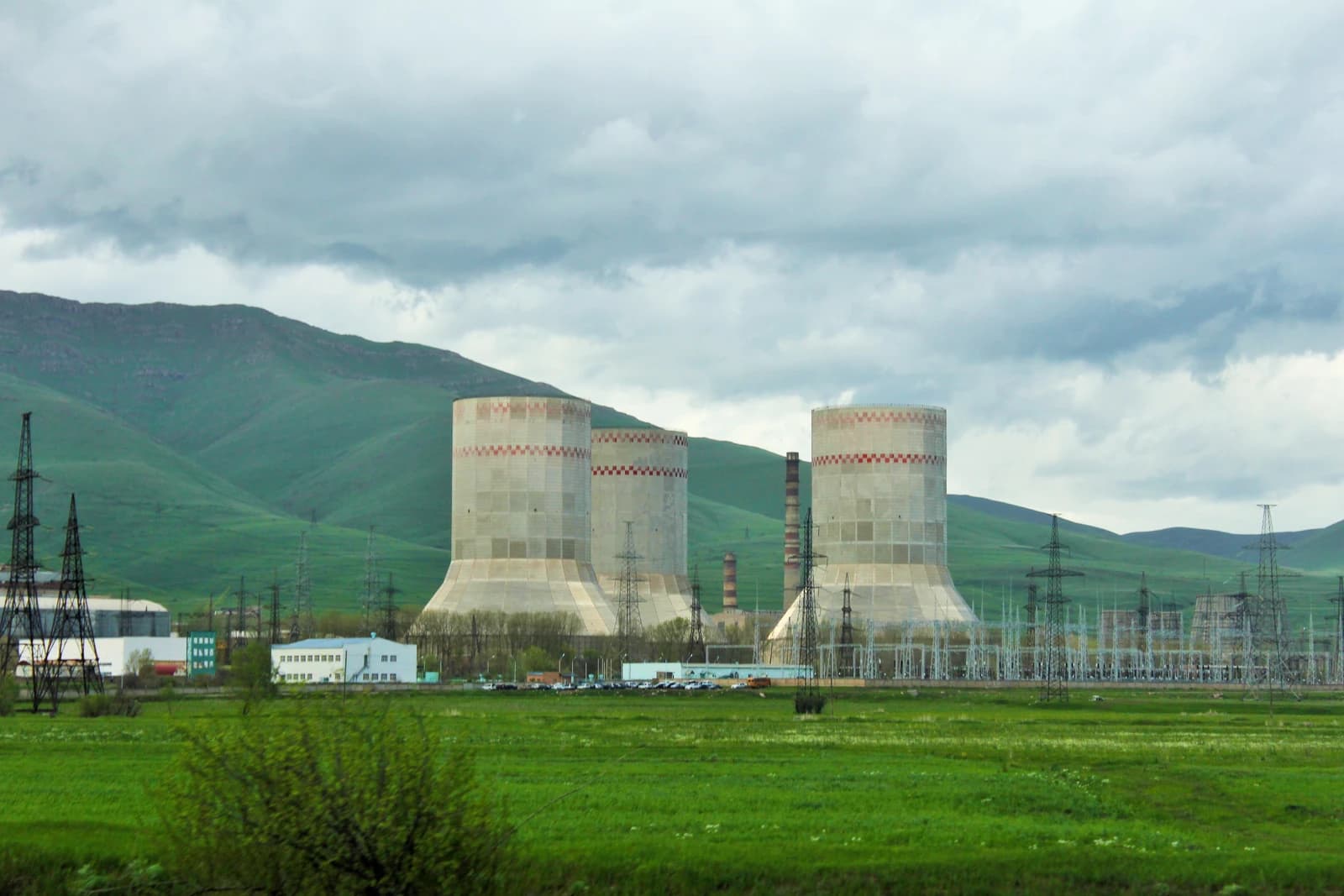
Alen Simonyan, secretary of Armenia’s Security Council, said the country is prepared to diversify gas purchases and could buy from Azerbaijan or Iran if talks allow, while also weighing a broader move toward electricity. He said Armenia “will no longer depend on one pipe,” and described gas pricing as both economic and political.
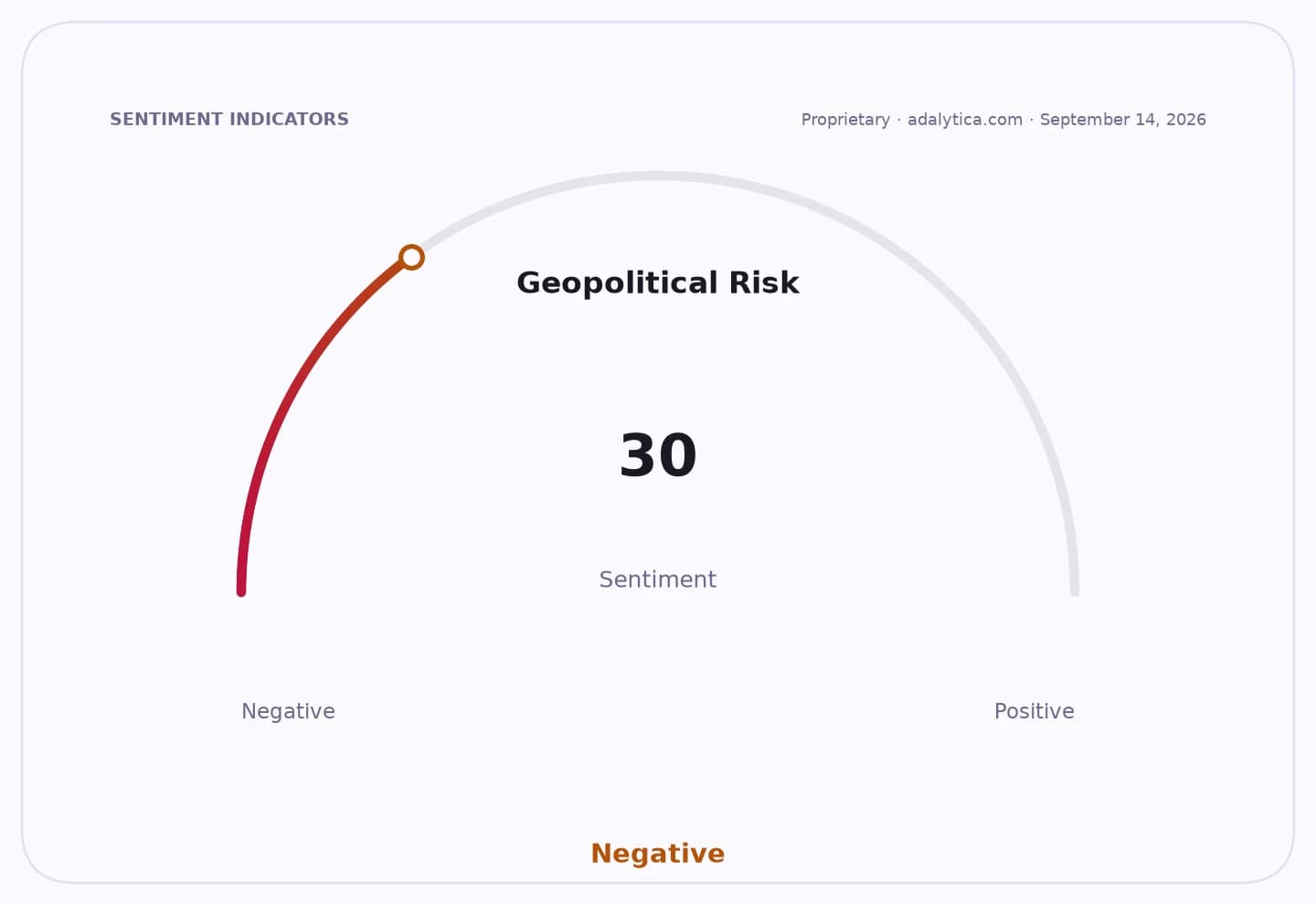
Sentiment IndicatorsⓘProprietary · adalytica.com · September 30, 2026
This is a snapshot — live sentiment, awareness and momentum for 130+ markets update continuously in the dashboard.Open AlphaPulse
The comments come after Russia warned in May that it could suspend or cancel a 2013 cooperation agreement covering natural gas, oil products and rough diamonds if Armenia continues its path toward EU membership. That threat underscores how energy supplies are being pulled into a wider geopolitical dispute, with fuel access increasingly linked to Yerevan’s foreign-policy choices.
Moscow currently supplies gas to Armenia at $177 per 1,000 cubic meters, far below the roughly $600 level in much of the EU, but the lower price has not eliminated the strategic risk of dependence on a single supplier. Armenian Prime Minister Nikol Pashinyan said earlier this month that gas is not cheap in Armenia because consumers receive it at a high final price, and suggested the government would look at what it could make more expensive for Russia if Moscow raises prices.
For investors, the immediate impact is less about a near-term gas contract and more about the possibility of a slow reordering of transit, pricing and infrastructure across the South Caucasus. A move toward broader fuel sourcing would be positive for pipeline and power-grid optionality, while potentially reducing Russia’s leverage over Armenia’s economy.
Energy markets are also being shaped by broader shifts toward supply diversification, but fossil fuels still dominate global generation, making regional gas access a core security issue rather than a purely environmental one. Armenian officials’ willingness to discuss deals with Azerbaijan and Iran suggests the country is preparing for a more transactional energy map if political conditions allow.
The key catalyst now is whether Yerevan can translate the rhetoric into actual supply talks, transit arrangements and tariff changes, especially if Russia responds by tightening terms or if regional diplomacy stalls.
| Entity | Gains | Losses |
|---|---|---|
| Armenia | ▲More supplier options | ▼Reliance on one pipeline |
| Russia | ▲Higher leverage if talks fail | ▼Gas market share in Armenia |
| Azerbaijan / Iran | ▲Potential export route | ▼Political risk in negotiations |
| Armenian consumers | ▲Possible supply security | ▼Near-term price uncertainty |