Romania has opened a new natural-gas import route just as Europe’s fuel market is tightening into the winter season, a move that could soften supply risk but will not shield consumers from higher energy bills.
Romania Opens New Natural Gas Import Route
That matters because Romania is heading into a period of elevated power-and-fuel stress: gas prices on the Romanian Commodity Exchange have climbed to a four-year high, while retail fuel costs are pressing toward politically sensitive levels. Standard gasoline may soon top 10 lei a liter and diesel 11 lei, a jump that would squeeze households, transport operators and industrial users already facing slower growth and higher operating costs.
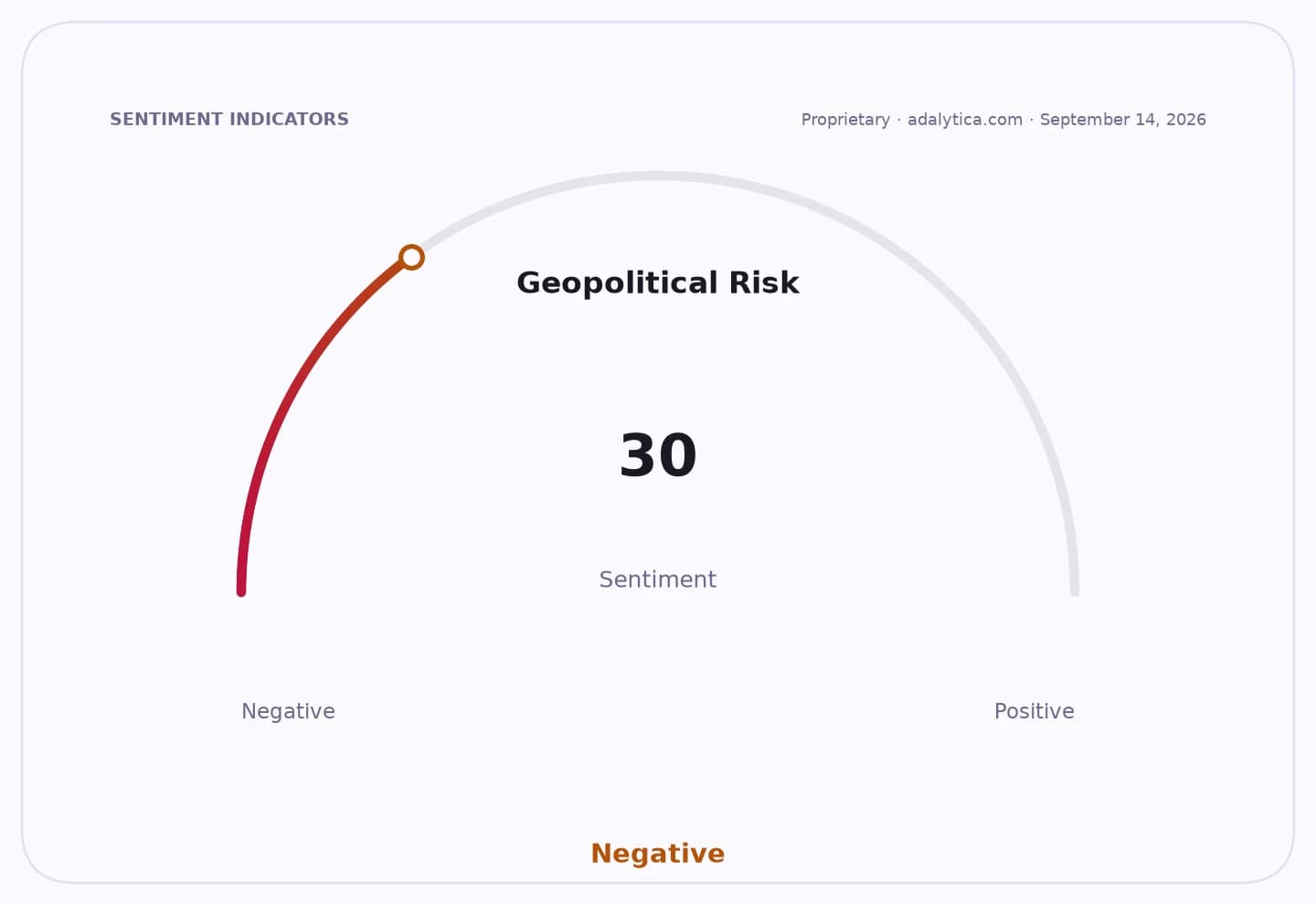
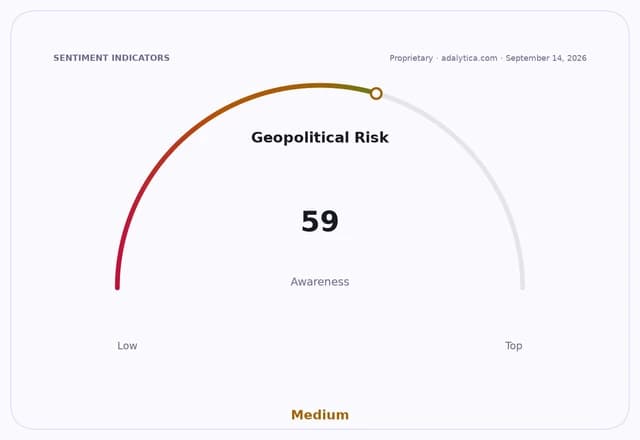
Sentiment IndicatorsⓘProprietary · adalytica.com · September 14, 2026
This is a snapshot — live sentiment, awareness and momentum for 130+ markets update continuously in the dashboard.Open AlphaPulse
The new route is best read as a resilience measure in a region where energy security remains fragile. Europe has spent years trying to reduce dependence on Russian gas, but the market is still exposed to supply bottlenecks, winter weather and geopolitical shocks. Romania’s move gives it another channel to source fuel, diversify counterparties and potentially bargain for better terms. Even so, imported gas will likely arrive at prices shaped by a still-tight regional market, not a comfortable surplus.
For investors, the story is less about one Romanian pipeline than about the next leg of Europe’s energy re-pricing. Higher gas and diesel costs can lift inflation expectations, pressure consumer spending and force governments to intervene with subsidies or tax relief. That is a headwind for airlines, logistics firms and energy-intensive manufacturers, but it keeps the case alive for upstream producers, LNG exporters, storage operators and infrastructure owners with exposure to constrained European supply.
The market backdrop remains supportive of that thesis. Brent-linked energy equities have stayed firm while crude and gas prices have moved higher in recent sessions, and conventional technical indicators on major U.S. energy names such as Exxon Mobil and Chevron remain constructive, with shares holding above their 50-day and 200-day moving averages. In other words, the market still wants exposure to cash-generating energy assets when Europe’s supply chain turns tight.
Romania’s new import route may help avert the worst-case scenario this winter, but it does not solve the core problem: Europe still lacks abundant, cheap gas. That keeps the region vulnerable to price spikes, and it leaves investors with a clear playbook — own the infrastructure and supply winners, not the consumers who will absorb the shock.
| Entity | Gains | Losses |
|---|---|---|
| Romania | ▲Better supply optionality | ▼Still faces high import costs |
| Gas exporters / LNG suppliers | ▲New demand route | ▼Lose bargaining leverage |
| Energy infrastructure operators | ▲Higher throughput value | ▼Need capex and maintenance |
| Consumers / fuel buyers | ▲Some supply security | ▼Higher heating and transport costs |