Moldova’s gas tariff will rise only if suppliers can justify a higher purchase price to the regulator, a sign the country’s energy bills remain tightly tied to volatile import costs rather than politics alone.
Moldova Gas Tariff May Rise on Higher Costs
That matters because natural gas is still one of the most sensitive household expenses in Moldova, and any approved increase would feed directly into inflation, utilities budgets and consumer spending power. President Maia Sandu said suppliers must request an adjustment from ANRE, the national energy regulator, and that the case will be reviewed if “there are enough arguments,” putting the focus on procurement economics rather than a discretionary price hike.
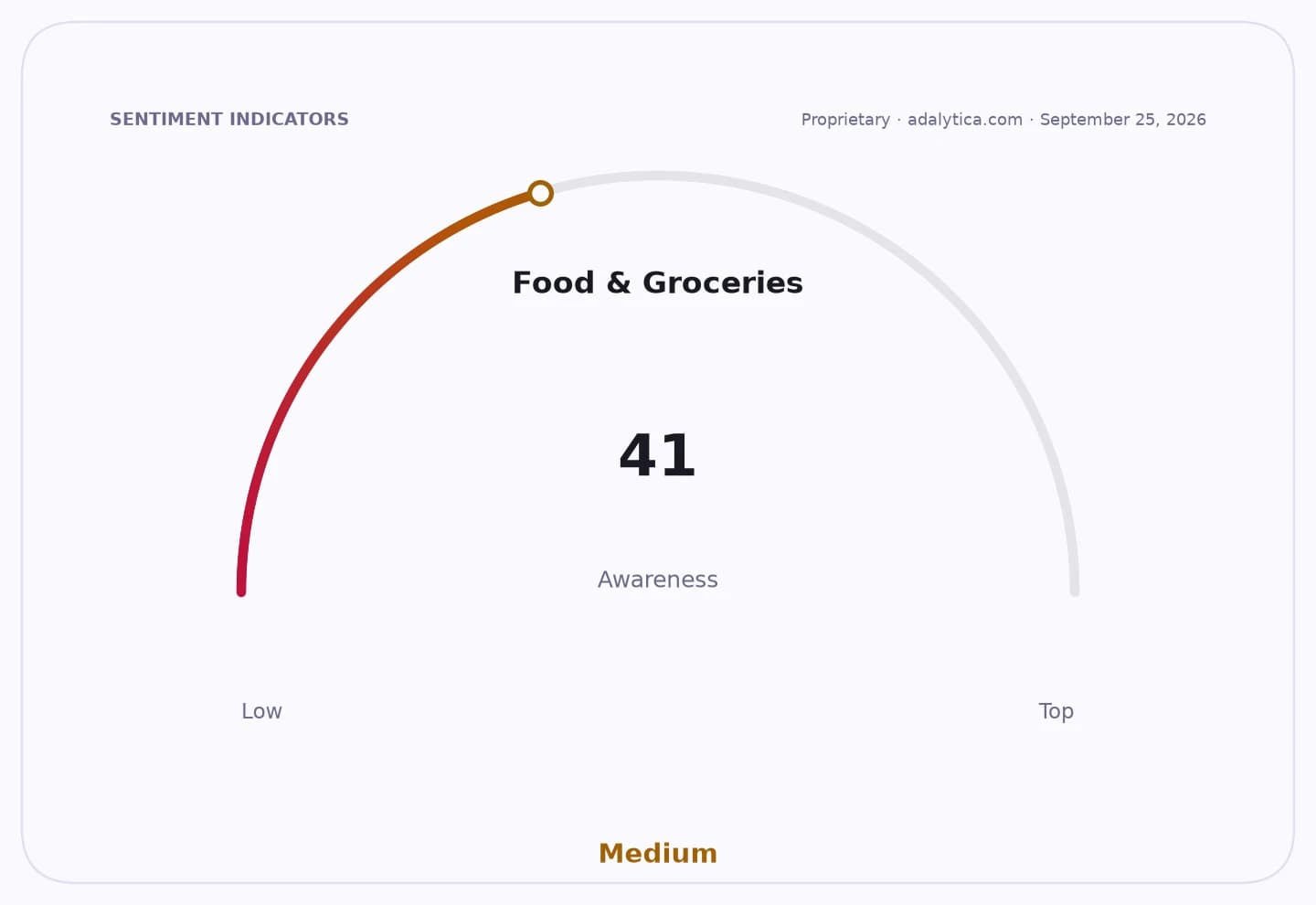
Sentiment IndicatorsⓘProprietary · adalytica.com · September 25, 2026
This is a snapshot — live sentiment, awareness and momentum for 130+ markets update continuously in the dashboard.Open AlphaPulse
The comment comes as energy markets across Europe remain under pressure from elevated wholesale prices and renewed scrutiny of how regulators protect consumers. In that environment, Moldova’s tariff-setting framework becomes more than a domestic administrative issue: it is a transmission channel for imported energy shocks into the broader economy. If purchase costs move higher, the regulator’s scope to absorb the increase is limited unless the government steps in with subsidies or other relief.
For investors, the key implication is that Moldova’s utility and inflation outlook will depend heavily on gas procurement terms and the pace at which those costs are passed through. Higher tariffs would be negative for consumers and industries with energy-intensive cost structures, but potentially supportive for suppliers and distributors if tariff approval improves margin recovery. The decision also carries policy risk, because a sharp increase could force the government to balance fiscal support against social backlash.
The broader narrative is that Moldova, like much of Europe, is still living with a cost-of-energy regime shaped by external supply prices rather than domestic demand. The next swing factor is whether suppliers can produce enough evidence at ANRE to secure a higher tariff — and whether policymakers choose to let that pass through in full.
| Entity | Gains | Losses |
|---|---|---|
| Gas suppliers | ▲Higher tariff recovery | ▼Margin pressure if denied |
| Consumers | ▲Stability if no increase | ▼Higher household bills |
| Moldova government | ▲Less subsidy need if prices hold | ▼Political pressure if tariffs rise |
| ANRE regulator | ▲Pricing credibility | ▼Scrutiny over approval decisions |