President Donald Trump said his administration supports the India-Middle East-Europe Economic Corridor, putting Washington behind a major alternative trade route intended to move energy and goods away from chokepoints exposed to Iranian attack.
Trump backs India-Middle East-Europe corridor
The backing matters because the corridor is not just a diplomatic gesture: it is part of a broader U.S. effort to reshape regional shipping, energy security and geopolitical leverage at a time when Middle East supply lines remain vulnerable. Any route that can reduce dependence on transit points seen as exposed to conflict can lower insurance costs, improve delivery reliability and make cross-border commerce more attractive to shippers and investors.
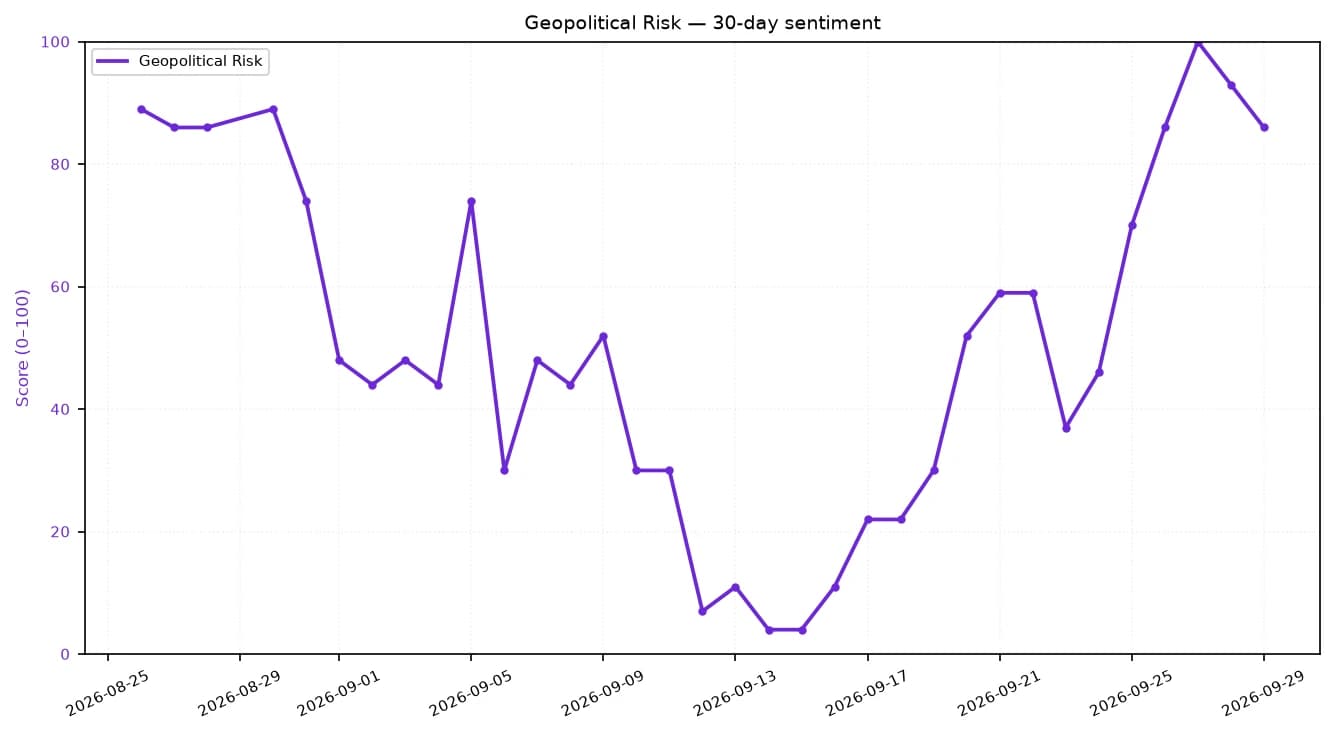
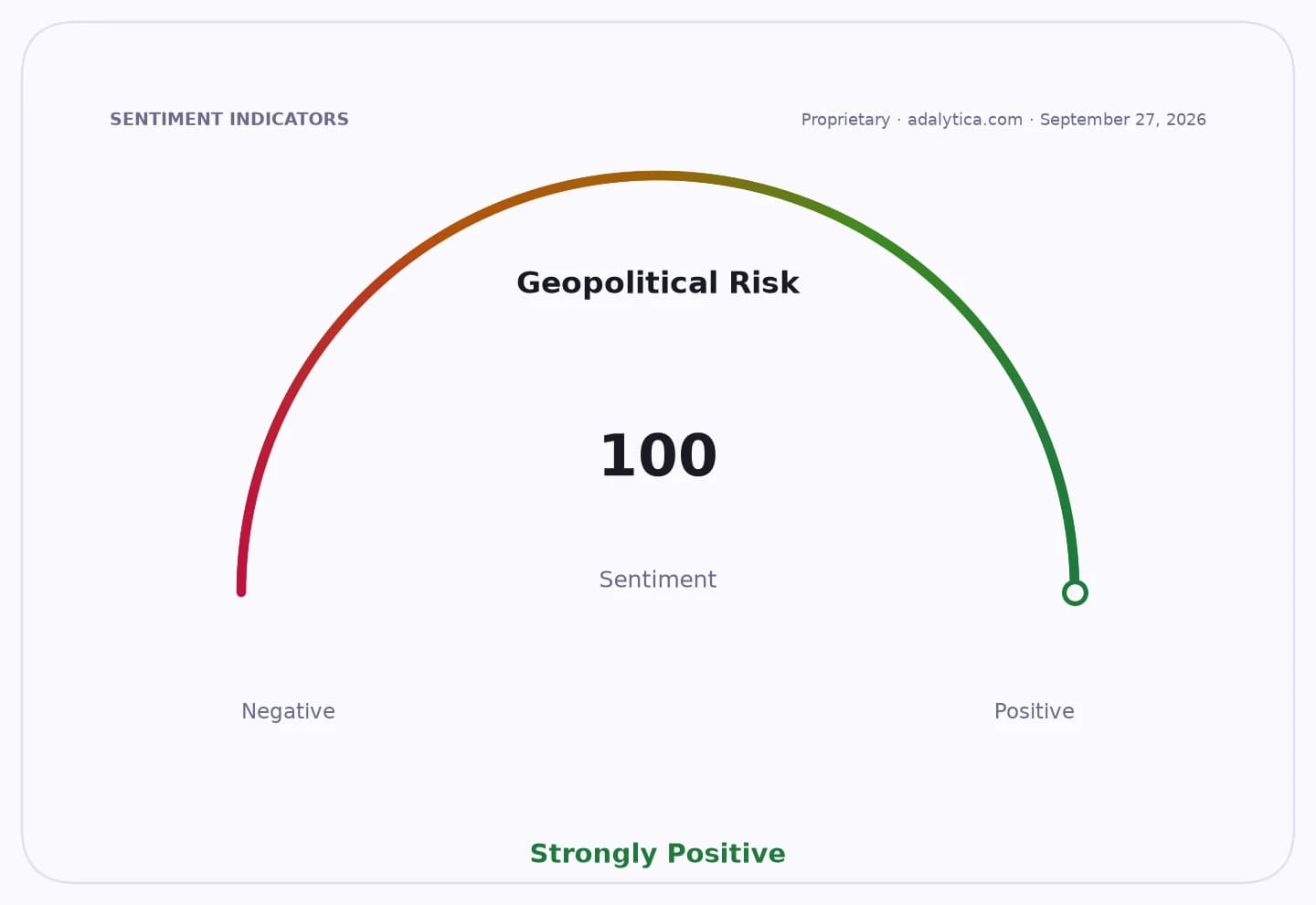
Sentiment IndicatorsⓘProprietary · adalytica.com · September 27, 2026
This is a snapshot — live sentiment, awareness and momentum for 130+ markets update continuously in the dashboard.Open AlphaPulse
Trump framed the corridor as a way to move oil and other cargo away from Iranian “checkpoints,” saying the U.S. was working with regional partners to ensure energy flows from the Gulf. He also said his administration had helped secure the movement of more than 1 billion barrels of oil out of the Gulf and argued that flows through the region are now higher than at any time since the current conflict began.
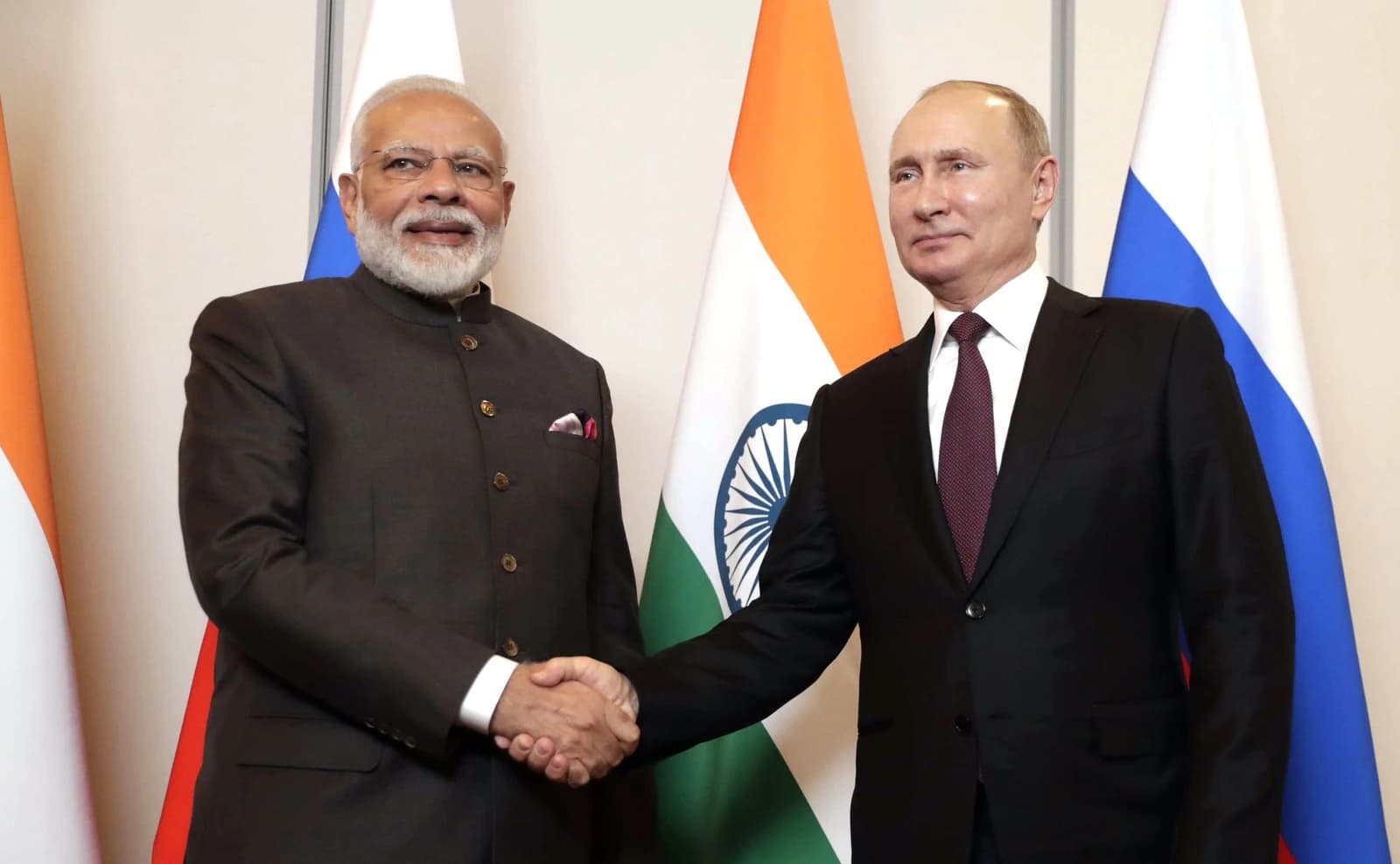
The initiative, first announced at the 2023 G20 summit in New Delhi, links India to Gulf states by sea and connects the Gulf to Europe through rail and shipping networks. India, the U.S., Saudi Arabia, the UAE and the European Union, along with France, Germany and Italy, signed onto the framework, underscoring that the project is meant to be a strategic counterweight to established routes that run through more fragile corridors.
For investors, the most immediate market read-through is positive for logistics, shipping, ports, rail and energy infrastructure names that could benefit from a longer-run shift in trade lanes. It also reinforces the case for defense and maritime-security spending, while keeping pressure on routes and assets tied to Iran-adjacent transit risk.
The policy signal comes alongside rising geopolitical tension and a search for redundant supply chains, which has already lifted interest in alternative corridors across Eurasia and the Middle East. With Trump also claiming progress in talks over Iran and warning that Washington will keep ratcheting up financial pressure, the corridor now sits inside a larger U.S. strategy: tighten regional security, protect energy flows and build a trade architecture that excludes Tehran.
If the administration turns backing into financing, permitting and partner commitments, the project could draw follow-on investment in ports, rail links, fuel infrastructure and industrial zones across India, the Gulf and southern Europe. The near-term catalyst will be whether Washington can translate political support into concrete agreements that reduce execution risk and make the corridor commercially viable.
| Entity | Gains | Losses |
|---|---|---|
| India, Gulf states, EU | ▲stronger trade links | ▼reliance on exposed routes |
| Logistics and shipping firms | ▲new cargo lanes | ▼legacy chokepoint traffic |
| Iran | ▲none | ▼transit leverage |
| Energy importers | ▲more route optionality | ▼higher geopolitical risk |