The United States has largely broken Iran’s stranglehold on the Strait of Hormuz, but the victory is colliding with a domestic political problem for President Donald Trump: Americans are paying far more for gasoline and diesel, and that pain could cost Republicans control of Congress.
Iran Oil Flow Through Hormuz Recovers, Fuel Prices Rise
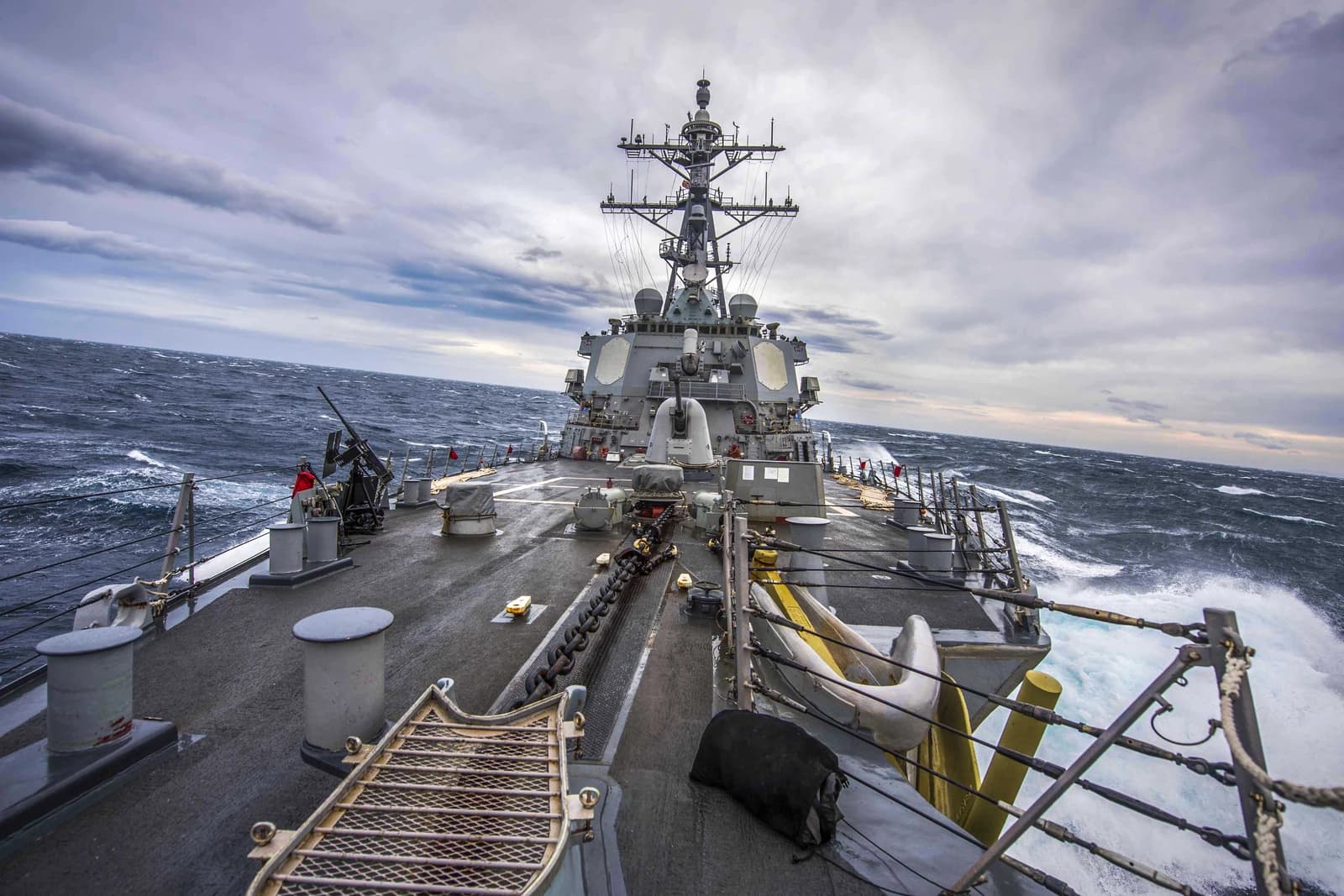
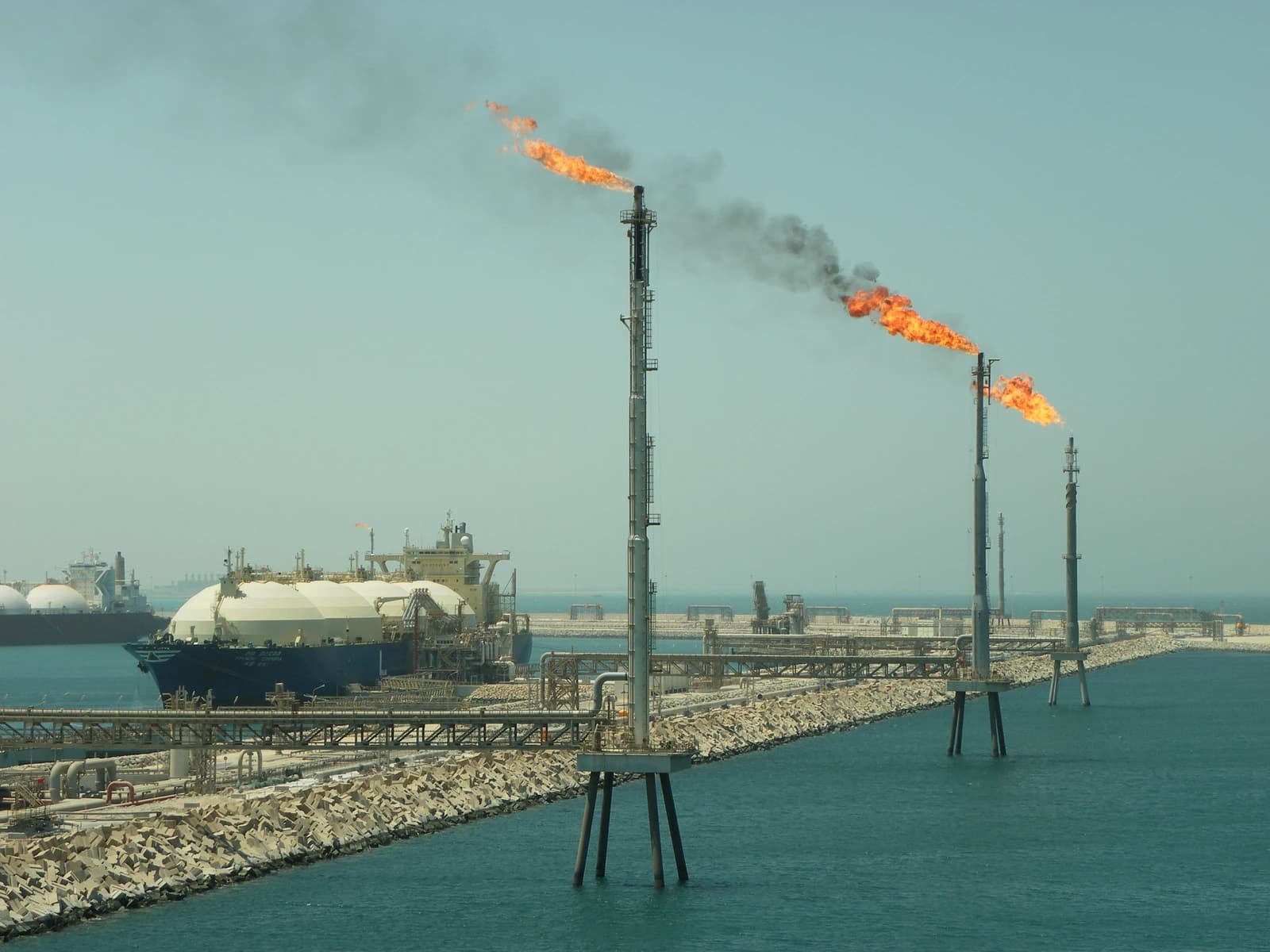
Seven months into the war with Iran, oil and LNG flows through the chokepoint are recovering as Gulf producers route cargoes around the disruption and the US Navy clears mines, escorts tankers and targets Iranian military capabilities. But the partial reopening has not restored normal pricing — it has simply shifted the cost from lost barrels to transport, insurance and supply-chain stress.
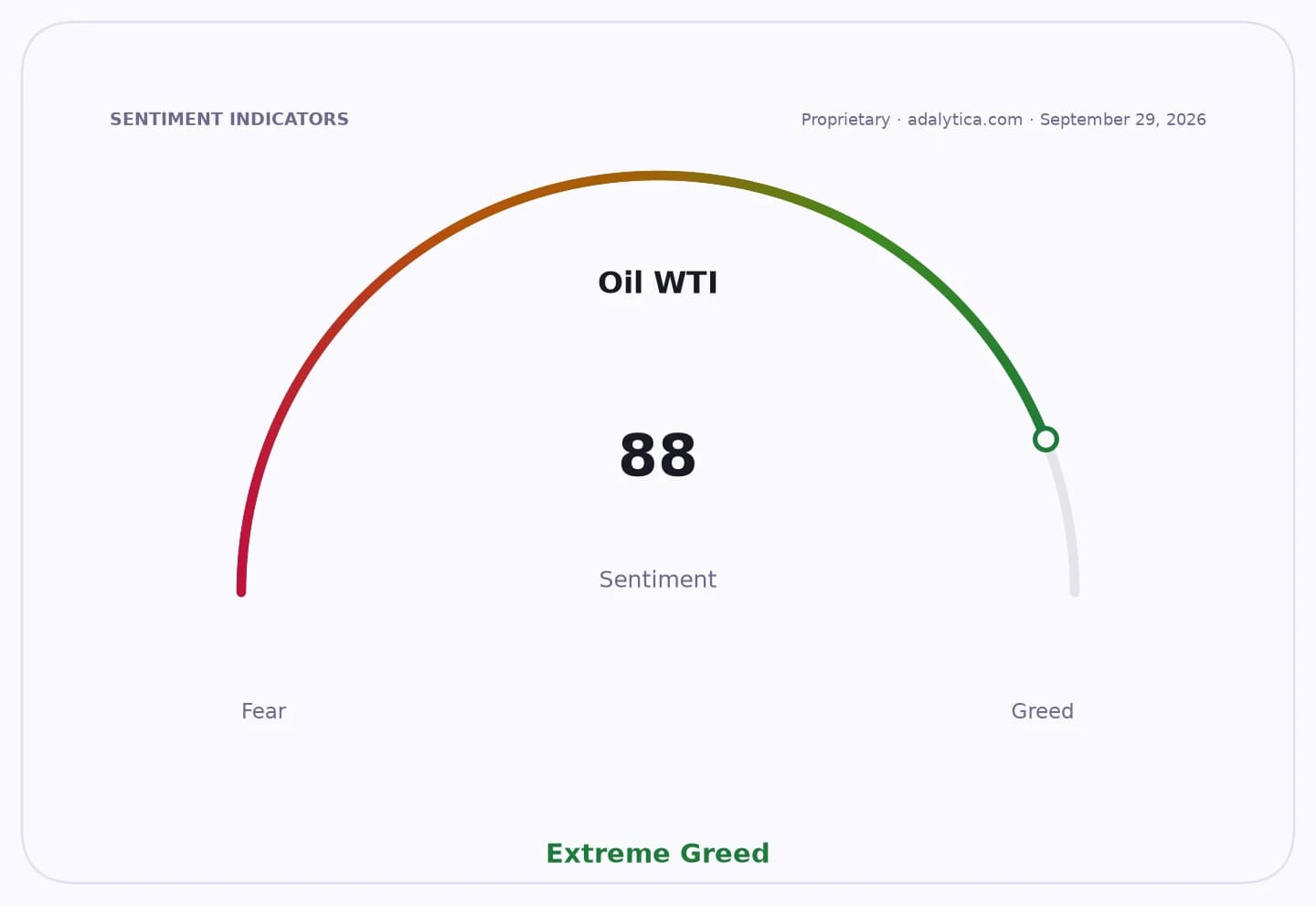
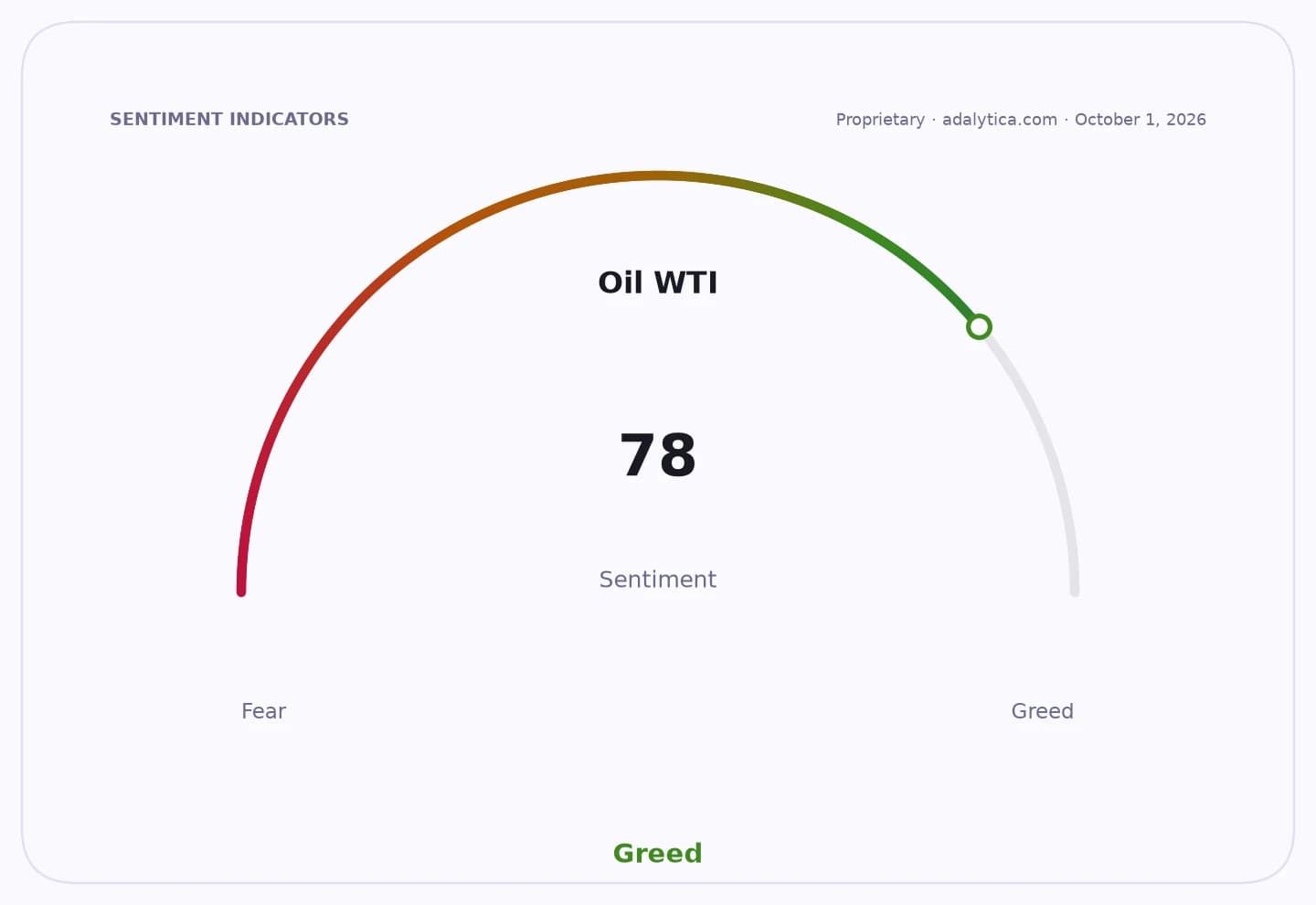
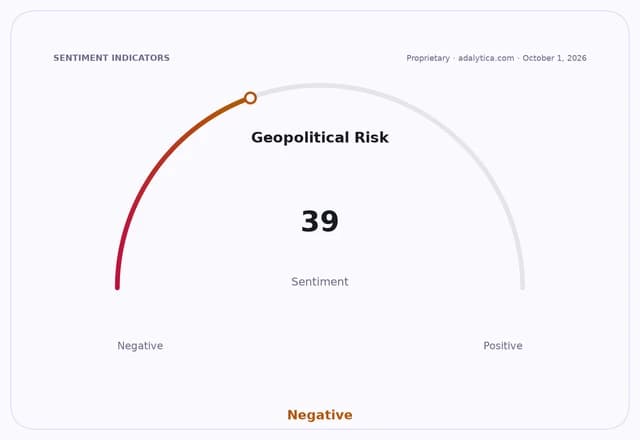
Sentiment IndicatorsⓘProprietary · adalytica.com · October 1, 2026
This is a snapshot — live sentiment, awareness and momentum for 130+ markets update continuously in the dashboard.Open AlphaPulse
CENTCOM chief Admiral Brad Cooper said cargoes crossing Hormuz in the past two weeks hit their highest level in six months. Tanker Trackers estimates the volume of crude moving out of the region on US-protected routes has doubled in less than a month to 13 million barrels a day, still well below the roughly 20 million barrels that moved before the war. Kpler and Vortexa say they have not seen any Iranian crude shipments successfully pass through the strait since Washington reinstated its blockade on July 14.
That is a real tactical win for Washington. Tehran’s oil exports have been squeezed, its leaders say foreign trade is down 35%, and the IMF sees inflation nearing 70% this year. Iran also appears to be running down offshore stockpiles it had built outside the Gulf, limiting how long it can keep selling into global markets.
For investors, though, the story is not as simple as a supply victory. The reopening of routes has come with a war premium that is showing up across energy markets. Marine insurance costs have surged, carriers are demanding extra compensation to enter the Gulf, and freight now accounts for almost a quarter of some cargoes’ total cost. Moving oil from the Middle East to China on a supertanker now costs about $30 a barrel, a record and more than five times the prewar $5 to $6 range.
That matters because the strain is not only on prices but also on shipping capacity. Ship-to-ship transfers around Oman keep large VLCCs anchored for days while smaller vessels make repeated runs into the Gulf, tying up more of the global fleet. At mid-September, only 18 VLCCs were available in the region for the following two weeks, down from a 50-ship average over the prior three months, and nearly 15% of the world’s supertankers are now concentrated in the Gulf of Oman.
The broader market backdrop is tightening too. Global inventories have fallen by more than 500 million barrels since the war began, with withdrawals averaging 2.8 million barrels a day over the past six months, according to the International Energy Agency. That has helped keep crude and refined-fuel markets volatile even as the physical flow through Hormuz improves.
For Trump, the political math is worse than the military math. US gasoline has climbed to about $4.48 a gallon, up 52% since the war began, while diesel is 71% higher. Only 26% of Americans approve of his handling of the conflict, and 36% say the US is winning, according to CNN/SSRS, giving Republican candidates a difficult message heading into the midterms.
Oil and energy stocks have reflected the tension. The USO crude ETF remains far above its 50-day and 200-day moving averages even after a pullback, while XLE and XOP have retreated from recent highs but are still sitting well above their longer-term averages, underscoring how quickly the market has repriced geopolitical risk. Adalytica’s US Dollar Trade Signals show extreme fear, while its Global Stability gauge also points to heightened stress.
The next test is whether diplomacy can lock in the partial opening without reigniting the blockade. If talks at the UN and through regional intermediaries fail, the market will be left with a less severe but still expensive version of the same Hormuz shock: enough oil to move, but not enough certainty to bring prices back down.
| Entity | Gains | Losses |
|---|---|---|
| US Navy / Washington | ▲weaker Iran leverage | ▼higher domestic fuel prices |
| Gulf exporters | ▲restored export access | ▼higher shipping and insurance costs |
| Oil traders / tanker owners | ▲war-risk freight premiums | ▼fleet capacity tied up |
| US consumers / Republicans | ▲limited supply stability | ▼gasoline and diesel inflation |