Trump’s decision to frame the US confrontation with Iran as a limited “military conflict” rather than a war matters because it signals Washington is trying to contain a flashpoint that has already jolted oil markets, lifted energy shares and raised the risk premium across global assets.
Oil prices, energy stocks rise on Iran conflict

The president’s language suggests the White House wants to project control even as the fighting has moved into a more dangerous phase, with US strikes on Iranian air defenses and radar systems near the Strait of Hormuz followed by Iranian missile and drone attacks on US bases in the Gulf and Jordan. Trump said 18 US service members had died, warned he could hit a site he identified as “Pickaxe” if activity resumed there, and insisted the US had “stopped” Iran from getting a nuclear weapon.
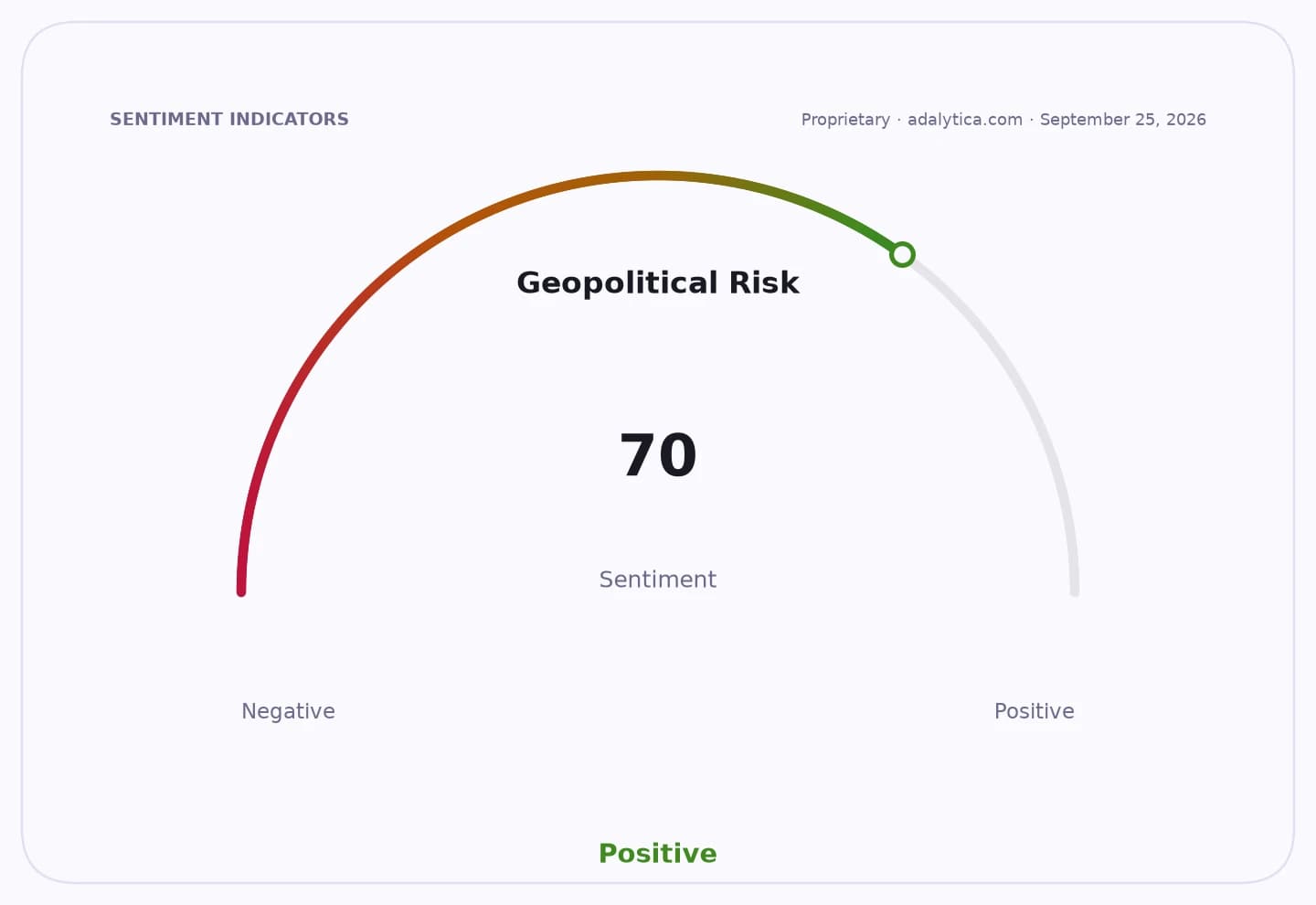
Sentiment IndicatorsⓘProprietary · adalytica.com · September 5, 2026
This is a snapshot — live sentiment, awareness and momentum for 130+ markets update continuously in the dashboard.Open AlphaPulse
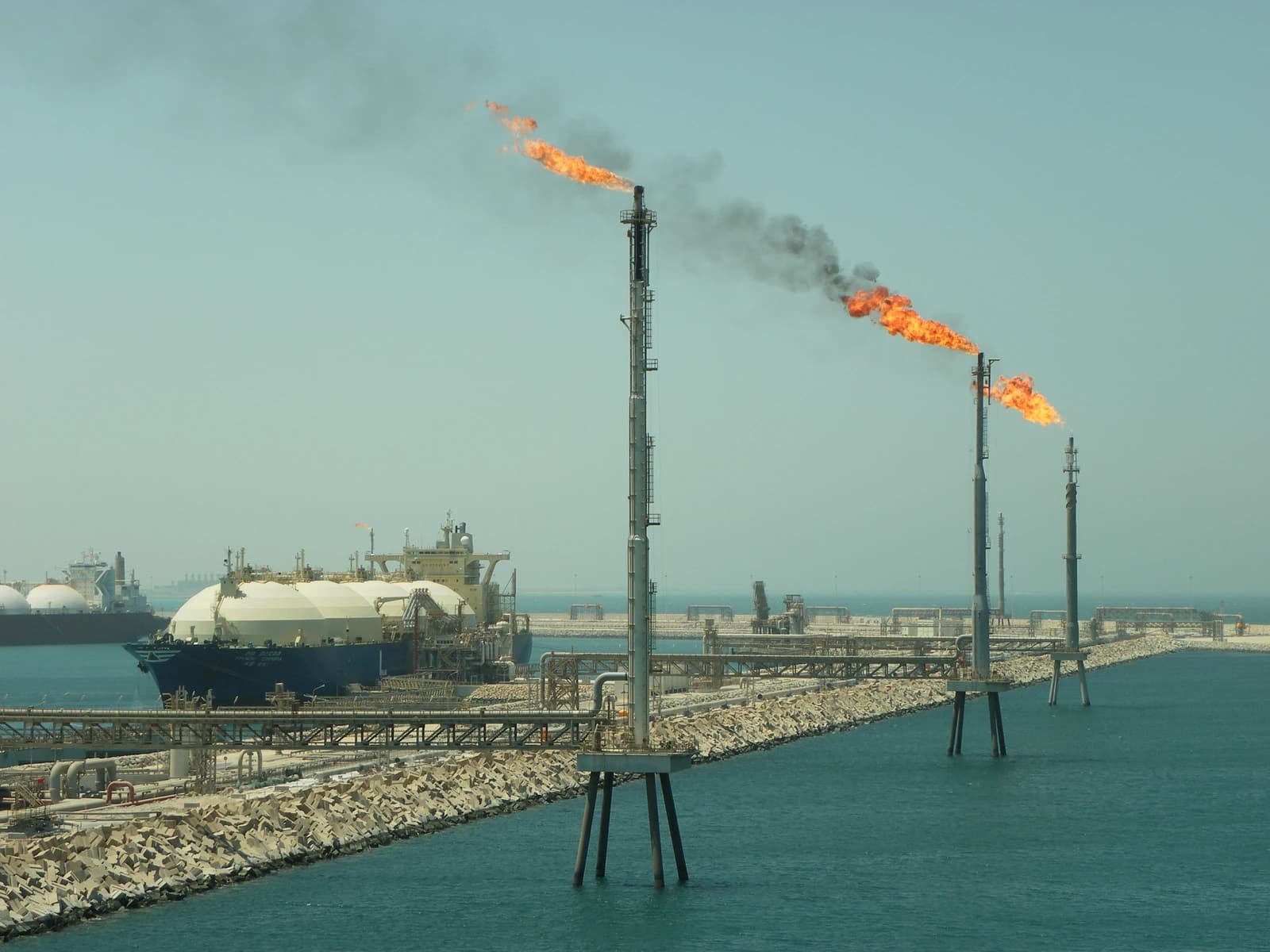
For investors, the key issue is not the rhetoric but the implied status quo in one of the world’s most important energy chokepoints. Trump said US forces had destroyed Iranian radar, aircraft and other equipment used to protect Hormuz, while minesweepers had cleared the strait and oil shipments were moving again. That has helped ease immediate fears of a shutdown, but it does not remove the tail risk of renewed strikes or Iranian retaliation. Even a brief disruption through Hormuz can quickly ripple through crude, shipping, insurance and broader risk appetite.
Oil prices and energy equities show how closely markets remain tied to the conflict. Front-month US crude settled at $91.48 a barrel on Sept. 4 after trading as high as $92.17, while the USO oil ETF closed at $141.96, well above its 50-day moving average of $123.88 and with an RSI reading of 69.8, levels that indicate a still-strong but no longer runaway rally. The XLE energy ETF fell to $64.06 from its recent peak, but remains elevated relative to its 50-day and 200-day moving averages, reflecting persistent demand for oil exposure as a geopolitical hedge.
The bond market is also repricing the macro implications. The 10-year Treasury yield held near 4.77%-4.79%, suggesting investors have not yet priced a full-blown growth shock, but they are also not dismissing the chance that higher energy costs could feed through to inflation expectations. That matters for the Federal Reserve, because a sustained oil spike would complicate any easing path and keep real rates tighter for longer.
Trump’s comments on China are another clue to the geopolitical stakes. By saying he had urged President Xi Jinping not to intervene and noting China’s dependence on Hormuz-linked oil flows, he underscored that the confrontation is not just a bilateral US-Iran issue but a test of the wider energy order. His assertion that pipelines and overland routes are reducing dependence on the strait may be directionally true over time, but the global market still relies heavily on Hormuz today.
The bull case for markets is that US strikes have degraded Iran’s ability to threaten shipping and that the conflict remains intermittent rather than systemic. The bear case is that Trump’s own warning of more strikes, combined with Iran’s vow to respond, keeps a renewed surge in crude and a broader risk-off move on the table. For investors, the next catalysts are whether Hormuz traffic stays open, whether Iran targets US assets again, and whether Washington escalates further.
| Entity | Gains | Losses |
|---|---|---|
| US energy producers | ▲Higher oil prices | ▼- |
| Oil importers | ▲- | ▼Higher input costs |
| Shipping and insurers | ▲Higher premiums | ▼Route disruption risk |
| Iran | ▲- | ▼Military degradation and leverage loss |