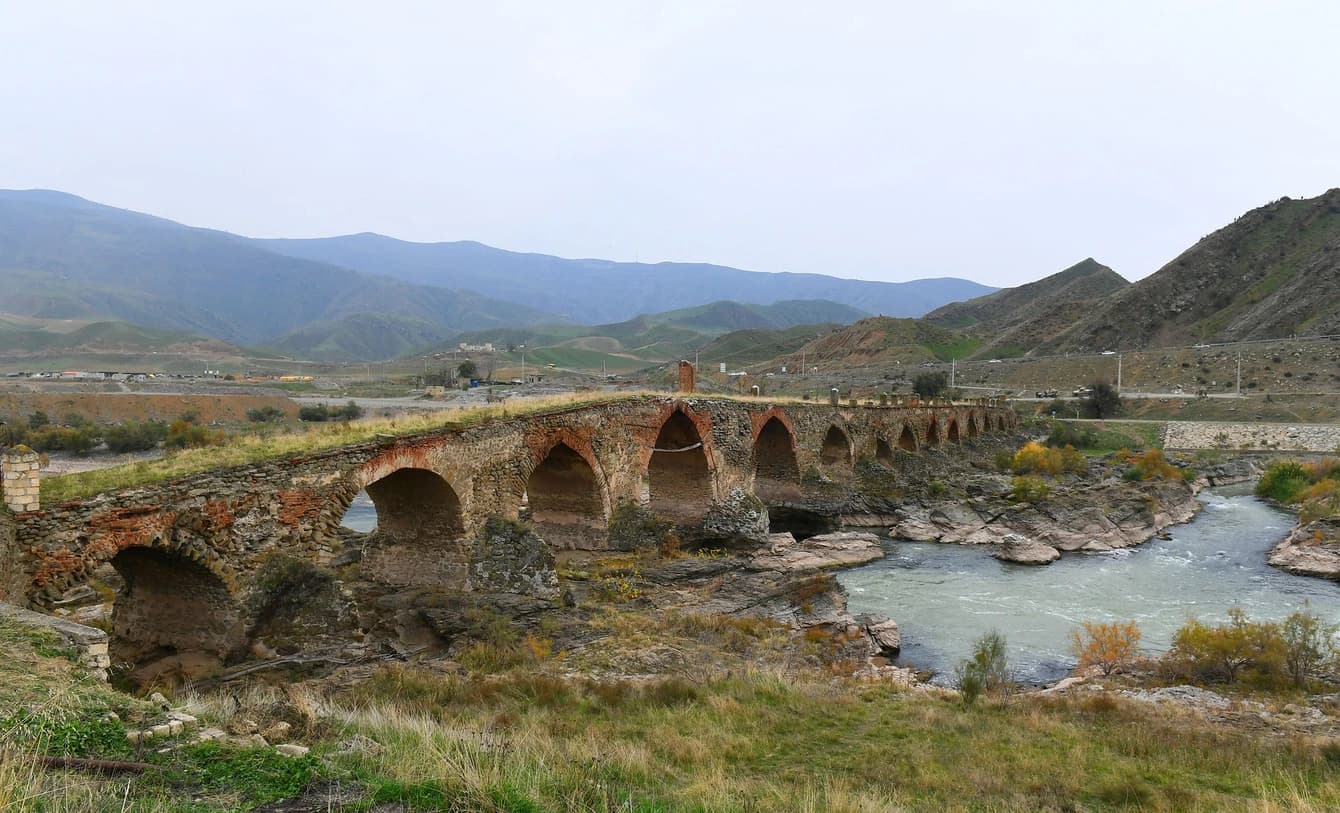
Hundreds of trucks are piling up at Turkey’s Gurbulak crossing with Iran, turning what used to be a 24-hour run into a week-long ordeal and squeezing already thin margins for transporters on a key regional trade route.
Turkey-Iran Gurbulak border trucks back up
The backlog matters because the Turkey-Iran border is not just a local bottleneck. It sits on a corridor that has become more important as Iran leans harder on land routes after disruptions to maritime shipping. When trucks are stuck for days, goods move more slowly, fuel burns more cash, and working capital gets trapped in transit. For exporters and freight brokers, that means fewer trips, lower utilization and less predictable cash flow.
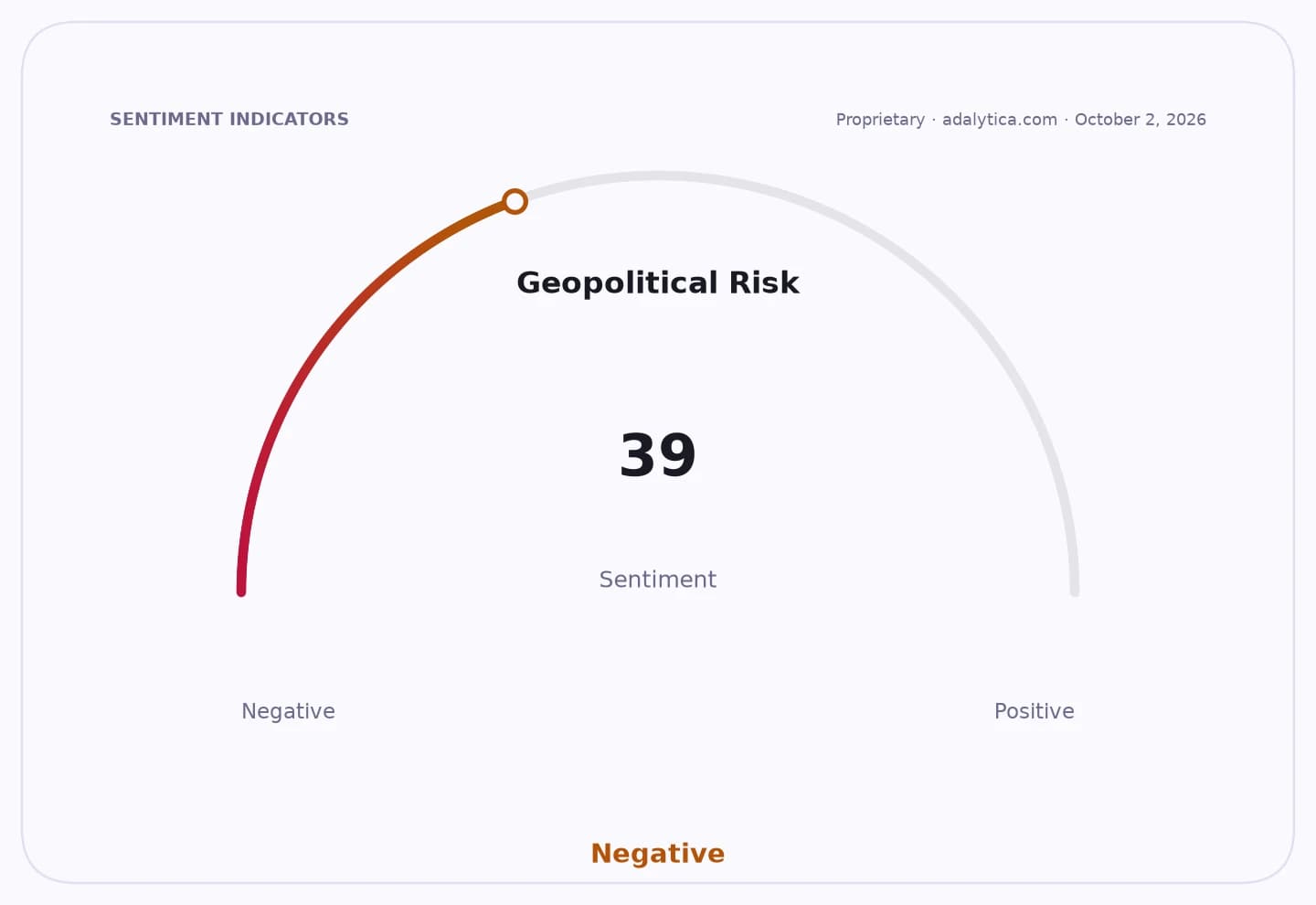
Sentiment IndicatorsⓘProprietary · adalytica.com · September 30, 2026
This is a snapshot — live sentiment, awareness and momentum for 130+ markets update continuously in the dashboard.Open AlphaPulse
That is exactly what drivers on the ground are describing. One trucker said a route that once took a day now consumes a week, while higher fuel costs are eroding profits. Another said he is now making just one trip every 40 days or two months, a reminder that logistics pain quickly becomes household pain in a business where income depends on wheels turning.
For investors, the message is broader than one crossing in eastern Turkey. Trade routes that rely on border throughput are vulnerable to congestion, politics and shocks far from the final customer. That can hit regional logistics companies, fuel suppliers, insurers and any manufacturer counting on just-in-time delivery across the Middle East and Central Asia. It also underscores why overland freight can look attractive when sea lanes are disturbed, but still carry its own operational risk premium.
The wider backdrop is a more fragile regional trading system. Iran’s heavier use of land transport reflects how geopolitical friction and shipping disruptions can reroute commerce in ways that strain chokepoints like Gurbulak. Even when the underlying demand for goods holds up, delays at the border can act like a tax on trade, raising costs and reducing the volume that can move efficiently.
For long-term investors, the better takeaway is not to chase the bottleneck itself, but to watch which businesses can profit from resilient logistics networks and which are exposed to persistent congestion. In supply chains, speed is a competitive advantage — and at this border, speed is in short supply.
| Entity | Gains | Losses |
|---|---|---|
| Border freight operators | ▲Higher scarcity pricing | ▼Lower truck turnaround |
| Turkish exporters/logistics firms | ▲More demand for local routing | ▼Delays and higher costs |
| Iranian importers/consumers | ▲None | ▼Slower deliveries, pricier goods |
| Fuel suppliers | ▲More diesel use per trip | ▼Truckers’ profit margins |