China is set to open a 552-kilometre high-speed rail section linking Xiong'an in Hebei with Shangqiu in Henan, a move that expands the country’s north-south transport network and brings faster access to 11 counties and county-level cities for the first time.
China opens Xiong'an-Shangqiu high-speed rail section
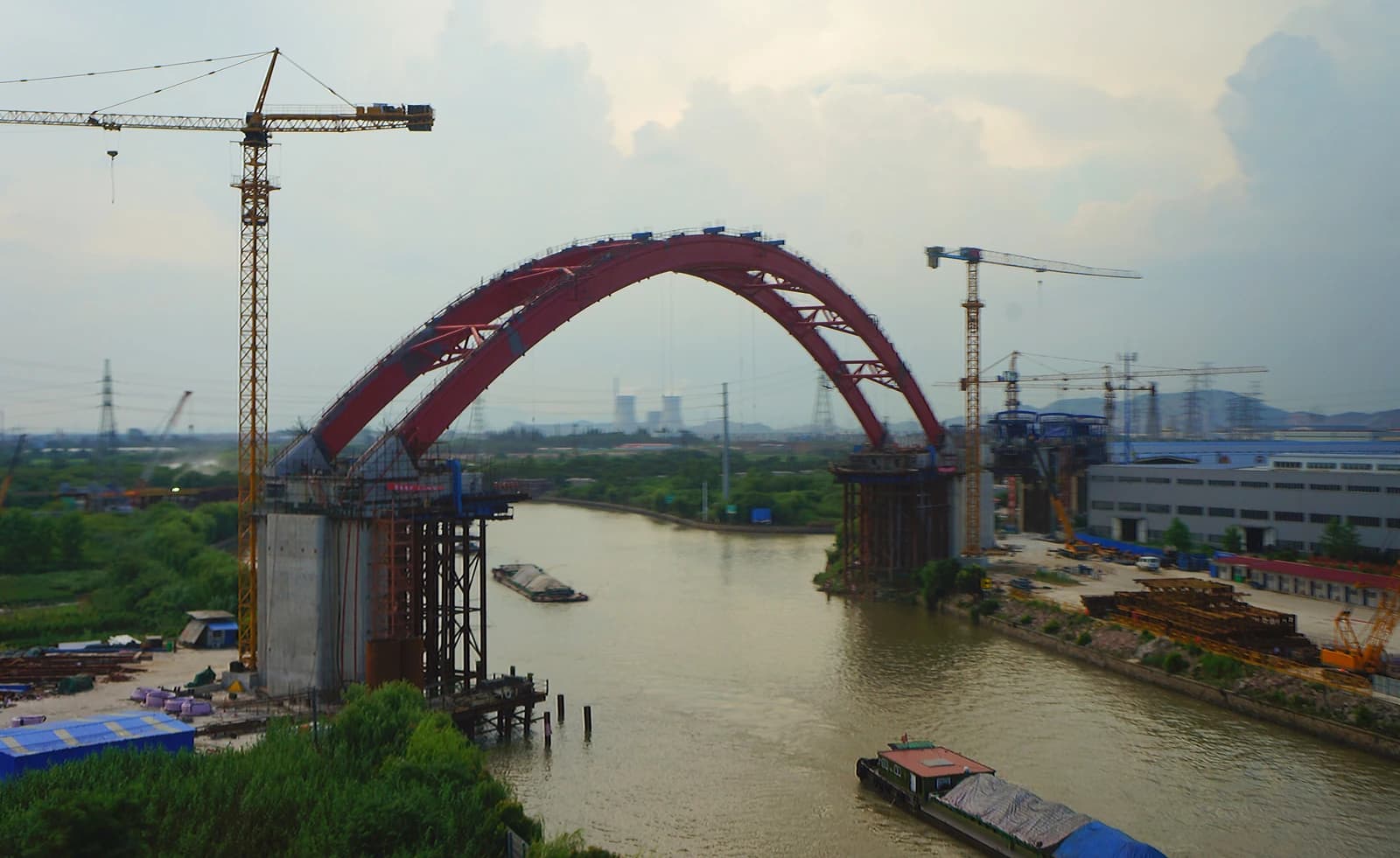
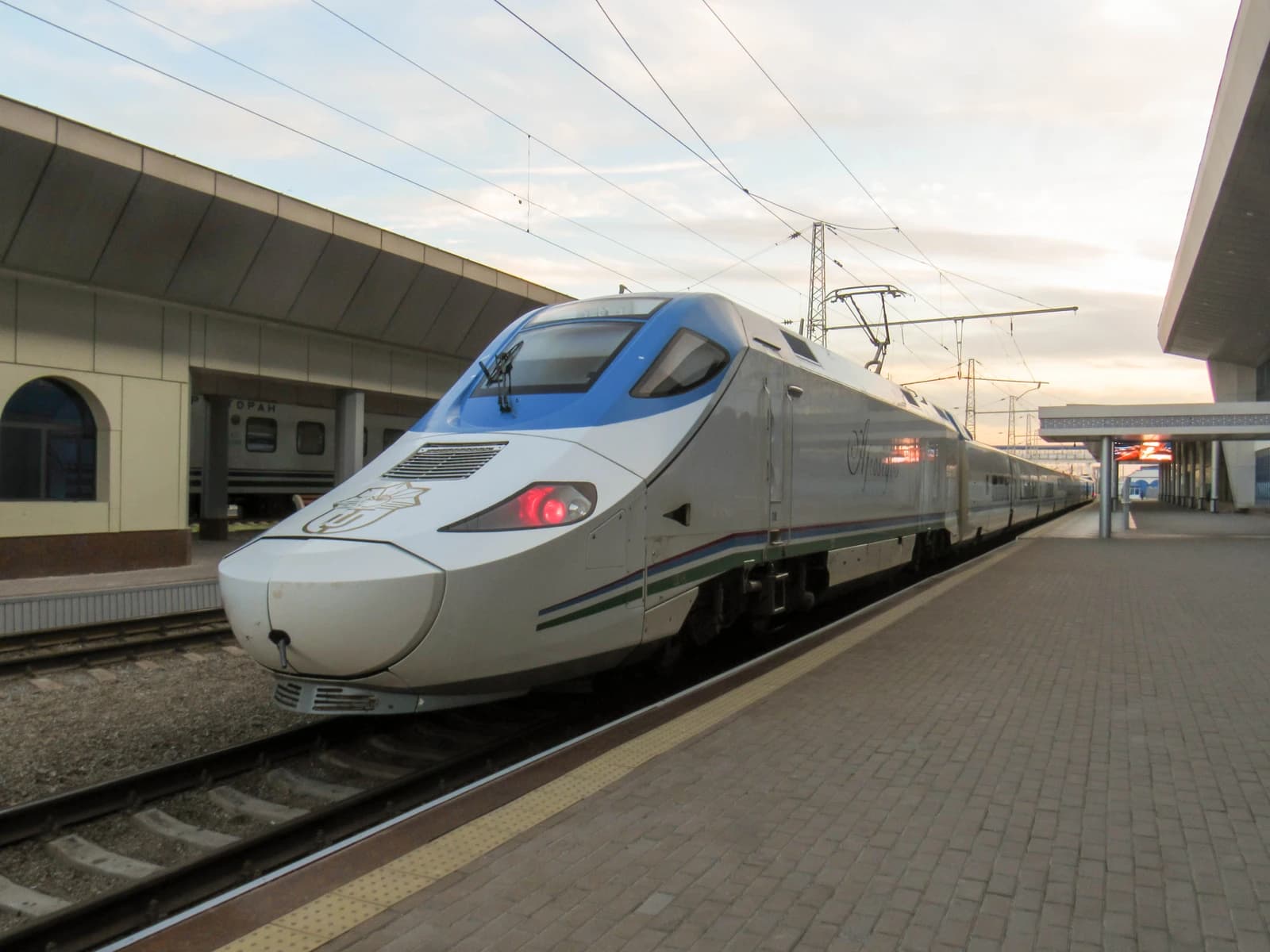
The line, which begins service on Monday, is designed for trains running up to 350 kilometres an hour and will cut the fastest journey between Xiong'an and Shangqiu to 2 hours and 27 minutes, China State Railway Group said. For a region still being knitted together by new infrastructure, the immediate economic effect is lower transport costs, quicker labour mobility and better access to the major industrial and consumer hubs of Hebei, Shandong and Henan.
Sentiment IndicatorsⓘProprietary · adalytica.com · October 1, 2026
This is a snapshot — live sentiment, awareness and momentum for 130+ markets update continuously in the dashboard.Open AlphaPulse
The section is part of the Beijing-Hong Kong high-speed railway, one of the backbone routes in China’s “eight vertical and eight horizontal” network. It also links with existing corridors including the Shijiazhuang-Jinan, Jinan-Zhengzhou and Xuzhou-Lanzhou lines, creating more direct cross-province service and widening the reach of high-speed rail across central and northern China.
China said up to 64 high-speed trains will run daily on the new section at the initial stage. New services will connect Beijing West Railway Station with Hefei and Huangshan North, while another will link Xiong'an with Shanghai Hongqiao, underscoring the line’s role in connecting inland growth zones with coastal commercial centres.
For investors, the opening is another signal that China is still using transport infrastructure to support regional development even as broader growth momentum remains uneven. Faster rail links tend to benefit construction and equipment suppliers, lift property and land values around stations, and improve logistics for businesses that depend on same-day travel and freight connections.
The move also reinforces Xiong'an’s long-running role as a planned growth hub near Beijing, where policymakers have sought to channel population, business activity and public services away from the capital. The remaining incomplete sections between Beijing and Xiong'an and between Nanchang and Jiujiang show the network buildout is still ongoing, leaving more upside for contractors, rail operators and connected regional economies if the corridor continues to expand.
| Entity | Gains | Losses |
|---|---|---|
| Xiong'an and nearby counties | ▲Faster access and more connectivity | ▼Isolation and longer travel times |
| China State Railway Group | ▲Higher network utility | ▼Capital and operating costs |
| Regional businesses and commuters | ▲Lower transport time and costs | ▼Reliance on slower road links |
| Competing road transport operators | ▲None | ▼Some passenger and logistics demand |