China has published the full list of 55 countries eligible for its 240-hour visa-free transit regime, a wider opening that could support inbound travel, business trips and airport hubs even as it leaves African travellers outside the fast lane.
China Expands 240-Hour Visa-Free Transit to 55 Countries
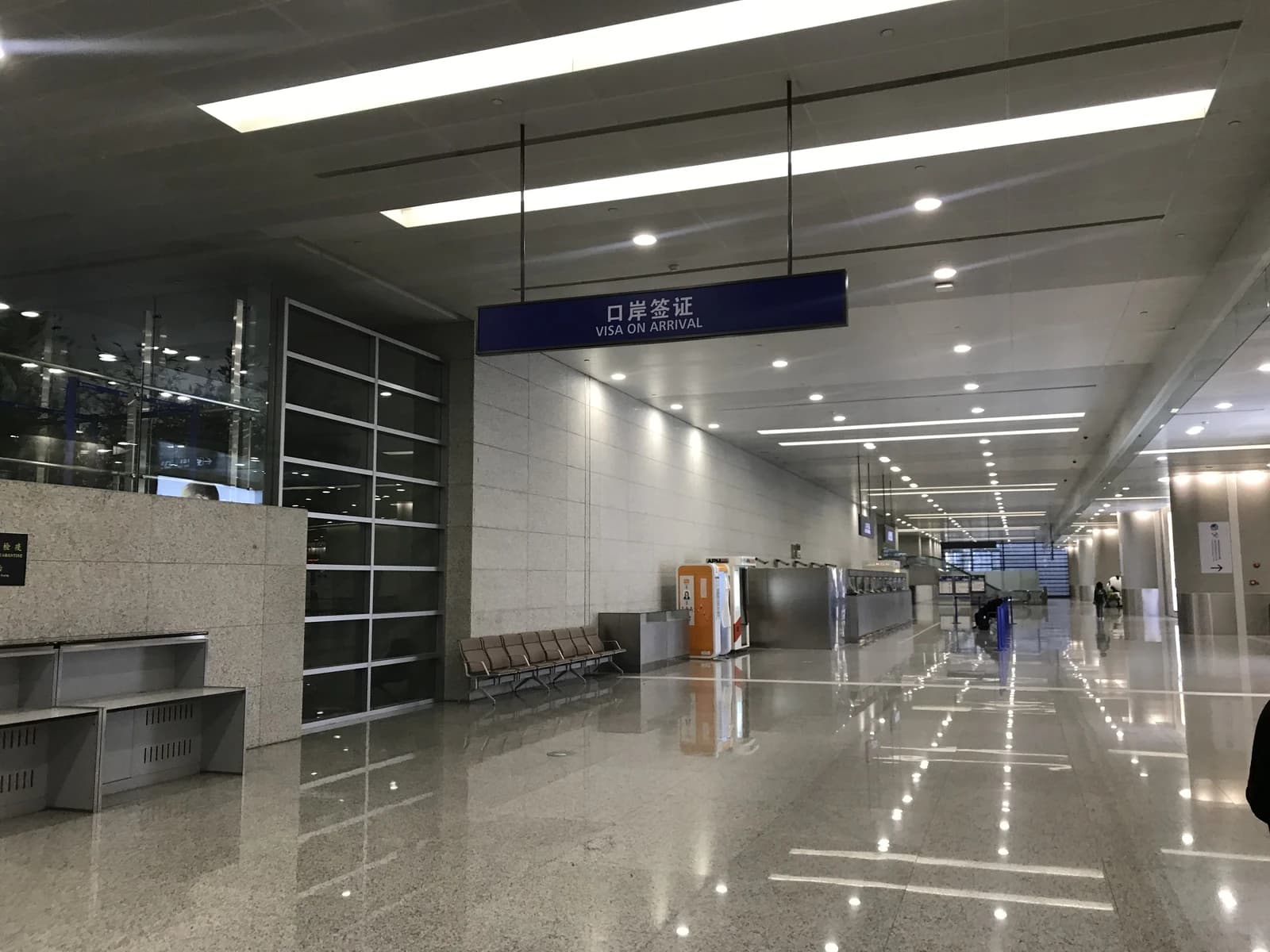
The policy lets passport holders from the approved countries stay in China for up to 10 days without securing a visa in advance, provided they are in transit to a third country. The list spans Europe, the Americas, Oceania and parts of Asia, with no African country included — a notable omission for a program Beijing is using to make travel easier and keep China more connected to global passenger flows.
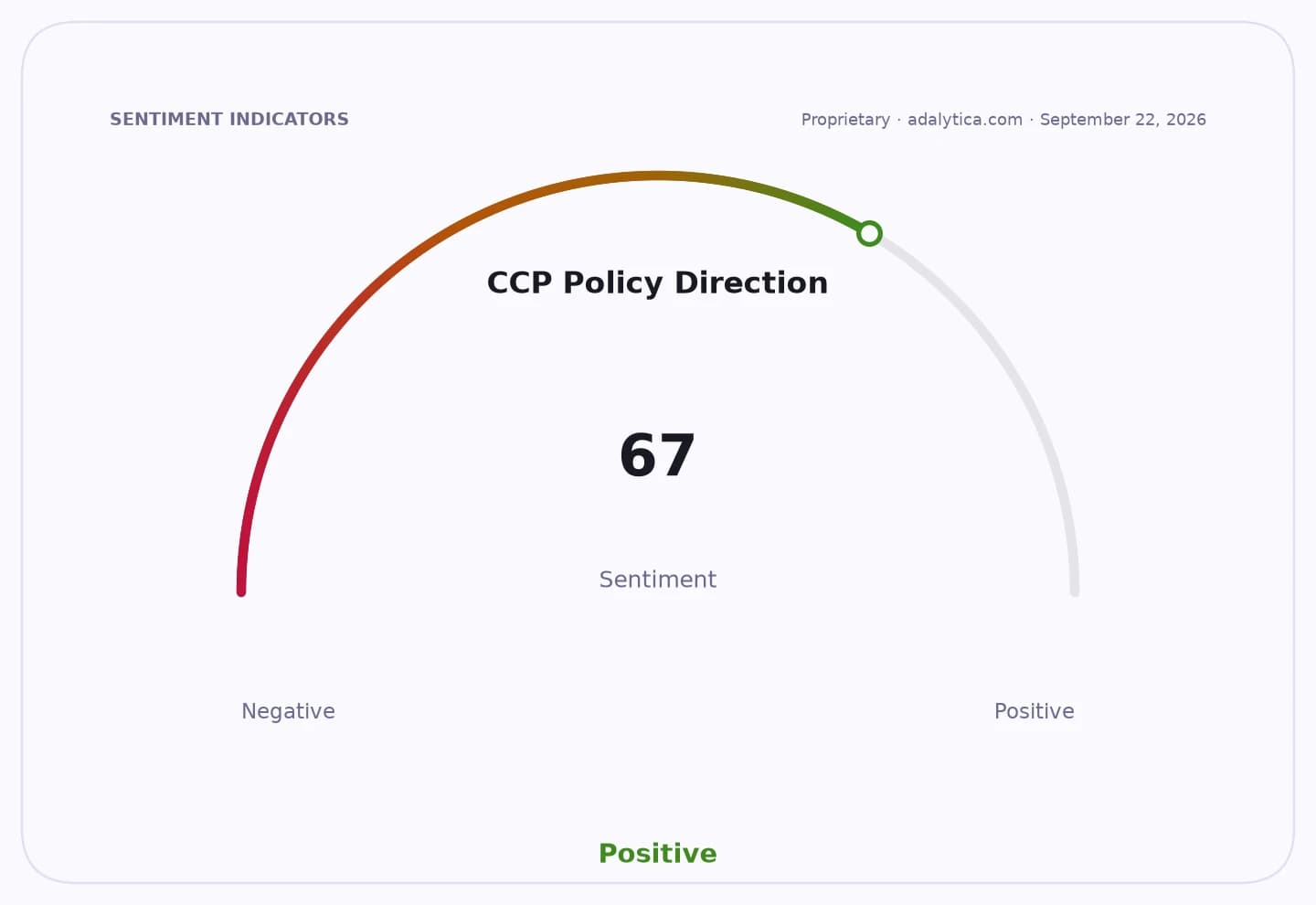
Sentiment IndicatorsⓘProprietary · adalytica.com · October 1, 2026
This is a snapshot — live sentiment, awareness and momentum for 130+ markets update continuously in the dashboard.Open AlphaPulse
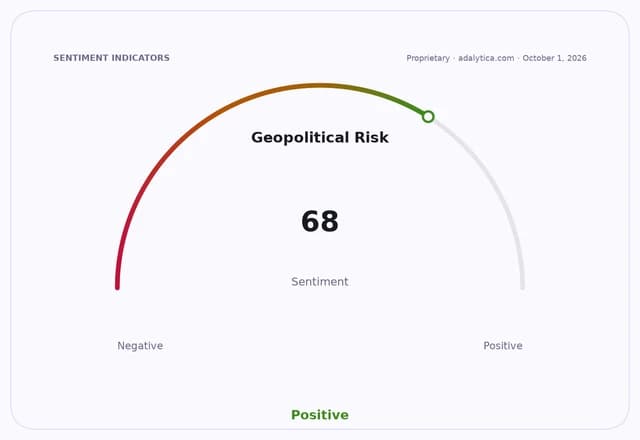
For China, the measure is less about tourism alone than about signaling openness after years of tighter mobility controls and a slower reset in international travel. A longer transit window can make China a more practical stopover for airlines, travel agents and business travellers, especially on routes linking Europe, North America and Asia. It also supports airports and hospitality operators that benefit when passengers are allowed to leave the terminal, spend money and extend stays by a few days.
The exclusion of Africa matters diplomatically as well as commercially. African nationals from countries including Nigeria, Ghana, Kenya and South Africa still face standard visa procedures, reinforcing a two-tier system of access at a time when Beijing has sought to present itself as a partner to the continent. That could limit the policy’s upside in one of the fastest-growing source markets for outbound travel and business links, even if the immediate economic impact is concentrated elsewhere.
Investors should read the move as incremental support for China’s travel and consumer sectors rather than a material policy shock. Shares linked to Chinese travel demand, such as the FXI exchange-traded fund, remain below longer-term technical levels, with the fund trading under both its 50-day and 200-day moving averages at the end of September, underscoring a market that still needs sustained improvement in sentiment and earnings before re-rating. Still, any widening of access rules can help airline seat utilization, duty-free spending and hotel demand at the margin.
The bull case is that easier entry for 55 countries will gradually improve cross-border traffic and reinforce China’s role in regional and long-haul itineraries. The bear case is that the policy remains narrow — transit only, third-country onward travel required — and may do little to change the broader picture if business confidence, geopolitical frictions or slower global demand keep travel subdued. What happens next will depend on whether Beijing expands the list further or keeps the program focused on a relatively select group of markets.
| Entity | Gains | Losses |
|---|---|---|
| China airports & airlines | ▲More transit traffic | ▼No broad tourism surge |
| Hotels & retailers | ▲Extra stopover spending | ▼Limited Africa-linked demand |
| Eligible 55-country travelers | ▲Easier entry | ▼No change beyond transit use |
| African travelers | ▲— | ▼Standard visa hurdles |