Singapore — ASEAN can no longer rely on cheap labour and investment alone to capture the benefits of its fast-expanding commerce with China, Singapore Deputy Prime Minister Gan Kim Yong said, underscoring a broader shift from trade-led growth to capability-led industrial upgrading.
ASEAN Shift to Capability-Led Growth After China Trade
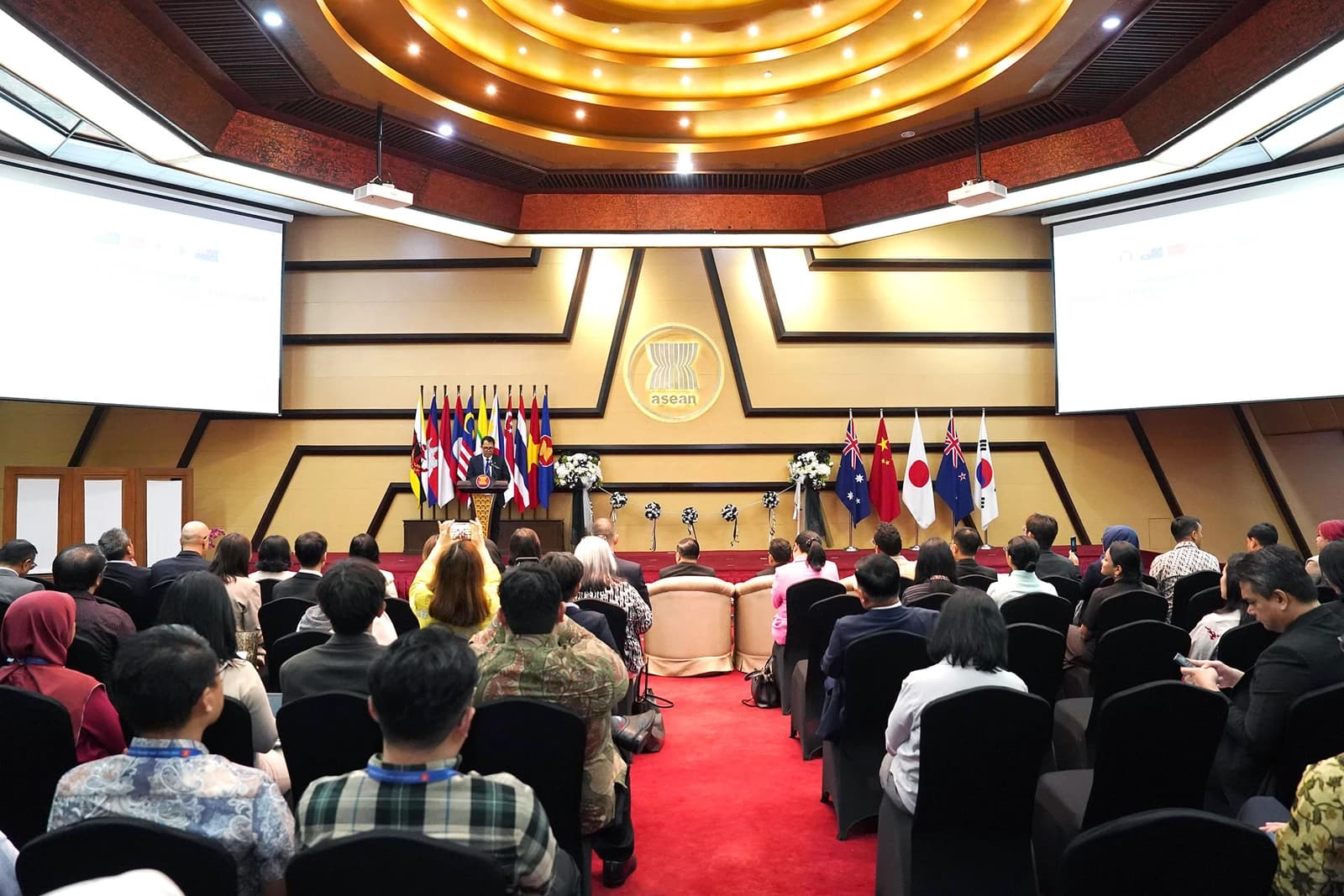
The warning matters because China-ASEAN trade passed US$1 trillion in 2025 for the first time, yet the gains from that milestone will be uneven unless the region’s companies move up the value chain, adopt technology and build deeper links in logistics, digital services and green industries. For investors, the message is that Southeast Asia’s opportunity set is widening, but returns will accrue most to firms that can execute on productivity, connectivity and regional integration rather than those simply exposed to headline trade growth.
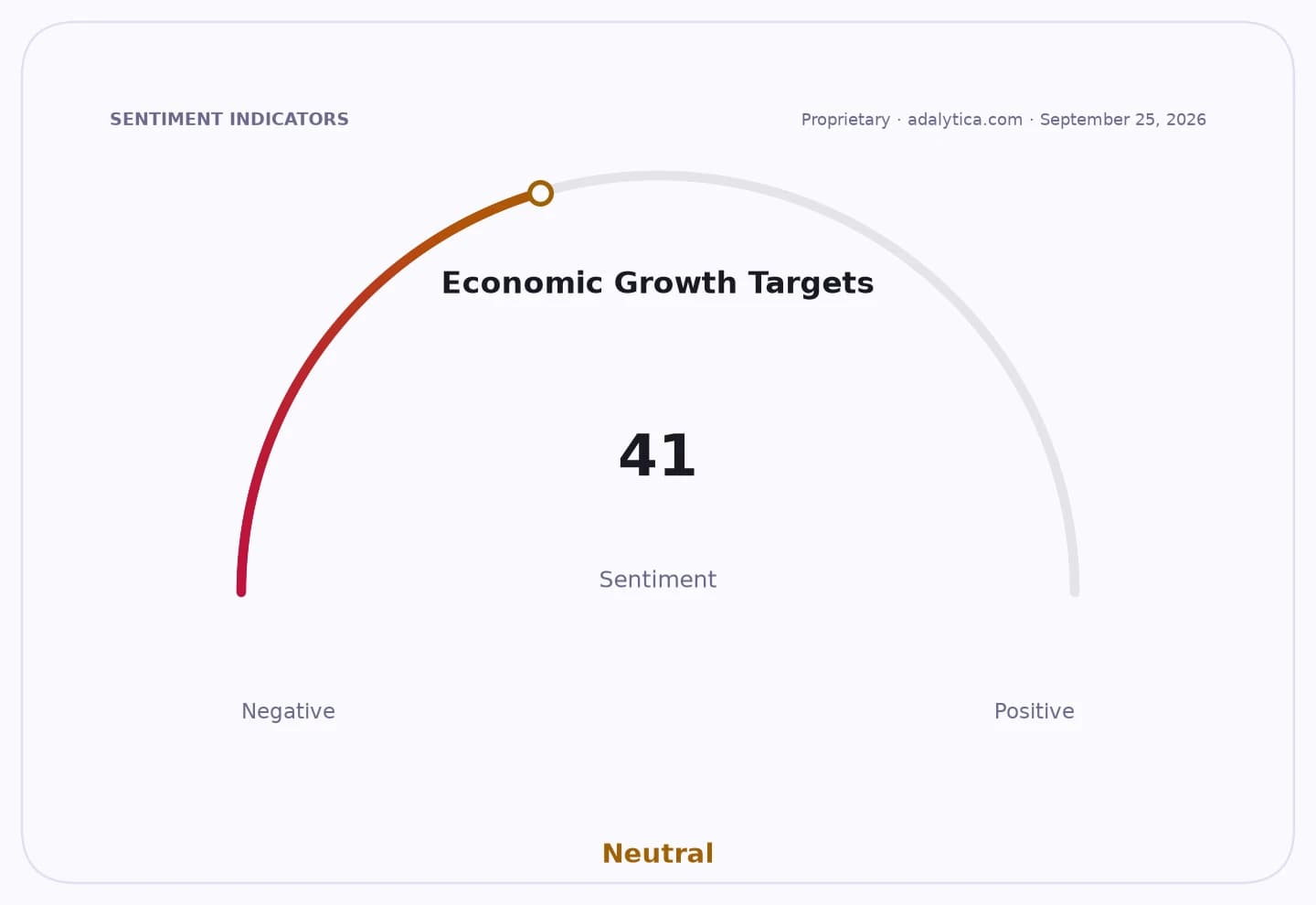
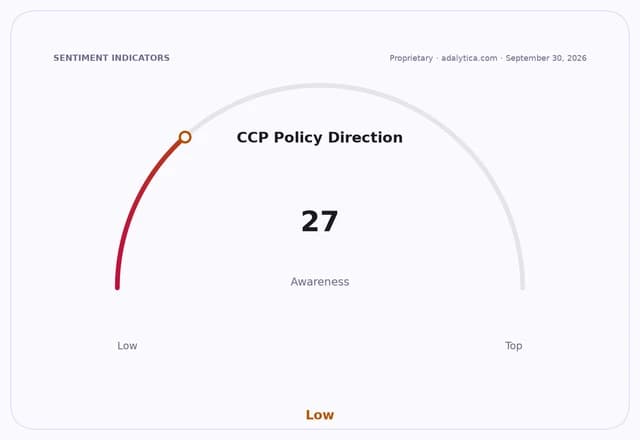
Sentiment IndicatorsⓘProprietary · adalytica.com · September 30, 2026
This is a snapshot — live sentiment, awareness and momentum for 130+ markets update continuously in the dashboard.Open AlphaPulse
Gan said at the FutureChina Global Forum that “more trade and investment, by themselves, will not be enough”, arguing that ASEAN businesses face intensifying competition as automation erodes the advantage of low labour costs and digital platforms widen market access while also bringing in new rivals. That is a significant policy framing: trade flows are growing, but the competitive environment is tightening, which raises the bar for manufacturers, exporters and service providers across the region.
China has been ASEAN’s largest trading partner since 2009, and ASEAN has been China’s largest trading partner since 2019. The scale of the relationship is now large enough to shape supply-chain decisions, infrastructure spending and sector allocation across the region. China and ASEAN still recorded US$744.4 billion of trade in the first seven months of 2026, with ASEAN accounting for almost 22% of China’s total foreign trade in that period, according to Chinese commerce ministry data.
For regional economies, that creates a dual opportunity and risk. On one hand, larger trade volumes can lift demand for ports, warehousing, cross-border transport, financing and industrial services. On the other, the same openness exposes smaller firms to competition from better-capitalised Chinese and global players, especially as automation compresses wage-based advantages. Gan’s message was that the region’s economic strategy must shift from attracting capital to converting capital into capabilities.
That has direct implications for investors in ASEAN manufacturing, logistics, industrial property and technology adoption. Companies that can help local suppliers improve quality standards, integrate digital tools or serve new green-economy demand may see durable revenue opportunities. By contrast, firms that depend purely on low-cost assembly or fragmented regional markets may find margins under pressure as production migrates toward more efficient, higher-productivity models.
Gan pointed to the upgraded ASEAN-China Free Trade Area, formally signed in October 2025, as a platform for cooperation in digital and green economies and in supply-chain connectivity. He also highlighted the International Land-Sea Trade Corridor linking western China with Southeast Asia, reinforcing a theme that physical and digital connectivity is becoming as important as tariff access.
That matters economically because the next phase of ASEAN growth is likely to depend less on whether trade expands and more on who captures the value created by that trade. Better transport links can allow ASEAN firms to reach Chinese consumers more efficiently, while also giving logistics companies new business. Technology partners, meanwhile, can help smaller firms absorb digital tools and maintain them, not just buy them.
The political context is also relevant. Gan acknowledged that open markets in Asia are under strain from geopolitical rivalry and growing concerns that workers and businesses have not shared equally in the gains from globalization and technological change. Those pressures are feeding protectionist impulses in many economies, including in the US-China trade relationship, where a temporary truce has been extended but unresolved issues still hang over supply chains and trade policy.
Singapore’s message is that the answer is not retreat from openness but a more resilient version of it. That supports a regional investment case built around productivity upgrades, not just export volumes. It also helps explain why market participants increasingly watch ASEAN policy for signs of industrial policy, skills training and cross-border integration rather than only tariff headlines.
Gan said Singapore would work with ASEAN partners to deepen integration as it prepares for the bloc’s chairmanship in 2027. For investors, the key question is which companies and countries can turn the China-ASEAN trade boom into higher value-added production, stronger domestic capabilities and more stable supply chains before competition erodes the low-cost model further.
| Entity | Gains | Losses |
|---|---|---|
| ASEAN firms that upgrade capabilities | ▲Higher-value market access | ▼Legacy low-cost producers |
| Logistics and connectivity providers | ▲More cross-border traffic | ▼Firms exposed to weak links |
| Digital and green technology suppliers | ▲New regional demand | ▼Businesses slow to automate |
| Workers with new skills | ▲Better roles and wages | ▼Labour reliant on low-cost assembly |