Chiang Rai is positioning itself to become northern Thailand’s main trade gateway to China, with local leaders pushing a 2028 rail opening and port upgrades that could cut logistics costs by as much as 30% and shave days off cross-border shipping.
Chiang Rai rail and port upgrades for China trade

The push centers on the Den Chai-Chiang Rai-Chiang Khong railway, which is due to open in 2028 and would link central Thailand directly to Chiang Khong, completing a transport network that already includes the R3A highway, the Mekong River and Mae Fah Luang International Airport. For exporters, importers and farmers, the prize is faster movement of goods between Thailand, Laos and southern China without the costly handoffs that now slow deliveries.
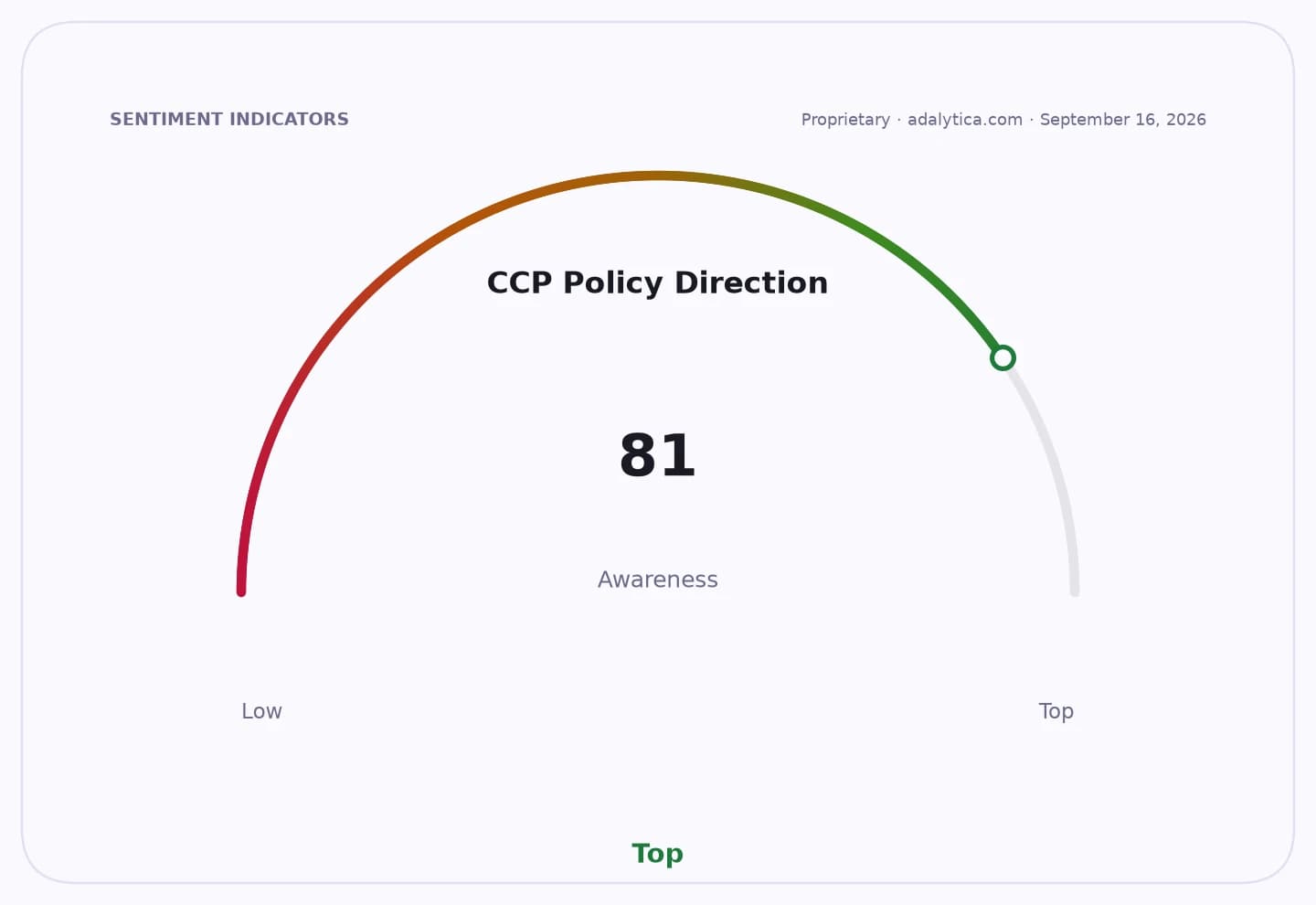
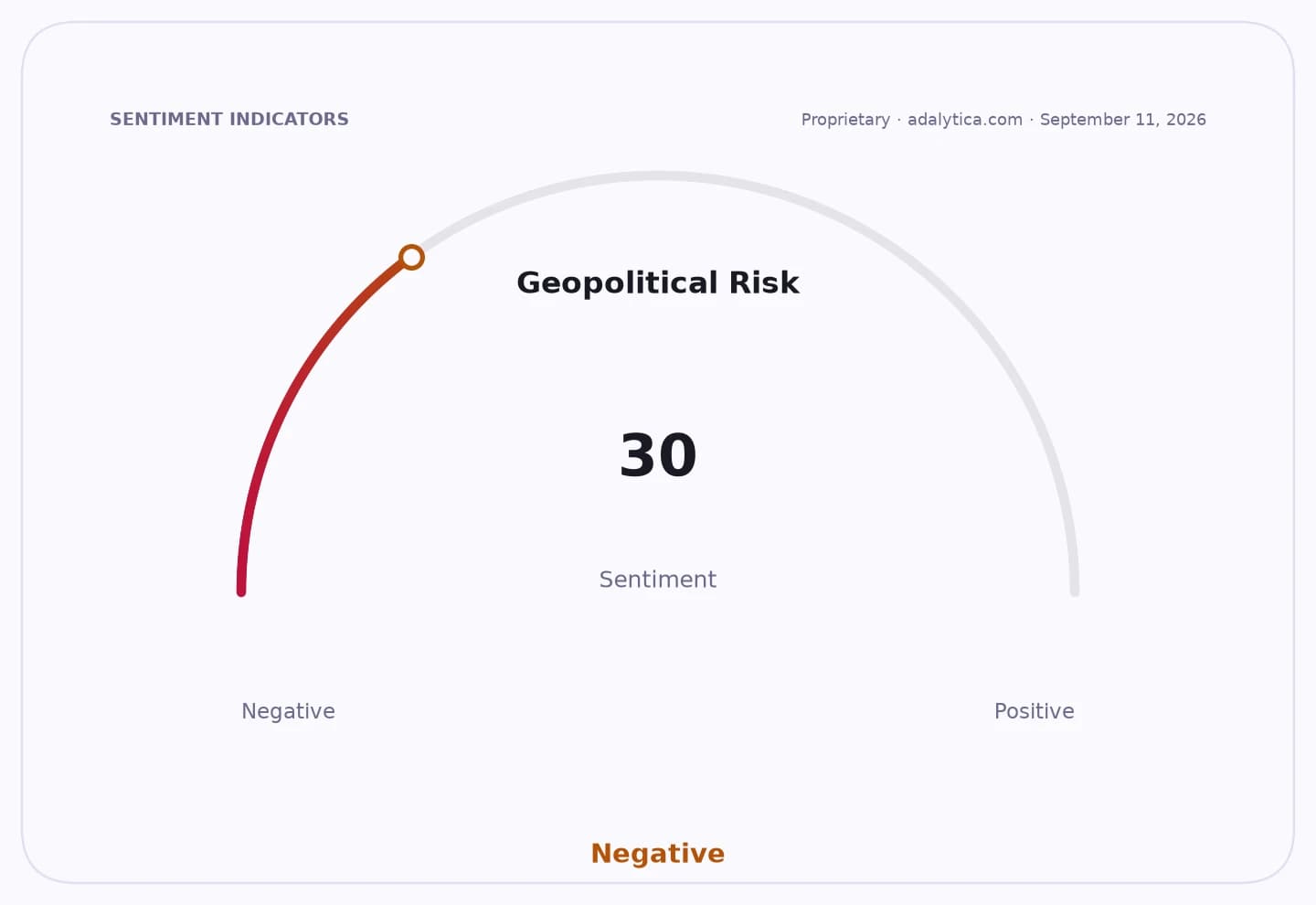
Sentiment IndicatorsⓘProprietary · adalytica.com · September 5, 2026
This is a snapshot — live sentiment, awareness and momentum for 130+ markets update continuously in the dashboard.Open AlphaPulse

Chiang Rai’s case rests on geography as much as infrastructure. It is the only northern Thai province able to connect road, rail, river and air transport in one hub, and the R3A remains the shortest land route from Thailand to Mohan and Kunming in China, according to local officials. If the new rail line integrates with existing routes, heavy cargo could bypass longer detours through Vietnam or Laos, reducing fuel use, transit time and warehousing costs.
That matters most for bulk cargo and perishable goods. River shipping from Chiang Saen Commercial Port to Guanlei in China offers a direct Mekong route that avoids coastal transshipment, while a better cold-chain system would support durian, mangosteen, longan, lychee and mango exports to China, where demand remains strong. Local leaders say cheaper transport could lift farm incomes and improve margins for logistics and food-processing firms.
The economic upside depends on whether the government funds the missing pieces. Chiang Saen port still lacks a modern container X-ray scanner, forcing manual inspections that slow clearance and raise costs, while officials are also seeking more cranes and cold storage. Without those upgrades, the province risks having the route but not the throughput to handle a step-up in trade.
The broader bet is that Chiang Rai becomes a distribution hub for the Northern Economic Corridor, drawing warehouses, industrial estates and a free zone tied to Thailand’s trade with China. For investors, that points to potential beneficiaries in logistics, cold storage, construction and agricultural exporters, while delays in public spending would leave the region’s ambitions stuck on paper.
| Entity | Gains | Losses |
|---|---|---|
| Chiang Rai logistics hub | ▲Higher trade volume | ▼Congestion if upgrades lag |
| Thai exporters and farmers | ▲Lower shipping costs | ▼Spoilage and longer transit times |
| Port Authority/Logistics operators | ▲New throughput and fees | ▼Manual inspection bottlenecks |
| Competing routes via Vietnam/Laos | ▲— | ▼Lost transit share |