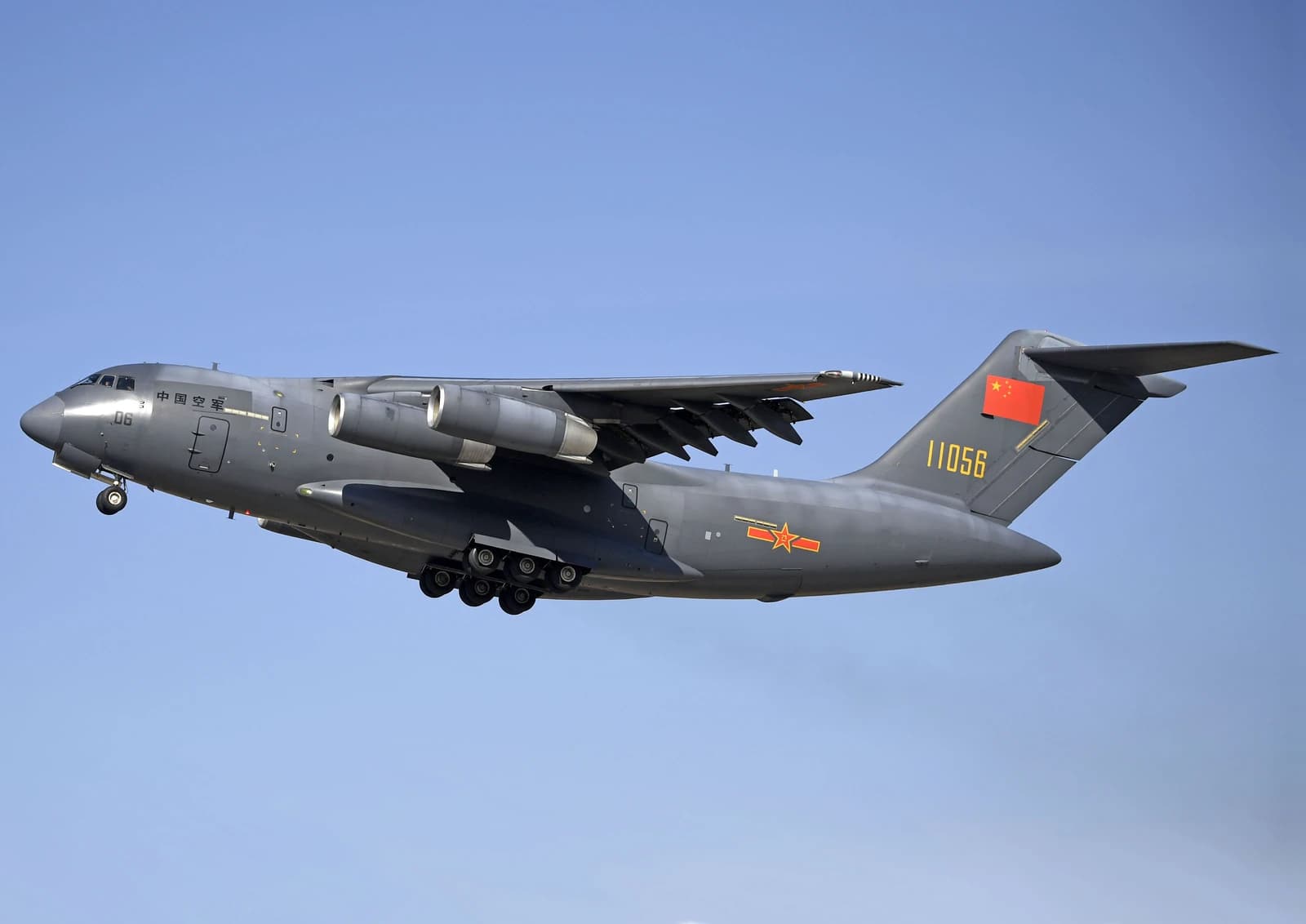
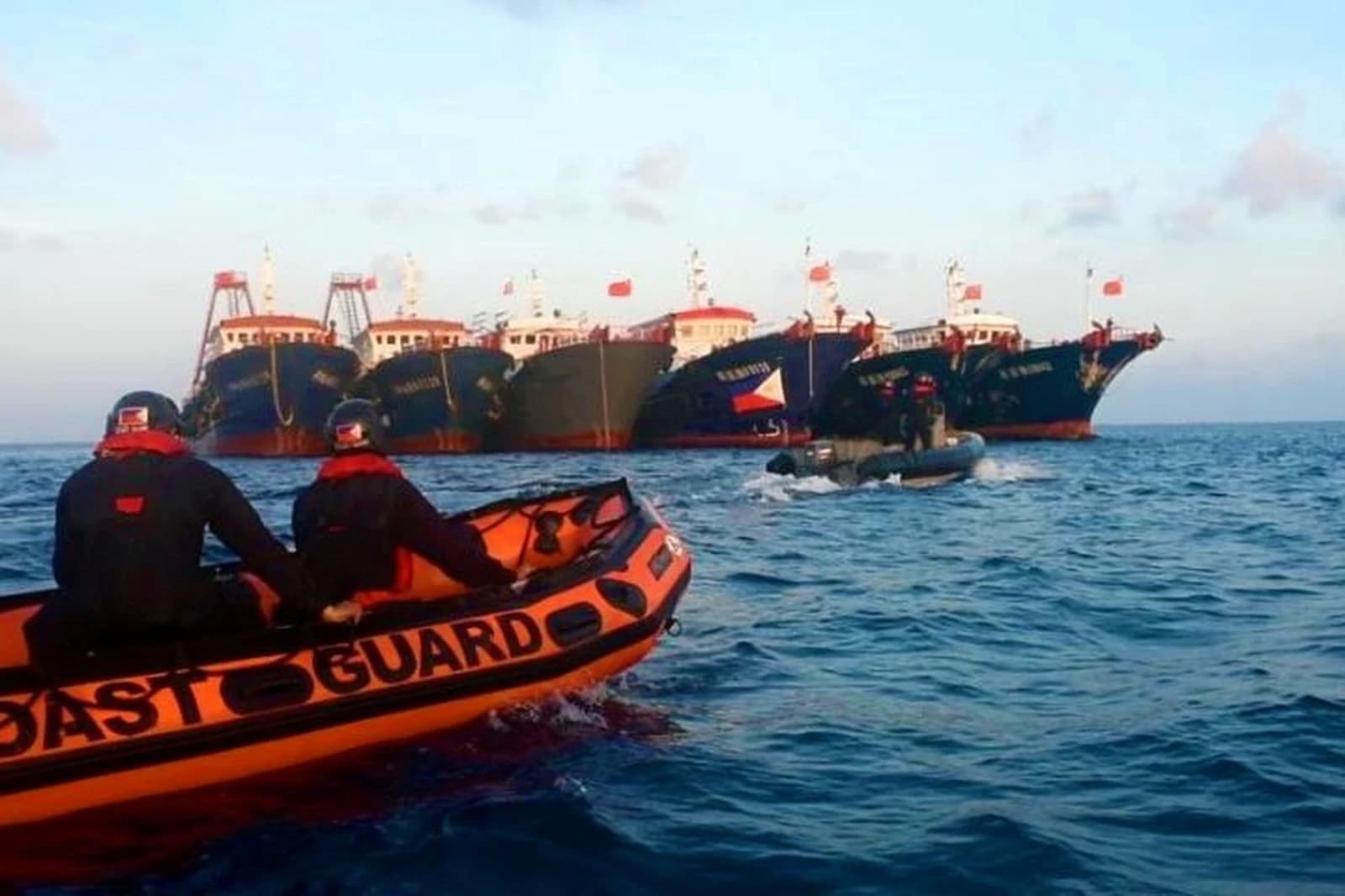
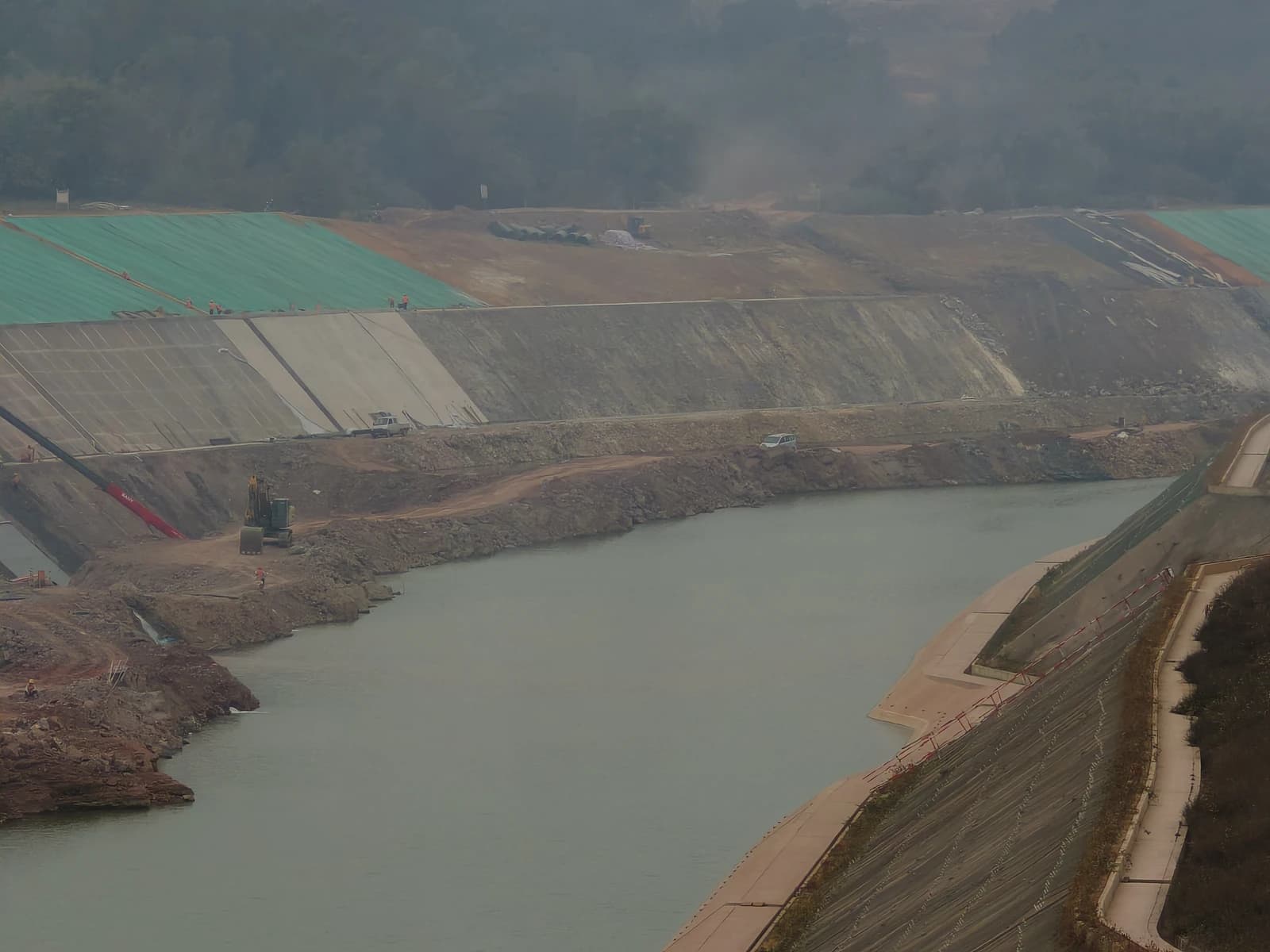
China is deepening its military footprint in Southeast Asia with new infrastructure in Laos and on a disputed reef in the Paracel Islands, a move that could extend the reach of its air and naval forces and sharpen security concerns across the region.
China Laos airfield, Paracel reef work advances
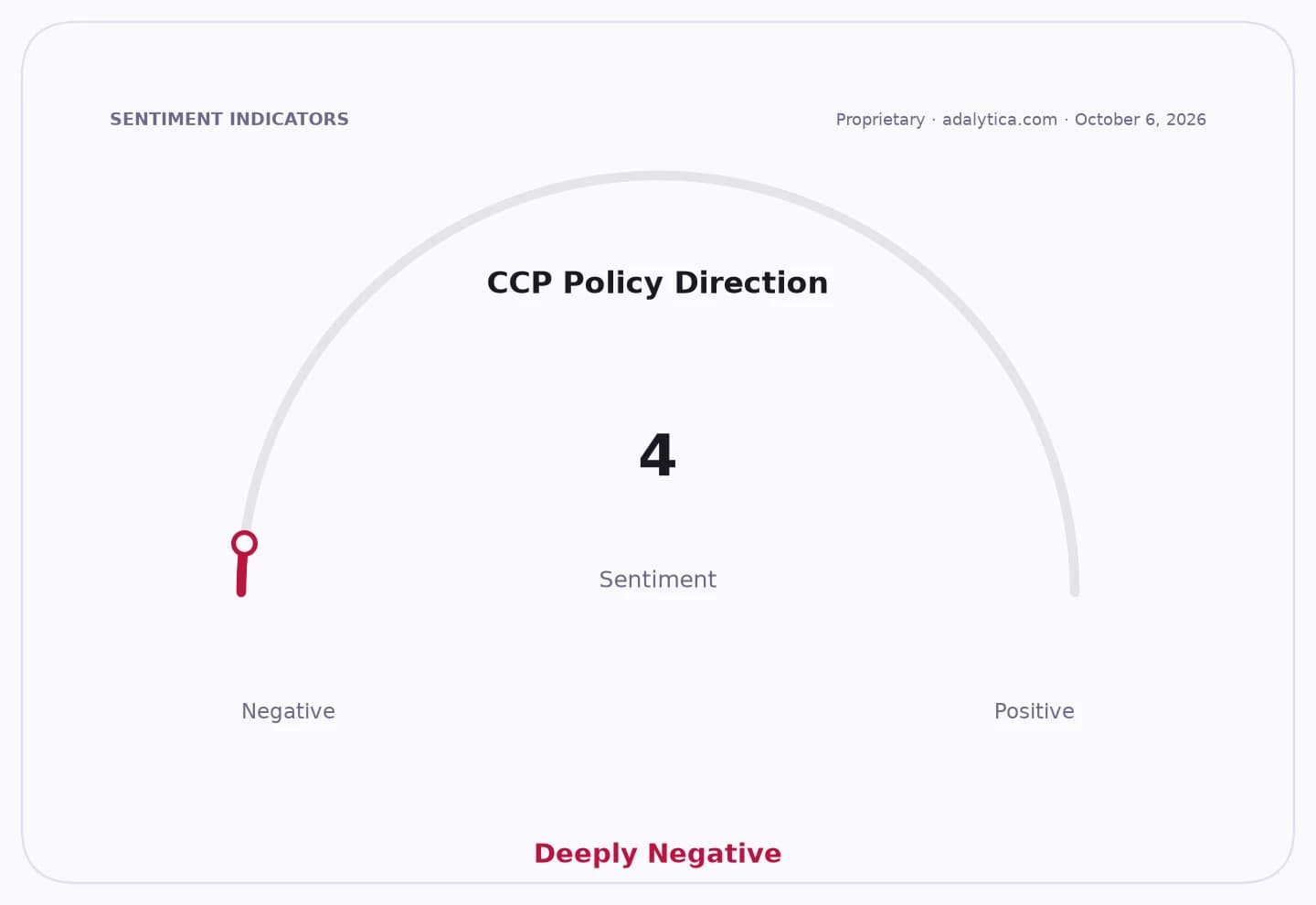
The most immediate economic significance is not direct trade disruption but the way these projects reinforce China’s control over key sea lanes and military access routes in one of the world’s most strategically important waterways. A more capable Chinese presence around the South China Sea raises the risk premium for regional supply chains, energy shipping and cross-border investment, even if the impact is not yet visible in prices. For investors, the story is less about a near-term market shock than a slow-burn geopolitical accumulation that can weigh on Asian assets when tensions flare.
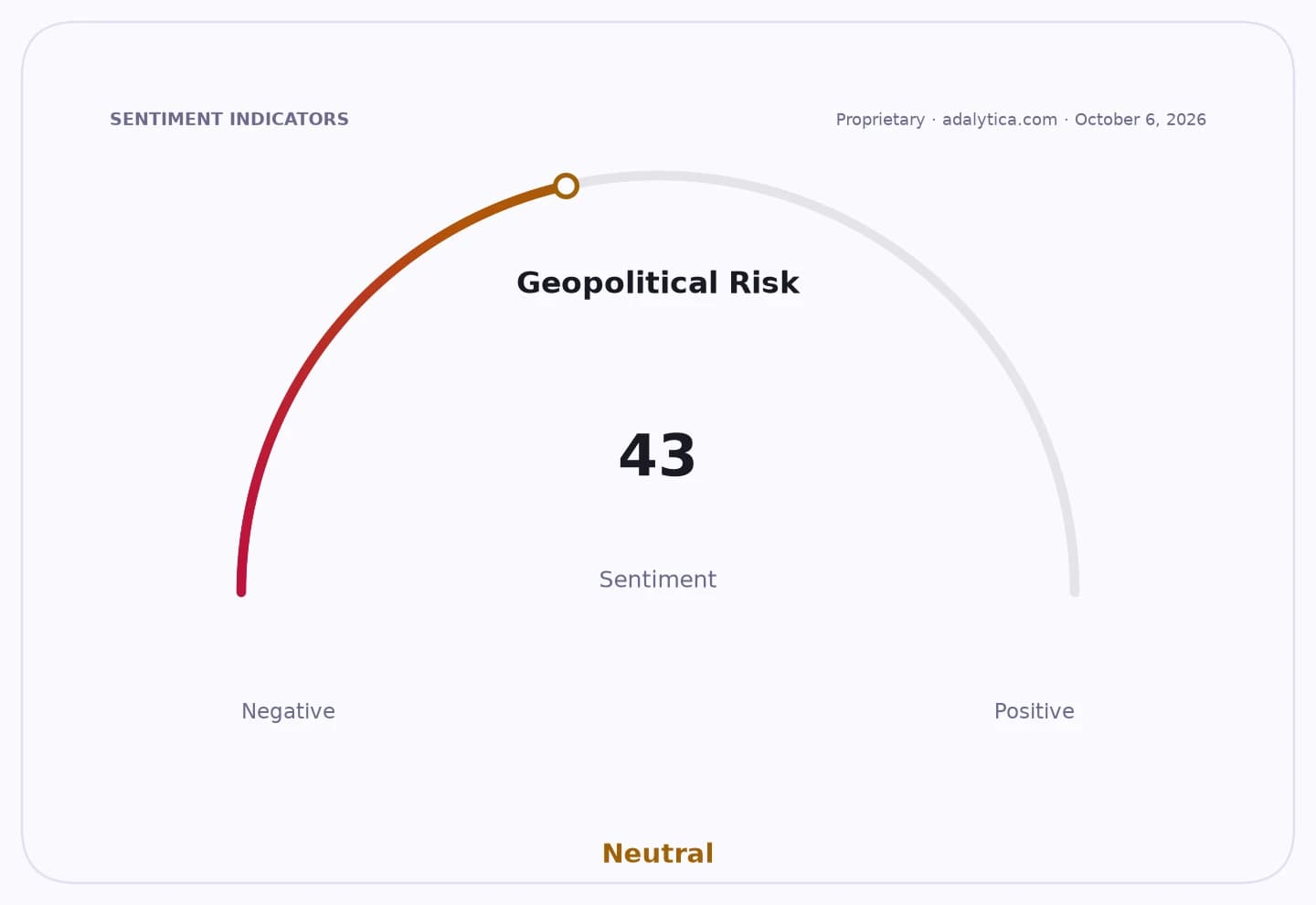
Sentiment IndicatorsⓘProprietary · adalytica.com · October 6, 2026
This is a snapshot — live sentiment, awareness and momentum for 130+ markets update continuously in the dashboard.Open AlphaPulse
In Laos, Reuters reported that a new airfield has risen in Ban Keun, about 50 kilometres north of Vientiane, on land that was farmland a year ago. The site now includes an asphalt runway, taxiway and apron, along with several buildings. China has acknowledged the work but described it as a joint support and training centre with Laos, while also saying a flight academy there is training Laotian pilots. Analysts cited by Reuters said that framing suggests a logistics hub that could support Chinese units in-country, not just a symbolic training facility.
That matters because even a modest base in Laos would give Beijing another inland foothold in mainland Southeast Asia, beyond its maritime posts in the South China Sea. A logistics point there could improve sustainment, mobility and contingency planning for Chinese forces operating farther from home waters, adding another layer to Beijing’s ability to project power without relying solely on established coastal facilities.
The larger development is at Antelope Reef in the Paracel archipelago, where satellite images show land clearing, gravel piles, concrete, compaction equipment and a new pier receiving a barge loaded with rock. Military attachés and security specialists told Reuters that the site appears to be evolving into a full airstrip. Ben Lewis of PLATracker said paving could begin in the first half of 2027, with an initial landing potentially possible by mid-2027 or sooner. If completed, the facility would allow Chinese warships and military aircraft to stay on station longer and better secure the sea routes to Hainan, home to China’s nuclear-missile submarines.
That is why the project matters beyond the reef itself. A runway and supporting infrastructure on Antelope Reef would strengthen China’s air-sea denial architecture in the northern South China Sea, complicating surveillance and deterrence efforts by the United States and regional claimants. It would also add to Beijing’s layered network of outposts already built across the Spratlys and other reefs, where China has previously constructed harbours, radar sites, missile positions and runways as long as three kilometres.
China has not formally confirmed a military base on Antelope Reef and state-aligned media have cast the work as serving civilian purposes such as weather observation and marine research. But the strategic logic is clear: dual-use descriptions often accompany infrastructure that can be converted quickly for defence, especially in contested waters. Vietnam and Taiwan also claim the Paracels, and the archipelago remains one of the sharpest flashpoints in China’s maritime disputes.
For investors, the significance lies in the cumulative effect. The developments are unlikely to move Chinese equities on their own, but they reinforce a geopolitical backdrop that can affect sentiment toward regional assets, shipping insurance, defence spending and multinational supply chain decisions. In periods of heightened tension, Hong Kong and China-related funds tend to face a higher geopolitical discount, while defence-linked and security-sensitive sectors elsewhere in Asia can draw relative support.
The near-term market read-through is therefore indirect but real: the more China normalises military construction in contested territory and nearby states, the more investors must price in episodic volatility in the South China Sea. The key catalyst to watch is whether the Laos site becomes operational as a logistics hub and whether the Antelope Reef project progresses from reclamation to a usable runway. If it does, Beijing will have added another durable layer to its regional military posture — one that will be difficult for rivals to reverse.
| Entity | Gains | Losses |
|---|---|---|
| China | ▲Wider military reach | ▼Higher regional suspicion |
| Laos | ▲Infrastructure investment | ▼Greater strategic dependence |
| Vietnam and Taiwan | ▲Diplomatic leverage | ▼More pressure on claims |
| Regional investors | ▲Defence opportunities | ▼Geopolitical risk premium |