China’s opening of a new joint military facility in Laos matters because it gives Beijing a fresh foothold in mainland Southeast Asia at a time when regional tensions are already high and trust is low.
China Opens New Military Facility in Laos
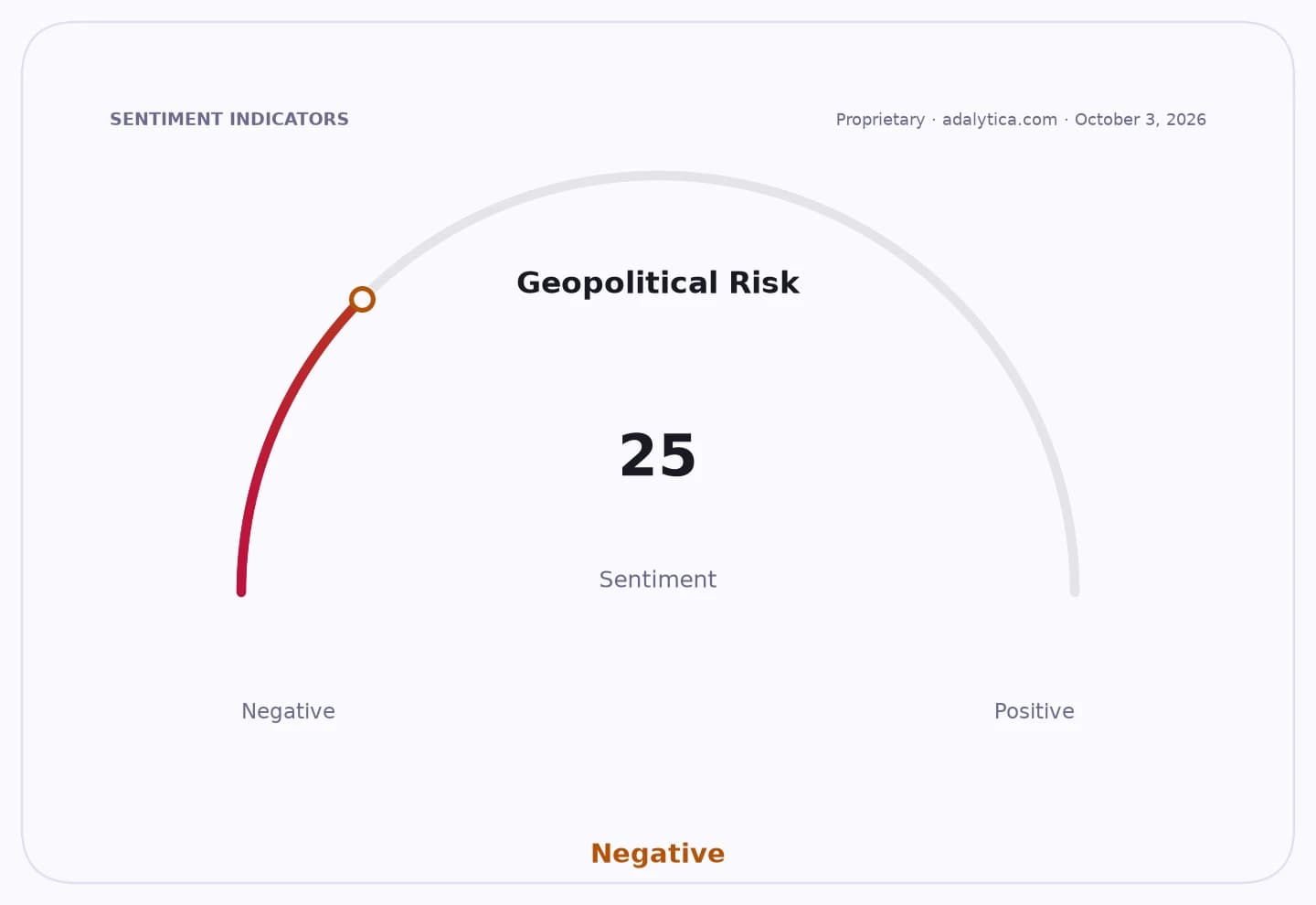
For investors, that kind of geopolitical deepening is not just a military story. It can affect risk premiums across Asian assets, keep defense spending elevated, and make the region’s trade and energy routes more vulnerable to disruption. It also reinforces a broader pattern: China is willing to pair economic leverage with strategic infrastructure, and that combination tends to unsettle neighbors, complicate diplomacy and keep markets on alert.
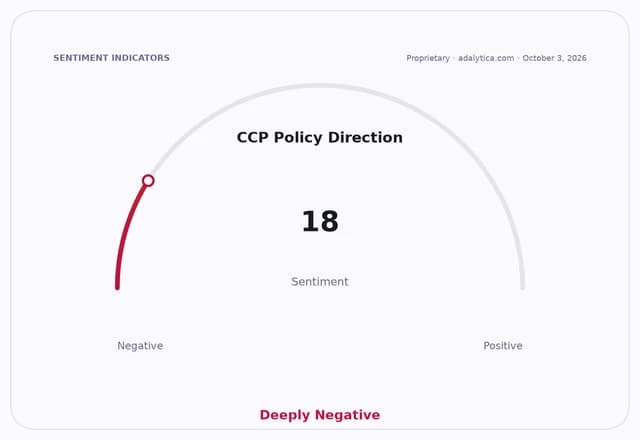
Sentiment IndicatorsⓘProprietary · adalytica.com · October 3, 2026
This is a snapshot — live sentiment, awareness and momentum for 130+ markets update continuously in the dashboard.Open AlphaPulse
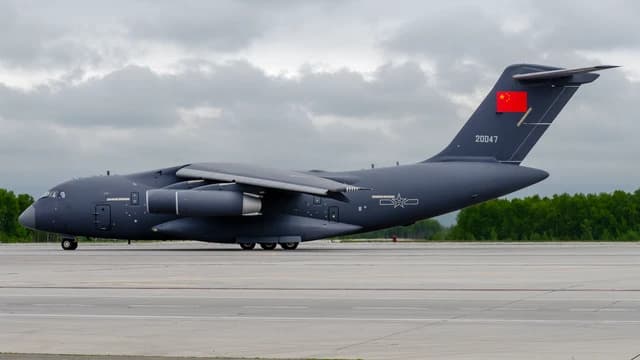
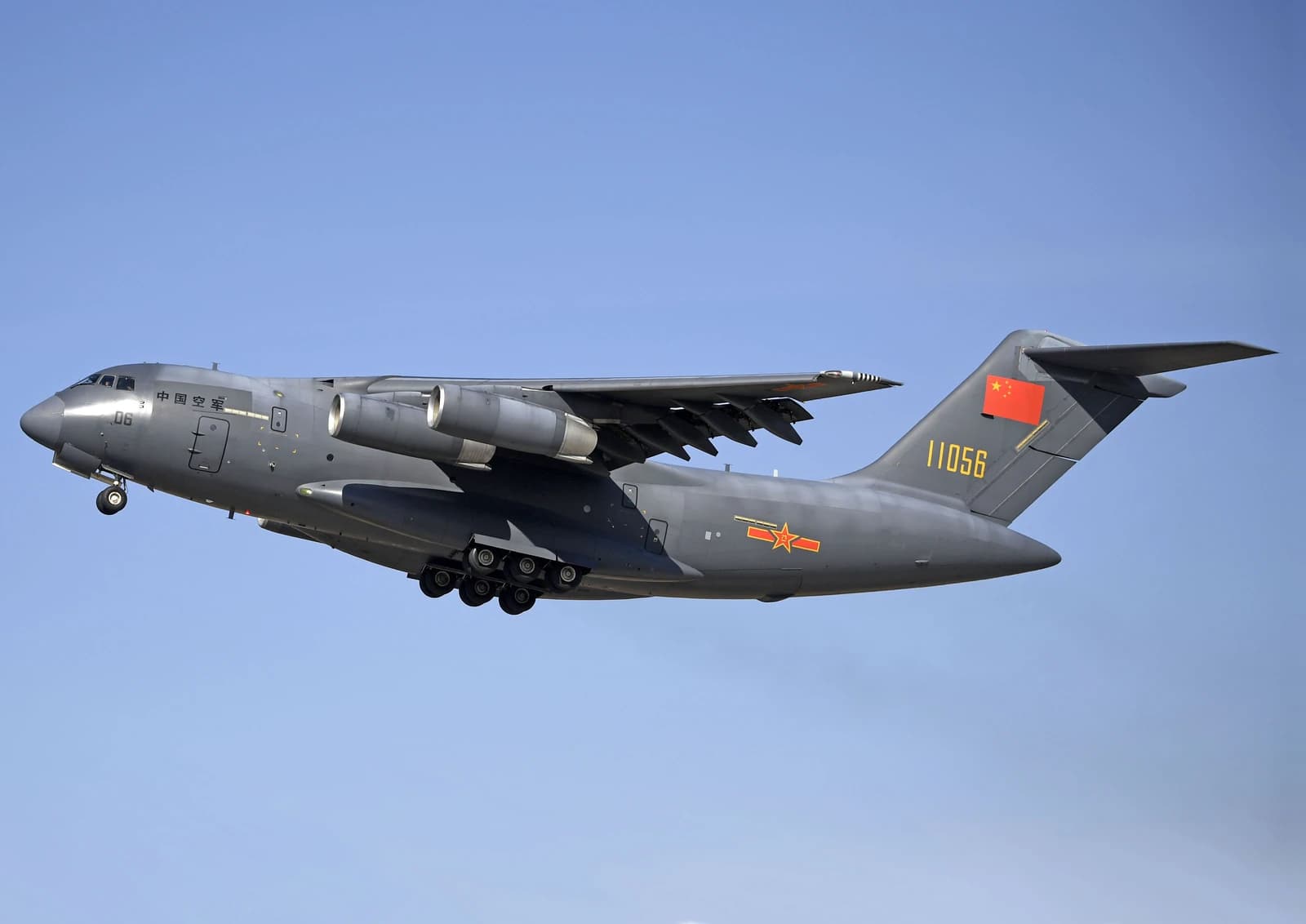
The facility near Ban Keun, about 50 kilometers north of Vientiane, is now fully operational, according to the reports. Satellite imagery shows farmland converted into a runway, taxiway, apron and support buildings. Beijing says the site is for training Laotian air force pilots, but analysts see something more consequential — what looks like China’s first overseas air force support center, and potentially a model for more.
That is why this development matters beyond Laos. China already has a heavily scrutinized military footprint in Cambodia’s Ream Naval Base, and the new Laos airfield suggests Beijing is building a network rather than a one-off outpost. If that network expands, China gains shorter flight times, better surveillance and more flexible staging for military assets across the Indochina peninsula and the South China Sea.
The economic backdrop helps explain why Laos would agree. The country is under heavy debt pressure and remains deeply dependent on China as a creditor and development partner. In that sense, the base is another example of how financial leverage can translate into strategic access. For smaller Southeast Asian states, the trade-off is clear: Chinese money and training today can come with reduced room to maneuver tomorrow.
For markets, the immediate implication is not a direct earnings hit so much as a reminder that geopolitics in Asia is becoming more layered, not less. China’s push into Laos comes alongside its maritime assertiveness and ongoing pressure around Taiwan, raising the odds that investors will continue to assign a geopolitical discount to parts of the region. That can matter for airlines, shippers, defense contractors, commodity flows and any multinational with supply chains stretching through Southeast Asia.
The broader message is that Beijing is normalizing a forward military presence outside its borders while neighbors try to preserve neutrality. Thailand and other regional players will keep balancing economic ties with security concerns, but the room for that balancing act is getting narrower. For long-term investors, the right response is not to panic, but to stay diversified, watch for defense and security beneficiaries, and recognize that Southeast Asia is becoming a more strategically contested investment landscape.
| Entity | Gains | Losses |
|---|---|---|
| China | ▲Regional reach | ▼Diplomatic trust |
| Laos | ▲Training aid, financing | ▼Strategic autonomy |
| Southeast Asian neighbors | ▲Security awareness | ▼Greater military pressure |
| Defense stocks | ▲Higher demand | ▼N/A |