Indonesia is pressing claimants and other regional actors to keep the South China Sea from tipping into a wider security and commercial shock, saying the most practical defense is to preserve habits of cooperation, dialogue and confidence-building.
Indonesia urges South China Sea cooperation talks
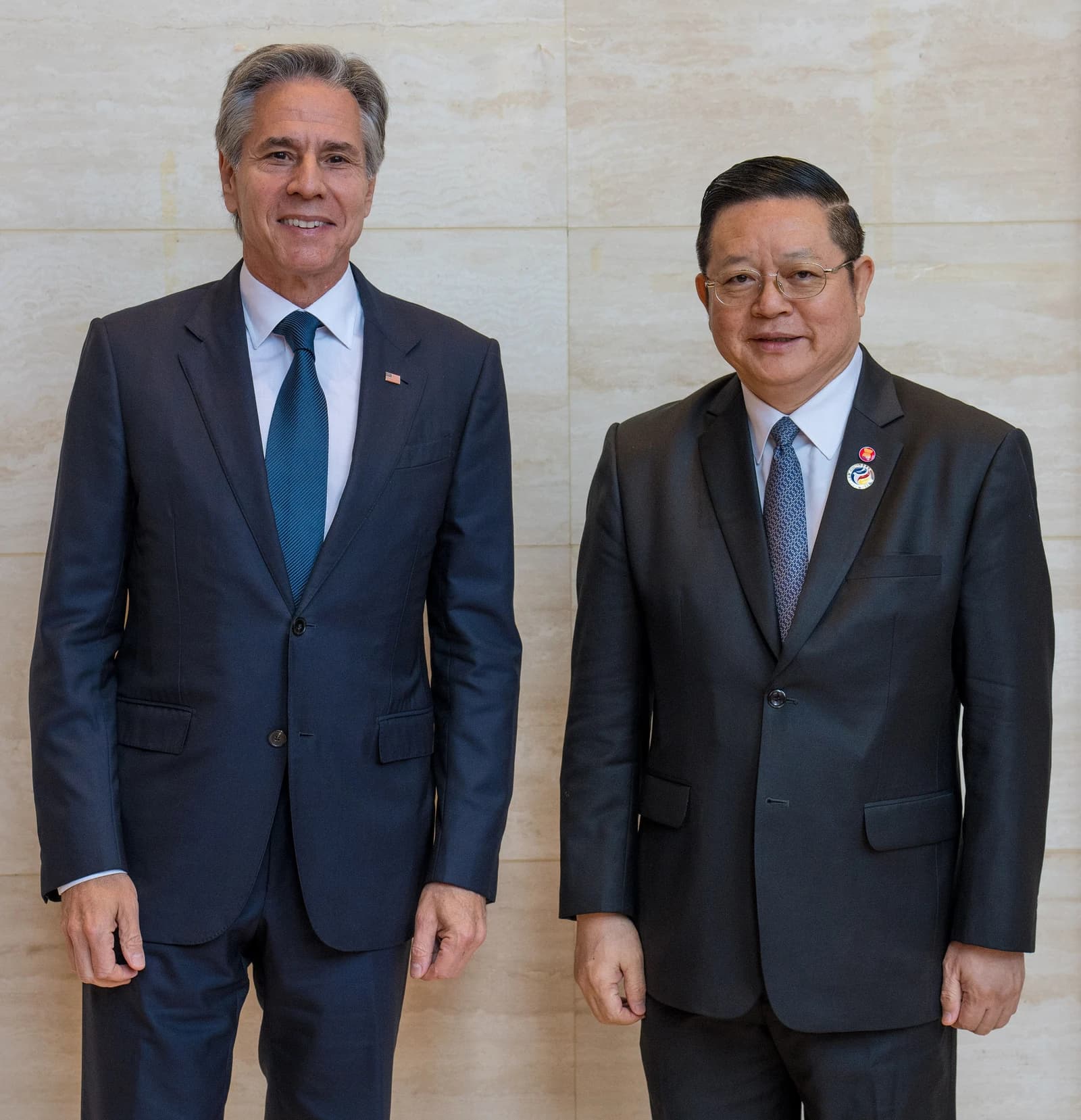
That message matters because the disputed waterway is not only a flashpoint between China and Southeast Asian states, but also one of the world’s most important trade routes, carrying a large share of global commerce and energy flows. Any miscalculation there can quickly raise shipping insurance costs, complicate supply chains and deepen geopolitical risk across Asia.
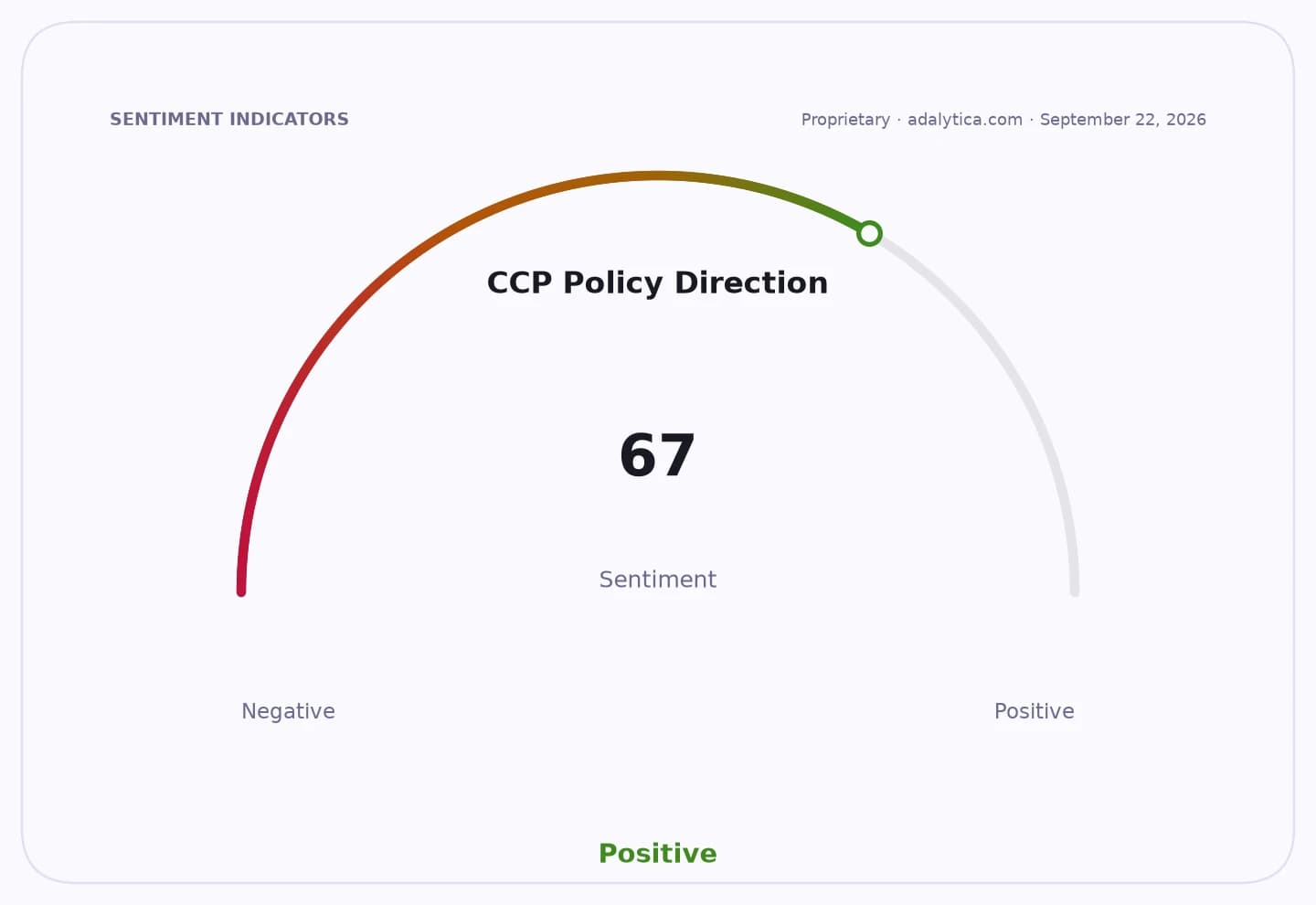
Sentiment IndicatorsⓘProprietary · adalytica.com · October 2, 2026
This is a snapshot — live sentiment, awareness and momentum for 130+ markets update continuously in the dashboard.Open AlphaPulse
Deputy Foreign Minister Arif Havas Oegroseno delivered the appeal in Jakarta while opening two long-running regional forums on marine and coastal issues and on managing potential conflict in the South China Sea. He said the meetings should continue to function as a space for dialogue and practical cooperation, echoing a line first advanced by former Indonesian foreign minister Ali Alatas in 1990. He also pointed to the Treaty of Amity and Cooperation in Southeast Asia as a framework for settling differences peacefully.
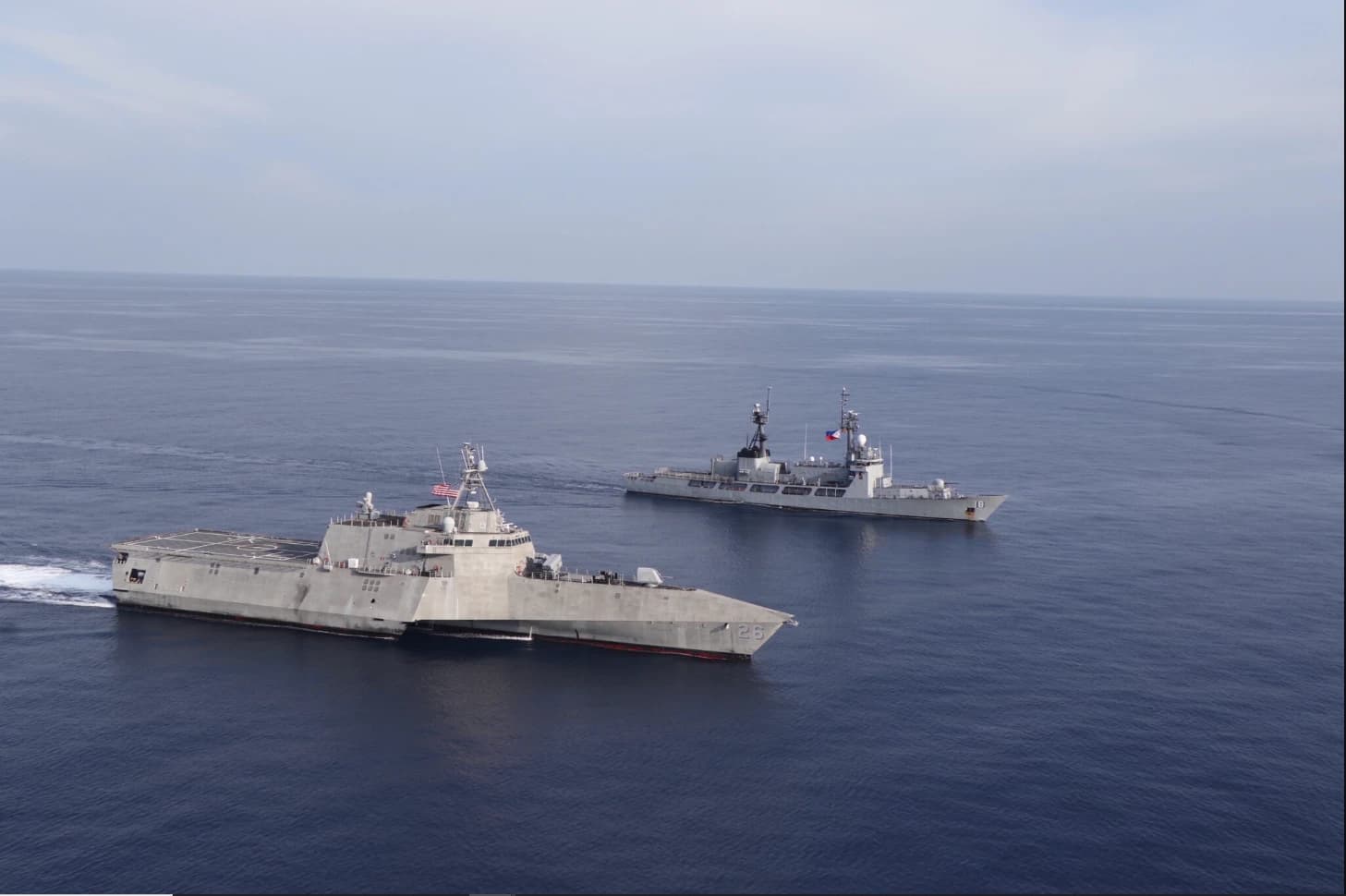
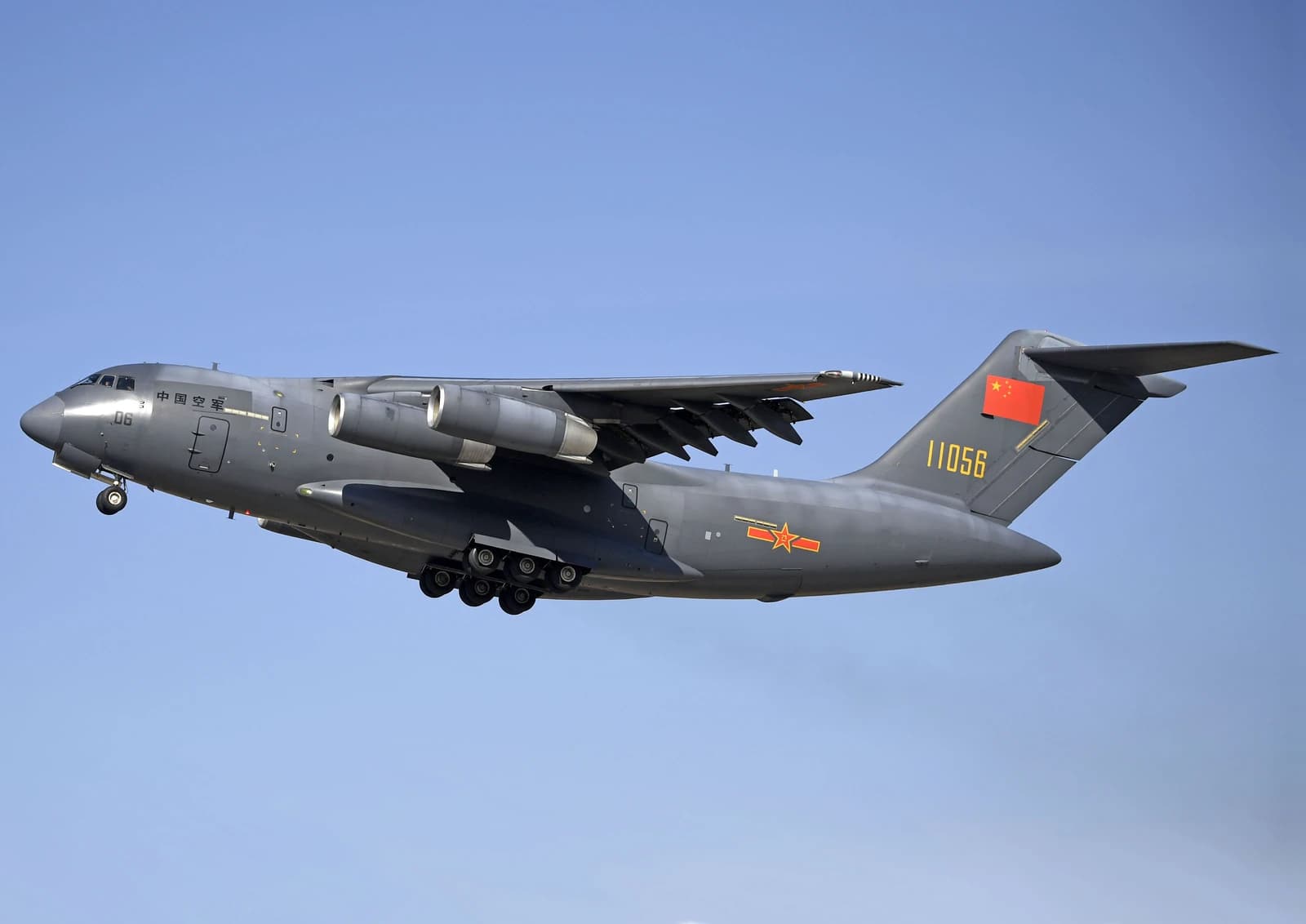
The timing is notable. Regional frictions have remained elevated, with recent clashes between Chinese and Philippine coast guard vessels underscoring how easily maritime disputes can escalate. At the same time, China has stepped up its strategic activity in the wider maritime arena, adding to concern that incremental moves on the water could outpace diplomacy on land.
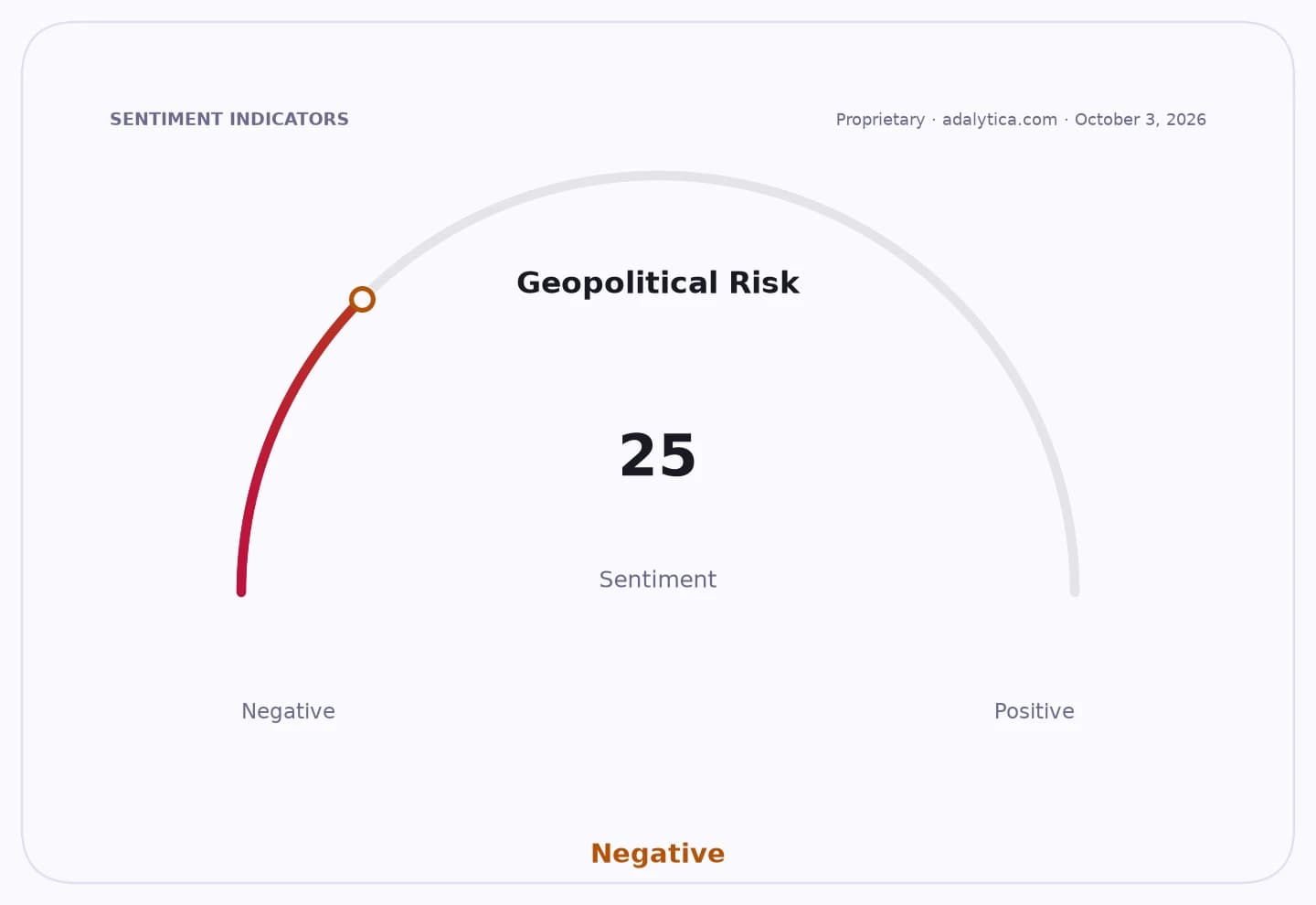
Geopolitical Risk — 30-day sentimentadalytica.com
Explore this data interactively — full history, time series and cross-market comparisons.Open AlphaPulse
The Jakarta workshop brought together 85 academics, government think tank representatives and participants from China, Brunei, Indonesia, Laos, Vietnam, the Philippines, Myanmar and Taiwan. Delegates reviewed ongoing cooperation projects, discussed new proposals and agreed three new initiatives, including two put forward by Vietnam and one by Indonesia. The meeting also touched on maritime cooperation under the UN Convention on the Law of the Sea, reinforcing the legal basis claimants prefer in public even as their positions remain far apart.
For investors, the immediate implication is not a direct market catalyst but a reminder of the region’s latent geopolitical premium. Escalation in the South China Sea can ripple into freight rates, energy logistics, defense spending and broader Asia risk sentiment. A steadier diplomatic track would support regional trade and reduce the odds of costly disruptions; a breakdown would do the opposite, particularly for shipping, commodities and companies reliant on uninterrupted passage through Southeast Asian sea lanes.
The broader narrative is one of managed competition rather than resolution. Indonesia is trying to preserve the institutional muscle memory that keeps confrontation contained, even as the strategic stakes in the South China Sea continue to rise. The durability of that effort will depend less on statements of principle than on whether the forum can keep producing concrete projects and whether regional powers are still willing to treat cooperation as the cheapest form of deterrence.
| Entity | Gains | Losses |
|---|---|---|
| ASEAN coastal states | ▲Lower escalation risk | ▼Harder bargaining leverage |
| China | ▲Diplomatic stability | ▼Freedom to pressure rivals |
| Philippines and Vietnam | ▲Confidence-building channel | ▼Weaker deterrence if talks stall |
| Shipping and insurers | ▲Fewer disruption premiums | ▼Higher risk if tensions flare |