Japan’s order for a Chinese survey ship to leave its exclusive economic zone underscores a fast-escalating maritime contest that is now straining regional stability, raising the odds of more coast guard confrontations and keeping a geopolitical risk premium alive for investors across Asia.
Japan Orders Chinese Survey Ship Out of EEZ
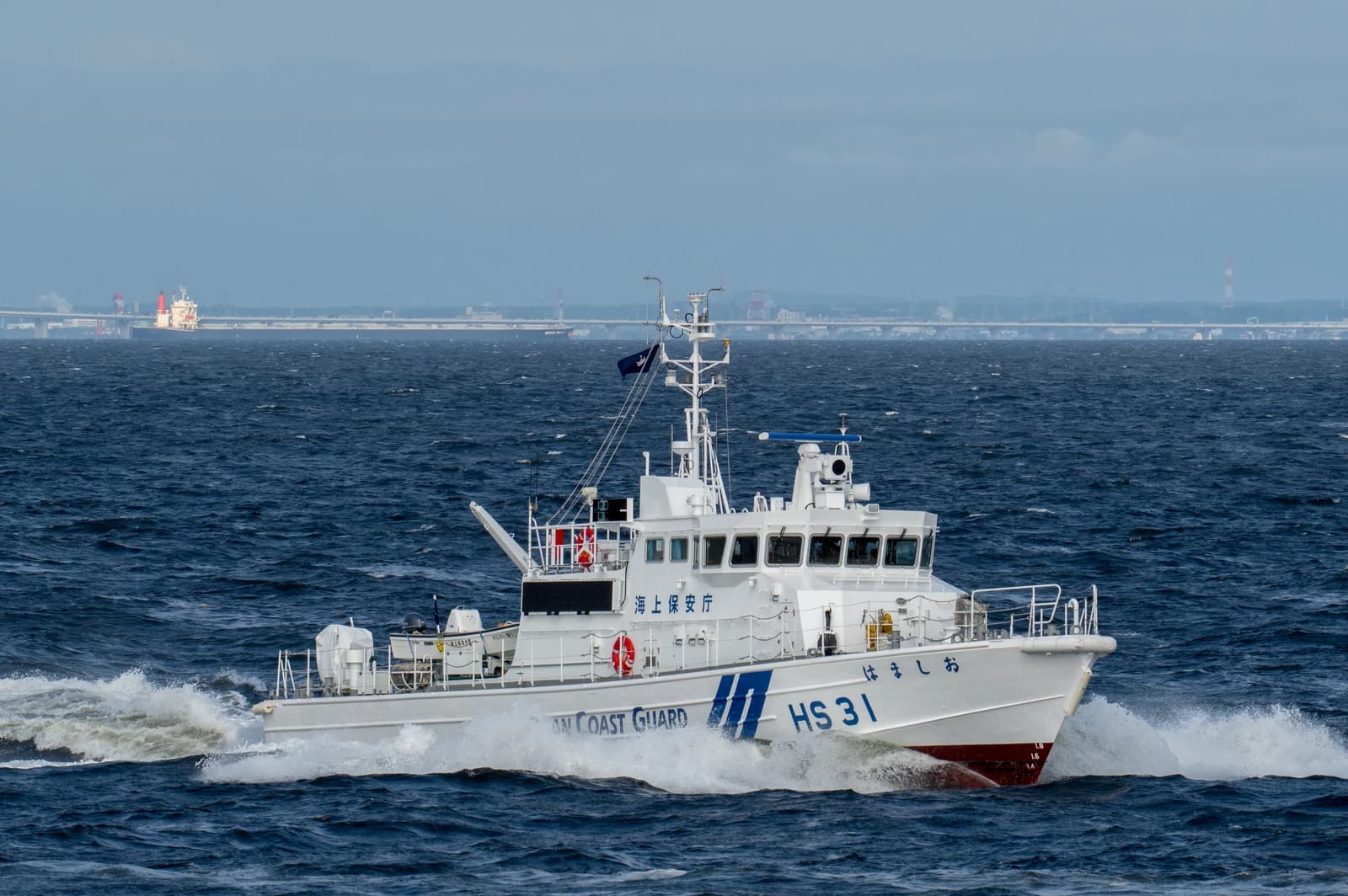
The immediate issue is not the vessel itself but the pattern. Tokyo says unapproved Chinese surveys in its EEZ have more than doubled from a year ago to 14 cases so far this year, compared with six last year and only one or two annually in the three years before that. That points to a sustained pressure campaign in contested waters rather than an isolated incident, and it arrives as Japan and the Philippines move ahead with negotiations to define their maritime boundary.
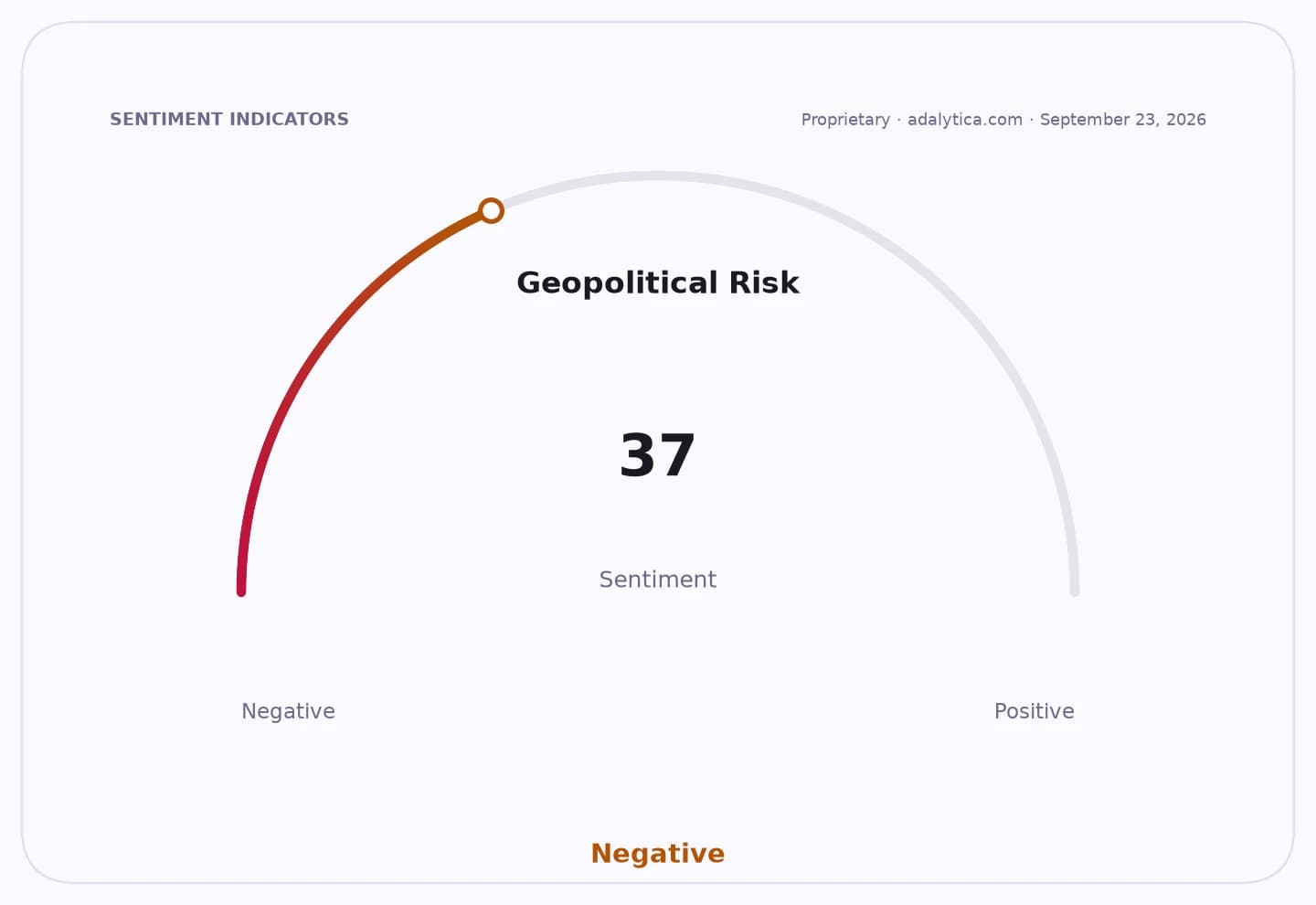
Sentiment IndicatorsⓘProprietary · adalytica.com · October 6, 2026
This is a snapshot — live sentiment, awareness and momentum for 130+ markets update continuously in the dashboard.Open AlphaPulse
For investors, the economic relevance is straightforward: more friction between Asia’s two largest economies threatens trade flows, shipping confidence and the broader policy backdrop for regional assets. The South China Sea remains a vital corridor for global commerce, while repeated standoffs around the Senkaku islands keep alive the risk of miscalculation in the East China Sea, where any escalation could ripple through insurers, logistics firms, defense contractors and Japan-exposed equities.
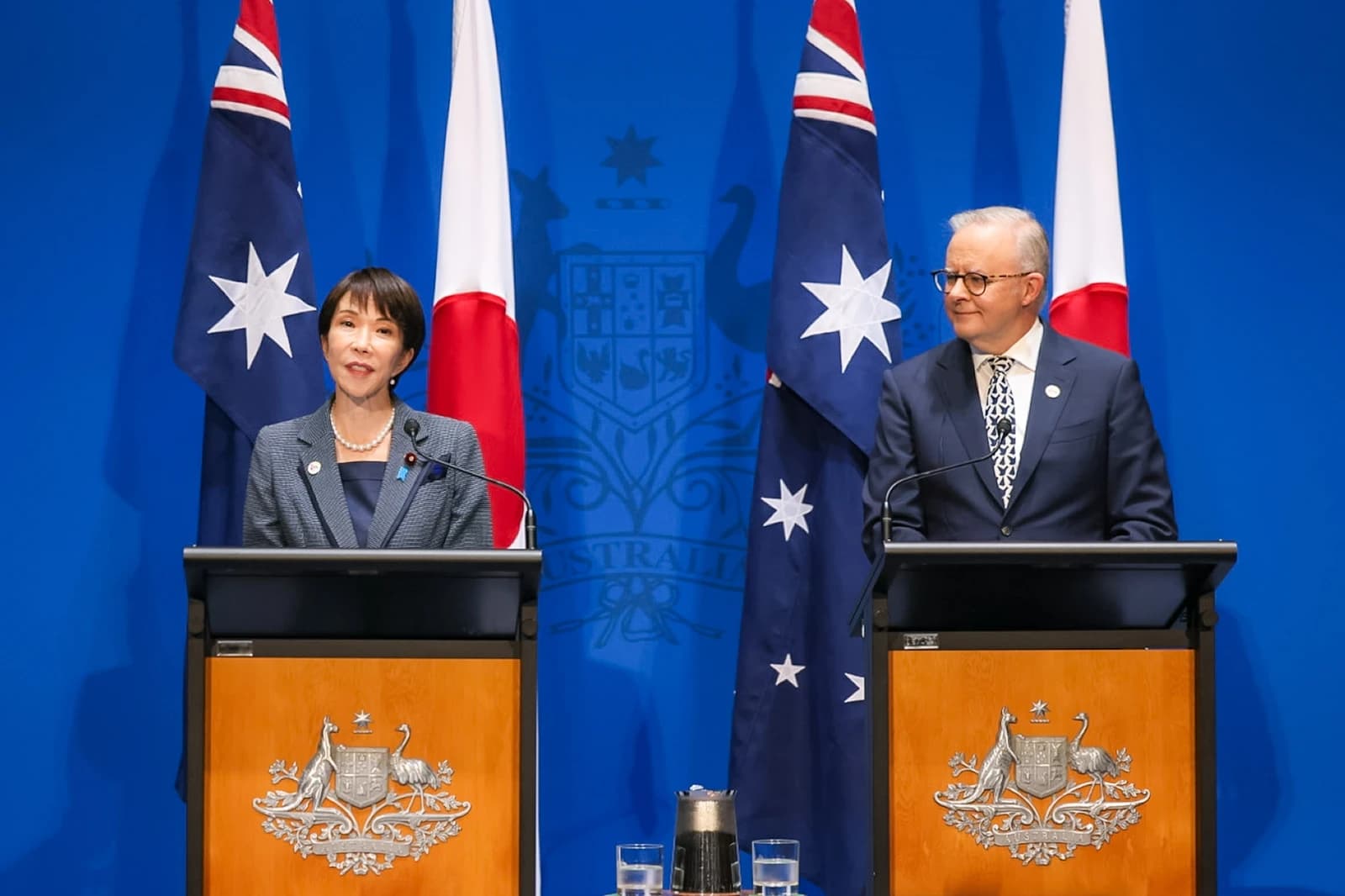
The timing also matters. Japanese Prime Minister Sanae Takaichi is trying to project steadiness after relations were rattled by her comments in November that Tokyo might intervene in any attack on Taiwan. Her new language — calling China an “important neighbour” and pledging a stable relationship — signals a diplomatic effort to lower the temperature, but Tuesday’s episode shows that de-escalation remains fragile.
The deeper narrative is that Beijing is probing where Tokyo will hold the line as Japan tightens coordination with the Philippines and the United States. The more Japan and its partners reinforce legal and maritime boundaries, the more China appears willing to test them. That keeps defense spending, coast guard procurement and regional security cooperation on a stronger secular footing, while making every new confrontation a reminder that geopolitical premiums in Northeast Asia are not going away.
Adalytica’s US–China Relations Sentiment gauge sits in “Fear” territory at 25, with awareness at “Extreme Fear,” reflecting how quickly tensions can reprice sentiment even when markets are otherwise calm. The message for investors is to stay positioned for more volatility, but also to look through it: persistent maritime friction continues to favor defense, surveillance, shipbuilding and other security-linked plays over industries that depend on a clean political thaw. The market may still underestimate how durable this strategic rivalry has become.
| Entity | Gains | Losses |
|---|---|---|
| Japan coast guard | ▲More authority in disputed waters | ▼Higher patrol burden |
| China survey fleets | ▲Continued gray-zone pressure | ▼Greater diplomatic pushback |
| Defense and maritime security firms | ▲Stronger spending tailwind | ▼— |
| Regional trade and shipping | ▲— | ▼Higher geopolitical risk |