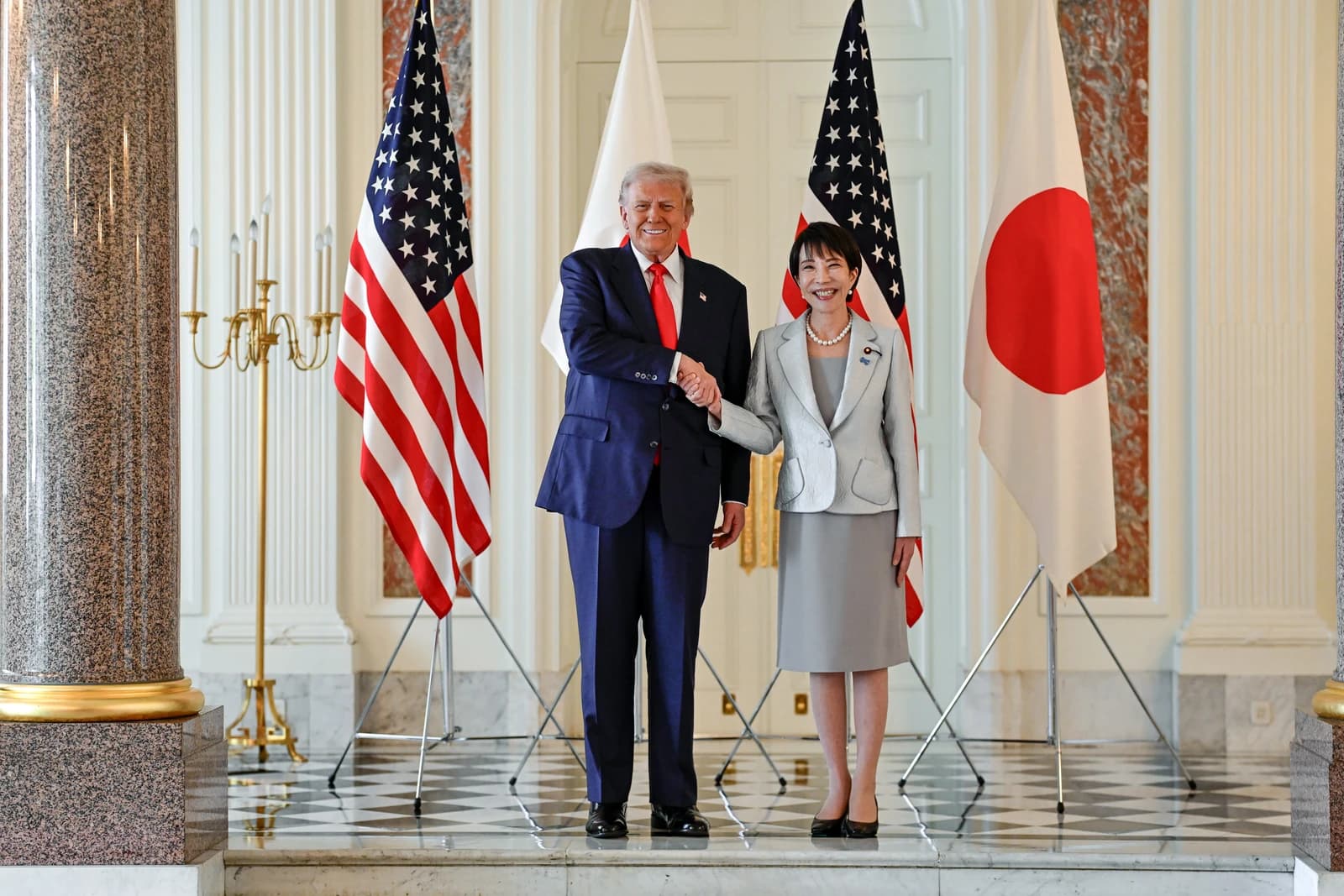
Japanese Prime Minister Sanae Takaichi is trying to steady Japan’s relationship with China after months of strained ties, saying the country is an “important neighbor” and pledging to build a stable and constructive relationship.
Japan-China Ties Ease as Takaichi Softens Tone
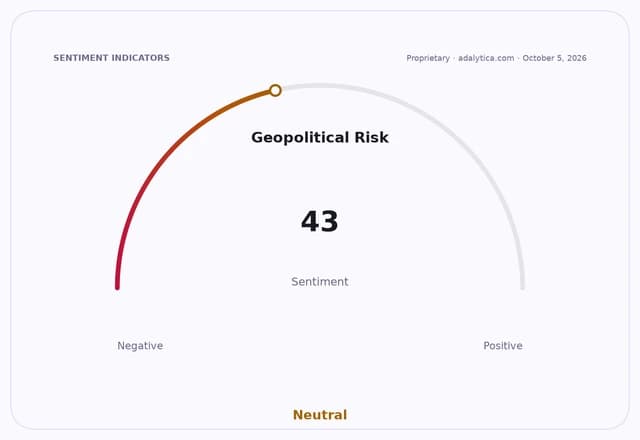
The shift matters because the world’s second- and fourth-largest economies have been locked in a damaging diplomatic chill since Takaichi last year suggested Tokyo could respond militarily to any attack on Taiwan. That has raised the risk of trade disruptions, tourism losses and broader supply-chain friction at a time when Japan is already battling inflation, heavy public debt and weaker growth.
Sentiment IndicatorsⓘProprietary · adalytica.com · October 5, 2026
This is a snapshot — live sentiment, awareness and momentum for 130+ markets update continuously in the dashboard.Open AlphaPulse
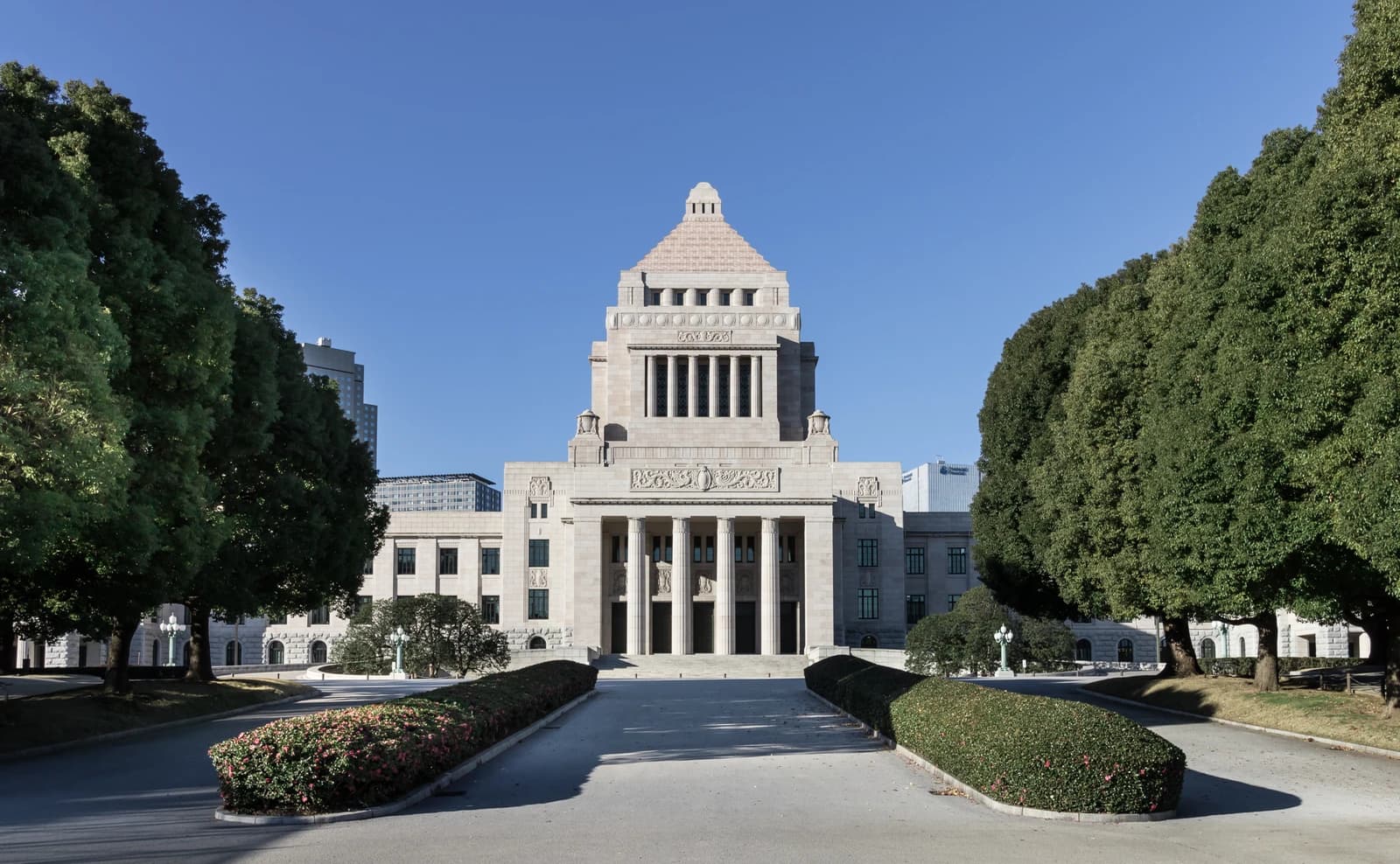
In her policy speech to parliament, Takaichi said Japan would “firmly defend” its position while also seeking dialogue on shared challenges. The message was a careful balancing act: less combative language toward Beijing, but no retreat on security or territorial red lines.
Markets have reason to pay attention. China has already warned its citizens against travel to Japan and imposed trade restrictions that Japanese companies said hit supplies of key rare-earth materials. Any easing in rhetoric could help reduce pressure on exporters, retailers and manufacturers exposed to the Chinese market, while another flare-up would likely revive volatility in Japan-focused assets.
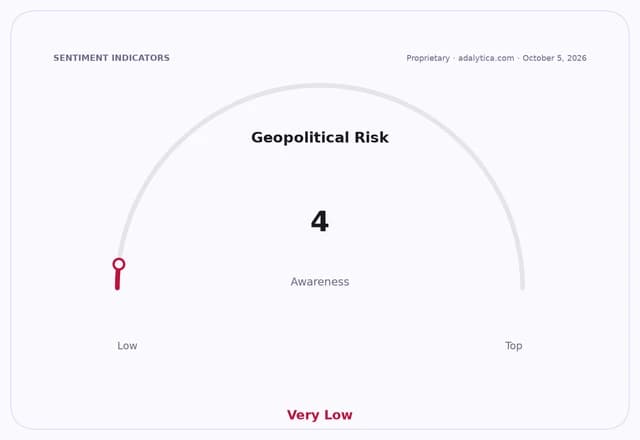
The political backdrop is equally important. Takaichi, who has unusually high support for a first-year leader, is trying to push through measures on inflation, including a proposed two-year cut in food consumption tax, while also reassuring investors after announcing large spending plans that rattled the market. Her government has also made demographic decline a top priority after official data showed Japan’s population fell below 120 million for the first time in 42 years.
China’s foreign ministry has also signaled room for repair, with top diplomat Wang Yi saying last week that bilateral ties “need to return to normal” after meeting a Japanese trade delegation in Beijing. That suggests both sides may be looking for a controlled reset even as disputes over Taiwan and regional security remain unresolved.
For investors, the immediate focus is whether Tokyo and Beijing can contain the political fallout enough to avoid further trade friction. With Japan’s parliament now set for a session running into December, any progress on China ties, inflation relief or fiscal discipline could move both Japanese equities and the yen.
| Entity | Gains | Losses |
|---|---|---|
| Japan exporters | ▲Lower China friction | ▼Trade retaliation risk |
| Japanese retailers/tourism | ▲Better China visitor flows | ▼Travel warnings |
| China-Japan diplomatic ties | ▲Cooler rhetoric | ▼Hardline security tensions |
| Investors in Japan assets | ▲Less geopolitical risk | ▼Policy uncertainty |