Filipino fishermen in western Luzon are seeing their incomes collapse as the South China Sea dispute keeps them out of Scarborough Shoal, turning a geopolitical standoff into an immediate economic shock for coastal communities.
Philippine fishers lose income near Scarborough Shoal
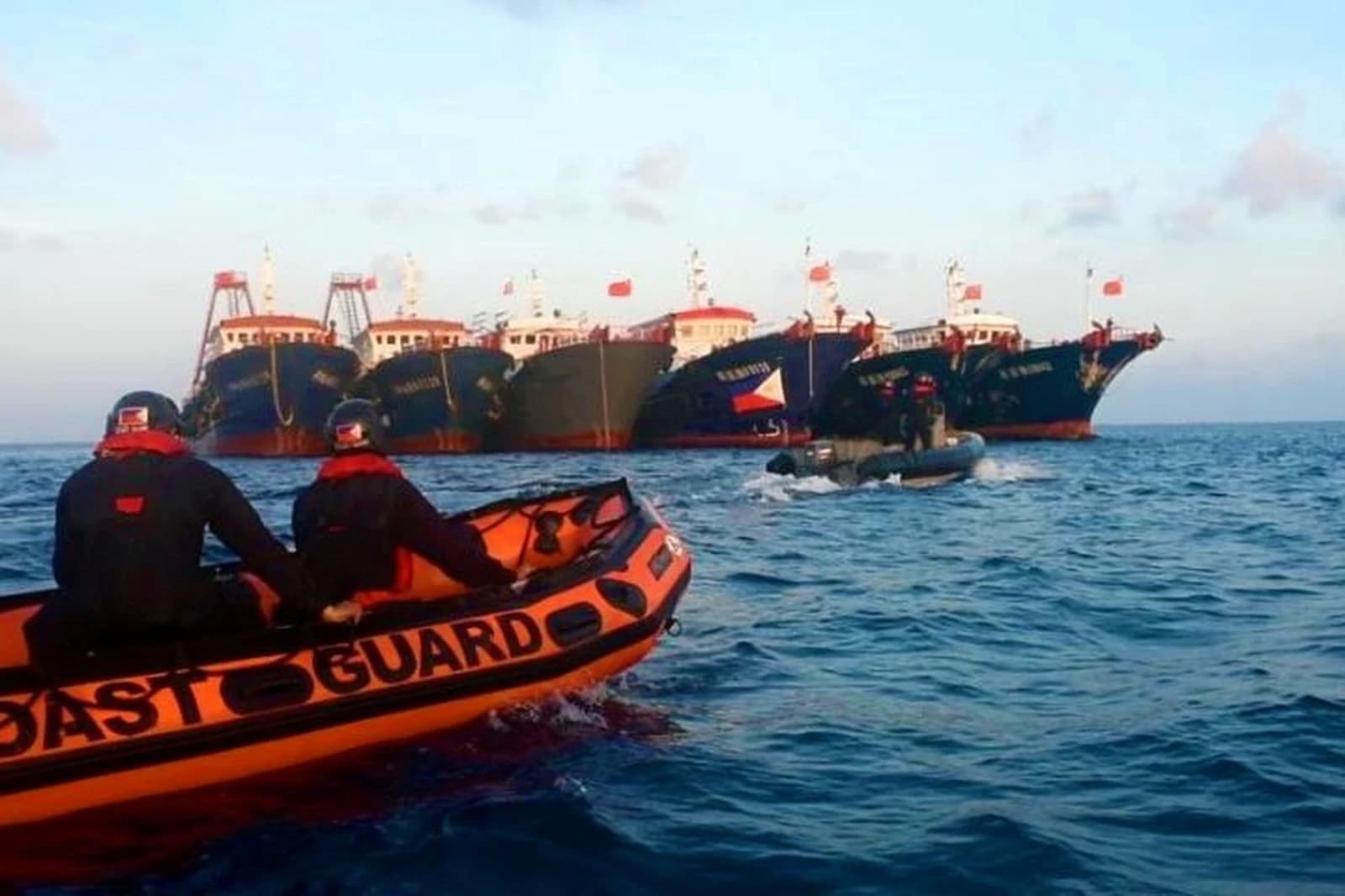
In Zambales, fishers say weekly earnings that once reached about 15,000 pesos, or $238, have fallen to as little as 600 to 700 pesos after access to the rich fishing ground was blocked and crews were forced into smaller, overcrowded waters closer to shore. For many households, that is the difference between a viable livelihood and near subsistence, especially as fuel and operating costs continue to rise.
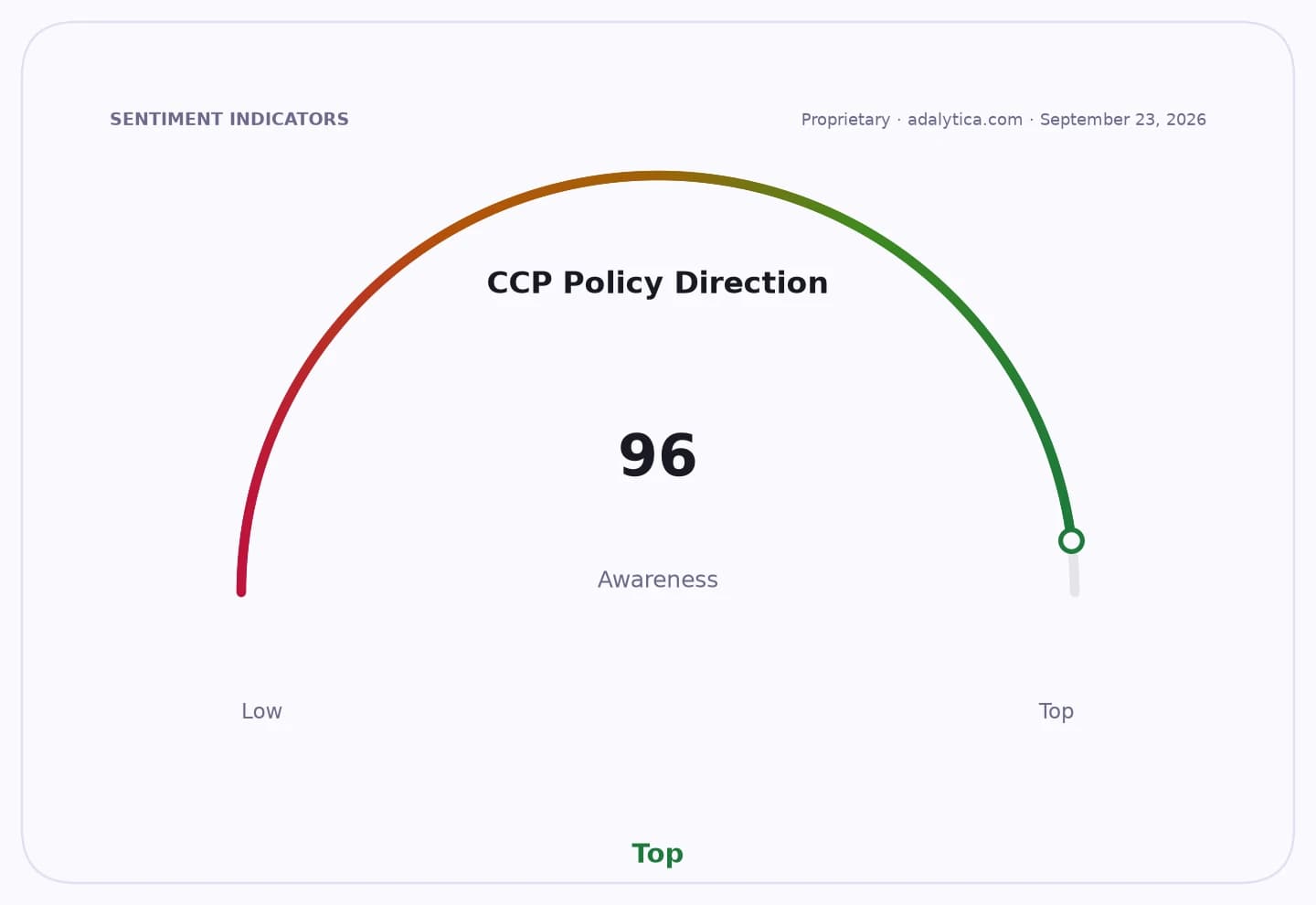
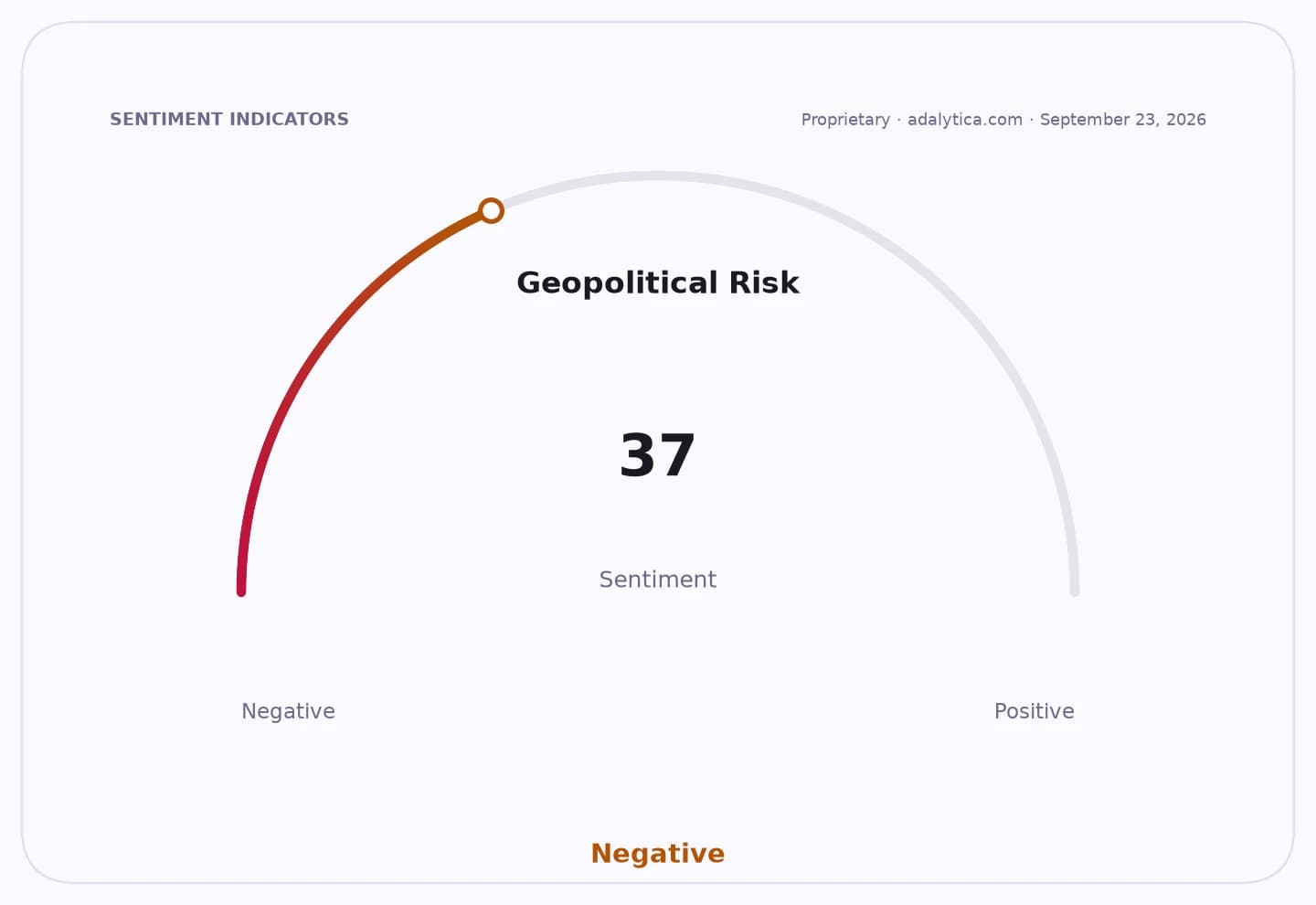
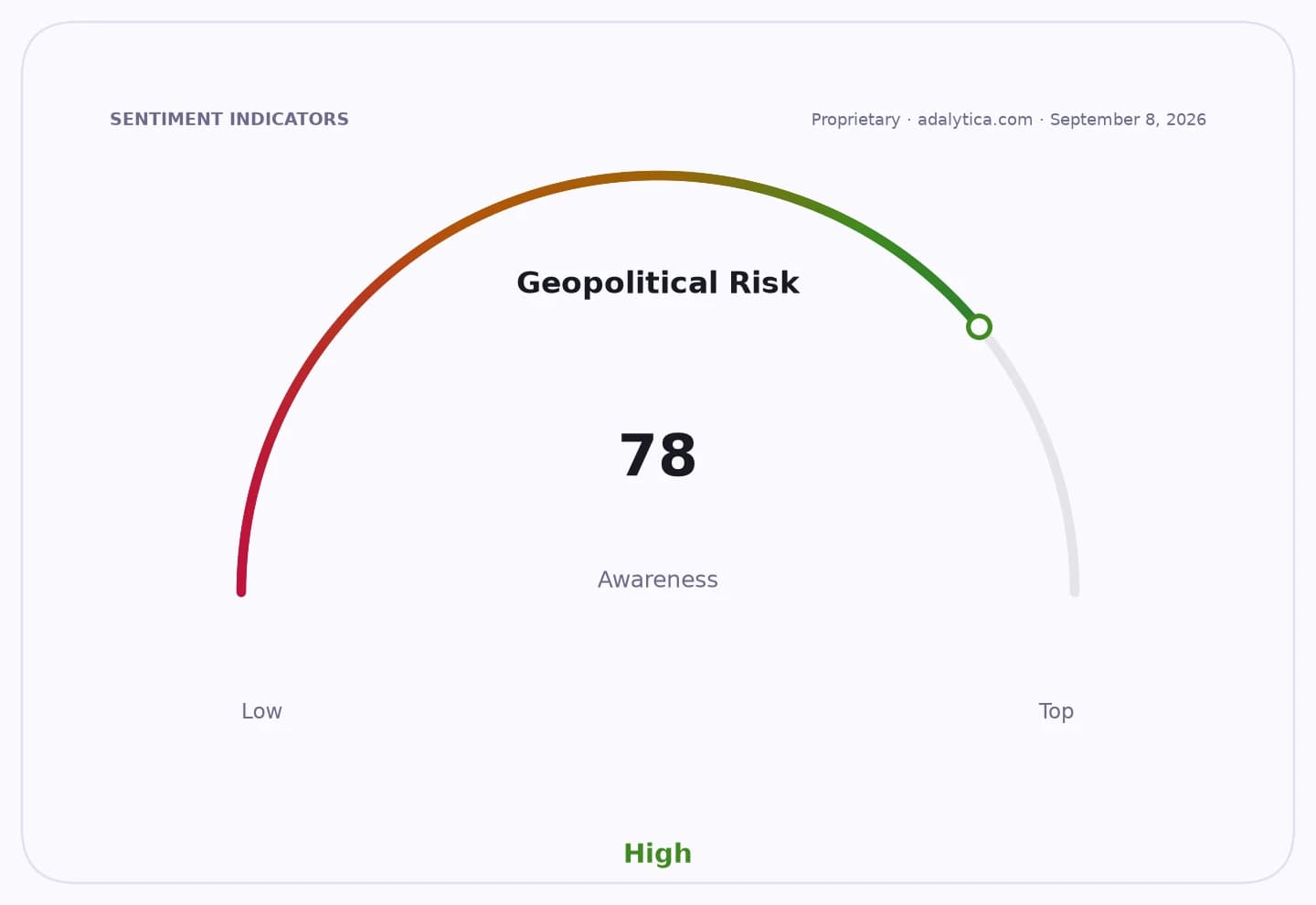
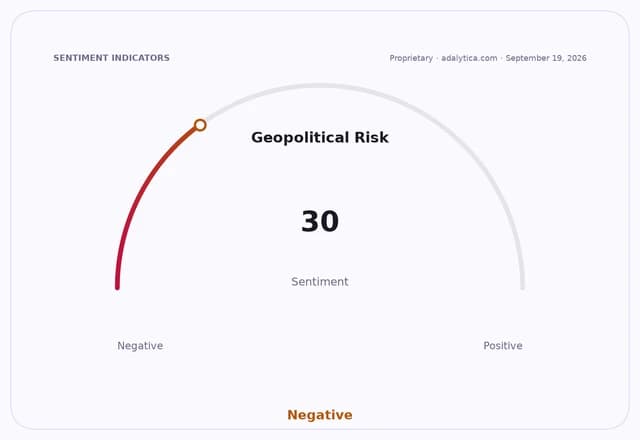
Sentiment IndicatorsⓘProprietary · adalytica.com · September 19, 2026
This is a snapshot — live sentiment, awareness and momentum for 130+ markets update continuously in the dashboard.Open AlphaPulse
The economics are straightforward: when access to a high-yield fishing zone is restricted, catch volume drops, competition in nearshore waters intensifies and unit costs rise. That squeezes disposable income in towns that depend on fishing not just for food, but for cash flow into local markets, boat maintenance, transport and small retail. The loss is likely to ripple beyond individual fishers, weakening demand in provincial economies already sensitive to food inflation and energy prices.
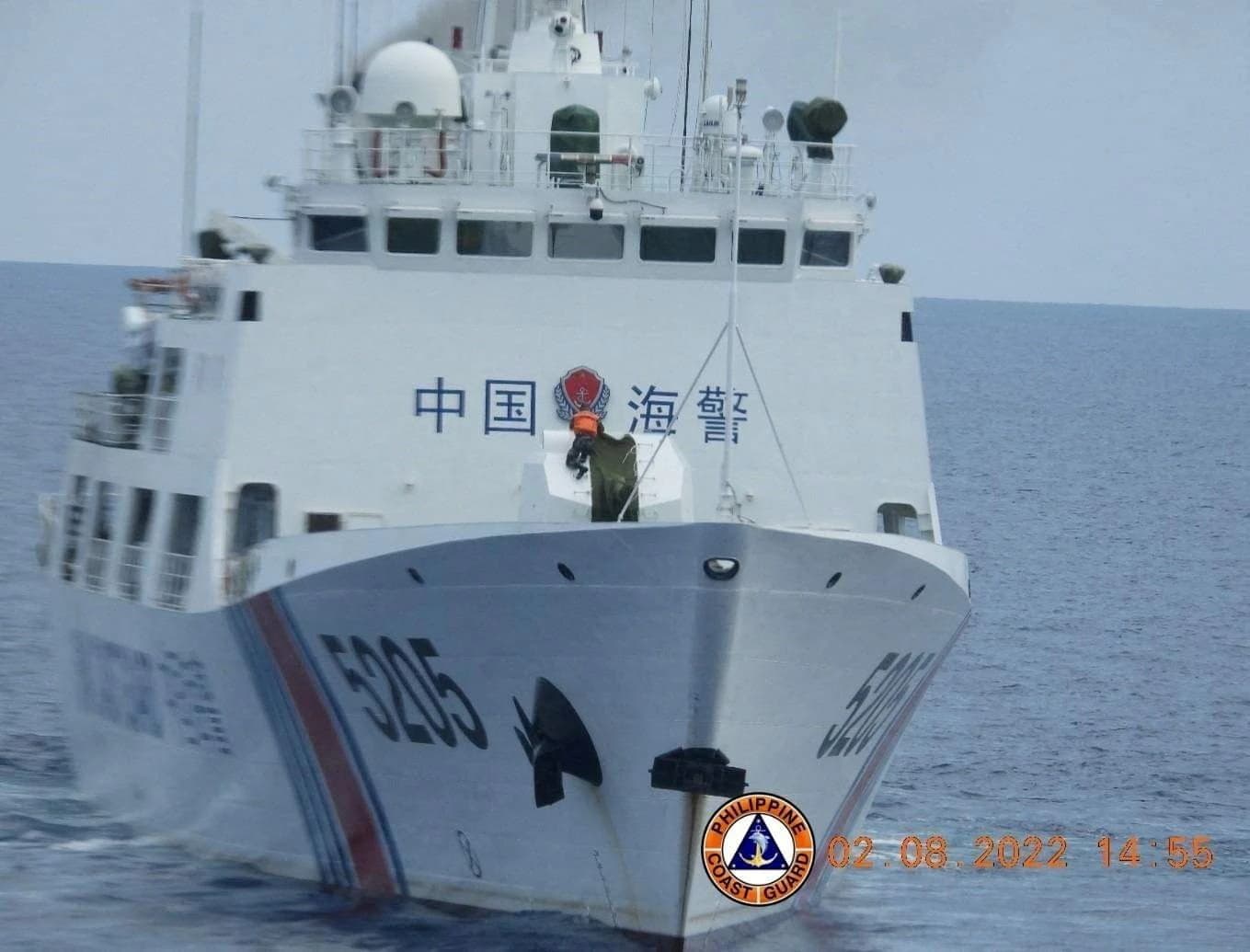
The dispute also deepens a broader policy failure. The Philippines has long argued that Chinese presence in the area limits traditional fishing access, while Beijing says Manila is provoking confrontation. The latest maritime clash, in which Manila accused a China Coast Guard ship of ramming a Philippine fisheries patrol vessel, underlines how quickly security tensions can spill into economic damage for civilians who have little control over the dispute.
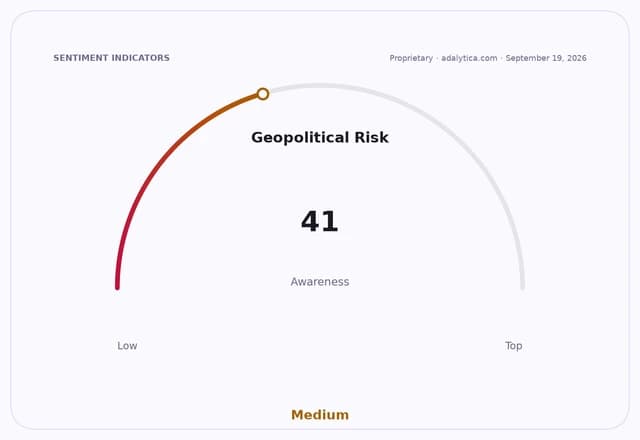
For investors, the story matters less through direct market exposure than through the macro and political risk premium it adds to the Philippines and the wider region. Persistent friction in the South China Sea can complicate trade routes, cloud bilateral relations and keep maritime security spending elevated. It also leaves vulnerable sectors such as fisheries exposed to further disruption, with potential knock-on effects for food supply, rural employment and consumer spending in coastal provinces.
Adalytica’s Global Stability Sentiment gauge shows fear in the geopolitical backdrop, while China policy direction sentiment remains neutral, suggesting markets still see room for de-escalation but not enough certainty to price out renewed incidents. The bull case is that diplomacy eventually restores more predictable access and calms maritime patrols. The bear case is that repeated confrontations normalize disruption, keeping income losses entrenched for Filipino fishers and leaving the South China Sea as a standing source of economic drag.
For now, the dispute is being measured not only in diplomatic protests and patrol maneuvers, but in pesos lost on the docks and in households forced to absorb a shrinking catch.
| Entity | Gains | Losses |
|---|---|---|
| Chinese Coast Guard presence | ▲Territorial leverage | ▼Regional trust |
| Filipino fishers | ▲None | ▼Income, access |
| Philippine coastal communities | ▲Limited relief | ▼Jobs, local spending |
| Regional investors | ▲Potential de-escalation upside | ▼Geopolitical risk premium |